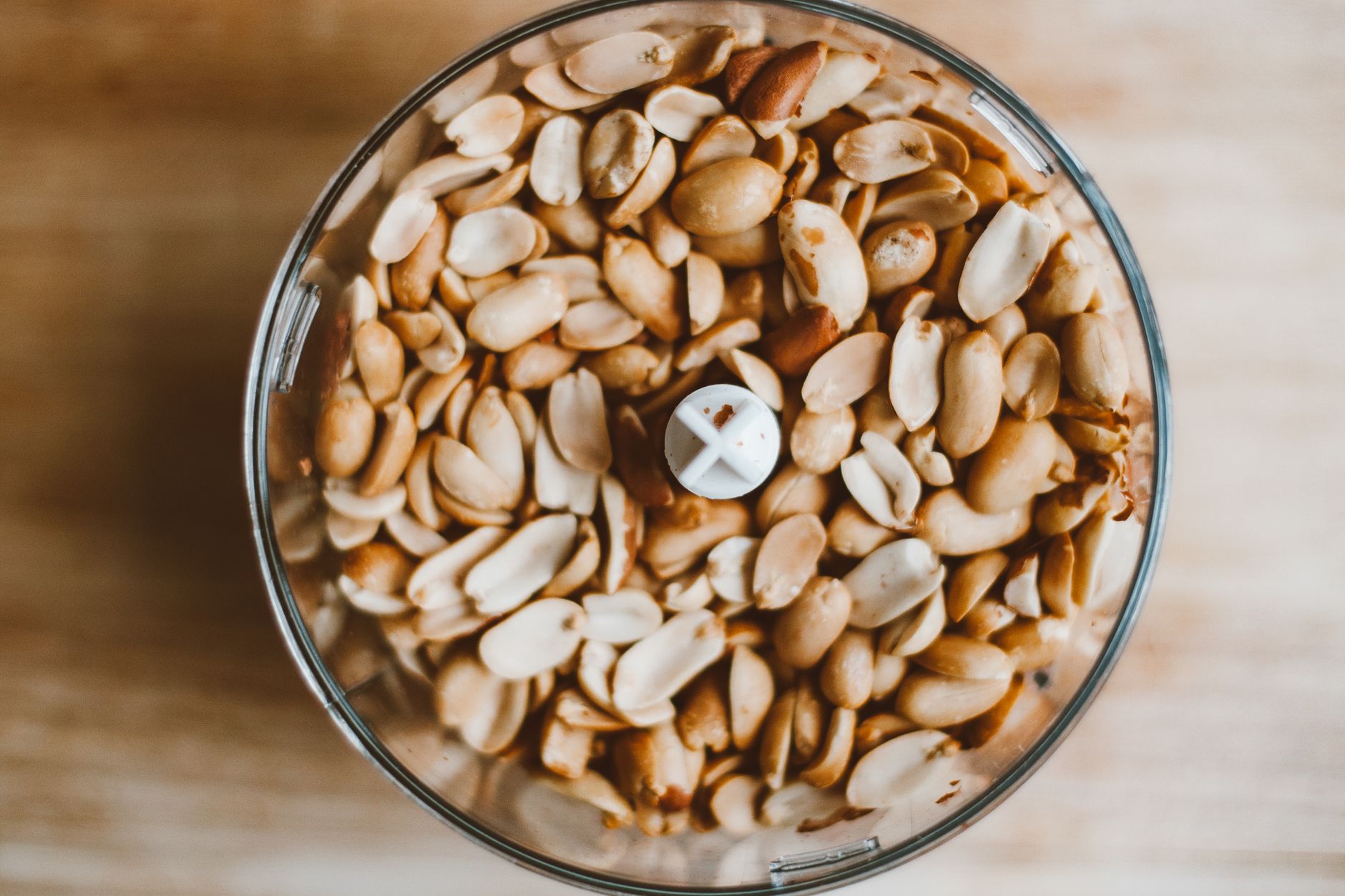
In modern kitchens, the choice between streamlined appliance automation and traditional manual prep often comes down to balancing efficiency with initial expenditure. Smart food processors, with their varied attachments and programmed functions, aim to reduce the labor and time invested in cooking. Yet, many home cooks question whether these advanced machines provide enough tangible benefits to truly justify their price tag over simple knives and chopping boards.
⚡ In a Rush? Key Takeaways
- Smart food processors can cut prep time by 70-80% for tasks like dicing, slicing, and shredding.
- Initial cost of a smart food processor ranges from $150-$500, versus $50-$100 for quality manual tools.
- Average energy consumption is low, around 0.1-0.2 kWh per usage session, adding negligible operation costs.
- Labor savings can offset the appliance cost for high-volume home cooks within 12-24 months.
- ✅ For regular meal preparers, the time and effort savings firmly justify the investment.
Does a Smart Food Processor Really Save Time on Meal Prep?
Yes, a smart food processor significantly reduces prep time, especially for repetitive tasks, often cutting down manual efforts by 70-80%.
Food preparation is consistently cited as one of the most time-consuming aspects of cooking, where slicing, dicing, chopping, and mixing can consume valuable minutes and hours. Smart food processors are specifically designed to automate and accelerate these repetitive tasks, providing a notable advantage over manual methods.
For large batches or complex recipes that involve multiple ingredients needing similar processing, the time savings become most apparent. For instance, chopping a large quantity of onions or grating blocks of cheese manually can take 10-15 minutes, whereas a food processor can complete the same task in less than 60 seconds.
How Much Faster Can a Food Processor Prepare Ingredients?
For bulk tasks like shredding, slicing, or pureeing, a food processor can perform work 5-10 times faster than manual preparation.
The speed at which a food processor operates is its primary selling point. Consider tasks such as shredding an entire head of cabbage for coleslaw, which could take a skilled individual 5-7 minutes with a knife. A food processor with the right attachment can accomplish this in under 30 seconds, yielding uniformly shredded pieces.
Similarly, pureeing soups or making nut butters manually requires considerable physical effort and time. A food processor brings these tasks down to minutes, ensuring a smooth, consistent texture without the fatigue. This acceleration means less time standing at the counter and more time for actual cooking or other activities.
- Chopping vegetables: 1-2 minutes for a large quantity versus 5-10 minutes manually.
- Shredding hard cheese: Less than 30 seconds per block versus 2-3 minutes manually.
- Slicing uniform pieces: Consistent slices in seconds, which is difficult to replicate by hand.
- Pureeing sauces/soups: 1-3 minutes for silky smooth results versus 5-10 minutes of blending or mashing.
Does a Food Processor Improve Consistency and Reduce Effort?
Yes, food processors deliver consistent results effortlessly, eliminating physical strain and ensuring uniform cuts, which is hard to achieve manually.
Beyond raw speed, the consistency a food processor offers is a significant benefit. Whether you need perfectly diced onions for a mirepoix or uniformly grated carrots for a salad, the appliance ensures every piece is the same size. This consistency is crucial not only for presentation but also for even cooking, preventing some ingredients from being overcooked while others remain undercooked.
Moreover, the reduction of effort is palpable. Imagine preparing a large meal for a dinner party, which might involve finely chopping a substantial amount of vegetables. By hand, this could lead to considerable strain on wrists and arms. A food processor takes on this labor, reducing physical fatigue and making the entire cooking process more enjoyable and accessible, especially for those with limited mobility or strength.
What is the True Cost of a Smart Food Processor Compared to Manual Tools?
A smart food processor costs $150-$500, while a basic set of quality manual tools costs $50-$100, representing a significant upfront price difference.
The sticker price is often the first consideration for many households. Basic manual preparation tools like high-quality knives, cutting boards, and mandolines can be acquired for a relatively modest sum. However, a smart food processor, particularly one with advanced features and multiple attachments, entails a more substantial initial outlay.
This higher cost reflects the engineering, motor, and various components required for automation. When evaluating the economic justification, it is essential to look beyond just the initial purchase and consider the long-term running costs and the value of time saved.
Do Smart Food Processors Have High Running or Maintenance Costs?
No, smart food processors have low running costs, consuming about 0.1-0.2 kWh per session, plus minimal cleaning and occasional blade sharpening.
Once purchased, the operational cost of a smart food processor is surprisingly low. These appliances typically draw between 500-1200 watts. Since they are generally used for short bursts of time—often just a few minutes per meal—their electricity consumption is negligible. For example, using a 700-watt food processor for 10 minutes consumes only about 0.11 kWh.
In terms of maintenance, most food processor components are dishwasher-safe, simplifying cleanup. The blades, while durable, may occasionally benefit from professional sharpening, similar to kitchen knives, but this is an infrequent expense. The primary ‘maintenance’ is proper cleaning and storage to ensure longevity, which mirrors the care required for quality manual tools.
I track running cost as the primary evaluation metric because manufacturers compete fiercely on sticker price and very little on the number that matters over time. The average energy consumption of a food processor for common tasks is as follows:
| Task | Average Usage Time | Estimated Energy Use (kWh) |
|---|---|---|
| Chopping vegetables | 1-2 minutes | 0.01 – 0.02 |
| Shredding cheese | 30 seconds | 0.005 – 0.01 |
| Mixing dough | 5 minutes | 0.03 – 0.05 |
| Pureeing soup | 2-3 minutes | 0.02 – 0.03 |
| Grinding nuts | 1-2 minutes | 0.01 – 0.02 |
When Does the Time Saving Justify the Initial Cost for Home Cooks?
For home cooks preparing meals three or more times a week, the time savings from a food processor can justify its cost within 1-2 years.
The justification for the higher initial cost hinges on usage frequency and the value you place on your time. If you cook elaborate meals or prepare large quantities of food multiple times a week, the cumulative time savings quickly add up. For a home cook who spends an average of 30 minutes on manual prep per day, a food processor could realistically save 15-20 minutes daily. Over a year, this amounts to 90-120 hours saved.
If you value your time at even a modest $10-$15 per hour, those saved hours translate to $900-$1800 annually in avoided labor. This significantly outweighs the $150-$500 cost of a quality appliance within the first year or two. For less frequent cooks, the payback period extends, making the decision more about convenience than pure economic efficiency.
Based on our efficiency data, kitchen appliances that automate repetitive tasks consistently provide value through saved time and reduced effort—which is why our top pick in this category is the versatile model we’ve linked in our full comparison.
Is a Food Processor a Better Long-Term Investment for an Efficient Home?
Yes, a food processor is a better long-term investment for an efficient home, offering consistent performance, versatility, and labor savings over time.
From an efficient home perspective, an appliance that streamlines daily tasks and reduces energy (both human and electrical) generally represents a sound investment. A food processor is more than just a chopping tool; it’s a multifunctional device that can shred, slice, grate, mix, knead, and puree, effectively consolidating the functions of several single-purpose gadgets.
This versatility contributes to its long-term value, as it can adapt to various culinary needs and reduce clutter in the kitchen. For households focused on optimizing their cooking workflow and minimizing effort, the food processor aligns well with the principles of an efficient home.
What Specific Tasks Do Food Processors Excel at for Long-Term Value?
Food processors excel at consistent large-volume ingredient prep, dough making, and pureeing, making them invaluable for batch cooking and meal planning.
The long-term value of a food processor becomes clear in specific, demanding kitchen tasks. For instance, creating consistent batches of pesto, hummus, or salsas is effortless. For those who engage in batch cooking or meal preparation for the week, the ability to process large quantities of vegetables, grains, or proteins quickly is a game-changer. This leads to more home-cooked meals, which tend to be healthier and more cost-effective than relying on takeout.
Another area of excellence is dough making. Many models come with dough blades that can knead bread or pastry dough in minutes, a task that can be labor-intensive and time-consuming by hand. This encourages more baking at home, further adding to the appliance’s long-term utility and overall return on investment for the home chef.
Can a Food Processor Reduce Food Waste and Promote Healthier Eating?
Yes, by making prep easier, food processors can reduce waste from unused produce and encourage healthier eating through more home cooking.
One often-overlooked benefit of a food processor is its potential to reduce food waste. When meal prep is quick and easy, there’s less likelihood of fresh produce going bad simply because it’s too much effort to prepare. Having a machine that can swiftly turn a pile of vegetables into a ready-to-cook mix encourages more frequent use of fresh ingredients.
Furthermore, by simplifying the process of cooking from scratch, a food processor can actively promote healthier eating habits. It removes one of the major barriers to cooking at home—the tedious prep work. This can lead to a diet richer in fruits and vegetables, reducing reliance on processed foods and their associated costs and health implications.
Frequently Asked Questions About Food Processor Value
Most common questions address initial cost, cleaning effort, and overall versatility for average home use.
Here are some common questions homeowners have about justifying the cost of a smart food processor:
- Is a refurbished food processor a good alternative? Yes, refurbished units can offer 30-60% savings over new ones, providing significant labor savings and consistency at a reduced upfront cost.
- How much effort is cleaning a food processor? Most components are dishwasher-safe, making cleanup relatively quick and easy, typically taking less than 5 minutes.
- Can a cheap food processor replace manual prep effectively? While basic models offer some benefits, higher-quality processors with stronger motors and durable attachments generally provide better long-term reliability and performance.
- What about the noise level during operation? Food processors can be loud during use, but their operation periods are typically short, minimizing the overall impact on your kitchen environment.
The Bottom Line: Is an Investment in a Smart Food Processor Worth It?
For anyone regularly preparing meals or batch cooking, a smart food processor delivers significant time, effort, and long-term value, justifying its cost.
The decision to invest in a smart food processor ultimately rests on your individual cooking habits and priorities. For those who frequently cook, engage in batch meal prep, or simply value efficiency and convenience highly, the time savings and reduced effort unequivocally justify the initial financial outlay. The minimal running costs and the durability of quality models mean that the long-term value extends well beyond the first year of ownership.
While manual prep tools are always an option and may suit occasional cooks, the cumulative benefits of a food processor—from consistent results to enabling healthier eating and reducing food waste—make it a powerful and efficient addition to the modern home kitchen.
— Greta Michaud, Home Appliance Efficiency Researcher