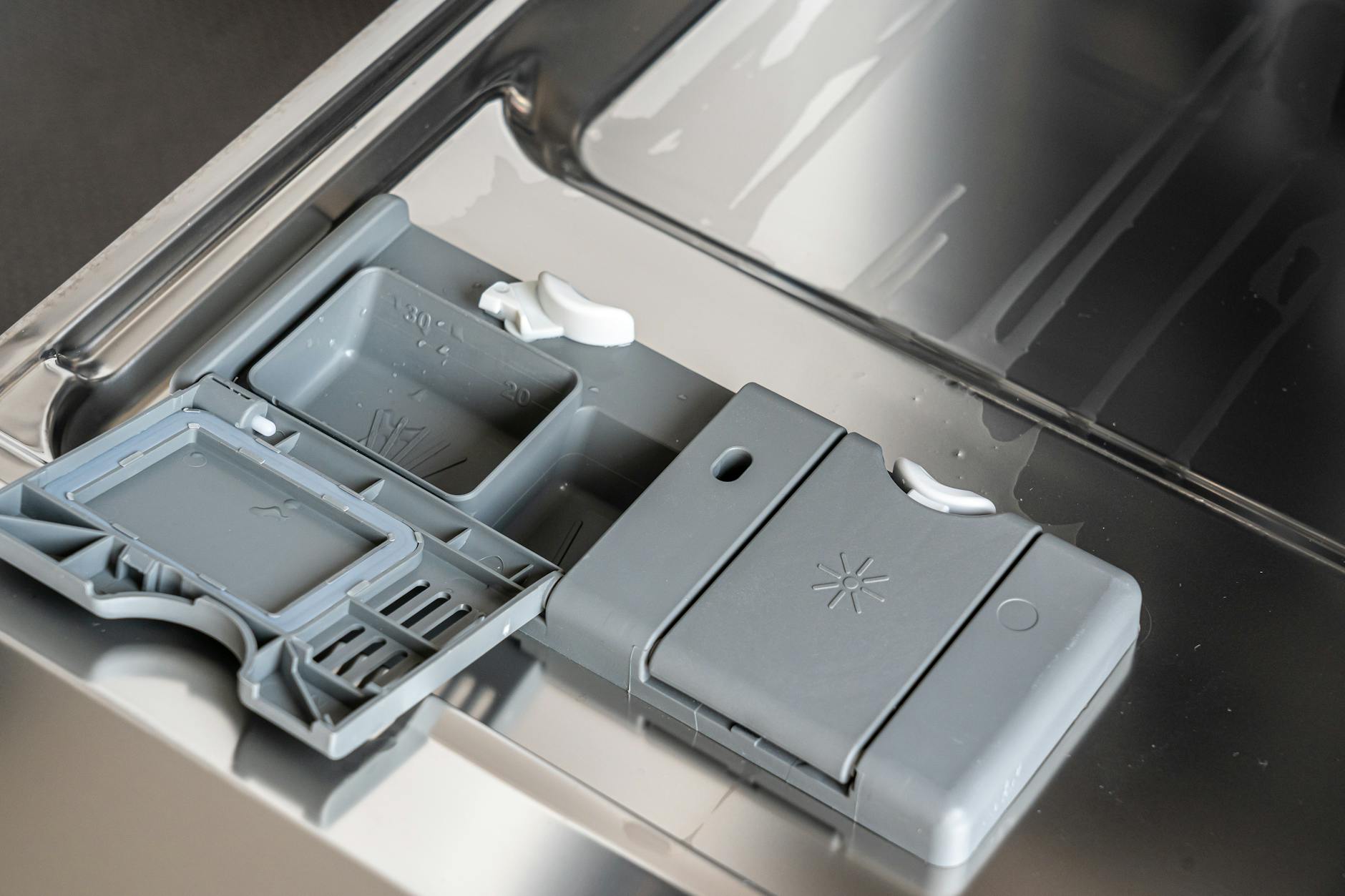
Learning how to reduce dishwasher electricity use requires understanding where those kilowatt-hours actually go. Unlike refrigerators that run constantly, dishwashers concentrate their energy consumption into intense bursts of heat and water circulation. A typical household runs their dishwasher five to six times per week, which can account for 2% of total annual electricity consumption—or roughly $50 to $120 per year depending on your local rates and machine efficiency.
The good news is that dishwasher technology has improved dramatically. Modern Energy Star certified models use approximately 12% less energy than the federal standard, yet many homeowners never adjust the factory settings that determine running costs. By optimizing how and when you run loads, you can reduce consumption by 20–40% without compromising cleanliness or convenience.
How much electricity does a dishwasher actually use?
A standard dishwasher consumes 1.5–2.5 kWh per cycle, costing roughly 20–35 cents at national average rates of $0.14 per kWh. Energy Star certified models average closer to 1.2 kWh per load, while older units built before 2006 may exceed 3 kWh.
The heating element accounts for approximately 80% of this consumption. When you select a “normal” or “heavy” cycle, the machine heats incoming water from roughly 120°F to 140–155°F using a 1,500-watt element that runs for 20–30 minutes. The wash pump motor draws only 100–150 watts by comparison, and the drain pump uses a negligible amount.
Your water heater also contributes to the energy equation. Each cycle uses 4–6 gallons of hot water, which requires your water heater to reheat that volume. If you have an electric water heater set to 140°F, factor in an additional 0.5–0.8 kWh per load, bringing total cycle costs closer to 30–50 cents for homes without gas water heating.
To calculate your specific costs accurately, use our dishwasher running cost calculator which factors in your local utility rates and specific model specifications.
Is the eco cycle always the most economical choice?
Eco mode typically reduces energy consumption by 20–30% per cycle, saving approximately 5–10 cents per load at standard rates. However, it extends cycle time by 30–60 minutes to compensate for lower water temperatures.
The savings come from two adjustments: reduced water heating and the elimination or reduction of the heated drying phase. Eco cycles usually heat water to 120–130°F rather than 140°F+, relying on longer soak times and enzyme-based detergents to break down food soils at lower temperatures.
There is a caveat. If you run eco mode but then find yourself rewashing heavily soiled items by hand because the cycle failed to clean them, you eliminate any savings. Eco mode works best when dishes are scraped (not pre-rinsed) and loads consist of typical dinnerware rather than baked-on casseroles. For heavily soiled cookware, the standard cycle’s efficiency may actually prove more economical than a double wash.
Should you wait for a full load before running the dishwasher?
Running half loads approximately doubles your energy cost per item cleaned. A full standard load (12 place settings) costs roughly 3–4 cents per plate, while a half load jumps to 6–8 cents per item because the machine uses nearly the same water and energy regardless of capacity.
The “load sensor” feature found in mid-range and premium models helps mitigate this by adjusting water volume based on soil levels and load size, but the energy reduction is modest—typically 10–15% for small loads, not the 50% you might expect. The heating element still must raise roughly the same volume of water to temperature, regardless of how many plates sit in the racks.
Strategic loading matters more than perfect capacity. Arrange dishes to allow proper water circulation rather than cramming in extra items that block spray arms. A properly loaded three-quarter capacity cycle cleans more efficiently than an overstuffed “full” load that requires rewashing. If you live alone or dine out frequently, consider hand-washing the occasional wine glass rather than running the dishwasher for three plates and a fork.
Does air drying really save money compared to heat drying?
Skipping the heated drying phase saves approximately 15–20% of total cycle energy, or roughly 4–8 cents per load depending on your electricity rate. Over a year of five weekly loads, this equals $10–$20 in savings.
Heated drying works by activating a 600–800 watt heating element for 20–40 minutes, or by using a condensation drying system that requires extra hot water rinses. Both methods consume significant energy. The air dry or “energy saver” option simply shuts off the heat and allows dishes to dry through evaporation and residual warmth.
For optimal air drying results, open the dishwasher door immediately after the cycle completes to release humid air. Prop the door open several inches to promote airflow. Plastic items may retain water droplets longer than glass or ceramic, so place plastics on the top rack where heat escapes last. If your kitchen humidity runs high, wiping plastic containers with a linen towel takes 30 seconds and eliminates the need for a second drying cycle.
Is it cheaper to run the dishwasher at night?
If your utility offers time-of-use (TOU) pricing, running loads during off-peak hours—typically 9 PM to 7 AM—can reduce electricity costs by 40–60%, dropping a 30-cent cycle to 12–18 cents.
Standard flat-rate billing means the clock time doesn’t affect cost. However, approximately 60% of US households now have access to TOU plans or similar demand-response pricing. Check your latest utility bill for terms like “peak,” “shoulder,” or “off-peak” rates. Peak hours usually coincide with late afternoon and early evening when grid demand spikes.
Modern dishwashers with delay-start timers make this effortless. Load the machine after dinner, set the timer for 11 PM, and take advantage of cheaper rates while you sleep. Just ensure the kitchen is adequately ventilated if running cycles overnight, and never run the appliance while sleeping if it shows signs of malfunction such as unusual odors or erratic behavior.
How much does dishwasher age affect electricity consumption?
Dishwashers manufactured before 2006 use approximately 30% more electricity per cycle than current Energy Star models, and up to 50% more water. A ten-year-old unit may cost $40–$60 more annually to operate than a new efficient model.
Beyond efficiency standards, wear degrades performance. Heating elements develop scale and corrosion over time, requiring longer heating periods to reach target temperatures. Pump seals wear, reducing water pressure and forcing longer cycles to achieve the same cleaning action. If your dishwasher requires two hours to complete a cycle that once took 90 minutes, the heating element is likely cycling inefficiently.
When evaluating replacement, calculate the break-even point. A $600 Energy Star model saving $50 annually in electricity and water costs pays for itself in 12 years, well within the 9–12 year average lifespan of modern units. Factor in potential repair costs for aging machines—if your current unit requires a $200 heating element replacement, that investment might be better applied toward a more efficient replacement. Consult our guide on dishwasher replacement timing for detailed break-even calculations.
What hidden settings quietly increase your energy bill?
High-temperature wash and sanitize options add 0.5–1.0 kWh per cycle, increasing costs by 7–15 cents. Heated dry settings, often enabled by default, add another 0.3–0.5 kWh.
Many users accidentally enable these features. The “sanitize” button glows attractively on control panels, suggesting superior cleanliness, but modern detergents and 140°F water kill 99.9% of bacteria without this extra energy expenditure. Reserve sanitize cycles for households with immunocompromised members or during illness outbreaks.
Similarly, “pots and pans” or “heavy” cycles default to higher temperatures and multiple wash phases. For lightly soiled daily dishes, the “auto” or “normal” setting detects soil levels and adjusts accordingly, preventing unnecessary energy expenditure. Check your rinse aid dispenser as well—adequate rinse aid allows lower water temperatures and shorter drying times while preventing water spots.
For households seeking comprehensive kitchen efficiency strategies, review our kitchen appliance running cost comparison to identify which habits deliver the greatest returns.
Reducing dishwasher electricity use requires no sacrifice in hygiene or convenience—just attention to the variables that actually drive consumption. Focus on full loads, air drying, and avoiding the high-temperature temptations of modern control panels. Over a year, these modest adjustments typically save $30–$50, enough to cover the cost of quality dish detergent while running a more efficient home.
⚡ In a Rush? Key Takeaways
- Modern Energy Star certified models use 12% less energy than federal standards.
- Optimizing load times and cycles can reduce consumption by 20–40%.
- Air drying can save 15–20% of total cycle energy.
- ✅ Focus on full loads, air drying, and avoiding high-temperature cycles for maximum savings.
Comparing Dishwasher Energy Consumption
| Option | Key stat | Best for |
|---|---|---|
| Standard cycle | 1.5–2.5 kWh per cycle | Heavily soiled items |
| Eco cycle | 20–30% energy savings | Lightly soiled items |
| Air dry | 15–20% energy savings | Energy efficiency |
📊 Efficiency Verdict
Air drying and eco cycles can significantly reduce dishwasher energy consumption, saving up to 35% per load.