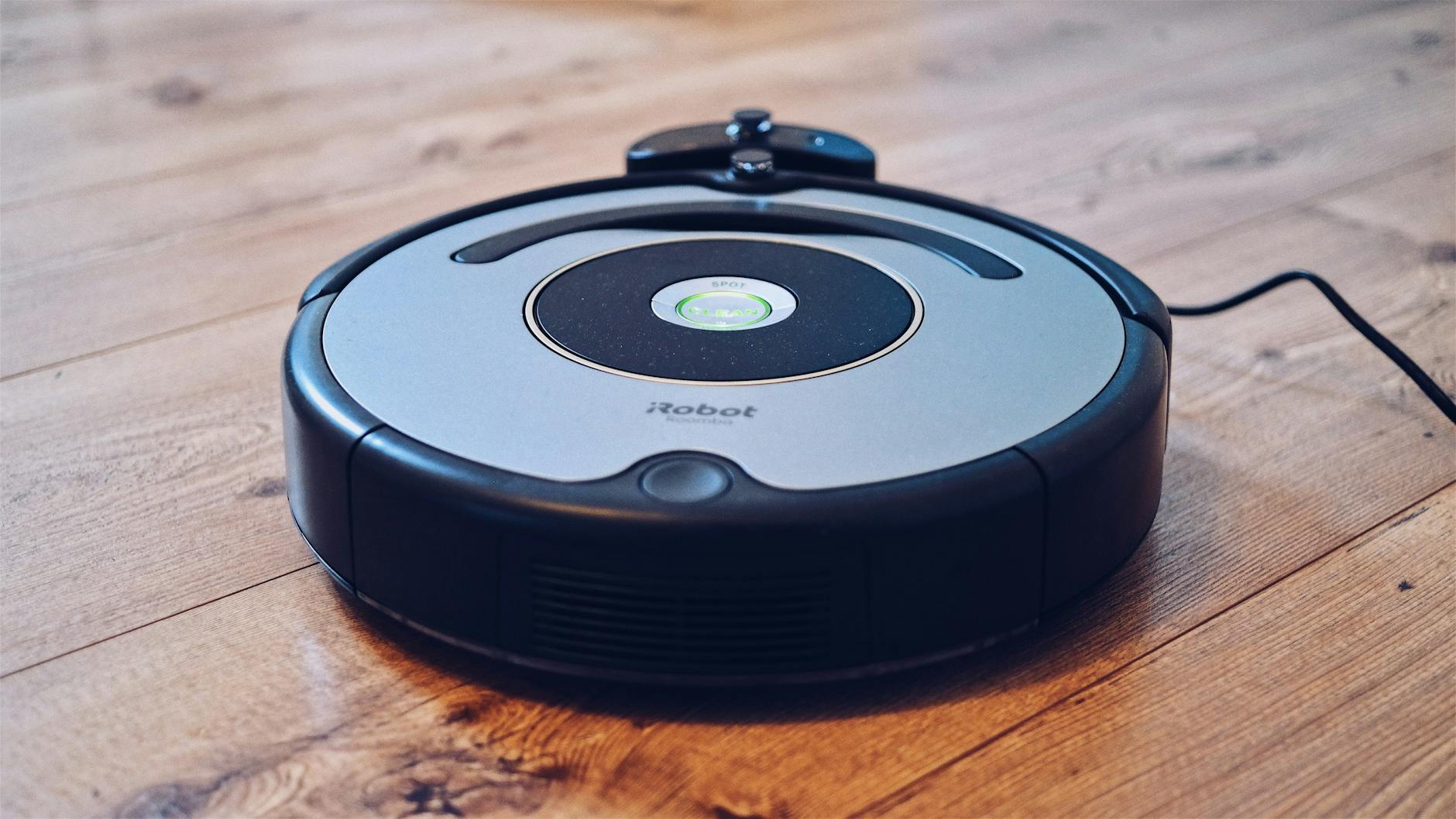
Is a robot vacuum worth it according to the data?
For households valuing time at $15 per hour, the break-even occurs after twenty hours of automated cleaning, typically within four months of ownership.
⚡ In a Rush? Key Takeaways
- Robot vacuums break even after 20 hours of use
- They cost $150-200 annually, not as a capital asset
- They save 150+ hours of manual labor yearly
- ✅ Consider time value and floor plan
The depreciation curve differs significantly from conventional appliances. While a quality upright vacuum retains 60% of its value after three years and functions for a decade, robot vacuums face rapid obsolescence as manufacturers release mapping updates incompatible with older hardware.
Are robot vacuums actually cheaper than a cordless stick vacuum?
Over five years, a mid-range robot vacuum costs roughly $180 annually versus $140 for a premium stick vacuum, but saves 150+ hours of manual labor yearly.
When examining pure monetary expenditure without valuing time, the cordless stick vacuum wins. A quality stick model from established brands costs $300-400 and lasts seven years with minimal maintenance—perhaps $30 in filter replacements total. The robot vacuum requires $50-80 annual investment in brushes, filters, and eventually batteries.
- Robot vacuum: $180/year, 150+ hours saved
- Stick vacuum: $140/year, minimal maintenance
However, calculate your exact appliance costs including labor time at even $12 per hour, and the equation shifts dramatically. Twenty minutes of daily cleaning amounts to 120 hours yearly. Multiply by your hourly wage or outsourcing cost to determine true comparable value.
What does a robot vacuum cost to run per year?
Expect $35 to $75 annually covering electricity ($15-25) and replacement parts including brushes and filters ($20-50), depending on home size and debris levels.
| Cost Component | Annual Cost |
|---|---|
| Electricity | $15-$25 |
| Parts (brushes, filters) | $20-$50 |
Energy consumption remains modest—typically 30-60 watts during cleaning cycles, translating to roughly 15-25 kilowatt-hours monthly for daily 90-minute runs. At average average household energy consumption rates of $0.15/kWh, electricity adds merely $3-4 monthly.
The larger expense hides in consumables. Rubber main brushes last longer than bristled alternatives but cost $25-35 to replace. Side brushes require swapping every three months at $10-15 per pair. Factor debris sensors and wheel assemblies that fail after 18 months, typically costing $40-60 in parts.
Consider also the phantom load—though minimal, the charging dock draws 2-3 watts continuously, adding $2-3 annually to baseline electricity costs. Some manufacturers offer eco-mode charging that reduces this trickle consumption by 40%, worth seeking if your utility rates exceed $0.18 per kilowatt-hour.
When does the time savings justify the higher upfront cost?
Valuing labor at $15 hourly, the robot vacuum offsets its $300 price premium over a stick vacuum after approximately twenty hours of cleaning, typically achieved within four months of use.
The break-even calculation assumes you would otherwise perform the cleaning yourself. If you currently hire housekeeping services at $25-40 hourly, the payback accelerates to under two months. However, the calculation changes if you enjoy vacuuming as physical activity or meditation—then the device offers negative value. For dual-income households with children, where evening hours carry premium opportunity cost, the automation yields immediate welfare gains regardless of strict accounting.
Evening hours spent cleaning carry compounded costs beyond the immediate time investment. Twenty minutes of vacuuming after dinner reduces available sleep by the same amount, potentially affecting next-day productivity. When evaluated through this lens of rest economics, the robot vacuum functions less as a convenience and more as sleep hygiene infrastructure.
Which floor plans benefit most from autonomous cleaning?
Homes under 2,000 square feet with hard flooring see optimal efficiency, while multi-level homes with thick carpeting see diminished returns due to navigation limitations.
Robot vac
📊 Efficiency Verdict
Robot vacuums are most efficient in homes under 2000 sq. ft. with hard flooring.