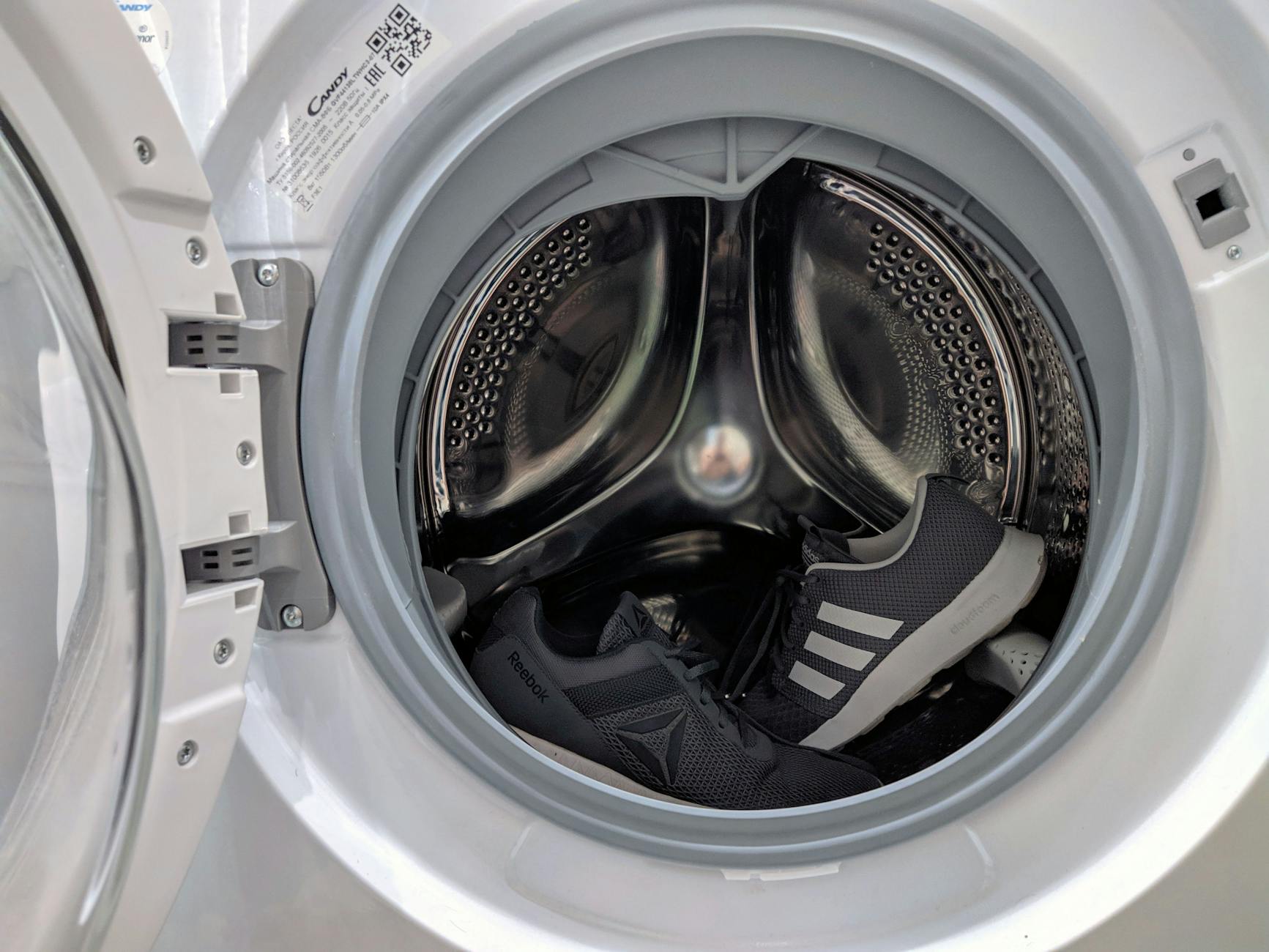
Running a washing machine in California carries a price tag noticeably higher than in most other states. With electricity rates that have climbed steadily over the past decade, understanding the cost to run a washing machine per cycle in California has become essential for household budgeting. Whether you wash daily or weekly, those quarters add up over a year.
For more detail, see our guide on how much electricity does a washing machine use per cycle?.
⚡ In a Rush? Key Takeaways
- California electricity rates are double the national average, at 32 cents per kWh.
- Hot water cycles cost three to four times more than cold cycles in California.
- Modern front-loaders average 10–15 cents per cycle, while older top-loaders run 20–35 cents.
- ✅ Switch to cold water washing and consider upgrading to an efficient front-loader to save.
The unique structure of California’s energy market—dominated by PG&E, Southern California Edison, and San Diego Gas & Electric—means your per-cycle cost depends heavily on which utility territory you occupy and which rate plan you’ve selected. Below is a precise breakdown of what each load actually costs, how water temperature affects your bill, and where the savings hide.
What determines the cost to run a washing machine per cycle?
Four variables control the price: your utility’s kilowatt-hour rate, water heater energy draw, machine wattage, and whether you select cold, warm, or hot water settings.
The calculation begins with your electricity rate, measured in cents per kilowatt-hour (kWh). As of recent tariff filings, PG&E customers on standard residential rates pay approximately 34–42 cents per kWh depending on usage tiers, while SCE customers see similar figures. SDG&E territories can exceed 45 cents per kWh in higher tiers. These baselines dwarf the national average of roughly 16 cents.
Your washing machine itself consumes relatively little electricity—typically 400–500 watts for the motor and controls. However, the water heater demands 3,000–4,500 watts to raise incoming water temperature. In California, where groundwater temperatures average 55–65°F year-round, heating that water to 120°F for a hot wash requires significant energy. This is why temperature selection matters more than the machine’s operational wattage.
How much does each washing cycle cost in California?
Expect to pay 12–38 cents per load depending on your California utility district, with hot water cycles reaching the upper end and cold washes sitting near the bottom.
For a standard top-loading machine using warm water (a mix of hot and cold), the math works as follows: approximately 0.3 kWh for machine operation plus 1.5 kWh for water heating. At California’s average residential rate of 32 cents per kWh, that’s roughly 58 cents in electricity alone. However, modern front-loaders with heaters or efficient top-loaders reduce this to 0.5–0.8 kWh total, placing costs between 16 and 26 cents per cycle.
Cold water washing eliminates the heating component entirely. A cold cycle uses only the machine’s motor energy—roughly 0.2–0.3 kWh—costing 6–10 cents per load even at California’s elevated rates. This explains why energy advisors consistently recommend cold washing: the savings are immediate and compound rapidly.
San Diego residents face the steepest costs. With SDG&E’s tiered pricing reaching 47 cents per kWh in upper tiers, a hot water wash can cost 65–80 cents per cycle. By contrast, Sacramento Municipal Utility District (SMUD) customers enjoy municipal rates around 15–18 cents per kWh, cutting that same hot wash to roughly 25–30 cents.
Does hot water really increase the cost per wash?
Yes. Heating water accounts for 75–90% of a washing machine’s energy consumption, making hot washes cost three to four times more than cold cycles in California.
The physics are straightforward but stark. Raising 20 gallons of water from 60°F to 120°F requires approximately 1,000 watts of thermal energy over 20–30 minutes. Your electric water heater—whether tank or tankless—draws this power regardless of the washing machine’s efficiency rating. In California’s climate, where inlet water runs cooler in winter months, the disparity grows.
A family washing five loads weekly in hot water spends approximately $130–$200 annually on laundry electricity alone. Switching to cold water drops this to $35–$50 yearly. The 60–75% reduction translates to real savings: roughly $100 per year for the average household, enough to cover detergent costs for several months.
Modern enzyme detergents function effectively in cold water, removing most everyday soils without thermal activation. Reserve hot washes for heavy soil, bedding sanitization, or allergy management. For standard clothing, cold water preserves fibers while protecting your utility budget.
Front-load versus top-load: which costs less per cycle?
Modern front-loaders average 10–15 cents per cycle in California, while older top-load agitators run 20–35 cents due to higher water heating demands and longer cycle times.
The efficiency gap stems from water usage. Traditional top-loaders consume 40–45 gallons per cycle, requiring the water heater to replenish and reheat significant volumes. Front-loading machines use 20–25 gallons, directly reducing the heating load. Additionally, front-loaders extract more water during spin cycles, reducing dryer time and associated costs.
ENERGY STAR certified washing machines—available in both configurations—use approximately 25% less energy and 33% less water than conventional models. In California’s rate environment, this certification matters. An efficient front-loader running cold cycles costs under 10 cents per load, while an inefficient top-loader with hot water can exceed 45 cents.
If you maintain an older machine, consider the replacement math carefully. A $600 efficient washer saving you 15 cents per load (300 loads annually) pays for itself in roughly 13 years through electricity savings alone. However, factor in water bill reductions and garment longevity, and the payback accelerates.
How do California electricity rates compare to the national average?
Californians pay roughly 32 cents per kilowatt-hour on average—double the national average of 16 cents—making laundry efficiency more critical here than elsewhere.
This disparity means a washing cycle costing 15 cents in Texas or Florida costs 30 cents in California given identical machine settings. The state’s progressive rate structure, with higher per-unit costs as consumption increases, penalizes heavy electricity use including frequent hot water washing.
Time-of-use plans add complexity. PG&E and SCE offer rates that vary by hour: peak afternoon rates (4 PM–9 PM) often reach 40–55 cents per kWh, while off-peak overnight rates drop to 12–18 cents. Running your washing machine during off-peak hours can cut costs by 30–50% compared to mid-afternoon operation. For households with solar panels, timing laundry to coincide with peak generation (10 AM–3 PM) effectively makes the electricity free, though net metering changes have complicated this calculus.
Can cold water washing cut your California laundry bill?
Switching from warm to cold water can reduce your per-cycle cost by 60–75%, saving approximately $60–$100 annually for an average California household.
The calculation assumes 300 loads yearly. At California rates, warm water washes cost 25–35 cents per cycle, totaling $75–$105 annually. Cold water drops this to 8–12 cents per cycle, or $24–$36 yearly. The $60–$70 differential funds other household necessities.
Beyond electricity, cold water washing extends garment life, reducing replacement frequency. Hot water breaks down elastic fibers in undergarments, fades dyes, and causes shrinkage. The hidden cost of accelerated clothing replacement often exceeds the electricity savings.
For heavily soiled items—work clothes, athletic wear, pet bedding—warm water (90–100°F) provides adequate cleaning at moderate cost (approximately 18–22 cents per cycle). Reserve true hot water (120°F+) for situations requiring sanitization, such as during illness or for cloth diapers.
When is the cheapest time to run your washing machine?
Running your machine during off-peak hours, typically 10 PM to 6 AM on weekdays or midday on weekends, can reduce costs by 30–50% if you are on a time-of-use plan.
California’s major utilities incentivize shifting consumption away from grid-stressed evening hours. PG&E’s time-of-use plans charge premium rates from 4 PM–9 PM daily, when solar generation declines and demand surges. Conversely, super off-peak rates from midnight–6 AM drop to roughly 15–20 cents per kWh in most territories.
For households with programmable delay-start features, loading the machine before bed and setting it to finish by morning aligns with these savings. A hot water wash starting at 11 PM might cost 20 cents versus 40 cents at 6 PM. Over a year, this timing discipline saves $30–$50 without changing habits—merely adjusting schedules.
Solar households face different calculus. Under current net energy metering (NEM) rules, excess daytime generation credits offset nighttime consumption at reduced rates. Washing during solar production hours (9 AM–3 PM) maximizes self-consumption value, effectively utilizing electricity that would otherwise export to the grid at wholesale prices.
What is the annual cost of washing clothes in California?
A typical California household doing 300 loads yearly spends $45–$115 on washing machine electricity alone, with the variance determined almost entirely by water temperature selection.
This figure excludes water and sewer charges, which add $0.50–$1.50 per load depending on municipal rates. Combined utility costs for laundering (electricity, water, heating) range from $200–$450 annually for the average family. High-efficiency practices—cold water, full loads, off-peak timing—can push this toward the lower bound.
For renters using coin-operated laundry, these calculations inform whether in-unit portable washers make financial sense. At $3–$4 per load at laundromats, a compact portable washer paying 15 cents per cycle in electricity breaks even after roughly 100 loads, or four months of weekly washing.
The bottom line on California washing costs
Understanding the cost to run washing machine per cycle in California empowers meaningful budget adjustments. With rates significantly above national averages, small changes—particularly water temperature selection and wash timing—yield outsized savings.
If you are replacing a machine, prioritize cold-water performance and Energy Star certification. If you are managing existing equipment, shift to cold washes and utilize delay-start functions to access off-peak rates. These adjustments require no lifestyle sacrifice yet return $100–$150 annually to your household budget—funds better directed toward groceries, savings, or the occasional splurge that brings genuine pleasure rather than heated water down the drain.
I earn a small commission from purchases made through retailer links on this site, at no additional cost to you. I only recommend products I would use in my own home.
📊 Efficiency Verdict
Switching to cold water washing and using an efficient front-loader can cut your annual laundry bill by up to 75% in California.