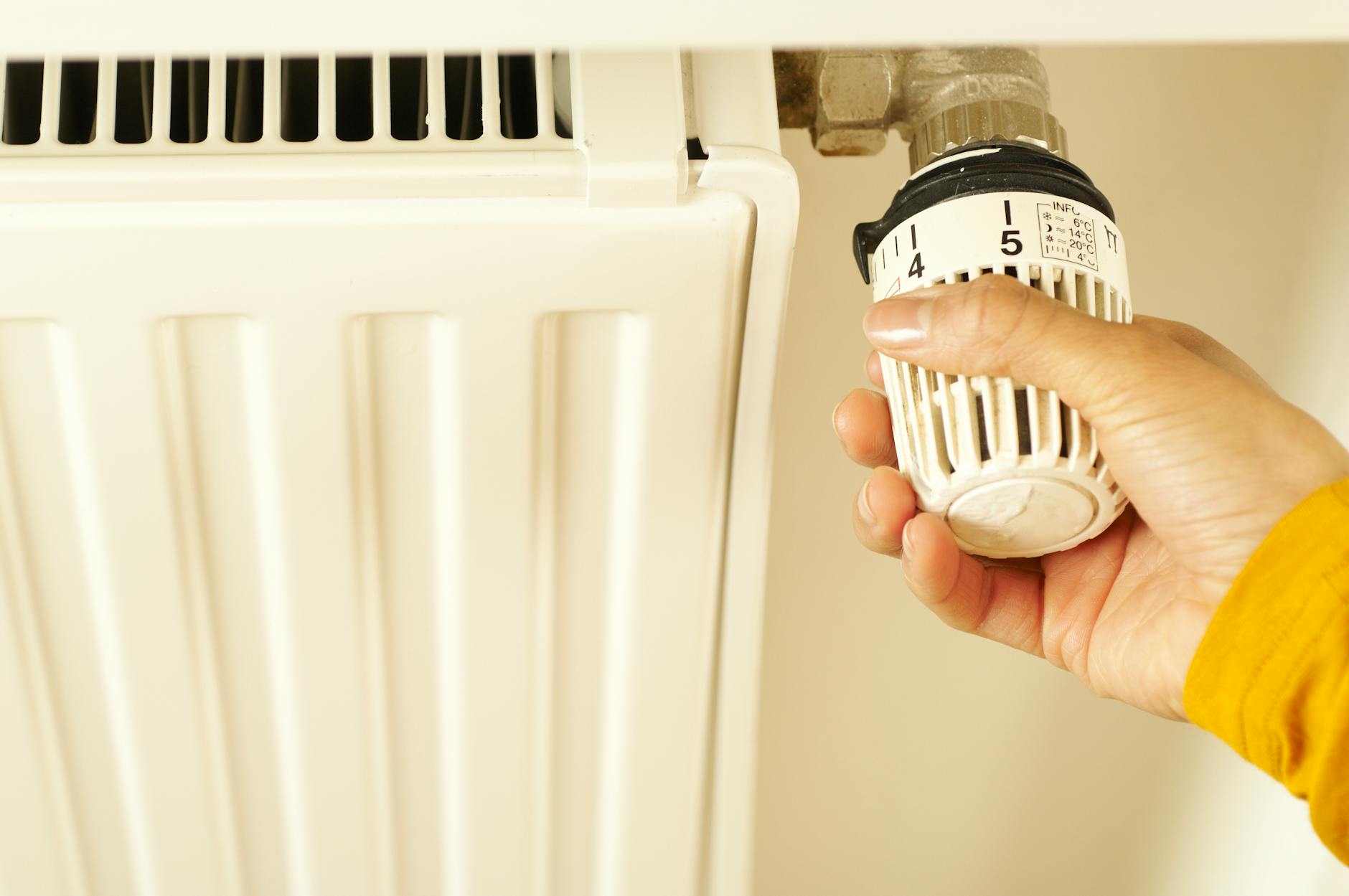
Underfloor heating running cost comparison between electric and wet (hydronic) systems reveals significant differences in both operating expenses and installation infrastructure. While the even warmth rising from stone or tile surfaces appeals to homeowners seeking thermal comfort, understanding the precise financial implications helps determine whether this heating method suits your household budget and existing energy setup. This analysis examines actual per-hour costs, seasonal expenses, and the construction variables that influence your monthly bill, providing specific figures to guide your decision between electric resistance mats and water-based pipe networks.
⚡ In a Rush? Key Takeaways
- Electric systems cost 15–20¢ per hour per 100 sq ft, $30–$45 monthly for a standard bathroom.
- Wet systems run 30–40% cheaper than electric equivalents with efficient boilers.
- Underfloor heating costs 15–25% less than radiators due to lower flow temperatures and better heat distribution.
- ✅ Consider insulation quality, floor coverings, and thermostat precision for efficient operation.
How much does electric underfloor heating cost to run?
Electric systems cost 15–20¢ per hour per 100 sq ft at current rates, translating to $30–$45 monthly for a standard bathroom used four hours daily.
Electric underfloor heating converts electrical resistance directly into thermal energy through cables or mesh mats installed beneath the floor finish. Standard systems operate at 150–200 watts per square meter, which translates to measurable consumption in larger spaces. At the current average residential electricity rate of $0.15 per kilowatt-hour, a 10-square-meter bathroom costs $0.23–$0.30 per hour to operate when maintaining surface temperatures of 27–29°C.
For daily use scenarios, assuming four hours of morning and evening operation, monthly costs range from $28 to $36 for that single bathroom. Larger installations covering 20 square meters in kitchens or living areas generate $55–$75 monthly expenses during heating seasons. Unlike wet systems, electric heating offers immediate response times, reaching target temperatures within 30–60 minutes, which allows precise scheduling that can mitigate overall costs.
Electricity prices fluctuate significantly by region, with some areas charging $0.20–$0.30 per kilowatt-hour, potentially doubling these estimates. Electric systems suit intermittent use in specific zones rather than whole-house primary heating, where operational costs would exceed $300–$400 monthly during winter months. For households tracking expenses through a monthly home cost tracker, these variations become apparent quickly.
Is wet underfloor heating cheaper to run than electric?
Wet systems run 30–40% cheaper than electric equivalents when paired with efficient boilers, though installation costs are significantly higher upfront.
Wet underfloor heating circulates warm water through polyethylene pipes embedded in screed or wooden joist systems. Connected to conventional boilers, heat pumps, or solar thermal systems, these setups leverage the efficiency of gas combustion or heat pump technology. Modern gas boilers achieve 90–95% efficiency ratings, while heat pumps deliver three to four units of heat per unit of electricity consumed.
Operating costs for wet systems depend on fuel type. Natural gas at $0.05 per kilowatt-hour equivalent produces running costs 60–70% lower than electric resistance heating. Even accounting for circulation pump electricity consumption of approximately 60–100 watts, wet systems cost $0.08–$0.12 per hour per 100 square feet when heated by gas boilers.
Heat pump configurations vary more dramatically. Air-source heat pumps achieve coefficients of performance between 2.5 and 4.0, meaning running costs sit 50–75% below direct electric heating, though they perform less efficiently in sub-freezing temperatures. Ground-source systems maintain higher efficiency year-round but require substantial installation land area and higher initial investment.
The trade-off involves installation complexity. Wet systems require professional plumbing, pressure testing, and often floor height increases of 50–75 millimeters to accommodate screed depth, making retrofits expensive and disruptive compared to the minimal profile of electric mats.
Underfloor heating vs radiators: which has higher running costs?
| Option | Key stat | Best for |
|---|---|---|
| Underfloor heating | 15–25% less than radiators | Continuous occupation |
| Radiators | Faster response times | Sporadic use |
Traditional radiator systems heat through convection, circulating water at 60–70°C through steel or aluminum panels. Underfloor heating operates at substantially lower flow temperatures of 35–45°C for wet systems, reducing heat loss through pipes and improving boiler condensing efficiency. This temperature differential creates measurable running cost advantages.
Because underfloor heating distributes warmth evenly across entire floor surfaces, rooms reach comfortable ambient temperatures with lower air temperatures than radiator-heated spaces. Thermostat settings can drop 2–3°C while maintaining equivalent comfort levels, directly reducing energy consumption by 15–25% according to building performance studies.
Radiators also create temperature stratification, with hot air rising to ceilings while floors remain cold, causing heat loss through roof spaces. Underfloor heating maintains more consistent vertical temperature profiles, retaining warmth where occupants actually stand or sit rather than heating unused volumes near the ceiling.
However, radiators offer faster response times for intermittent heating. If you heat a holiday home for weekend use only, radiators reach comfortable temperatures within 15–20 minutes, whereas screed-based underfloor heating requires 2–3 hours to warm from cold starts. For continuous occupation, underfloor heating proves more economical; for sporadic use, radiators may waste less energy during the initial warm-up phase.
What factors determine actual underfloor heating running costs?
Running costs depend on insulation quality, thermostat precision, and floor coverings, with poor insulation potentially doubling operating expenses compared to well-prepared subfloors.
Several variables determine whether your underfloor heating operates at the efficient or expensive end of the cost spectrum. Insulation quality beneath the heating elements proves paramount. Systems installed over uninsulated concrete slabs lose 20–30% of heat downward into the subfloor, effectively warming the ground rather than your feet and requiring 25–40% more energy input to achieve the same room temperature.
Floor coverings significantly impact efficiency. Thick carpets with underlays create thermal resistance of 0.15 m²K/W or higher, forcing systems to work longer to achieve surface temperatures. Stone, ceramic tile, or luxury vinyl tile offer minimal resistance below 0.02 m²K/W, allowing faster heat transfer and lower running costs. Wood flooring sits between these extremes at approximately 0.05–0.08 m²K/W.
Thermostat sophistication influences costs equally. Basic on/off controls maintain wider temperature swings and occasional overheating, while smart thermostats with weather compensation and occupancy sensors reduce operation by 10–15%. External air sensors preventing heat output when sunlight warms rooms can save $50–$100 annually in south-facing spaces.
Room heat loss calculations must match system output accurately. Underspecified systems running continuously at maximum capacity consume more energy than correctly sized units cycling efficiently within their design parameters.
Can you reduce underfloor heating costs without losing comfort?
Lowering the thermostat by one degree saves roughly 10% on heating bills, while programmable timers can reduce annual costs by $100–$200 in an average-sized home.
Strategic operation maximizes underfloor heating efficiency without sacrificing thermal comfort. Zoning represents the most impactful strategy. Installing separate thermostats for bedrooms, living areas, and bathrooms allows occupation-based heating tailored to actual usage patterns. Bedrooms require only 16–18°C for sleeping comfort, while living areas demand 20–21°C. This 3–4 degree differential across zones can reduce whole-house consumption by 20% compared to heating all spaces to the same temperature.
Programming schedules to align with occupancy prevents heating empty spaces. Delaying bathroom heating activation until 30 minutes before morning routines, rather than maintaining overnight warmth, cuts daily costs by 25–30% in that specific zone. Similarly, reducing temperatures during working hours and raising them 30 minutes before return maintains comfort while minimizing waste.
Temperature setbacks during absence also help. Reducing all zones by 3–4 degrees during eight-hour workdays saves approximately 15% on seasonal bills, while maintaining slight warmth prevents the energy-intensive recovery heating needed when returning to cold thermal mass.
For electric systems specifically, utilizing time-of-use electricity tariffs by heating during off-peak hours can halve running costs where such programs exist. This requires either anticipatory programming or sufficient thermal mass in the floor construction to store heat during cheaper periods.
Is the higher installation cost of wet systems worth the savings?
Wet systems typically pay back their higher installation within 5–7 years for whole-house applications, while electric suits smaller retrofit projects with minimal construction disruption.
Evaluating whether underfloor heating justifies its running costs requires distinguishing between new construction and retrofit scenarios. In new builds, wet system installation costs only marginally exceed radiator systems when installed during construction, approximately $15–$25 per square foot versus $12–$18 for radiators. The 30–40% running cost savings typically recoup this difference within 5–7 years for permanently occupied homes.
For retrofits, electric systems offer practical viability despite higher per-unit energy costs. Installation requires only floor level adjustments of 3–6 millimeters for mats, versus 50–75 millimeters for wet systems including screed. If you seek bathroom comfort upgrades or kitchen warmth without whole-house renovation, electric systems provide reasonable payback periods of 8–12 years when used strategically for 3–4 hours daily.
Heat pump compatibility increasingly favors wet systems as grid electricity decarbonizes. While current running costs favor gas in many regions, heat pump efficiency improvements and potential carbon taxation may shift the economic calculus toward wet systems within the next decade. For homeowners considering energy efficiency upgrades, combining wet underfloor heating with insulation improvements maximizes return on investment.
Final considerations for your heating decision
Underfloor heating running cost comparison ultimately favors wet systems for whole-house applications and electric systems for targeted zone improvements. Your specific costs depend on insulation quality, floor finishes, and control sophistication. Calculate your square footage requirements against local energy rates before committing, and recognize that proper installation and smart controls often determine running costs more significantly than the heating technology itself.
📊 Efficiency Verdict
Proper insulation, smart controls, and strategic operation can reduce underfloor heating costs by up to 40% compared to poorly optimized systems.