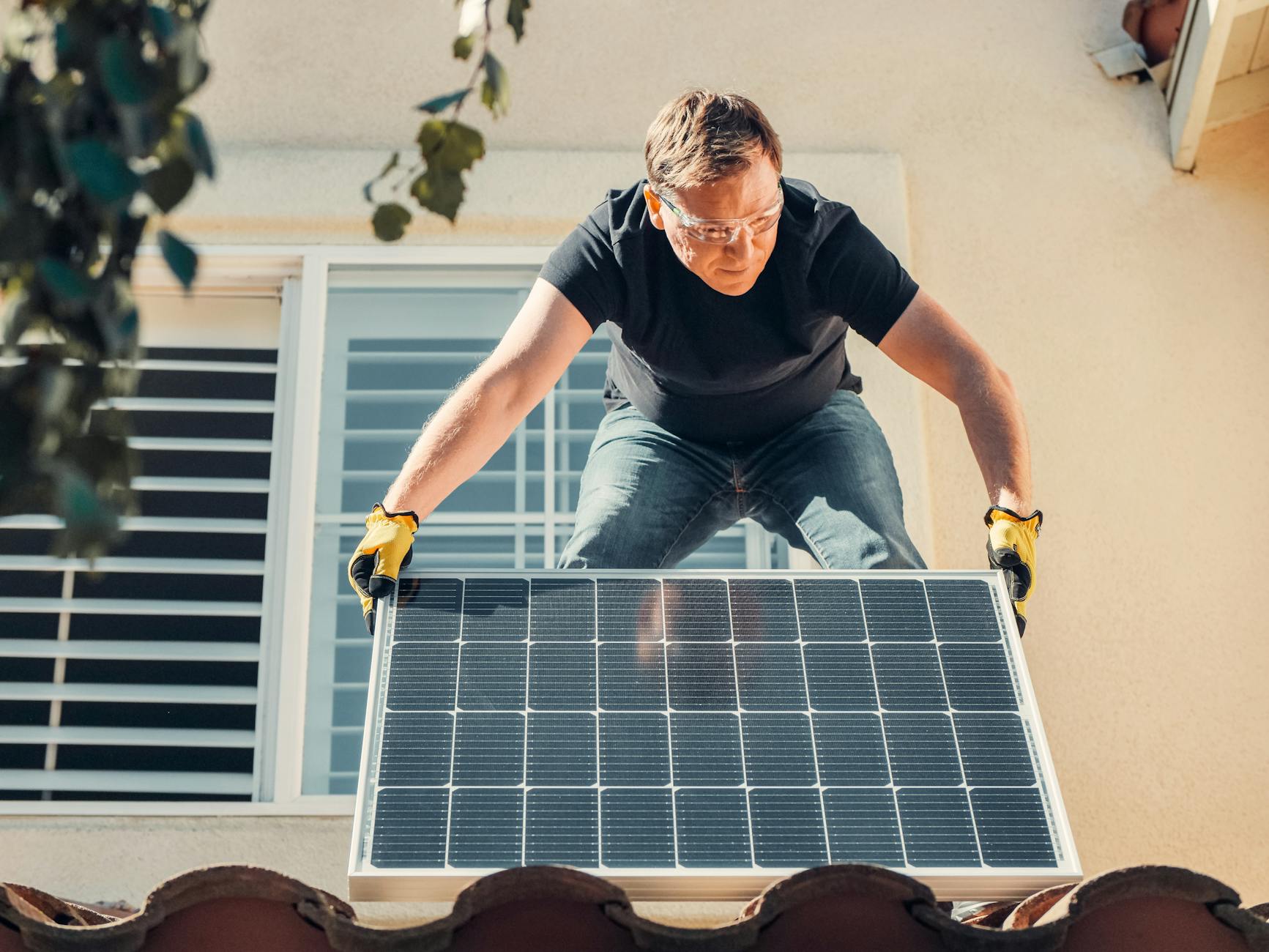
Determining whether photovoltaic panels represent sound fiscal stewardship requires more than optimistic projections. When homeowners search for a solar panel savings calculator UK, they seek a systematic method to weigh upfront capital expenditure against uncertain future energy markets. The mathematics involves three distinct variables: installation costs, generation potential dictated by geography and orientation, and the shifting economics of grid electricity versus export tariffs. Without examining these figures with forensic specificity, one cannot determine whether the investment yields genuine utility or merely fashionable environmental signalling.
How much does a residential solar installation actually cost?
A typical 4kW residential system runs between £6,000 and £8,000 including installation, VAT, and scaffolding, before any grant deductions.
The pricing structure follows a roughly linear progression per kilowatt installed. A modest 3.5kW array suitable for smaller terraces or bungalows typically commands £5,500 to £6,500, while a substantial 6kW system for larger detached properties ranges from £8,000 to £10,000. These figures assume standard monocrystalline panels and exclude battery storage economics, which constitute a separate capital investment. Scaffolding hire accounts for £400 to £800 of this total, varying with property height and access complexity. Your existing consumer unit may require upgrading to accommodate the inverter, potentially adding £300 to £500 if the unit lacks spare ways or RCD protection.
Regional variations persist, with London and South East installers charging ten to fifteen percent premiums over northern England or Wales, reflecting labour costs and scaffolding logistics. When obtaining quotations, insist upon MCS-certified installers to qualify for the Smart Export Guarantee and protect your home finance section from substandard workmanship. Obtain three itemised quotations specifying panel manufacturers, inverter brands, and warranty terms. The inverter, typically warrantied for ten to twelve years but requiring replacement at fifteen, represents a future cost of £800 to £1,200 that prudent calculators should amortise across the system lifespan rather than ignoring.
What annual savings can you realistically expect?
Most UK households save between £400 and £800 annually on electricity bills, depending on panel efficiency, orientation, and daytime usage patterns.
A 4kW array in southern England generates approximately 3,400 to 4,000 kilowatt-hours annually, dropping to 2,800 to 3,200 in Scottish borders. Panel degradation runs at approximately 0.5 percent yearly, meaning a twenty-five-year-old system produces roughly eighty-seven percent of its original capacity. With grid electricity priced near thirty pence per kilowatt-hour, each unit consumed represents tangible savings. However, the critical variable remains self-consumption versus export. You maximise return by using generated power directly—running dishwashers, heat pumps, or charging electric vehicles during daylight—rather than exporting to the grid.
The Smart Export Guarantee (SEG) pays three to fifteen pence per kilowatt-hour for surplus energy, depending upon your tariff. Octopus Energy’s Agile Outgoing occasionally exceeds standard rates during peak demand, while British Gas offers minimal compensation at three pence. Assuming a fifty percent self-consumption rate on a 3,600kWh generation, you avoid purchasing 1,800kWh (£540) and export the remainder for perhaps £90 to £180 annually. Higher daytime occupancy, shift-working patterns, or battery storage shifts this equation substantially toward the £800 upper bound, particularly if you can time heavy loads like immersion heaters or washing machines to coincide with peak generation between ten o’clock and two o’clock.
Solar panel savings calculator UK: how do you map the inputs?
Divide total installation cost by annual net savings (bill reduction plus export income) to determine your payback period, typically eight to twelve years.
The calculation requires precision rather than approximation. Take a £7,000 installation generating 3,600kWh annually with sixty percent self-consumption. Self-consumed electricity saves 2,160kWh multiplied by thirty pence, equals £648. Exported 1,440kWh at eight pence yields £115. Total annual return: £763. Dividing £7,000 by £763 gives 9.2 years to break-even. After this point, savings constitute profit until the inverter requires replacement. However, this simple calculation ignores inflation protection: with electricity prices trending upward at four to five percent annually, your savings compound in nominal terms while the capital cost remains fixed, effectively shortening real-terms payback to seven or eight years.
Maintenance costs require subtraction from gross savings to determine true net yield. Annual professional cleaning costs £100 to £150, though rain often suffices in western regions. Inverter replacement at year twelve adds £1,000 amortised over remaining years. Insurance premium increases for £10,000 of added roof equipment typically run £25 to £50 annually. Over twenty-five years, a system breaking even at year ten generates fifteen years of essentially free electricity worth £12,000 to £15,000 in undiscounted terms, representing an internal rate of return superior to most building society deposits, though inferior to equity markets.
Does the ECO4 scheme reduce your net cost?
ECO4 grants can cover fully funded solar installations for qualifying low-income households, reducing payback to immediate from year one.
The Energy Company Obligation scheme obliges major suppliers to fund efficiency measures for vulnerable households. Unlike the discontinued Feed-in Tariff, ECO4 targets those in fuel poverty with insufficient insulation or heating. If your property falls within EPC bands D to G and you receive qualifying benefits—Pension Credit, Universal Credit, or Income Support—you may receive photovoltaic panels without capital outlay. Local authorities also administer additional grants through the Home Upgrade Grant, particularly in rural areas off the gas grid. Check precise ECO4 grant eligibility criteria before commissioning surveys, as installer availability varies by county.
For non-qualifying households, the Boiler Upgrade Scheme offers £7,500 toward heat pumps but excludes solar specifically, though combined installations sometimes qualify for hybrid grants when heat pump and solar are packaged. Private financing through green loans at three to four percent APR represents an alternative, though interest extends payback periods by two to three years. Some installers offer zero-percent finance over three years, effectively deferring payment until savings materialise, though early settlement fees may apply.
Is south-facing orientation strictly necessary?
While south-facing yields optimum generation, east-west splits reduce output by only fifteen to twenty percent while extending productive hours.
A thirty to forty degree roof pitch facing due south between south-east and south-west captures maximum annual irradiance. However, east-facing arrays produce power during morning peaks when households consume breakfast and heating, while west-facing aligns with evening demand. South-east or south-west orientations sacrifice merely five to eight percent annual generation. Even north-facing roofs on shallow pitches (below twenty degrees) can achieve sixty percent of optimal output, rendering them viable in specific circumstances where consumption patterns match generation timing.
Shading constitutes the greater enemy. Distant chimneys or trees cast minimal impact during winter months, but immediate obstructions from adjacent dormer windows or satellite dishes create disproportionate losses through mismatch effects where one shaded panel restricts an entire string. Micro-inverters or power optimisers mitigate these losses by managing each panel independently but add £400 to £800 to system costs, requiring inclusion in your monthly expenditure tracking tool calculations. Thermal imaging surveys can identify hot spots indicating cell damage from persistent shading.
Should you include battery storage in the calculation?
A 5-8kWh battery adds £3,000-£5,000 to initial costs but increases usable solar fraction from fifty to eighty-five percent, altering payback maths significantly.
Without storage, excess generation exports cheaply during summer afternoons when you cannot consume it, while you purchase expensive grid power winter evenings. A lithium-ion phosphate battery bridges this temporal gap, storing noon generation for six o’clock evening use. The economics favour larger households consuming over 4,000kWh annually with high evening usage, particularly those charging electric vehicles overnight. Smaller flats or those with gas heating struggle to justify the additional capital, as batteries require minimum throughput to degrade gracefully.
Battery longevity warrants scrutiny beyond headline capacity figures. Most guarantee ten years or 6,000 cycles, suggesting replacement once during the panel lifespan. Depth of discharge limitations—typically eighty to ninety percent of stated capacity being usable—reduce effective storage. Calculating payback requires modelling seasonal variation: stored summer surplus extends into autumn evenings, but midwinter generation rarely fills even modest batteries. Realistic utilisation rates hover around eighty percent of theoretical capacity. When combined with time-of-use tariffs charging twenty-five pence versus thirty-five pence at peak, arithmetic shifts toward favouring storage for savvy optimisers willing to manage their consumption actively.
When does solar become uneconomical?
If your roof suffers heavy shading, you rent rather than own, or your electricity consumption falls below 2,000kWh annually, returns diminish below acceptable thresholds.
Renting presents insurmountable barriers. Without freeholder consent and twenty-five year leases, installation proves impossible or financially fraught. Some landlords permit installations with removal clauses at lease end, but legal costs often exceed £500. Similarly, listed buildings or conservation areas often prohibit visible panels, though permitted development rights usually cover rear roof faces not visible from highways. Mortgage lenders increasingly require notification for roof-mounted assets, though outright refusal is rare unless leasehold terms specifically prohibit alterations.
Low consumption households face mathematical impossibility. Fixed installation costs spread across fewer kilowatt-hours inflate payback beyond fifteen years, exceeding inverter lifespans and rendering the investment speculative. Those planning relocation within five years rarely recoup capital through sale premiums, though this varies by regional buyer expectations—solar typically adds two to three percent to property values in southern counties but negligible amounts in northern markets. Finally, deteriorating roofs requiring tile replacement within five years demand sequencing: replace the roof first, or face removing and reinstalling panels at £1,500 expense, a cost that destroys early-year economics.
Before committing capital, model your specific circumstances using systematic tools rather than installers’ optimistic projections. The Monthly Home Cost Tracker allows you to juxtapose solar expenditure against historical utility bills, revealing whether photovoltaic generation genuinely reduces your energy efficiency guides targets or merely redistributes costs across decades with insufficient return.