Night vs Day Electricity Usage Comparison UK: The Honest Cost Breakdown

The distinction between night and day electricity rates represents one of the most misunderstood opportunities for household cost reduction in the United Kingdom. While the concept appears straightforward—pay less when demand is low—the reality involves complex calculations around standing charges, meter types, and lifestyle constraints that determine whether you actually benefit from shifting your consumption to the early hours.

For households grappling with rising energy costs, understanding the night vs day electricity usage comparison uk consumers face requires more than simply checking a box for Economy 7. It demands an honest assessment of when you actually use power, which appliances consume the most, and whether your daily routine permits the rigid scheduling that time-of-use tariffs require.

What is the difference between night and day electricity rates?

Night rates typically cost 10-15p per kWh while day rates range from 30-40p per kWh on time-of-use tariffs, creating a 60-70% price differential that rewards households capable of shifting significant consumption to off-peak hours.

Traditional electricity tariffs charge a flat rate regardless of when you consume power, usually hovering around 27-30p per kWh under the current Ofgem price cap. Time-of-use tariffs, conversely, split the day into distinct pricing zones. The classic Economy 7 meter offers seven hours of cheaper electricity—typically between 11:30 pm and 7:30 am, though exact times vary by region and supplier—followed by seventeen hours of premium daytime pricing.

Modern smart meter-enabled tariffs, such as Octopus Energy’s Agile or Intelligent Octopus, have complicated this binary model by introducing half-hourly pricing that fluctuates based on wholesale market rates. These can occasionally drop to negative pricing during extremely windy nights or surge to 35p per kWh during the teatime rush. For the traditional comparison, however, we focus on the established dual-rate systems that dominate the UK market.

How do time-of-use tariffs work in the UK?

Time-of-use tariffs charge different rates depending on when you consume electricity, with off-peak hours usually running from 11pm to 7am on traditional Economy 7 meters, though regional variations and modern smart tariffs offer more fluid pricing structures.

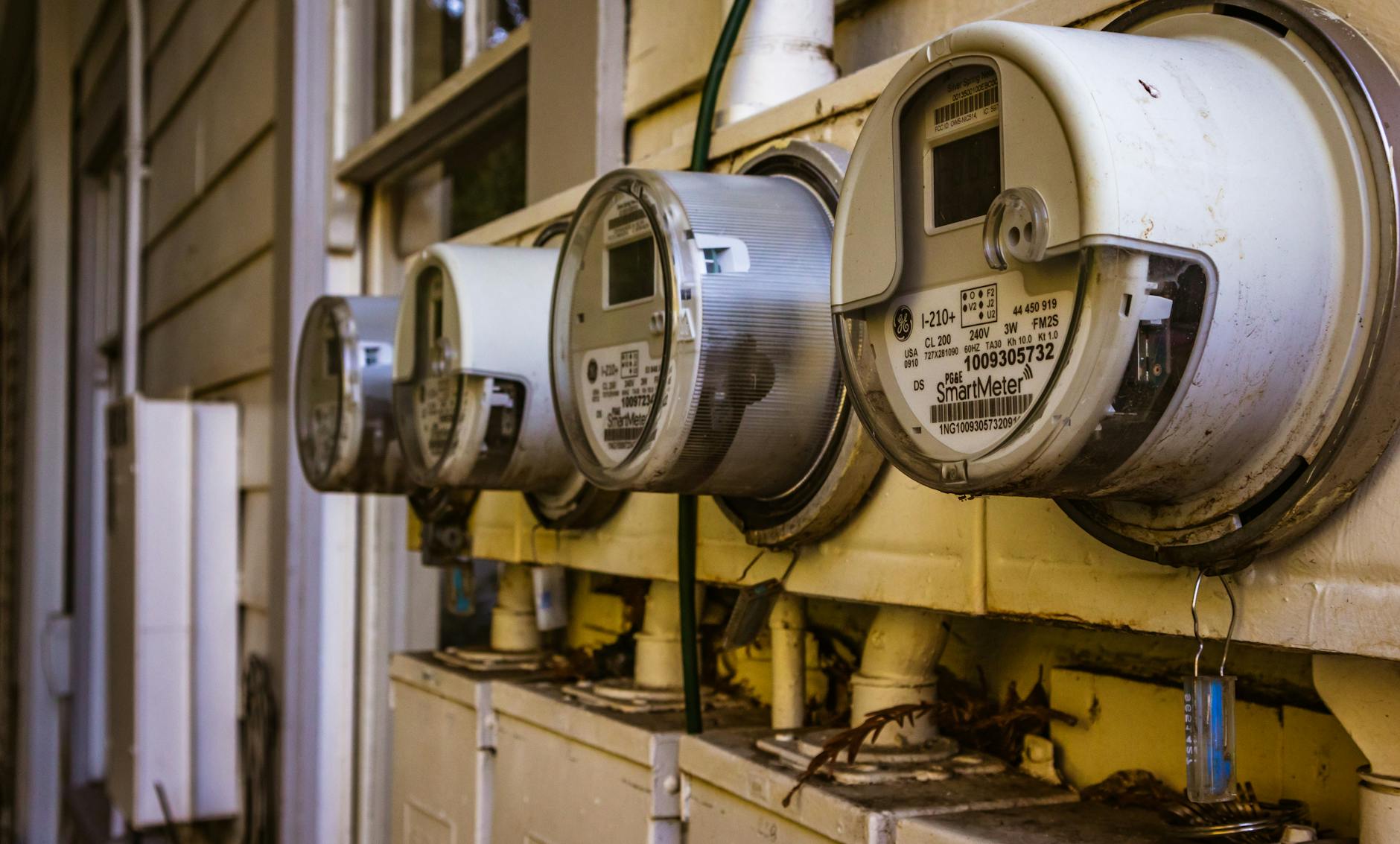
When you sign up for a dual-rate tariff, your meter tracks consumption separately for day and night periods. Legacy Economy 7 installations require a two-tariff meter with separate registers, while smart meters automatically timestamp usage and apply the appropriate rate. The critical detail often overlooked: the standing charge for time-of-use tariffs frequently runs higher than single-rate alternatives, currently averaging 48-52p per day versus 42-46p for standard variable tariffs.

Economy 10 offers a variation providing ten hours of cheaper electricity—three hours in the afternoon, two in the evening, and five overnight—beneficial for those needing daytime heating top-ups. Meanwhile, suppliers like British Gas and E.ON Next have introduced their own interpretations, some requiring smart meters, others maintaining the traditional radio-teleswitch signal that remotely activates night rates.

Economy 7 vs standard variable tariffs: the real cost comparison

A typical household using 60% of electricity at night on Economy 7 saves £150-250 annually compared to standard variable tariffs, but only if usage patterns align; otherwise, the higher daytime rates erode any overnight gains.

Consider a three-bedroom semi-detached home consuming 2,900 kWh annually. On a standard variable tariff charging 30p per kWh with a 45p daily standing charge, the annual cost reaches approximately £1,034. Switching to Economy 7 with night rates of 12p and day rates of 38p, assuming 60% night-time consumption (1,740 kWh), yields a consumption cost of £893 plus the higher standing charge of £190, totaling £1,083—actually £49 more expensive than the standard tariff.

The mathematics only favor Economy 7 when night-time consumption exceeds 65-70% of total usage. For households with electric heating, immersion water heaters, or electric vehicle chargers capable of timer-controlled operation, achieving this threshold becomes feasible. A household shifting 80% of consumption to night hours reduces their bill to roughly £850 annually, creating the £184 saving often advertised. Without substantial high-draw appliances operating exclusively after 11pm, however, the tariff penalizes rather than rewards.

Is it actually cheaper to run appliances at night?

Yes, significantly. Running a standard washing machine cycle at night costs roughly 18p per load versus 54p during peak hours on Economy 7, while a full dishwasher cycle drops from 36p to 12p, assuming 0.6 kWh and 1.2 kWh consumption respectively.

The appliance cost calculator reveals that high-consumption devices deliver the most dramatic savings when shifted to off-peak hours. An 11 kWh electric vehicle charge—the equivalent of 40 miles range—costs £4.18 during the day but only £1.32 at night, a £2.86 saving per charge. For commuters charging three times weekly, this accumulates to £446 annually, offsetting the tariff’s higher standing charges multiple times over.

However, the calculus changes for smaller appliances. Running a laptop for eight hours consumes approximately 0.4 kWh, saving merely 8p by shifting from day to night—not worth disturbing your sleep schedule. Similarly, modern A-rated refrigerators operate continuously regardless of tariff, meaning their consumption splits evenly across price bands, neutralizing potential savings. The real value emerges from wet appliances, heating systems, and EV chargers that can operate on timers without human intervention.

How much can you realistically save?

Heavy shift-workers or EV owners can save £300-400 yearly on time-of-use tariffs, while average households with only occasional night usage typically see £80-120 in annual savings, often insufficient to justify the lifestyle inconvenience.

The saver profile breaks down into three categories. Night owls and shift workers naturally active between 11pm and 7am achieve moderate savings (£120-180) by simply timing their existing habits with cheaper rates. Electric vehicle owners represent the highest beneficiaries (£350-500), provided they install smart chargers capable of scheduled charging. Conversely, families with young children, home workers requiring daytime heating, or those with gas central heating often find their daytime consumption pushes them into net loss territory, paying £50-100 more annually than on standard rates.

Crucially, these figures assume no behavioural changes that compromise comfort. Setting alarms for 2am to start the dishwasher saves money but extracts a cost in sleep quality that most find unacceptable. The genuine savings materialize only when automation—smart plugs, appliance delay timers, or EV smart charging—handles the scheduling without human intervention.

Smart meters and time-of-use tracking

Smart meters enable half-hourly pricing and automatic switching between rates, removing the need for separate night and day meter readings required by legacy Economy 7 systems while providing granular data on consumption patterns.

Unlike traditional dual-rate meters that rely on a radio signal to switch between registers—often failing during signal outages or clock changes—smart meters timestamp every unit consumed and transmit data directly to suppliers. This accuracy comes with privacy considerations but enables sophisticated tariffs previously impossible. The average UK household energy bill analysis shows that smart meter adopters on time-of-use tariffs demonstrate 12-15% higher awareness of consumption patterns, though this awareness does not automatically translate to financial savings.

For those considering the switch, requesting a smart meter installation remains free from major suppliers. The device reveals exactly when your home consumes power, allowing precise calculation of whether Economy 7 or Agile tariffs suit your specific profile before you commit to the higher standing charges.

Which appliances benefit most from night usage?

Electric vehicle chargers, immersion heaters, and dishwashers deliver the highest returns when shifted to night hours, potentially saving £5-8 per week combined, while continuous-drain devices like refrigerators and freezers offer negligible benefits.

The wet appliance category—washing machines, tumble dryers, and dishwashers—represents the low-hanging fruit for households without EVs. Modern machines feature delay-start functions allowing you to load them after dinner but commence cycles at 11:30pm when rates drop. A family running four dishwasher loads and five washing machine cycles weekly saves approximately £3.20 weekly or £166 annually, sufficient to cover the tariff premium if combined with other minor shifts.

Electric heating presents a complex case. Storage heaters explicitly designed for Economy 7 charge overnight and release heat during the day, perfectly aligning with the tariff structure. However, standard electric panel heaters or oil-filled radiators used for daytime supplemental heating quickly eliminate savings through the punishing 38p day rate. Gas central heating, though increasingly expensive, still undercuts electric heating on cost for most households, rendering the night-rate advantage moot for space heating.

The hidden downsides of night-time electricity usage

Night tariffs often carry higher daytime rates and standing charges, meaning if you use more than 40% of electricity during daylight hours, you may pay more than on a standard tariff, while fire safety and noise concerns complicate overnight operation.

The financial trap manifests when households underestimate their daytime consumption. Working from home, retired occupants, or families with children at home during the day inevitably use kettles, toasters, computers, and lighting during expensive hours. Once daytime usage crosses approximately 40% of total consumption, the higher day rate nullifies the night savings.

Safety considerations further complicate the proposition. Fire services strongly discourage operating tumble dryers, washing machines, or dishwashers unattended overnight due to fire risks from lint buildup or electrical faults. Insurance policies increasingly contain clauses voiding coverage for fires originating from appliances operating while occupants sleep. Noise pollution presents another barrier; modern machines operate quietly but not silently, and running a washing machine spin cycle at 2am invites neighborly disputes in terraced or semi-detached housing.

Should you switch to a time-of-use tariff?

Switch only if you can shift at least 50% of your consumption to off-peak hours, own an electric vehicle, or utilize automated timer controls; otherwise, standard fixed tariffs offer better value, predictability, and fewer lifestyle constraints.

Before committing, audit your consumption for one week, noting which high-draw appliances operate when. If your evening routine involves charging an EV, running the dishwasher, and topping up an immersion heater, the numbers likely justify the switch. If your usage scatters randomly throughout daylight hours, resist the marketing promises of savings.

For those uncertain, comparison sites like uSwitch provide calculators that analyze past bills against time-of-use alternatives. Remember that switching back from Economy 7 may require a meter change costing £50-100 if your supplier charges for the service, creating friction that traps households in unfavorable tariffs. The energy efficiency grants available through local councils occasionally cover smart meter upgrades, removing this barrier for qualifying households.

The night versus day electricity equation ultimately reduces to discipline and automation. With sufficient planning and the right appliance ecosystem, the savings prove substantial. Without them, the convenience of using electricity when you actually need it—rather than when the tariff dictates—justifies the modest premium of single-rate pricing.