⚡ In a Rush? Key Takeaways
- Hard water reduces dishwasher lifespan by 2-3 years and increases energy consumption by 15-25%.
- Stainless steel tubs, adjustable rinse aid, and integrated water softeners are key features for hard water.
- A built-in water softener adds £200-400 but prevents £500+ in repairs or replacement.
- ✅ Miele G 7360 SCi offers best hard water protection with 15-20 year lifespan.
Finding the best dishwasher for hard water 2026 requires looking beyond wash cycles and decibel ratings to examine how machines handle mineral-heavy water over time. In regions where calcium and magnesium levels exceed 300 parts per million, standard dishwashers operate less efficiently, consume more energy, and fail prematurely compared to their performance in soft water zones.
The financial implications extend beyond the purchase price. A dishwasher ill-suited to hard water conditions requires more frequent repairs, higher detergent usage, and ultimately earlier replacement. This guide examines which specific features actually matter for mineral-rich water, whether integrated water softeners justify their cost, and which current models offer the best protection against limescale buildup while maintaining reasonable operating costs.
Do dishwashers actually fail faster in hard water areas?
Yes. Limescale buildup on heating elements reduces efficiency by 30% and typically shortens dishwasher lifespan by 2-3 years in hard water regions.
Calcium deposits accumulate rapidly on the heating element and spray arms, creating an insulating layer that forces the machine to work harder to reach optimal temperatures. This thermal inefficiency strains the pump and heating systems, increasing electricity consumption by 15-25% annually. Over 5-7 years, the mineral accumulation can completely block spray arm nozzles, preventing proper water circulation and resulting in poorly cleaned loads that require rewashing.
The rubber seals and gaskets also degrade faster when exposed to constant mineral contact, leading to leaks that often necessitate expensive service calls or total replacement. Manufacturers typically design for average water hardness of 120-150 ppm; exceeding this threshold significantly accelerates wear on critical components.
What specific features separate hard water-capable models?
- Stainless steel tubs
- Integrated water softeners
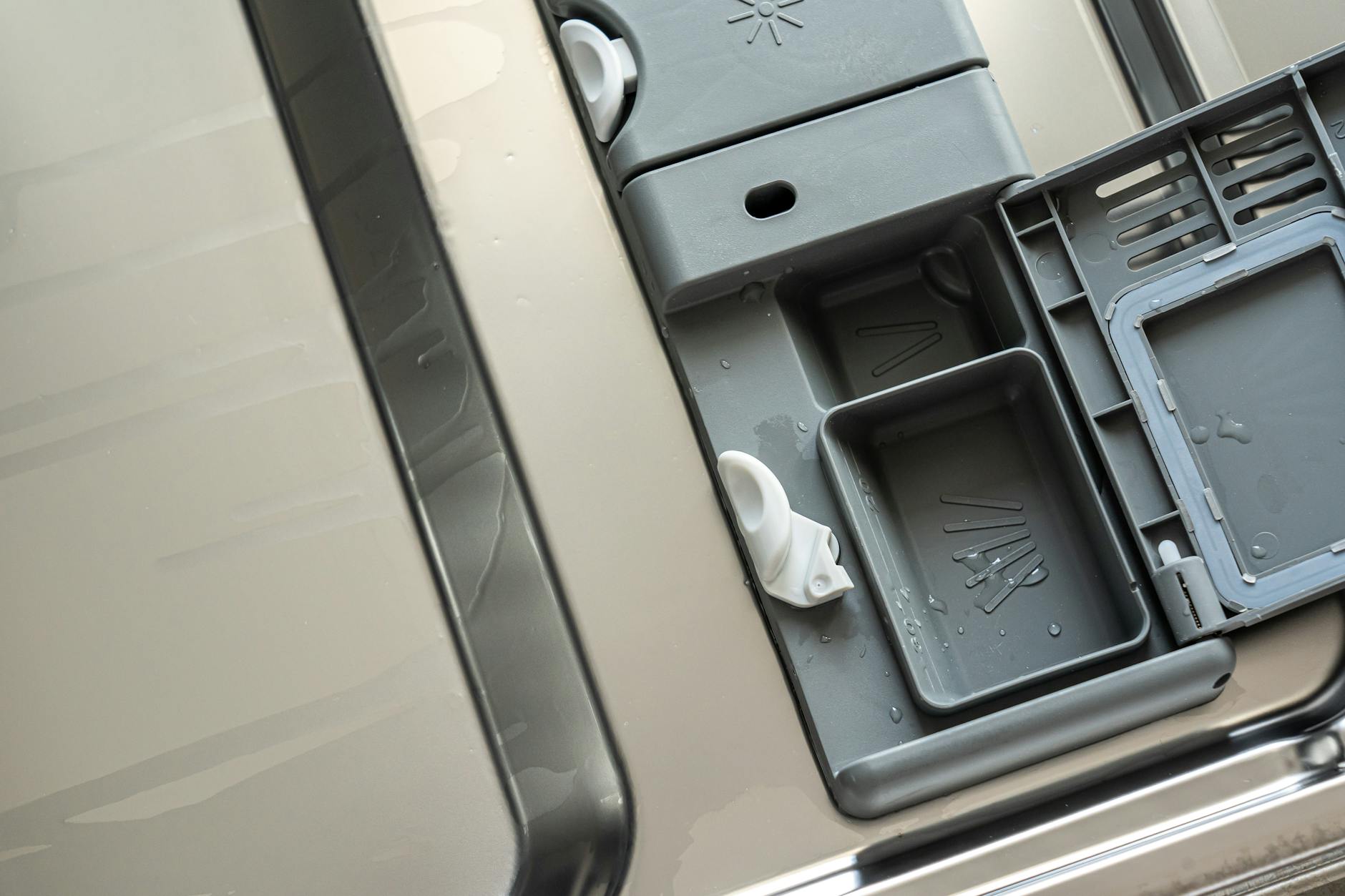
- Adjustable rinse aid dispensers
- Soil sensors
- Triple-filtration systems
Stainless steel interiors resist mineral adhesion far better than plastic tubs, which can develop permanent clouding and porosity that harbors limescale. The smooth, non-porous surface allows for easier cleaning and maintains consistent wash temperatures without absorbing mineral deposits. When selecting a most energy-efficient dishwasher models, prioritize those with stainless tubs specifically rated for very hard water conditions.
Adjustable rinse aid dispensers prove crucial because hard water requires higher concentrations of rinse agent to prevent spotting. Look for models offering six or more dosage settings rather than basic on/off controls. The rinse aid breaks the surface tension of mineral-laden water, preventing the calcium from drying in visible spots on glassware.
Soil sensors that calibrate wash intensity based on water turbidity also help, as they prevent unnecessary re-washing cycles that deposit additional minerals on already-clean dishes. Triple-filtration systems capture food particles before they can bake onto heated elements, a common problem exacerbated by mineral-rich water.
Is a built-in water softener worth the additional cost?
Yes. Integrated softeners add £200-400 to purchase price but prevent limescale damage that causes £500+ in repairs or premature replacement costs.
Dishwashers with built-in ion-exchange softeners regenerate automatically using salt tablets, removing calcium and magnesium before water enters the wash chamber. This protection maintains heating element efficiency at near-factory levels throughout the appliance’s lifespan, preserving the energy ratings advertised on the yellow label. Without such protection, energy consumption typically increases 20% within the first three years of operation in hard water areas.
The mathematics favor upfront investment. A mid-range dishwasher without softening capabilities, priced at £600, often requires £150 service calls for descaling and element replacement by year four, followed by replacement by year seven. The hard water-capable model at £850 typically operates maintenance-free for 10-12 years, saving the replacement cost of an entire appliance plus interim repair expenses.
However, if your home already has a whole-house water softener, the internal dishwasher unit becomes redundant. In such cases, focus instead on models with enhanced filtration and precise temperature controls that preventFlash drying and mineral baking.
Which dishwasher models perform best in hard water zones?
Miele, Bosch 800 Series, and KitchenAid KDTE models offer the best hard water protection through built-in softening and precise temperature controls.
The Miele G 7360 SCi stands apart with its AutoOpen drying and WaterControl system, featuring a built-in softener specifically engineered for water hardness up to 400 ppm. The machine adjusts cycle length and temperature based on real-time mineral detection, using only 6.5 gallons per load despite the additional rinsing required for hard water. At approximately £1,200, the initial investment is substantial, but the expected 15-20 year lifespan in hard water conditions yields the lowest cost-per-year of ownership.
Bosch 800 Series SHE88PZ65N offers CrystalDry technology with Zeolite minerals that absorb moisture while neutralizing hard water effects on drying performance. The InfoLight beam indicates cycle status without opening the door, preventing heat loss that causes mineral spotting. Priced around £950, it lacks a built-in softener but compensates with a stainless steel spray arm design that resists mineral clogging better than competitors.
For those seeking value, the KitchenAid KDTE304KPS includes a ProScrub option with focused spray jets that counteract hard water’s tendency to leave baked-on residue. The heat dry option with fan assist ensures minerals dry in a haze rather than spots when paired with adequate rinse aid. At £750, it represents the entry point for serious hard water capability without premium pricing.
How much does hard water increase annual running costs?
| Factor | Annual Increase | Total Increase (4 loads/week) |
|---|---|---|
| Reduced heating efficiency | £35 | £140 |
| Additional detergent | £25-40 | £100-160 |
| Descaling maintenance | £15-30 | £60-120 |
| Water consumption | Less than £5 | Less than £20 |
Hard water increases annual dishwasher operating costs by £40-75 through reduced heating efficiency, additional detergent requirements, and descaling maintenance. These hidden costs accumulate quickly, often exceeding the price premium of a hard water-capable model within the first three years of ownership. Use our calculate long-term operating costs tool to compare specific models based on your local water hardness report.
Water consumption also increases marginally as machines extend rinse cycles to compensate for mineral-laden water, though this typically adds less than £5 annually to utility bills. The primary financial impact remains energy inefficiency and premature appliance replacement.
Maintenance schedules that protect your investment
Monthly filter cleaning, quarterly descaling cycles, and consistent rinse aid use can extend dishwasher lifespan by 4-5 years in areas with very hard water.
Clean the cylindrical filter beneath the bottom spray arm every 30 days, checking for calcium grit that indicates excessive mineral buildup. Wipe the door gasket with white vinegar monthly to prevent mineral crystallization that causes leaks. Run an empty hot wash with commercial dishwasher descaler every three months, following manufacturer recommendations regarding citric acid versus specialized formulations.
Maintain rinse aid levels above the minimum indicator at all times; the surfactant action prevents mineral etching on glassware and reduces the mineral load on internal components. For machines without built-in softeners, add dishwasher salt to the designated reservoir monthly, even if using all-in-one tablets. These maintenance protocols require approximately 20 minutes monthly but preserve both cleaning performance and energy efficiency.
Install an inline water filter at the supply valve if your model lacks internal softening capabilities. These £40-60 filters capture minerals before they enter the appliance, requiring replacement every six months in very hard water areas. Combine this with a whole-house softener for comprehensive protection that maintains optimal dishwasher performance.
Final considerations for hard water households
Selecting appropriate wash cycles matters as much as the machine itself. Avoid high-temperature pots-and-pans cycles for standard loads, as excessive heat bakes minerals onto dishes. Instead, use auto or sensor cycles that adjust temperature based on soil levels, minimizing unnecessary heat exposure.
Load dishes to prevent water pooling, as standing water evaporates leaving concentrated mineral deposits. Angle glassware to promote drainage, and avoid overcrowding that traps mineral-laden water in cup bottoms. These practices, combined with a properly specified machine, eliminate the cloudy glassware and spotty plates that often lead hard water households to hand-wash items unnecessarily, wasting both time and water.
When evaluating the best dishwasher for hard water 2026, prioritize models with proactive mineral management over those merely claiming “hard water compatibility.” The distinction between surviving hard water and thriving in it determines whether your appliance remains efficient for five years or fifteen.
📊 Efficiency Verdict
Hard water increases dishwasher operating costs by £40-75 annually, making a hard water-capable model with built-in softener a cost-effective investment in the long run.