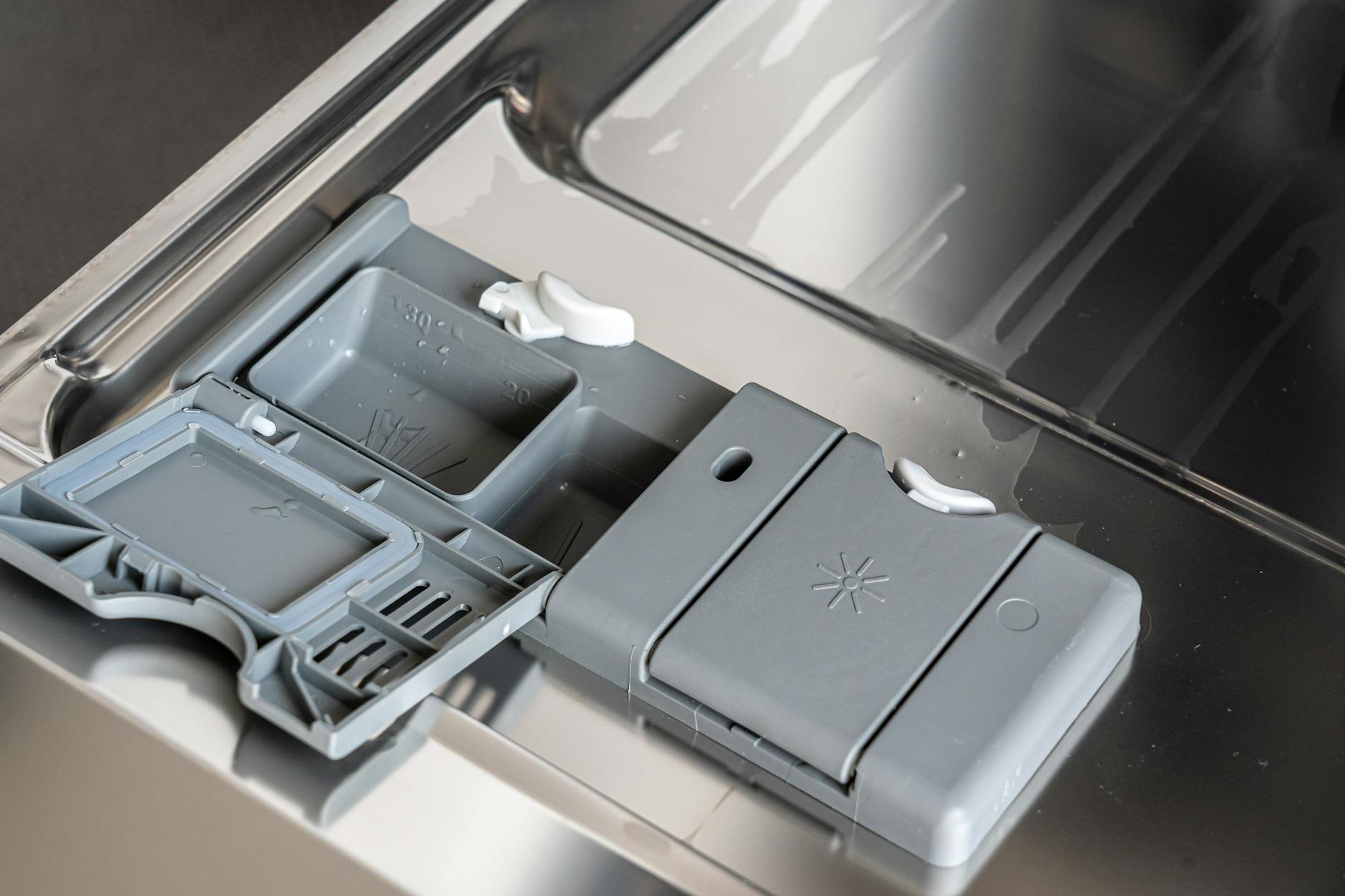
A dishwasher is one of the few appliances that improves with attention. Unlike a refrigerator that merely requires dusting of coils twice yearly, your dishwasher demands fortnightly recognition of its filter. Neglect this small cylindrical component, and you pay in three currencies: re-washed dishes, inflated utility bills, and eventual mechanical failure. I clean mine every three weeks, a rhythm that takes seven minutes and saves roughly forty dollars annually in avoided energy waste and service calls.
⚡ In a Rush? Key Takeaways
- Neglecting the filter leads to 15-20% increased electricity use
- Regular cleaning saves $40/year in energy waste and service calls
- Cleaning takes 7 minutes every 3 weeks
- ✅ Clean your dishwasher filter every 3-4 weeks
What happens if you never clean the dishwasher filter?
Food particles recirculate onto dishes, the pump works harder increasing electricity use by 15-20%, and eventual failure costs $300+ to repair.
How often should you clean the dishwasher filter?
- Every three to four weeks for average use
- Weekly if you cook daily and skip pre-rinsing
- Every two weeks for hard water
The interval depends entirely on your soil load. A household that runs the machine nightly after dinner for four people generates substantially more debris than a single resident who uses it twice weekly. If you adhere to modern dishwasher best practice—scraping plates but not pre-rinsing—your filter captures significantly more particulate matter, necessitating weekly inspection. I maintain a simple recurring calendar reminder for the first Sunday of each month. This prevents the gradual accumulation that leads to odor. Those with hard water may wish to extend this to every two weeks, as mineral scale combines with grease to form a nearly impermeable barrier.
Where is the filter located in most dishwashers?
Typically at the base of the tub, beneath the bottom spray arm. It twists out counter-clockwise on most models, though some pull straight up.
| Option | Key stat | Best for |
|---|---|---|
| European-designed models (Miele, Bosch, Asko) | Two-part system: coarse mesh flat screen covering a cylindrical micro-filter | Users who prefer a more thorough filtration process |
| American models (KitchenAid, Whirlpool, GE) | Single twist-lock canister | Users who prefer a simpler, all-in-one design |
What tools do you need to clean the filter properly?
Warm water, dish soap, a soft brush like an old toothbrush, and a microfiber cloth. No harsh chemicals or wire brushes required.
How do you remove the filter without damaging it?
Twist the cylindrical filter counter-clockwise until it releases, then lift the coarse mesh screen beneath it. Never force it; if stuck, check for a locking tab.
How do you clean the filter step by step?
Rinse under warm water, scrub with soapy brush to remove grease, clear the mesh of trapped particles, and inspect the housing for debris before replacing.
Should you clean the filter housing too?
Yes. Wipe the cavity with a damp cloth to remove standing water and food sludge that bypassed the filter, preventing odor and mold.
How do you know if the filter is clean enough?
Water should run freely through the mesh with no visible food particles or greasy film. The plastic should look dull matte, not shiny with oil.
📊 Efficiency Verdict
Regularly cleaning your dishwasher filter can save you up to $40 per year in energy costs and prevent expensive repairs.
What mistakes ruin dishwasher filters?
Using wire brushes that tear the mesh, forcing the twist mechanism until it cracks, or using bleach which degrades plastic seals over time.
Does a clean filter actually lower your utility bill?
Yes. A clogged filter extends wash cycles by 10-15 minutes and forces heating elements to work harder, adding roughly $2-4 monthly to electricity costs.
Modern dishwashers sense water turbidity. When sensors detect cloudy water due to a dirty filter, the machine extends the wash phase to compensate, sometimes triggering additional rinse cycles. Each extra minute of operation draws 1,200 to 1,500 watts from the heating element. Over a month, this accumulation adds two to four dollars to your electric bill—small individually, but thirty to fifty dollars annually for a task that takes seven minutes. Furthermore, efficient water drainage allows the machine to move precisely through its programmed cycles rather than pausing to retry drainage. For households tracking dishwasher running costs, filter maintenance offers the highest return on time invested of any efficiency measure.
Returning the filter to its housing requires aligning the tabs and twisting clockwise until you feel a distinct click. Reinsert the bottom rack and run a short rinse cycle to verify proper drainage. This monthly ritual, integrated into your kitchen workflow systems, prevents the inefficiency and expense of neglected maintenance. If you are calculating the true cost of appliance ownership, use our Dishwasher Cost Calculator to see how seven minutes of care translates to annual savings.