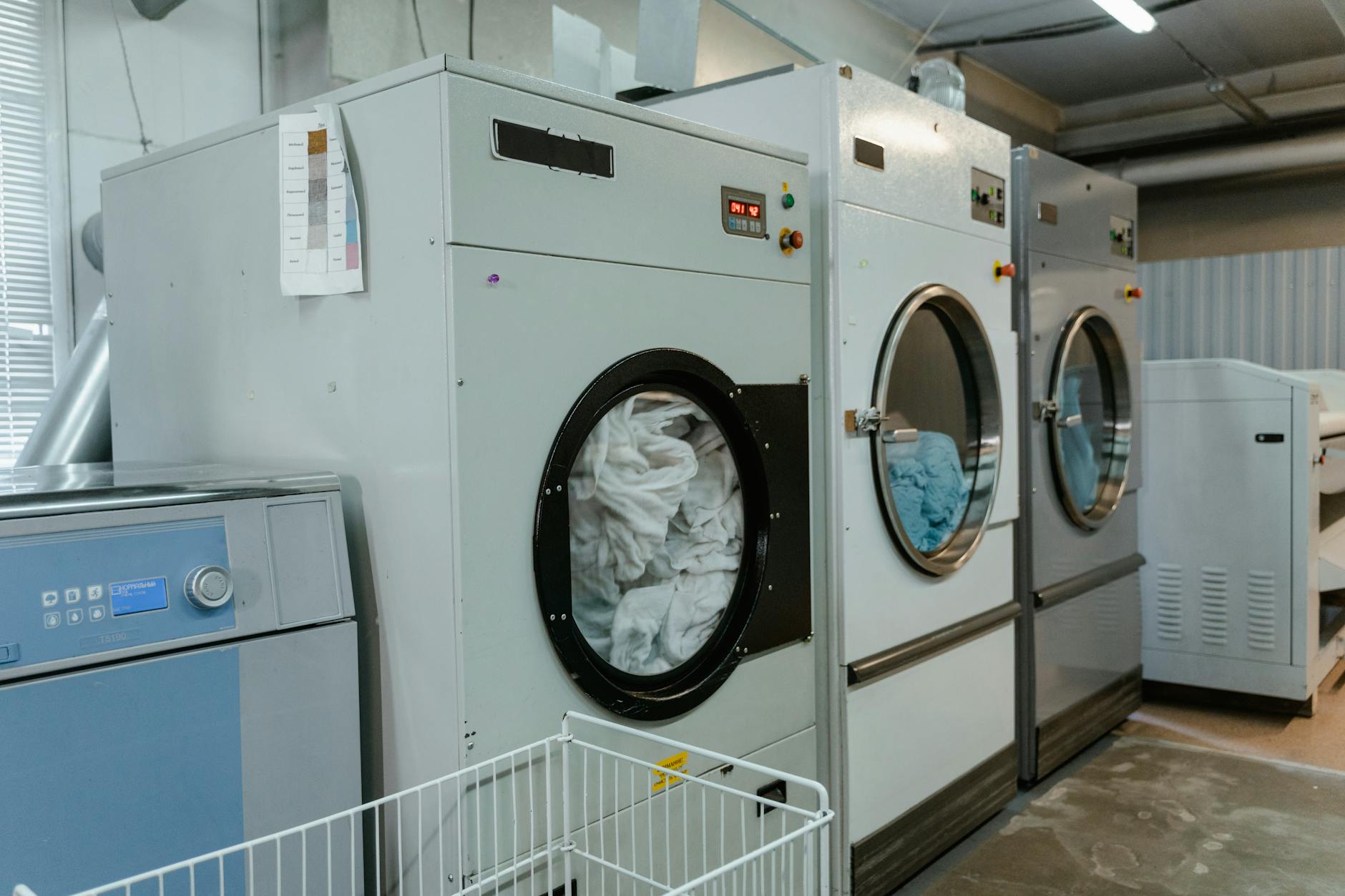
The question of tumble dryer running costs per hour UK households face has shifted from casual curiosity to essential household budgeting. With electricity rates hovering near 30p per kWh under the current Ofgem price cap, understanding the hourly economics of drying clothes has become as important as choosing the right machine. Whether you are managing a vented model in a utility closet or considering the upgrade to a heat pump system, the per-hour expense directly impacts your monthly energy bill. This guide examines the precise costs across dryer types, explains how to calculate your own appliance’s consumption, and compares these figures against the alternatives.
⚡ In a Rush? Key Takeaways
- A standard dryer costs 75p–90p per hour to run.
- A heat pump dryer costs 20p–45p per hour.
- Vented and condenser dryers draw 2.5–3kW, while heat pump dryers use 0.6–1.2kW.
- ✅ Heat pump dryers save 50-70% per load compared to traditional models.
What is the average tumble dryer running cost per hour in the UK?
A standard vented or condenser dryer costs 75p–90p per hour to run, while a heat pump model costs 20p–45p per hour at current UK electricity rates of 30p per kWh.
At the time of writing, the Ofgem energy price cap sets the average unit rate for electricity at approximately 30p per kWh, though this varies slightly by region and tariff. A conventional vented or condenser tumble dryer typically operates using a 2.5kW to 3kW heating element. Multiplying 3kW by 30p gives you 90p for every hour of operation. In practice, most standard cycles run for 90 to 120 minutes, meaning a single load can consume £1.35 to £1.80 of electricity. Heat pump dryers, which use refrigeration technology rather than direct heating elements, draw significantly less power—usually between 0.6kW and 1.5kW depending on the model and load size. This places their hourly running cost between 18p and 45p. While these cycles often run longer to achieve the same dryness, the reduced power draw typically results in a 50-70% saving per load compared to traditional models.
How much does each tumble dryer type cost per hour?
Vented and condenser dryers draw 2.5–3kW, costing 75p–90p hourly. Heat pump dryers use 0.6–1.2kW, costing 18p–36p hourly despite longer cycle times.
| Dryer Type | Power Draw (kW) | Hourly Cost (30p/kWh) |
|---|---|---|
| Vented/Condenser | 2.5–3 | 75p–90p |
| Heat Pump | 0.6–1.2 | 18p–36p |
Understanding the distinction between dryer technologies clarifies why your specific model costs what it does, as detailed in our broader appliance intelligence guides. Vented dryers expel hot, moist air through a hose, requiring a 2.5kW to 3kW heating element to maintain temperature. This high wattage translates directly to that 75p to 90p hourly cost. Condenser dryers function similarly but collect moisture in a tank rather than venting it; they use comparable heating elements and thus incur nearly identical hourly expenses. The heat pump dryer represents a different engineering approach entirely. By recycling hot air through an evaporator and condenser, it achieves drying temperatures using roughly one-third the energy. However, the trade-off is time. Where a vented dryer might complete a cotton cycle in 90 minutes, a heat pump equivalent often requires 150 to 180 minutes. The hourly rate remains lower, but the extended duration means you must calculate total cost per load rather than focusing solely on the hourly figure. For a 2.5-hour heat pump cycle at 0.8kW, you would spend 60p, compared to £1.35 for a 1.5-hour vented cycle.
How do you calculate your specific tumble dryer running costs?
Multiply your dryer’s wattage by your electricity rate per kWh. A 2.5kW vented dryer at 30p/kWh equals £0.75 for every hour of operation.
- Locate the wattage rating on your dryer’s energy label or manual.
- Convert watts to kilowatts by dividing by 1000.
- Multiply by your per-kWh electricity rate.
While manufacturer labels provide estimated annual consumption, your actual costs depend on your specific electricity tariff and usage patterns. To determine your precise hourly rate, first locate the wattage rating on your dryer’s energy label or manual. This figure, usually between 600W and 3000W, represents the maximum power draw during the heating phase. Convert watts to kilowatts by dividing by 1000, then multiply by your per-kWh electricity rate. For example, a 2.8kW machine on a 30p tariff costs 84p per hour. For greater accuracy, consider purchasing an energy monitoring plug, available from most hardware retailers. These devices measure actual consumption over multiple cycles, accounting for the fact that dryers do not draw maximum power continuously; the heating element cycles on and off to maintain temperature. Over three months of tracking, you may discover that your “3kW” dryer actually averages 2.2kW per hour due to thermostat regulation, significantly altering your cost projections.
Is a tumble dryer cheaper than drying clothes indoors?
No. A heated airer costs 30p–50p per hour compared to 75p–90p for a vented dryer, though dryers work faster. Dehumidifier drying costs roughly 15p–25p per hour.
When evaluating whether to run the dryer or hang clothes on an indoor rack, the hourly cost comparison favors passive methods, though convenience differs substantially. A heated clothes airer typically draws 200W to 300W, costing 6p to 9p per hour. However, drying a full load of towels might require 8 to 12 hours, totaling 48p to £1.08—compared to £1.35 to £1.80 for a vented dryer. A dehumidifier, which extracts moisture from the air, costs roughly 15p to 25p per hour but may take even longer to dry clothes completely. While these methods are generally cheaper, they require more time and space, making them less convenient for many households.
📊 Efficiency Verdict
Heat pump dryers offer the most efficient drying, saving 50-70% per load compared to traditional models, though they take longer to complete cycles.