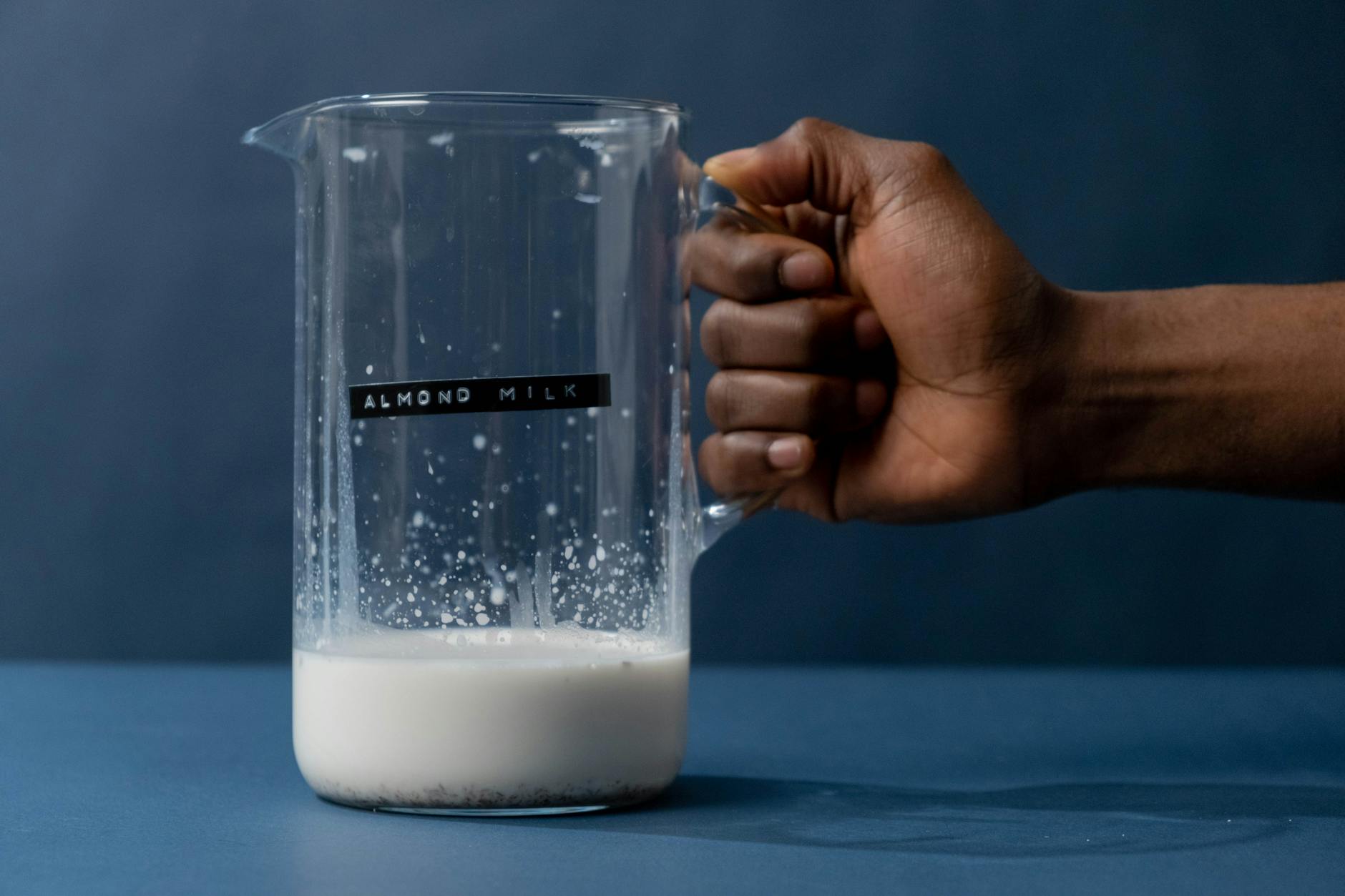
If you have ever wondered why you shouldn’t heat milk in the microwave, the answer lies not in urban myths about radiation, but in the practical mathematics of household efficiency. The microwave promises immediacy, but with milk, that speed courts waste. I have cleaned too many glass turntables slick with boiled-over lactose, and poured too many cups of coffee ruined by that acrid, scalded film. Heating milk is not merely a matter of convenience; it is a calculation of energy efficiency, food waste, and sensory quality. When you understand the actual mechanics of how uneven heating destroys both texture and budget, the stovetop begins to look like the more economical choice—not in spite of its slowness, but because of it.
⚡ In a Rush? Key Takeaways
- Microwaving wastes $0.30-$0.50 per gallon due to scorching and spillage.
- Nutrient loss is minimal, but financial loss is significant.
- Even heating on the stovetop preserves milk and saves money in the long run.
- ✅ Use the stovetop for heating milk to save money and reduce waste.
Does microwaving milk actually destroy nutrients or just waste money?
Microwaving preserves nutrients but wastes approximately $0.30–$0.50 per gallon through scorching and spillage, eliminating any energy savings from the lower electricity draw.
The fear that microwaves “destroy nutrients” is largely unfounded; all cooking methods alter molecular structures, and microwave radiation is no more damaging to vitamins B12 or riboflavin than conventional heating. However, the real damage is financial. When milk scalds in the microwave—an inevitability given the appliance’s uneven heating patterns—you are not merely losing a beverage. At current dairy prices averaging $4.00 per gallon, losing just eight ounces of milk to overflow or scorching represents a $0.25 waste. Over a month of daily coffee preparation, this waste accumulates to $7.50, or $90 annually, simply from discarded milk.
The chemistry of this waste is