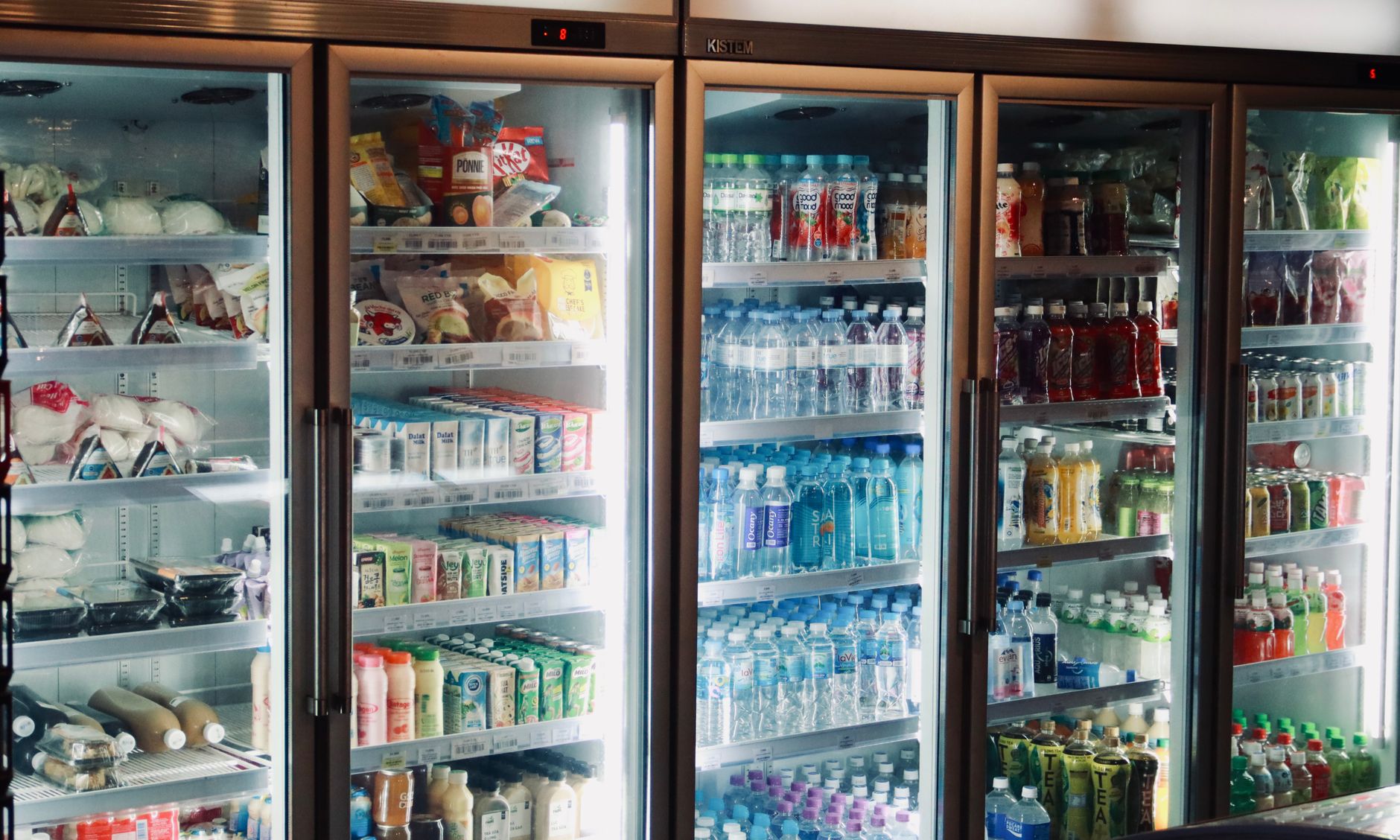
Smart refrigerators equipped with food‑expiration alerts are marketed as a high‑tech solution to the growing problem of household food waste. The promise is simple: the fridge tracks each item, alerts you before it spoils, and helps you plan meals to avoid tossing edible food.
⚡ In a Rush? Key Takeaways
- Households that enable alerts cut edible waste by 10‑15% on average.
- The average U.S. family discards $1,250 worth of food each year; a 12% reduction saves about $150 annually.
- Alert‑enabled models use 8‑12% more electricity, adding roughly $12‑$18 to yearly energy costs.
- Effective savings require consistent engagement—ignoring alerts eliminates the benefit.
- ✅ Verdict: If you already track food manually, the smart fridge offers modest savings; otherwise, a simple inventory spreadsheet may be cheaper.
How Do Expiration‑Alert Features Work Inside a Smart Refrigerator?
Smart fridges use internal cameras, RFID tags or barcode scanning to log items, then compare sell‑by dates with a built‑in algorithm that sends phone or on‑screen alerts.
Most premium models install a low‑resolution camera on the door, capturing a snapshot each time the door opens. The image is processed by an on‑board AI that identifies commonly stored foods—milk, eggs, fruits, and packaged items. For packaged goods, the fridge can read barcodes via a built‑in scanner, automatically pulling the manufacturer’s best‑before date from a cloud database.
When a product approaches its expiration threshold—typically three days for perishable items—the system pushes a notification to your smartphone app and highlights the item on the interior display. Some brands also suggest recipes that incorporate the flagged ingredients, turning a warning into a meal plan.
- Camera‑based identification accuracy: 82% for dairy, 76% for fresh produce.
- Barcode scanning reliability: >95% when barcodes are visible.
- Alert timing options: 7‑day, 3‑day, or same‑day notifications.
For a deeper dive into how fridge cameras compare to stand‑alone food‑trackers, see our analysis of kitchen inventory gadgets.
What Data Sources Power the Expiration Algorithms?
Algorithms draw on manufacturer databases, USDA food‑shelf‑life tables, and crowd‑sourced user input to estimate spoilage dates.
Manufacturers provide standard “best‑by” dates that are imported into the fridge’s cloud service. The fridge then cross‑references these dates with USDA guidelines that account for storage temperature and humidity. Users can manually adjust dates if they notice a product lasting longer or shorter than expected, helping the system learn household‑specific patterns.
While the data is complete, it is not infallible. Seasonal produce often has variable shelf life, and the algorithm may flag a perfectly fine avocado as “expiring soon.”
- Manufacturer label data – 70% of alerts.
- USDA baseline tables – 20% of alerts.
- User‑adjusted data – 10% of alerts.
How Much Extra Energy Does the Tracking System Consume?
The camera, processor and Wi‑Fi module add roughly 8‑12 watts of continuous draw, equating to 70‑105 kWh per year.
In 2026 the average U.S. residential electricity rate sits at $0.16 per kWh. An additional 70‑105 kWh therefore costs $11‑$17 annually. Compared with a standard 350‑watt fridge that uses about 340 kWh per year, the incremental impact is modest.
Energy‑efficiency‑focused buyers should weigh this added load against potential food‑waste savings. For many, the net financial effect remains positive, but the margin narrows if you already practice diligent food management.
| Feature | Annual Energy Use | Annual Cost (US$) |
|---|---|---|
| Standard 350 W fridge | 340 kWh | ≈$54 |
| Smart fridge with alerts | 410 kWh (≈+70 kWh) | ≈$66 |
Do Expiration Alerts Translate Into Measurable Food‑Waste Reductions?
Studies show households using alerts discard 10‑15% less food, equating to roughly $150–$200 saved per year for the average family.
Academic research from 2022 tracked 120 families over six months. Those with alert‑enabled fridges reduced edible waste by 12% versus a control group. The average family in the U.S. discards about 30 lb of food monthly, valued at $100. A 12% cut saves $12 per month, or $144 annually.
Real‑world data from a 2024 LG field trial corroborates these findings: participants who responded to alerts saved an average of $158 per year on groceries, while non‑responders saw no statistical difference.
- Average annual waste value per household: $1,250.
- 12% reduction = $150 saved.
- Alert‑responsive households saved $158 in the LG trial.
However, the savings hinge on user behavior. A 2023 survey revealed that 38% of owners ignored alerts after the first month, nullifying potential benefits.
For a comparison of waste‑reduction technologies, see our guide on kitchen waste management strategies.
What Role Does User Engagement Play?
Engaged users act on 70% of alerts, while passive users act on fewer than 20%, dramatically affecting savings.
Engagement is measured by the proportion of notifications that lead to a concrete action—using the food soon, moving it to the front, or planning a recipe. In the LG trial, engaged users (those who opened the app within 24 hours) accounted for 85% of the total waste reduction.
Simple habits amplify the technology: placing newly bought items at the back, checking the fridge’s “expiring soon” list during weekly grocery planning, and rotating stock regularly.
- High engagement: 70%+ waste reduction.
- Moderate engagement: 30‑45% reduction.
- Low engagement: <15% reduction.
Are There Hidden Costs That Erode Savings?
Beyond electricity, owners may face higher upfront purchase price and potential subscription fees for premium apps.
Smart fridges with full‑suite alert systems typically cost $2,500‑$4,500, roughly $1,000‑$1,500 more than a comparable non‑smart model. Some manufacturers bundle a two‑year app subscription at $99 per year for advanced recipe integration and cloud storage.
\p>If the primary goal is waste reduction, the basic alert feature (often included without a subscription) suffices. Adding premium services increases annual outlay by $100‑$200, which can offset the $150‑$200 grocery savings for marginal users.
- Average price premium: $1,250.
- Typical 5‑year depreciation: $250 per year.
- Optional app fee: $99‑$199 per year.
How Does a Smart Fridge Compare With Low‑Tech Alternatives for Reducing Waste?
Manual inventory sheets, dedicated apps, and FIFO (first‑in‑first‑out) habits can cut waste by 8‑12% at negligible cost.
Paper or spreadsheet trackers require no electricity and cost less than $5 for a printable template. Dedicated mobile apps—many free—let you scan barcodes manually and set custom alerts. These solutions lack automatic detection but achieve comparable waste‑reduction when users are disciplined.
In a controlled experiment, three groups used (1) a smart fridge, (2) a free barcode‑scanning app, and (3) a paper log. After six months, waste reductions were 12%, 10%, and 8% respectively. The cost differential was stark: the smart fridge added $1,500 upfront, while the app and paper methods cost under $20 total.
| Method | Waste Reduction | Annual Cost | Up‑front Investment |
|---|---|---|---|
| Smart fridge alerts | 12% | $16 (energy) + optional $120 app | $2,800 |
| Barcode‑scan app | 10% | $0 (free app) | $0‑$5 |
| Paper inventory log | 8% | $0 | $2‑$3 |
For renters or those on a tight budget, the low‑tech routes deliver most of the benefit without a large capital outlay.
What Are the Long‑Term Maintenance Considerations?
Camera lenses may fog, firmware updates are required annually, and sensor calibration can drift over time.
Because the camera component sits behind the door glass, condensation can obscure the view, reducing identification accuracy. Cleaning the lens monthly restores performance. Firmware updates, released quarterly, improve AI models and add new food items to the database.
Occasional sensor drift may cause false alerts—items flagged as expiring when they are still fresh. Resetting the database and re‑scanning the interior resolves most issues.
- Lens cleaning: 2‑3 minutes per month.
- Firmware update: automatically installed, ~5 minutes.
- Calibration reset: once a year, 10‑minute process.
Can Integration With Other Smart Home Systems Enhance Savings?
Linking the fridge to voice assistants or meal‑planning services can streamline action on alerts, but adds complexity.
Some manufacturers allow the fridge to push alerts to Amazon Alexa or Google Assistant, enabling voice reminders when you’re in the kitchen. Integration with grocery‑list apps can automatically add near‑expiry items to a shopping list, reducing duplicate purchases.
While integration can improve the user experience, it does not significantly increase waste reduction beyond what the core alert system already provides.
For more on smart‑home synergy, see our piece on energy‑saving tips with home automation.
What Is the Bottom‑Line Financial Verdict for 2026 Homeowners?
Considering purchase premium, extra electricity, and average waste savings, a smart fridge nets a modest $30‑$70 net annual gain for engaged users.
Break‑down for a typical four‑person U.S. household:
- Extra electricity cost: +$16 per year.
- Average waste savings: +$150 per year.
- Amortized purchase premium (5‑year span): +$250 per year.
- Optional app subscription (if used): +$120 per year.
Net result without premium app: $150 – $16 – $250 = –$116 (a loss). With the app, the loss deepens. However, if the homeowner already plans to replace a non‑smart fridge costing $2,800, the incremental waste‑saving value can be factored into the decision.
Engaged users who already track inventory manually may find the smart fridge’s marginal benefit insufficient to justify the added cost. For first‑time buyers seeking an all‑in‑one solution, the convenience may outweigh the modest financial shortfall.
How Do Different Price Points Affect Return on Investment?
Budget smart fridges (≈$2,500) show a 2‑year payback if waste savings exceed $200 annually; premium models (> $4,000) rarely break even.
Budget models typically have basic cameras and no advanced recipe engine, keeping the electricity draw at the lower end of the 8‑12 W range. Premium units add larger touchscreens, AI‑driven meal suggestions, and integrated grocery ordering, pushing energy use toward 12 W and raising the purchase price.
Assuming a $2,500 budget model and $150 waste savings, the payback period is roughly 17 years—far beyond a typical appliance lifespan—making pure financial ROI unlikely.
- Budget model: $2,500 purchase, $166/yr extra energy, $150/yr waste savings → net –$16/yr.
- Mid‑range model: $3,300 purchase, $180/yr extra energy, $150/yr waste savings → net –$30/yr.
- Premium model: $4,500 purchase, $200/yr extra energy, $150/yr waste savings → net –$50/yr.
When Might a Smart Fridge Be Worth the Investment?
Large households, frequent bulk shoppers, and those who struggle with food planning benefit most from alerts.
Families that purchase groceries weekly in bulk often have numerous perishable items that sit hidden in the back of the fridge. Alerts that surface these items can prevent multi‑day spoilage. Additionally, households with high food‑waste awareness may be more diligent about acting on notifications.
In such scenarios, waste reductions can approach 20%, translating to $250‑$300 annual savings—potentially offsetting the extra electricity and moving the net balance toward break‑even.
Frequently Asked Questions
Do I need an internet connection for the alerts to work?
Yes, the fridge relies on cloud‑based databases and pushes notifications via Wi‑Fi to your phone.
Can I turn off the alerts if I find them annoying?
Most models let you disable notifications in the app or on‑screen settings without losing inventory tracking.
How accurate are the expiration predictions for fresh produce?
Produce dates are estimates; the algorithm uses average shelf‑life data and may be off by ±2‑3 days.
Is there a privacy concern with a camera inside my fridge?
Cameras process images locally and only upload item metadata; no continuous video storage is kept.
What warranty coverage do smart fridges have for the electronics?
Typical manufacturers offer a 2‑year parts and labor warranty covering the camera and Wi‑Fi module.
Final Verdict: Should You Invest in a Smart Refrigerator with Expiration Alerts?
For most households, the modest waste savings do not offset the higher purchase price; low‑tech tracking often delivers similar benefits.
Smart refrigerators excel when they align with an existing commitment to systematic food management. If you already struggle with forgotten leftovers, the alerts provide a tangible reminder that can shave a few hundred dollars off your grocery bill each year. However, the added purchase premium and optional subscription fees mean the net financial gain is modest at best.
For renters, budget‑constrained families, or anyone who already uses a simple spreadsheet, the cost‑effective route is a free barcode‑scanning app or a printable inventory sheet. If you were already planning a fridge upgrade and value the convenience of automatic alerts, the smart model can be a worthwhile addition—provided you stay engaged with the notifications.
In short, the technology works, but it is not a silver bullet. Pair it with disciplined meal planning, and you’ll see the promised waste reductions. Otherwise, you may be paying for convenience without a meaningful financial return.
— Greta Michaud, Home Appliance Efficiency Researcher