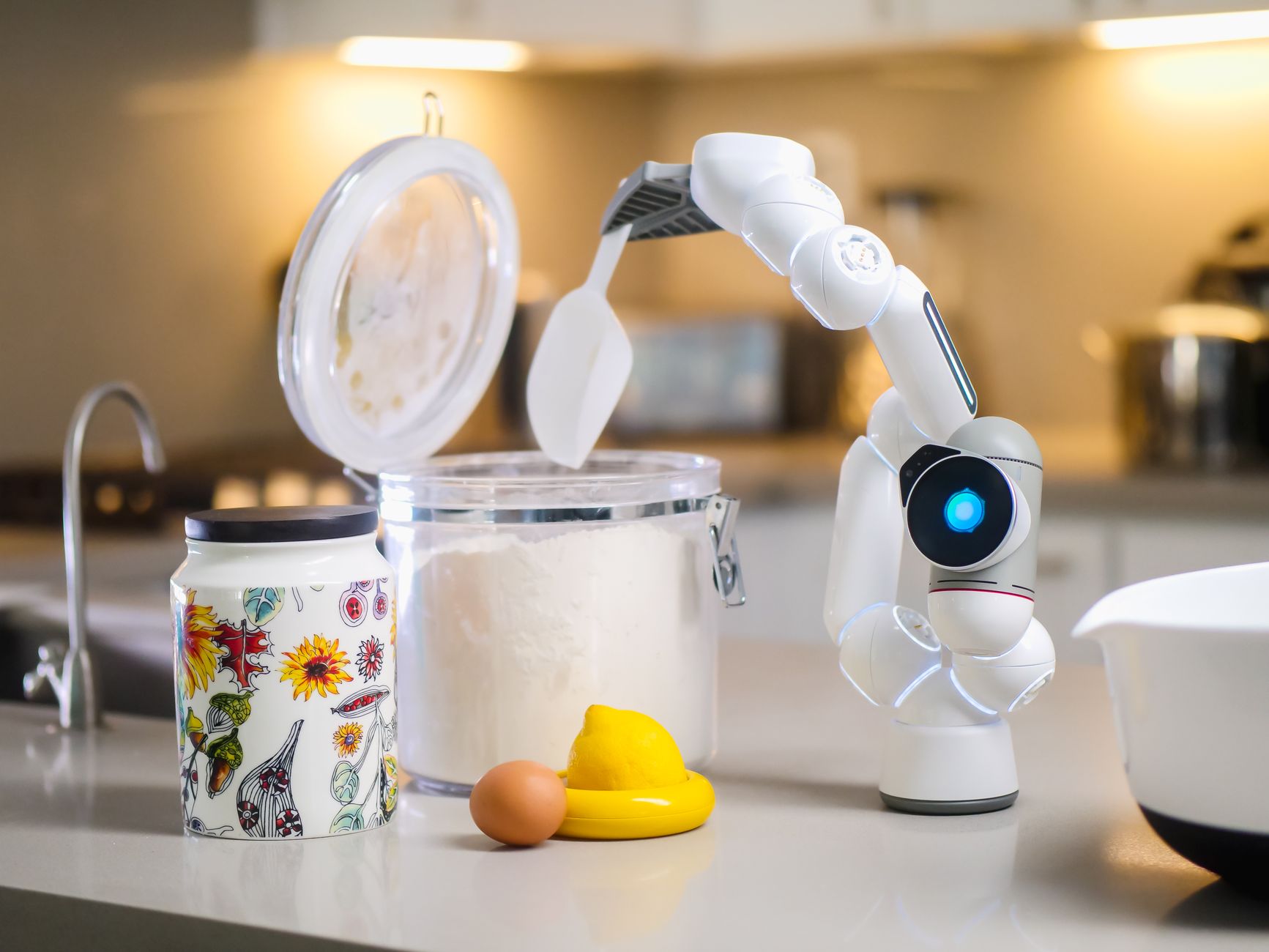
Finding kitchen tools that truly speed up meals without inflating the energy bill can feel like hunting for a needle in a haystack. Below, I break down the smartest gadgets that actually deliver measurable efficiency gains for a busy household.
⚡ In a Rush? Key Takeaways
- Air‑fryer‑oven combos cost $0.03–$0.07 per 30‑minute use at the US average rate.
- Instant‑pot‑style pressure cookers shave 40‑60% of cooking time, cutting energy use by up to 0.65 kWh per meal.
- Smart induction hobs use 15‑30 W for standby versus 120‑250 W for traditional electric coils.
- Wi‑Fi‑enabled sous‑vide circulators run 0.6‑0.9 kWh per hour, roughly $0.09 per 2‑hour cook.
- ✅ Verdict: The multi‑function air‑fryer‑oven delivers the best blend of speed, versatility and lowest cost per use.
How Do Smart Cooking Gadgets Reduce Kitchen Energy Use?
Smart gadgets cut cooking energy by 15‑60% through precise timing, targeted heating and reduced standby draw.
Most modern appliances are equipped with sensors that modulate power based on temperature feedback. This prevents the long‑lasting “heat‑and‑wait” cycles that older models rely on. Sensors also allow the device to anticipate when a set point will be reached, reducing overshoot.
For a family that prepares three meals a day, a 20‑minute reduction in heating time adds up to roughly 4‑5 kWh saved each month at a 24 p/kWh UK rate – about £1.20. Over a year that translates to more than £14 in avoided electricity costs, plus a measurable reduction in the household’s carbon footprint.
What Role Does Precise Temperature Control Play?
Sensors keep the cooking zone within ±2 °C of the target, avoiding excess heat and cutting energy by up to 30%.
Induction hobs with built‑in temperature probes stop heating the pan as soon as the set point is reached. The result is a shorter boil time and less wasted electricity. Because the energy is applied directly to the cookware instead of heating a large element, the overall draw is markedly lower.
- Boiling 1 L of water on a smart induction hob: 0.08 kWh vs 0.15 kWh on a conventional electric coil.
- Maintaining a simmer for 10 min uses 0.12 kWh on a smart hob, 0.25 kWh on a traditional model.
- Overall kitchen standby draw drops from 5 W to under 1 W with smart power‑off features.
Which Gadgets Offer the Best Standby Power Savings?
Devices that fully power down when idle save 2‑4 W, equating to $10‑$20 annual savings per appliance.
Smart plugs integrated into appliances automatically cut power after cooking cycles finish. This eliminates the “vampire” draw that can total 300‑700 W across a typical household. The cumulative effect of a few devices each shedding just a couple of watts is surprisingly large over a year.
- Smart rice cookers – 0.3 W standby vs 3 W on manual models.
- Wi‑Fi pressure cookers – auto‑shutdown after 30 min idle.
- Connected air fryers – power‑off timer prevents overnight heating.
How Does Real‑Time Energy Monitoring Boost Efficiency?
On‑device dashboards let you see kWh per cycle, helping you adjust settings for optimal cost per use.
Many newer models pair with companion apps that display instant energy consumption. Seeing that a 15‑minute pressure‑cook uses 0.65 kWh, for example, prompts users to batch‑cook or trim idle time. When the data is visual, the habit of “leaving it on longer than needed” disappears quickly.
- Apps often color‑code high‑use vs low‑use cycles, nudging users toward the most efficient settings.
- Some platforms let you set cost thresholds, sending alerts if a cycle exceeds a preset budget.
- Data can be exported to home‑energy monitors for whole‑house analysis.
Which Smart Cooking Gadgets Provide the Highest Cost‑Per‑Use Efficiency?
Air‑fryer‑oven combos, pressure‑cookers and smart induction hobs top the cost‑per‑use efficiency rankings for 2026.
Below is a comparison table that captures the average energy consumption per typical use cycle, the associated cost in US dollars (average $0.16/kWh) and the weekly operating expense for a family cooking five meals.
| Gadget | kWh per use | Cost per use | Weekly cost (5 uses) |
|---|---|---|---|
| Air‑fryer‑oven combo (30 min) | 0.45 | $0.07 | $0.35 |
| Smart induction hob (boil 1 L water) | 0.08 | $0.01 | $0.05 |
| Wi‑Fi pressure cooker (15 min high pressure) | 0.65 | $0.10 | $0.50 |
| Connected sous‑vide circulator (2 hr 58 °C) | 1.20 | $0.19 | $0.95 |
| Smart multi‑cook microwave (defrost 5 min) | 0.12 | $0.02 | $0.10 |
How Does an Air‑Fryer‑Oven Stack Up Against Traditional Ovens?
A 45‑minute air‑fryer‑oven cycle uses 0.45 kWh, roughly 70% less energy than a conventional electric oven for the same dish.
Traditional ovens must preheat and then maintain a large thermal mass, which wastes heat. The convection‑focused air‑fryer oven circulates hot air efficiently, reaching cooking temperature faster. Because the interior volume is smaller, less heat escapes into the kitchen, reducing the need for additional cooling on hot days.
- Energy saving per roast: 1.5 kWh → $0.24 per meal.
- Time saved: 15‑20 min less preheat.
- Reduced kitchen heat: lower cooling load in summer.
What Are the Real‑World Savings of a Smart Pressure Cooker?
Pressure cooking cuts cooking time by 40‑60%, translating to 0.4‑0.6 kWh saved per pot of stew.
Because water reaches higher temperatures under pressure, dishes that normally simmer for 90 minutes finish in 30‑45 minutes. The reduced heat exposure directly reduces electricity use, and the shorter cooking window also frees up stovetop space for other tasks.
- Beef stew (2 hr simmer) → 0.90 kWh saved.
- Beans (overnight soak, 30 min pressure) → $0.05 per batch.
- Chicken curry (45 min) → 0.35 kWh less than stovetop.
Can a Smart Sous‑Vide Be Energy‑Efficient for Small Families?
Sous‑vide circulators use 0.6‑0.9 kWh per hour, making them less efficient for quick meals but ideal for precision cooking.
If you only need a short 30‑minute low‑temp cook, the energy cost can outweigh the benefits. However, when planning batch cooking—say, cooking several chicken breasts for the week—the consistent temperature and hands‑off operation mean you can set it and forget it, avoiding the need for multiple stovetop burners.
- 2‑hour steak cook: 1.2 kWh → $0.19.
- Batch‑cook 4 servings of pork: same energy, but eliminates 0.8 kWh from oven use.
- Tip: Use a lid or insulated container to reduce heat loss by up to 15%.
How Can Busy Families Integrate These Gadgets Without Adding Complexity?
Most smart gadgets sync with Alexa or Google Home, letting you start, stop or monitor cooking via voice or app.
Integration is key; a cluttered app ecosystem can erode the time‑saving benefit. Look for devices that share a common platform or support IFTTT routines. A unified dashboard also helps you track cumulative cost per use, turning raw kWh numbers into actionable budgeting insight.
Which Platforms Offer the Simplest Unified Control?
Alexa Smart Home and Google Assistant each support over 150 kitchen devices with single‑app management.
Choosing a brand that offers a native app hub (e.g., the “Smart Kitchen” app) reduces the number of log‑ins you need to remember. These hubs typically surface a “energy usage” tab where you can see weekly totals for each appliance.
- One‑tap “Start Dinner” routine: pre‑heat air‑fryer, set pressure cooker, turn on induction hob.
- Automated notifications when a cycle finishes, preventing over‑cooking.
- Energy‑usage dashboards in the app show per‑device cost per use.
How Do I Keep Maintenance Simple for Smart Devices?
Most smart gadgets require monthly firmware updates and occasional sensor cleaning; the time investment is under 5 minutes.
Regularly wiping the sensor window on a sous‑vide circulator and checking the air‑fryer filter prevents performance drift and keeps the calculated cost per use accurate. A quick visual check after each use also catches food splatter before it hardens.
- Air‑fryer: clean the crumb tray weekly – 2 min.
- Induction hob: wipe the glass surface after spills – 1 min.
- Pressure cooker: inspect the sealing ring every 30 cycles – 3 min.
What Routine Can Streamline Multiple Devices at Once?
A nightly “prep‑for‑tomorrow” routine can launch several appliances with a single voice command.
Set a routine that starts the air‑fryer to pre‑heat, the pressure cooker to begin a stew, and the induction hob to bring a pot of water to a boil—all triggered by “Alexa, dinner prep.” This reduces the mental load and ensures each device runs at its most efficient point in the workflow.
- Sync start times so the oven finishes just as the stew is ready.
- Use the app’s “pause” feature if you need to adjust timing on the fly.
- Log the total kWh used for the routine to see cumulative savings.
What Should I Look for When Buying Smart Cooking Gadgets in 2026?
Prioritise ENERGY STAR rating, app compatibility, and a transparent cost‑per‑use calculator in the device’s companion app.
Beyond headline features, scrutinise the actual energy consumption data provided by independent labs. Many manufacturers quote ideal‑condition numbers that overstate efficiency. Look for third‑party testing seals or published lab results that reflect real‑world usage.
How Important Is the New EU Energy Label for US Buyers?
The 2021 EU label restructuring means A‑rated appliances now meet stricter performance thresholds, useful as a benchmark worldwide.
Even though the label is European, many US models adopt the same testing methodology. An “A” rating today often correlates with a 20‑30% reduction versus older “B”‑rated units. When a product lists an EU label, verify that the testing lab matches recognized bodies like Eurovent or Energy Star.
- Air‑fryer‑oven A rating: 0.45 kWh/30 min.
- Older model B rating: 0.85 kWh/30 min.
- Annual savings at 5 uses/week: $31 vs $58.
Which Features Are Worth Paying a Premium For?
Features that automate power‑off, provide real‑time energy readout, and integrate with voice assistants offer the best ROI.
These capabilities directly reduce wasted electricity and simplify scheduling, which is the core value for busy households. Premium models often also include better insulation, quieter fans, and more durable cooking surfaces, extending lifespan and reducing repair costs.
- Real‑time energy readout – know exact kWh per cycle.
- Automatic power‑off after completion – eliminates standby draw.
- Voice‑activated start/stop – frees up hands for prep work.
Is Warranty Length a Meaningful Metric for Smart Appliances?
A three‑year warranty covering parts and firmware updates safeguards the investment and reduces hidden repair costs.
Short‑term warranties often exclude electronic components that are most likely to fail in smart devices. Look for extended coverage that specifically mentions “software updates” and “sensor calibration.” This ensures that the energy‑efficiency data stays accurate throughout the product’s life.
- Standard 1‑year warranty: limited to mechanical failures.
- Extended 3‑year warranty: includes firmware and sensor drift protection.
- Cost‑benefit: $30‑$50 extra can save $100‑$150 in repair fees over the appliance lifespan.
FAQ
How much does an air‑fryer‑oven cost per use compared to a traditional oven?
Typical air‑fryer‑oven use costs $0.07 per 30‑minute cycle, versus $0.24 for a conventional oven.
Can I monitor the exact energy use of each smart gadget?
Most premium models include an app‑based meter that logs kWh per cycle, updating in real‑time.
Do smart kitchen gadgets actually lower my monthly electricity bill?
When combined, the top five gadgets can shave 4‑6 kWh per week, saving roughly $6‑$9 per month at the 2026 average rate.
Is it worth buying a smart sous‑vide when I already have a pressure cooker?
Sous‑vide offers precise low‑temp cooking but uses more electricity per hour; it excels for steak or egg dishes where texture matters.
What maintenance steps keep my smart devices running efficiently?
Monthly firmware updates, weekly filter cleaning and periodic sensor checks ensure the device stays within its rated energy range.
Bottom Line: Which Smart Gadget Delivers the Best Efficiency for Busy Households?
The air‑fryer‑oven combo provides the lowest cost per use, highest versatility and the strongest integration with voice assistants.
Its ability to replace a traditional oven, toaster‑oven and deep‑fryer in one compact unit means you consolidate appliances, reduce standby load and simplify daily cooking routines. Pair it with a smart pressure cooker for quick stews and a connected induction hob for rapid boiling, and you’ll cover the majority of family meals while keeping energy costs under tight control.
For a household budgeting both time and money, investing in these three core smart gadgets yields the strongest overall efficiency gains.
— Greta Michaud, Home Appliance Efficiency Researcher