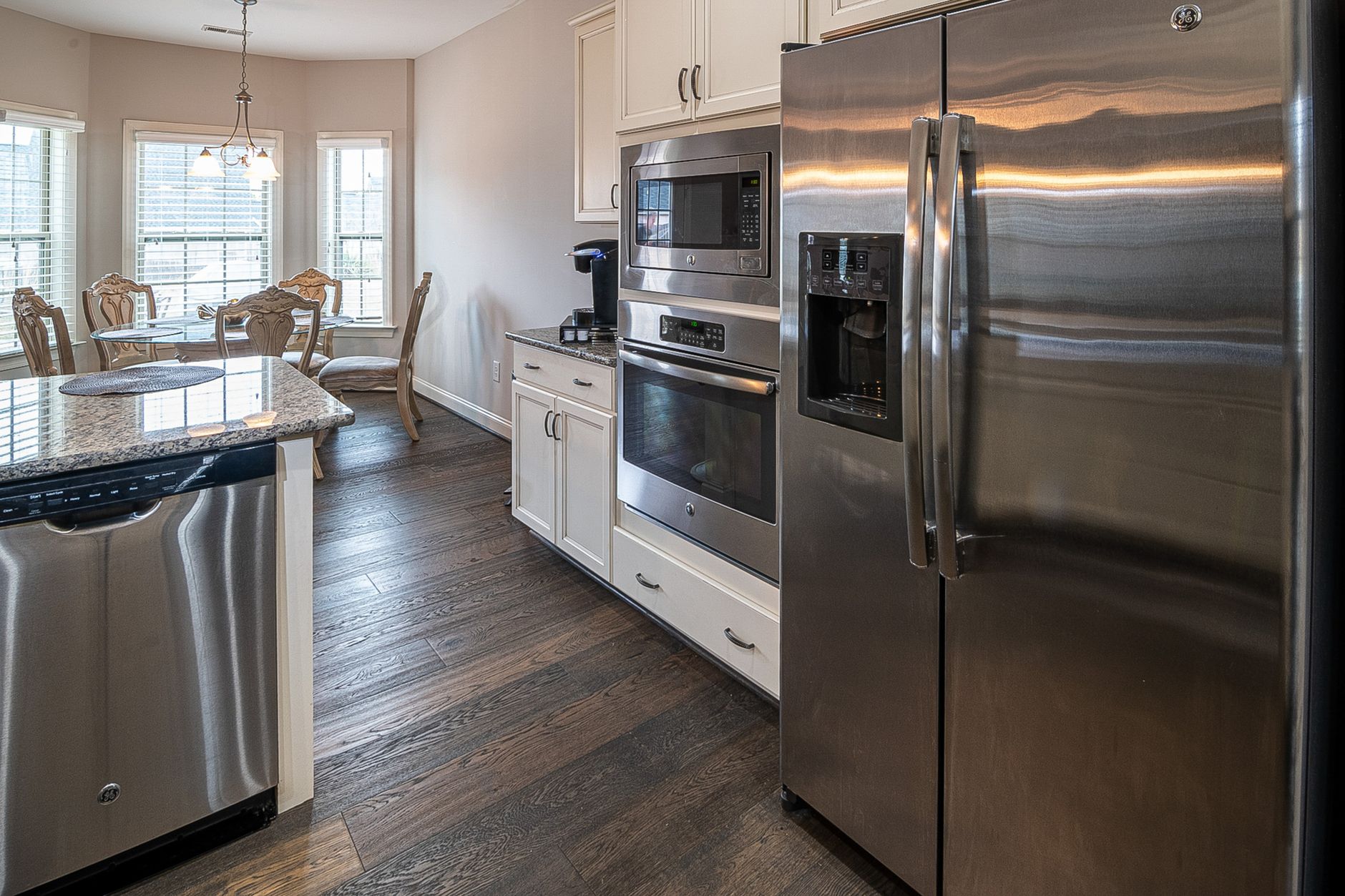
When a retailer offers a kitchen appliance bundle, the headline price often looks tempting, but the true economics are rarely that straightforward.
⚡ In a Rush? Key Takeaways
- Bundles can shave 5‑12% off sticker prices when timed with seasonal sales.
- Average hidden fees – delivery, installation, extended warranties – add $150‑$300 per bundle.
- Energy‑label savings from matching high‑efficiency models rarely exceed $40‑$70 annually.
- Individual purchases let you optimise features and avoid paying for appliances you won’t use.
- ✅ Verdict: bundles are worthwhile only when you need every piece, the discount exceeds $250, and you secure free delivery/installation.
How do I calculate the true cost of a kitchen appliance bundle?
Calculate the bundle’s net price by subtracting discounts, then add delivery, installation, and warranty fees to compare with individual totals.
First, write down the advertised bundle price. Next, list every appliance in the package, noting each model’s MSRP (manufacturer’s suggested retail price) from the retailer’s website. Subtract the bundle discount – usually expressed as a percentage or flat amount – from the sum of the MSRPs. Finally, append any mandatory fees such as delivery, haul‑away of old units, and optional extended warranties.
For example, a typical 2026 bundle might include a 30‑in. fridge‑freezer ($1,200 MSRP), a 24‑in. electric range ($1,100 MSRP), and a dishwasher ($800 MSRP). The combined MSRP is $3,100. If the retailer advertises the bundle for $2,720, that’s a $380 discount (≈12%). Adding $120 delivery, $80 installation, and a $150 three‑year warranty brings the net cost to $3,070, roughly $30 less than buying each piece separately at full price.
What hidden fees should I expect when buying a bundle?
Typical hidden fees include delivery, haul‑away, installation, and extended warranty, adding $150‑$300 to the bundle price.
Retailers often bundle services to make the offer appear simpler. Delivery fees can range from $40 to $100 depending on distance and floor‑level. Installation is frequently a separate charge, especially for gas ranges or built‑in ovens, and can run $80‑$150. Many stores automatically add a three‑year warranty – a $150‑$250 expense that many homeowners decline later.
- Delivery: $40‑$100
- Installation: $80‑$150
- Haul‑away of old appliances: $30‑$60
- Extended warranty (3‑year): $150‑$250
Compare these totals against the separate‑purchase scenario, where you can negotiate delivery and install only the items you truly need.
How does the energy‑efficiency label affect long‑term costs?
Energy‑label differences usually translate to $40‑$70 annual savings for high‑efficiency models versus standard ones.
A 2026 Energy Star fridge uses roughly 350 kWh per year, while a comparable non‑Star model consumes about 460 kWh. At the US average electricity rate of $0.16/kWh, the annual cost difference is $18. In a bundle, you might receive a lower‑efficiency model for a discount, eroding any upfront savings over a ten‑year lifespan.
| Appliance | Energy Rating | Yearly kWh | Annual Cost (US $) |
|---|---|---|---|
| Refrigerator | Energy Star | 350 | 56 |
| Refrigerator | Non‑Star | 460 | 74 |
| Dishwasher | A+ | 250 | 40 |
| Dishwasher | B | 340 | 54 |
These differences accumulate. Over a decade, the Energy Star fridge saves roughly $180, narrowing the discount margin of a bundle that includes a less efficient model.
Can I negotiate bundle components to improve value?
Yes – ask retailers to remove unwanted items, swap for higher‑efficiency models, or waive installation fees.
Most large‑format stores (Home Depot, Lowe’s, Best Buy) treat bundles as a starting point, not a locked‑in package. When you call the sales floor, request a “custom bundle” that excludes the appliance you already own or upgrades the range to a higher efficiency tier. Retailers often comply, especially if you’re purchasing on a holiday weekend when sales staff have clearance targets.
Negotiating can also reduce the hidden fees. Ask for free delivery – a common perk when the total basket exceeds $2,500 – and see if the store will absorb installation costs for a single appliance within the bundle.
What are the advantages of buying appliances individually?
Individual purchases let you pick the exact model, avoid paying for unwanted items, and often secure better financing or rebates.
When you purchase each appliance separately, you retain full control over brand, feature set, and energy rating. This freedom is especially valuable if you already own a high‑efficiency fridge and only need a new dishwasher. Additionally, individual purchases open the door to manufacturer rebates, retailer loyalty programs, and credit‑card cash‑back offers that are often excluded from bundled deals.
How do manufacturer rebates influence the final price?
Rebates can lower the net cost by $50‑$200 per appliance, which adds up across multiple purchases.
In 2026, many manufacturers run seasonal mail‑in rebates for ENERGY STAR‑certified models. For instance, a Whirlpool dishwasher may offer a $100 mail‑in rebate, while a GE profile range could provide a $150 instant‑rebate at checkout. These incentives are typically only available when you buy the appliance outright, not as part of a pre‑packaged bundle.
- Dishwasher rebate: $100
- Range instant‑rebate: $150
- Refrigerator mail‑in: $120
Stacking these rebates can offset the modest bundle discount and even produce a lower net spend.
What financing options are available for individual appliances?
Retailer financing often offers 0% APR for 12‑18 months on single appliances, saving interest costs.
Many large retailers provide same‑store credit cards with promotional 0% APR financing for purchases up to $2,000. When you buy a single high‑price item, such as a $2,200 built‑in oven, you can spread the cost over 18 months without interest, effectively reducing the monthly outlay compared with a bundle that requires full payment upfront.
Always read the fine print: miss a payment and the promotional period can flip to a 24% APR rate. Use a budgeting tool like the Home Cost Tracker to model the cash‑flow impact.
How does warranty coverage differ between bundles and solo buys?
Bundles often include mandatory extended warranties that you may not need, costing $150‑$250 extra.
When you buy an appliance alone, the standard manufacturer warranty (typically one year) is included at no extra cost. Extended coverage is optional and can be purchased only for the items you truly worry about. In bundles, stores sometimes pre‑install a three‑year warranty on every unit, inflating the price whether you value that protection or not.
Assess the reliability data – brands like Bosch and Miele score low on repair rates – and decide if a paid extension is justified.
When is a kitchen appliance bundle the smarter financial choice?
Bundles win when the discount exceeds $250, you need every piece, and free delivery/installation is included.
Not every bundle is a bargain. The right time to consider a package is when a retailer is running a clear‑out sale, typically in July, Labor Day, or Black‑Friday. At those moments, discounts can climb to 15‑20% and include free delivery.
What seasonal sales create the biggest bundle discounts?
July and Black‑Friday sales often provide 15‑20% bundle discounts plus free delivery.
During mid‑year inventory clearances, retailers push bundled offers to move older SKUs before newer models arrive. Black‑Friday and Cyber‑Monday have become the premier windows for deep discounts, with some stores adding a complimentary installation service to sweeten the deal.
- July clearance: 12‑15% off, free delivery
- Labor Day: 10% off, $50 installation credit
- Black‑Friday: 18‑20% off, free haul‑away
Tracking these patterns with the Home Finance tracker helps you plan the optimal purchase window.
How do I evaluate whether the bundle discount beats the added fees?
Subtract all fees from the bundle total and compare the net cost to the sum of individual MSRP minus rebates.
Use a simple spreadsheet: Column A lists each appliance’s MSRP; Column B notes the bundle discount; Column C adds delivery, installation, and warranty fees; Column D records any rebates you can claim for individual items. The net bundle cost (A‑B+C) versus the net individual cost (sum of A‑rebates) reveals the true savings.
| Appliance | MSRP ($) | Bundle Discount ($) | Fees ($) | Rebate ($) |
|---|---|---|---|---|
| Fridge‑Freezer | 1,200 | 150 | 120 | 100 |
| Electric Range | 1,100 | 130 | 80 | 150 |
| Dishwasher | 800 | 100 | 70 | 100 |
| Total | 380 | 270 | 350 | |
Net bundle cost = $3,070; net individual cost after rebates = $2,870. In this scenario, the bundle is $200 more expensive, so you’d decline.
What role does future appliance resale value play?
Higher‑efficiency, well‑maintained appliances retain 40‑55% resale value after five years.
If you plan to sell your home or upgrade again within a few years, selecting appliances with strong resale value matters. Brands with high reliability scores (Bosch, Miele) tend to keep more of their purchase price, offsetting any initial premium.
When a bundle forces you into a lower‑rated model, your eventual resale loss can erode any upfront savings.
FAQ
Do bundles include free removal of old appliances?
Many retailers add haul‑away for $30‑$60, but it’s often listed as a separate line‑item.
Always verify whether the advertised “free removal” applies only to the bundled items or to any existing unit you bring in.
Can I return a single appliance from a bundle?
Return policies vary; most stores allow individual returns within 30 days if unopened.
Check the retailer’s return terms – some require the whole bundle to be returned together, which can nullify the benefit if you only needed one piece.
Are there tax deductions for kitchen appliance upgrades?
In the US, energy‑efficient appliances qualify for a federal tax credit up to $300 per qualifying item.
The credit applies to ENERGY STAR models and is claimed on your 2026 tax return using Form 8936.
How do I compare the long‑term cost of a bundle versus separate purchases?
Create a ten‑year total‑cost‑of‑ownership model including purchase price, energy, maintenance, and resale.
Plug the numbers into the Monthly Home Cost Tracker to see the cumulative difference.
Should I factor in the aesthetic match of appliances?
Aesthetic cohesion can increase home resale value by 2‑3% but does not affect running costs.
If visual harmony is a priority, the bundled matching design may justify a modest premium.
Bottom Line: Should you buy a kitchen appliance bundle in 2026?
Buy a bundle only if the discount exceeds $250, you need every appliance, and free delivery/installation is included.
In most cases, buying appliances individually lets you cherry‑pick the most efficient models, capture manufacturer rebates, and avoid paying for services you don’t need. However, during major sales events where bundles reach 15‑20% off and include complimentary delivery and installation, the economics can tip in favour of the package.
Use the cost‑breakdown method outlined above, run your numbers in the Home Cost Tracker, and let the final figure decide. If the net bundle cost is lower than the sum of individual purchases after rebates and fees, and you truly need each piece, the bundle is a sensible, cost‑effective choice.
— Greta Michaud, Home Appliance Efficiency Researcher