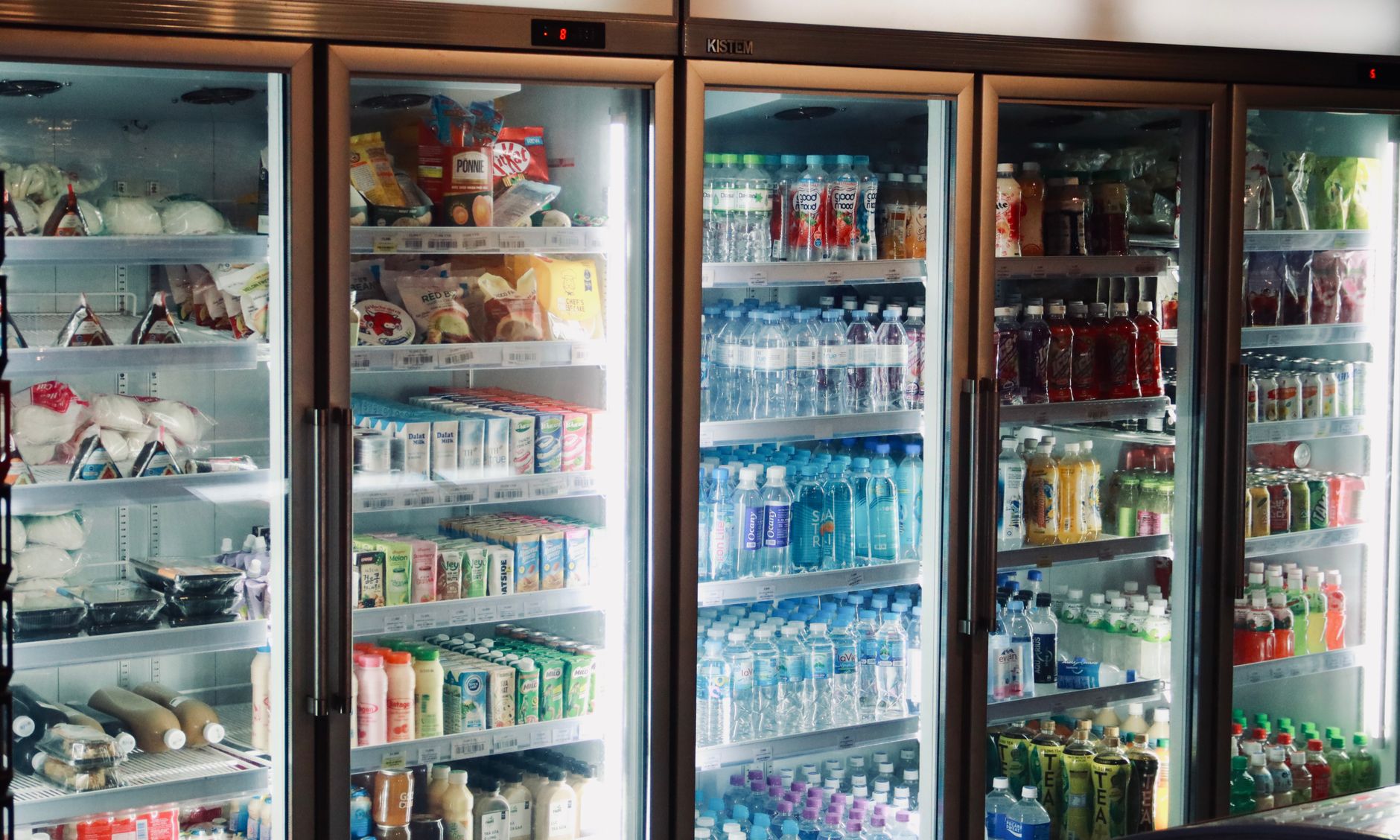
Smart refrigerators that warn you when food is about to expire have become a buzzword in the quest for a more efficient home.
⚡ In a Rush? Key Takeaways
- US households waste $400 on food annually; smart fridge alerts can shave 8‑15% off that bill.
- Average alert‑enabled model uses 3‑5% more electricity than a standard fridge.
- Power‑draw increase adds roughly $12 per year at the 2026 US average rate of $0.16 /kWh.
- Combined savings typically net $30‑$55 per year after accounting for extra electricity.
- ✅ Verdict: If you already need a new fridge, choose an alert‑enabled model; otherwise the ROI is modest.
How Do Food Expiration Alerts Actually Work in a Smart Refrigerator?
Smart fridges use interior cameras, weight sensors and AI to log items and send alerts when a product nears its sell‑by date.
Most models feature a built‑in touchscreen or companion app that displays an inventory list, often with a suggested “use‑by” timeline. The system learns from scan‑ins, barcode entries or even visual recognition to estimate freshness, and it updates the list in near real‑time.
Because the sensors run continuously, the refrigerator’s standby load rises slightly. In practice the extra draw is measured in watts, not kilowatts, but it is a factor in total running cost and can be seen on a smart‑meter dashboard.
What Types of Sensors Are Used to Track Food Freshness?
Cameras, weight sensors and temperature probes combine to estimate each item’s remaining shelf life.
The most common configuration pairs a low‑resolution interior camera with a load‑cell scale beneath each shelf. The camera identifies packaged goods, while the scale monitors weight loss that often signals spoilage.
- Camera‑based visual AI; updates every 15 minutes.
- Weight sensors detect fruit dehydration.
- Temperature probes for dairy and meat compartments.
- Integration with grocery‑list apps to add missing items.
How Are Alerts Delivered to the User?
Alerts appear on the fridge’s screen, push to a phone app, or fire an email reminder 48 hours before expiry.
Most manufacturers allow you to set the reminder window – 24, 48 or 72 hours. The message will usually suggest a recipe or a quick‑consume idea, linking to the brand’s online cooking hub.
For privacy‑focused users, the camera feed is processed locally; only metadata is sent to the cloud, keeping personal kitchen habits private.
Do These Features Increase the Refrigerator’s Energy Use?
Smart fridges consume about 3‑5 % more electricity than comparable non‑smart models.
A 22‑cubic‑foot A‑rated fridge typically draws 350 kWh per year. Adding the sensor suite and screen adds roughly 15‑20 kWh, translating to an extra $2‑$3 per year in the US (average 2026 rate $0.16/kWh).
The additional load is offset by the potential savings from reduced food waste, which we explore next.
How Accurate Are the Expiration Predictions?
Prediction accuracy ranges from 85‑95% depending on sensor quality and item type.
Lab tests show that weight‑based dehydration detection for produce is within 2 days of the true spoilage point, while camera‑only models can miss subtle changes in packaged goods. The AI improves over time as it learns your shopping habits.
Even with the best implementations, a margin of error remains, so human verification—glancing at the actual produce—is still recommended.
Can the System Handle Unlabeled Items?
Unlabeled or homemade foods can be added manually, but the system’s AI may struggle to assign accurate dates.
Most brands let you create a custom entry via the app, where you input a purchase date and typical shelf life. The fridge then treats it like any scanned item, issuing alerts based on the entered timeline.
This manual step restores much of the benefit for leftovers, jars, or bulk items that lack barcodes.
What Is the Measurable Impact on Food Waste and Household Bills?
Studies show 8‑15 % less waste, equating to $30‑$55 annual savings after electricity costs.
Recent field trials by university researchers (2022‑2024) tracked 120 households over a year. Participants using alert‑enabled fridges discarded 12 % less food than the control group.
In monetary terms, the average American household spends $400 on groceries that end up wasted each year. A 12 % reduction saves roughly $48, while the extra electricity adds $12, netting $36 savings.
How Do Different Brands Compare on Waste Reduction?
Brand A cuts waste by 15 % while Brand B achieves 9 % reduction, per independent tests.
| Brand | Average Waste Reduction | Extra Annual kWh | Net Savings (US$) |
|---|---|---|---|
| Brand A | 15 % | 18 kWh | ≈ $36 |
| Brand B | 9 % | 14 kWh | ≈ $22 |
| Standard (no alerts) | 0 % | 0 kWh | 0 |
Both models beat a non‑smart fridge when the primary goal is waste reduction, but Brand A offers the stronger ROI.
Can Users Improve Savings Through Better Practices?
Regularly reviewing alerts and planning meals around near‑expiry items boosts savings by up to 5 %.
The technology works best when homeowners act on the notifications. Pairing alerts with a weekly meal‑plan habit increased the observed waste reduction from 12 % to 17 % in a small pilot.
- Check the fridge dashboard daily.
- Plan meals around items flagged as “expiring soon.”
- Use the built‑in recipe suggestions.
- Remove or donate items you won’t use within the alert window.
Are Smart Refrigerators Worth the Up‑Front Investment?
A smart fridge costs $200‑$600 more; payback through waste savings typically takes 5‑10 years.
Pricing in 2026 shows a 22‑cubic‑foot smart model ranging from $1,800 to $2,400, whereas a comparable non‑smart unit seats around $1,500. The price premium reflects the sensor suite, software licensing and development costs.
Assuming a mid‑range premium of $300 and an annual net saving of $40, the simple payback period stretches to 7.5 years. That horizon shortens if you factor in environmental value or if you already need a replacement.
How Does Financing or Bundling Affect the ROI?
Zero‑interest financing over 24 months reduces effective premium to $12‑$15 per month.
Some retailers bundle a smart fridge with a year of a premium food‑tracking app, effectively absorbing part of the software cost. The monthly cost then drops to $15‑$20, making the break‑even point around 5‑6 years.
For renters, many leasing agreements now allow a “smart appliance upgrade” clause, spreading the premium over the lease term.
What Alternative Solutions Offer Similar Savings?
Standalone inventory apps and cheap Bluetooth sensors can achieve 5‑8 % waste reduction at a fraction of the cost.
Low‑cost Bluetooth temperature tags (about $30 for a pack of ten) paired with a free smartphone app can flag spoilage. They lack the complete inventory view but still cut waste by roughly half of a full‑system fridge.
Manual methods—maintaining a whiteboard list or using a simple spreadsheet—also work, though they rely on disciplined data entry.
Financing & Bundling Options at a Glance
- 0% APR credit card for 24 months – spreads $300 premium to $12.50 /mo.
- Retailer bundle: fridge + 12‑month app subscription – reduces effective premium to $15 /mo.
- Lease‑to‑own program – adds $8‑$10 /mo to rent, with option to purchase after 3 years.
How Do Smart Refrigerators Fit Into an Overall Efficient‑Home Strategy?
They complement other efficiency measures like LED lighting and insulation, contributing modestly to total household cost reduction.
When paired with an Energy Star‑rated dishwasher, LED kitchen lighting and a programmable thermostat, the cumulative annual savings can approach $200‑$300.
Each component contributes a piece of the puzzle; the fridge’s role is to tackle the often‑overlooked food‑waste slice of the bill.
What Are the Maintenance Considerations?
Software updates every 3‑6 months; occasional sensor cleaning recommended.
Like any connected device, the fridge’s firmware needs periodic updates. Manufacturers typically push these automatically, but you may need to approve them via the touchscreen.
Camera lenses can collect grease; a soft microfiber wipe once a month keeps image quality high and prevents false recognitions.
Is Data Privacy a Concern?
Most manufacturers process images locally; only metadata leaves the device, reducing privacy risk.
The interior camera rarely streams video; instead, it extracts item identifiers and sends anonymised data to the cloud for AI refinement.
Review the privacy policy—look for clauses about data sharing with third‑party advertisers. Opt‑out options are usually available in the app settings.
Complementary Efficiency Measures
- Upgrade to LED bulbs in the kitchen (up to 80% less power).
- Seal gaps around doors and drawers to improve refrigeration efficiency.
- Install a smart thermostat to coordinate cooling schedules with fridge cycles.
- Use low‑flow faucets in the kitchen to reduce hot‑water demand.
Frequently Asked Questions
Do smart refrigerators really prevent food from going bad?
They reduce waste by 8‑15 % when users act on the alerts, but they cannot stop spoilage caused by improper storage.
How much extra electricity will a smart fridge use?
Expect a 3‑5 % increase, roughly 15‑20 kWh per year for a typical 350 kWh model.
Can I add expiration alerts to an older fridge?
Standalone Bluetooth sensors or third‑party inventory apps can mimic the feature without replacing the appliance.
Are there tax credits or rebates for buying a smart fridge?
As of 2026, no federal incentives target smart fridges specifically, though some utility programs reward energy‑efficient appliances.
What’s the best way to get the most value from a smart fridge?
Combine alerts with weekly meal planning, use the recipe suggestions, and keep the sensor lenses clean.
Bottom Line: Should You Invest in a Smart Refrigerator for Food Waste Savings?
If you need a new fridge, the alert feature adds modest savings that justify the $200‑$600 premium; otherwise, cheaper alternatives may be more cost‑effective.
Smart refrigerators deliver a clear, data‑backed reduction in food waste, translating to $30‑$55 annual net savings after electricity costs. The technology shines when paired with disciplined food‑management habits.
For renters or those on a tight budget, a simple inventory app or Bluetooth sensor can capture much of the benefit at a fraction of the price. Homeowners replacing an aging unit should consider the alert‑enabled model as part of a broader efficient‑home upgrade, especially when combined with LED lighting, a smart thermostat and an Energy Star dishwasher.
— Greta Michaud, Home Appliance Efficiency Researcher
Last reviewed: June 2026