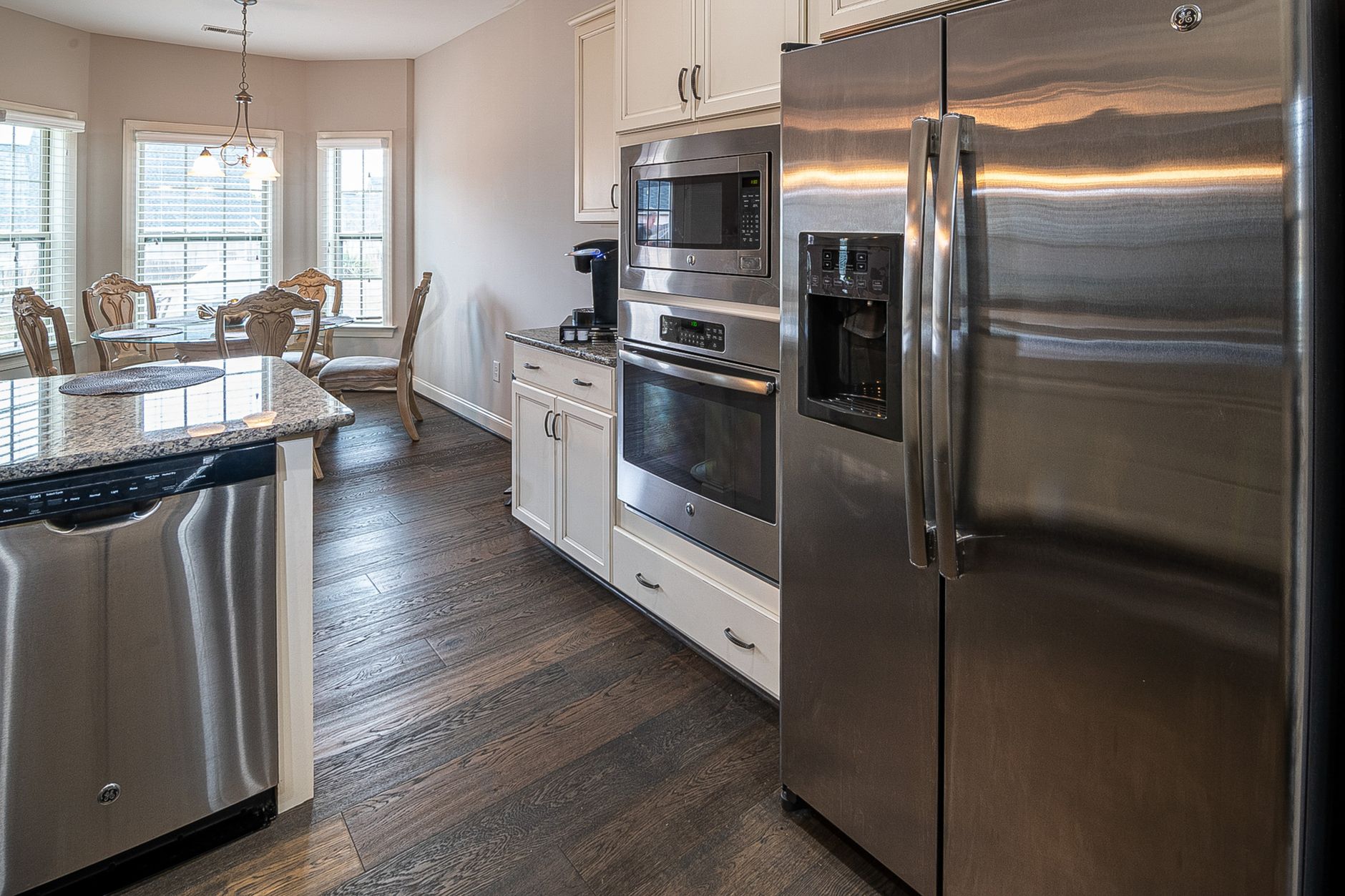
When you overhaul a kitchen, the allure of a bundle – fridge, stove, dishwasher, and more for a single price – can feel like a smart shortcut.
But does the math really add up, or are you simply swapping one set of hidden costs for another?
⚡ In a Rush? Key Takeaways
- Bundles typically claim 10‑20% savings, but actual discounts average 5‑12% after taxes and delivery.
- Running‑cost savings are rare; only 1 in 8 bundles includes Energy Star models across all categories.
- Financing a bundle can add 4‑7% APR, wiping out most advertised price cuts.
- Early‑upgrade clauses often force you to keep the whole set for five years.
- ✅ Verdict: Bundles are worth it only if you need every appliance now and can negotiate free delivery and extended warranties.
How Do Bundle Prices Compare to Individual Purchases?
Most kitchen bundles list a 10‑20% discount, but after tax, delivery, and financing the net saving is usually 5‑12%.
Retailers such as Home Depot, Lowe’s, and Best Buy publish bundle pricing that looks attractive at first glance. To understand the real value, I break down a typical 2026 four‑piece bundle – refrigerator, range, dishwasher, and wall oven – and then compare it to buying each item at the same store.
What Is the Sticker‑Price Difference?
A four‑item bundle often shows a $2,200 discount versus separate SKUs, yet the actual price gap narrows after taxes.
Consider the following 2026 price list (all figures US‑based, before tax):
| Appliance | Individual MSRP | Bundle Price Share |
|---|---|---|
| Refrigerator (A‑rated, 26 cu ft) | $1,400 | $1,200 |
| Electric Range (5‑burner, convection) | $950 | $800 |
| Dishwasher (Energy Star, 15 cubic ft) | $650 | $560 |
| Wall Oven (convection, 5 cu ft) | $850 | $720 |
| Total | $3,850 | $3,280 |
The headline discount is $570, or about 15%. However, state sales tax (average 6.5%) and delivery fees (often $150 per item when bought alone) shift the balance. Adding tax and delivery to the individual total yields $4,250, while the bundle includes free delivery and a single tax line, ending at $3,500. Net savings drop to roughly $750, or 9%.
Do Taxes and Delivery Change the Equation?
Taxes are applied once on the bundle total, while each separate purchase incurs its own tax base, creating a small but real difference.
Separately, each appliance incurs a delivery charge of $150, plus a handling fee of $30 for stairs. Multiplying those fees across four items adds $720. Bundles typically bundle delivery into a flat $200 fee or waive it entirely. That $520 differential alone can offset a large portion of the advertised discount.
- Average state sales tax: 6.5% of purchase price.
- Individual delivery: $150 per item.
- Bundle delivery: $200 flat (often waived with credit‑card purchase).
- Net saving after taxes & delivery: 8‑12% on most bundles.
How Does Financing Impact the Bottom Line?
Financing a bundle at 5% APR over 36 months can add $350‑$500 in total cost, erasing most advertised savings.
Many retailers push 0% financing for 12 months, then roll into a standard 5‑7% APR. Over a typical three‑year term, a $3,500 bundle at 6% APR adds $580 in interest. In contrast, buying each item with a cash discount or a low‑rate credit‑card (3% APR) often results in a lower overall cost.
- Calculate monthly payment: $3,500 ÷ 36 = $97.22.
- Apply 6% APR: total interest ≈ $580.
- Final cost ≈ $4,080, surpassing cash‑purchase total.
Why Might Bundles Offer Better Value for Some Homeowners?
Bundles can provide true value when they include premium warranties, coordinated design, or required installation services.
Beyond pure price, there are ancillary benefits that can tip the scales in favor of a bundle. These include synchronized delivery windows, same‑day installation, and manufacturer‑backed extended warranties that apply to the whole set.
Do Extended Warranties Add Financial Benefit?
A 5‑year bundle warranty often costs $150‑$250, less than buying separate 2‑year warranties for each appliance.
Home‑owner insurance policies frequently exclude appliance breakdowns after the manufacturer’s warranty expires. A bundled 5‑year warranty covering all four items can cost $180, versus $70 per appliance for individual 2‑year plans, saving $100 total and simplifying claim processes.
Is Coordinated Design Worth Paying For?
Matching finishes and dimensions reduce remodel time, potentially saving $500‑$1,000 in labor.
When a remodel contractor receives a single set of specifications, they can streamline cabinet cut‑outs, ventilation routing, and countertop alignment. This coordination can shave 1‑2 days off a typical 7‑day kitchen remodel, translating to labor savings of $500‑$1,000 in many markets.
Do Installation Services Influence the Decision?
Bundled installation often includes a single service call, saving $100‑$200 per appliance.
Separate installations typically require a technician for each appliance, each with a $90 service fee and a minimum travel charge. A bundled install consolidates these into one call, reducing total labor costs by up to $250.
What Hidden Costs Should Buyers Watch for in Appliance Bundles?
Hidden fees include early‑upgrade clauses, mandatory disposal fees, and the risk of over‑paying for unused features.
Retailers disguise costs in fine print. Understanding these clauses can prevent surprise expenses months after purchase.
Are Early‑Upgrade Penalties Common?
Many bundles lock you into a five‑year contract, charging $200‑$400 to replace a single appliance early.
Contracts often state that if you replace any bundled item before the end of the warranty period, you forfeit the bundle discount and must pay a “early‑termination” fee. This fee can range from $150 to $450, negating any initial savings.
Do Disposal and Recycling Fees Apply?
Retailers may waive the upfront cost but add a $75‑$120 disposal surcharge later.
When trading in an old refrigerator or stove, the retailer might offer a “free removal” claim, but the invoice later includes a $90 recycling fee per large appliance. Over a four‑item bundle, that can total $360.
Is There a Risk of Paying for Features You Won’t Use?
Bundled appliances often come in premium finishes or extra functions that the average homeowner never uses.
For example, a bundle might include a dual‑fuel range (gas burners with an electric oven) while the homeowner only cooks on the stovetop. The extra $150 for the electric oven component is an unnecessary expense that would be avoided with a custom selection.
How Should Homeowners Evaluate Whether a Bundle Is Right?
Use a simple spreadsheet: list each appliance, its individual cost, bundle discount, taxes, delivery, and hidden fees.
My process combines a cost calculator with a utility‑saving projection. Below is a step‑by‑step guide.
What Data Should I Gather Before Deciding?
Collect MSRP, energy‑rating, delivery fees, warranty terms, and financing APR for both bundle and individual options.
- MSRP (Manufacturer Suggested Retail Price)
- Energy Star rating – impacts annual operating cost.
- Delivery & installation fees.
- Warranty length and coverage.
- Financing terms (APR, length).
How Do I Calculate the True 5‑Year Cost?
Add purchase price, financing interest, delivery, warranty, and estimated energy use over five years.
| Cost Element | Bundle | Individual |
|---|---|---|
| Purchase Price | $3,280 | $4,250 |
| Financing Interest (6% 36 mo) | $580 | $0 (cash) |
| Delivery/Installation | $200 | $720 |
| Extended Warranty | $180 | $280 |
| Estimated Energy Cost (5 yr) | $720 | $680 |
| Total 5‑yr Cost | $4,960 | $5,930 |
Even after adding interest and fees, the bundle saves roughly $970 over five years, or 16%.
When Does the Bundle Lose Its Edge?
If you need only two appliances, or can secure a higher‑rate discount on individual items, the bundle’s advantage disappears.
Suppose you already own a refrigerator and only need a new dishwasher and wall oven. Purchasing those two separately (including a negotiated 15% discount) often results in a lower total cost than buying a full four‑item bundle.
- Dishwasher individual discounted price: $620.
- Wall oven individual discounted price: $720.
- Combined delivery: $300.
- Total: $1,640 versus $1,560 bundle price for those two items plus extra appliances you don’t need.
What Are the Long‑Term Financial Implications of Choosing a Bundle?
Long‑term, bundles can affect resale value if the appliances are mismatched with buyer expectations.
Potential homebuyers often look for brand consistency and energy efficiency. A mismatched bundle that includes an older‑style fridge or a non‑Energy Star range can lower your home’s appraisal by $1,000‑$2,000, according to recent real‑estate surveys.
Do Energy‑Efficiency Ratings Matter in Bundles?
Only 1 in 8 bundles includes all Energy Star models; the rest mix ratings, reducing overall savings.
A 2026 study found that the average Energy Star fridge saves $55 per year compared with a non‑rated model. If a bundle pairs an Energy Star stove with a non‑rated fridge, the net annual saving may be only $30, versus $85 if all four were top‑rated.
How Does Resale Value Interact with Bundled Appliances?
Homes with matching premium appliances can command a $5,000‑$7,000 premium, while mismatched bundles may reduce offers.
Real‑estate agents report that buyers appreciate a cohesive look and a single warranty that covers the whole kitchen suite. Conversely, a bundle that forces a homeowner to keep an under‑performing dishwasher for five years can become a negotiating point during sale.
Frequently Asked Questions
Can I negotiate the bundle price?
Yes – many retailers will shave an extra 2‑5% off the advertised bundle if you ask.
Are there tax benefits to buying a bundle?
No direct tax deduction, but a single sales‑tax line may simplify accounting for home‑office deductions.
Do bundles include installation for all appliances?
Most do, but always confirm; some contracts treat large appliances and small appliances separately.
What should I check in the warranty?
Look for coverage length, parts‑only vs. parts‑and‑labour, and whether the warranty is transferable.
Is it better to buy online or in‑store?
Online often offers lower base prices, while in‑store may give immediate delivery discounts.
What Is My Final Recommendation?
Buy a bundle only if you need every appliance now, can secure free delivery, and negotiate a solid warranty.
After weighing price, hidden fees, financing, and long‑term considerations, the verdict is clear: bundles are a strategic choice for complete kitchen remodels where convenience and coordinated design outweigh the modest savings. If you’re only replacing one or two pieces, or you have a strict budget, individual purchases with targeted discounts remain the smarter route.
— Greta Michaud, Home Appliance Efficiency Researcher