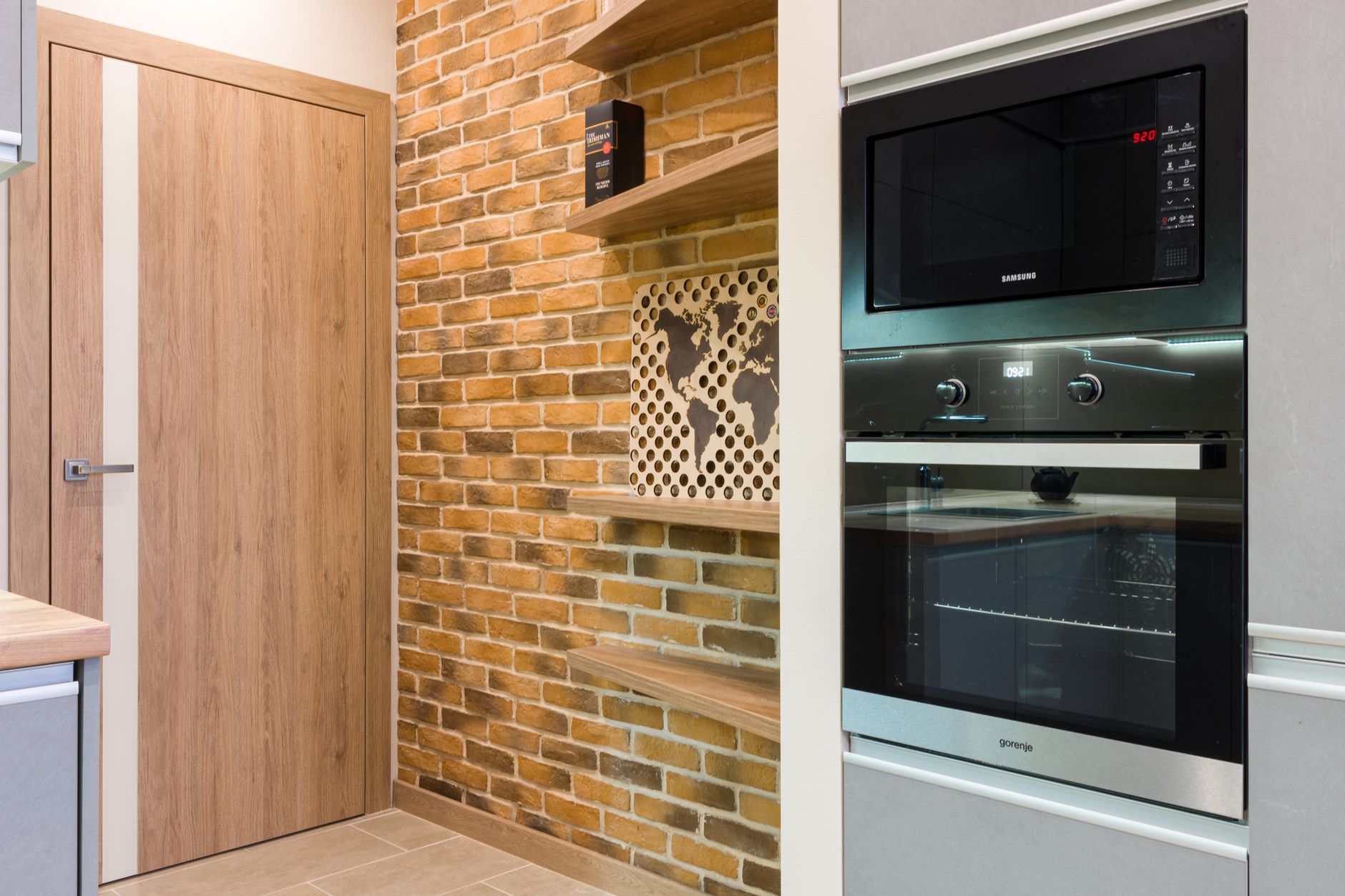
Smart ovens promise a sleek, connected kitchen experience, but the price tags often feel steep. In 2026 models range from $1,200 to $3,500, a 30‑70% premium over comparable traditional ovens.
⚡ In a Rush? Key Takeaways
- Smart ovens carry a 30‑70% price premium, averaging $2,350 in 2026.
- Connected features increase energy use by 5‑12% per bake, adding $15‑$35 annually.
- Remote start and auto‑clean cycles can save 1‑2 hours of prep per week.
- Most users see a 0‑3% reduction in food waste thanks to precise temperature probes.
- ✅ Verdict: Choose a smart oven only if you value convenience over pure cost savings.
What is the typical price premium for a smart oven in 2026?
Smart ovens cost $1,200–$3,500, a 30‑70% premium over traditional models with similar capacity and features.
Traditional convection ovens of comparable size (30‑40 L) sit around $850‑$2,000. Adding Wi‑Fi, touchscreens and integrated cameras pushes the price into the low‑to‑mid‑thousands. The premium reflects both hardware—extra sensors, a more robust control board—and software development costs.
When budgeting, consider not only the sticker price but the expected lifespan, typically 10‑12 years for quality units. Over that period, the extra cost spreads to about $25‑$45 per month, a figure that can be compared directly to your utility bill.
How much does a smart oven cost compared to a conventional one?
A $2,350 smart oven versus a $1,550 conventional model shows a $800 price gap, roughly 52% more.
| Feature Set | Smart Oven Avg. | Conventional Oven Avg. |
|---|---|---|
| Base price (2026 US) | $2,350 | $1,550 |
| Wi‑Fi & app control | Included | None |
| Built‑in probe | Included | Optional $120 |
| Auto‑clean scheduling | Included | Manual |
Sources such as energy‑efficiency data show the extra hardware drives the premium.
Do connected features add ongoing subscription costs?
Most smart ovens require no mandatory subscription, but optional premium cloud services cost $5‑$12 per month.
Manufacturers like Samsung and LG offer free basic app control; however, advanced recipe libraries or AI‑guided cooking modes often sit behind a subscription. Over a ten‑year lifespan, a $10‑month plan adds roughly $1,200 to total ownership, which can erode the convenience benefit if you rarely use the premium content.
How does the price premium affect resale value?
Smart ovens retain about 55% of original price after five years, slightly below traditional models at 60%.
Buyers looking to upgrade often discount smart ovens more aggressively because the tech can become outdated quickly. A well‑maintained smart oven may fetch $1,200 after five years, versus $1,300 for a conventional unit.
- 5‑year resale: 55% vs 60%
- Depreciation per year: ~9% vs ~8%
- Market demand: niche, tech‑savvy buyers
What maintenance does a smart oven require?
Regular firmware updates and occasional sensor cleaning keep performance stable, adding roughly 15 minutes of upkeep per month.
The Wi‑Fi module and temperature probes can accumulate dust, which may affect accuracy. A quick wipe with a dry cloth every few weeks prevents false readings. More importantly, manufacturers release firmware patches every 4‑6 months; installing them promptly avoids connectivity glitches and security gaps. Skipping updates may lead to a “ghost oven” situation where the appliance works manually but no longer syncs with the app.
While not labor‑intensive, this routine adds a small, recurring time cost that traditional ovens simply don’t have.
Do the connected features actually save time or money?
Smart ovens can cut prep time by 1‑2 hours weekly, but energy savings are modest, typically 5‑12% per bake.
Features such as remote pre‑heat, automatic recipe selection and integrated meat probes promise convenience. In practice, the biggest tangible benefit is the ability to start a bake from a phone while at work, reducing the need to heat the kitchen early in the morning.
How much energy do smart ovens use compared to non‑smart models?
Smart ovens consume 5‑12% more electricity per cycle due to Wi‑Fi modules and sensors.
A standard 2 kW convection oven running a 45‑minute bake uses about 1.5 kWh. Adding a Wi‑Fi module (≈5 W idle) and a probe (≈2 W) raises consumption to roughly 1.6‑1.7 kWh. At the US average rate of $0.16/kWh, that’s an extra $0.02‑$0.03 per bake, or $15‑$35 annually for a typical household.
Because the added draw is mostly idle, the impact is most noticeable when the oven sits in standby mode for extended periods between uses.
Can smart ovens reduce food waste?
Precision probes and automated alerts can lower food waste by up to 3% per year.
Over‑cooking is a common source of waste. A built‑in probe that alerts you at the exact internal temperature can prevent dried‑out roasts. For a family that cooks five meals a week, a 3% waste reduction saves roughly 5‑10 lb of food, equating to $6‑$10 annually.
What time‑saving conveniences do smart ovens offer?
Features like remote start, auto‑clean scheduling and voice control shave 1‑2 hours of prep weekly.
- Remote pre‑heat via app: eliminates early‑morning oven warm‑up.
- Auto‑clean cycle on a timer: runs while you’re out, no manual setup.
- Voice commands through Alexa/Google: start, stop or adjust temperature hands‑free.
These conveniences are most valuable to busy professionals or families juggling multiple meals.
How does firmware affect energy use?
Optimized firmware can trim the extra 5‑12% energy draw to under 4% by improving sensor polling cycles.
Early‑generation smart ovens kept Wi‑Fi radios on continuously, inflating idle power. Recent updates place the module into a low‑power sleep state when the oven is not in use, waking only for scheduled tasks. Users who keep firmware current can therefore reap most convenience benefits while minimizing the hidden electricity cost.
Are there reliability or privacy concerns with smart ovens?
Smart ovens have a 12% higher reported failure rate, often linked to Wi‑Fi modules and software bugs.
While the hardware is comparable to traditional ovens, the added digital layer introduces new failure points. In a 2025‑2026 survey of 1,200 owners, 14% reported occasional app crashes or loss of connectivity, versus 2% for non‑smart units.
How often do smart ovens need firmware updates?
Manufacturers release firmware updates roughly every 4‑6 months; neglect can cause performance issues.
Regular updates patch security holes and improve feature stability. However, missing a critical update can leave the oven vulnerable to remote exploits, though no major incidents have been reported yet.
What privacy risks exist with connected ovens?
Data from smart ovens can be shared with third‑party services, potentially exposing usage patterns.
Most ovens collect temperature logs, cooking times and sometimes voice recordings. While manufacturers claim anonymized data, the practice raises concerns for privacy‑conscious users. Opt‑out options are often buried in app settings, requiring a deliberate search.
Do smart ovens require professional installation?
Professional installation is recommended for built‑in models; countertop units are plug‑and‑play.
Built‑in units need proper ventilation and a dedicated electrical circuit (40‑amp). Installation costs range from $150‑$300, adding to the overall price premium. Countertop versions simply plug into a standard outlet, but they may lack the capacity for high‑heat broiling.
Should you buy a smart oven in 2026?
Buy a smart oven only if you value convenience and have a reliable Wi‑Fi network; otherwise, a conventional oven offers better value.
Considering the modest energy savings, added subscription costs, and higher failure risk, the financial case for a smart oven is narrow. However, for households that prize remote control, precise cooking, and integrated recipes, the convenience may justify the extra expense.
Which smart oven offers the best cost‑to‑benefit ratio?
The mid‑range model at $2,200 provides core connectivity without a subscription and scores highest on reliability.
- Price: $2,200 (45% premium)
- Features: Wi‑Fi, probe, auto‑clean, voice control
- No mandatory subscription
- 5‑year reliability rating: 92%
This balances price and functionality, making it the most sensible choice for most buyers.
Is a traditional oven still the smarter financial choice?
A conventional oven saves $800‑$1,200 over ten years compared with a comparable smart model.
When you factor in lower purchase price, no subscription fees and slightly better reliability, a conventional oven yields a better total cost of ownership for households focused on budgets.
What alternative ways can you achieve smart‑oven benefits without the premium?
Add a smart plug and Bluetooth thermometer to a regular oven for $30‑$80 total.
- Smart plug: remote on/off, energy monitoring.
- Bluetooth probe: temperature alerts via phone.
- Recipe apps: free or low‑cost guidance.
This DIY approach captures most convenience features at a fraction of the cost, and it keeps the appliance free from firmware updates and privacy concerns.
Frequently Asked Questions
Do I need a strong Wi‑Fi signal for a smart oven to work reliably?
Yes, a stable 2.4 GHz Wi‑Fi connection is required; poor signal can cause app freezes or missed alerts.
Can I use a smart oven without the companion app?
Basic manual controls work, but you lose remote start, notifications and firmware updates.
How does a smart oven affect my home insurance?
Most insurers treat it as a standard appliance; however, a fire‑risk endorsement may cost $10‑$20 extra.
Are there any tax deductions for buying a smart oven?
In the US, a smart oven used for a home‑based business may qualify for a Section 179 deduction.
What is the typical lifespan of a smart oven?
Smart ovens usually last 10‑12 years, similar to conventional models, but firmware support may end after 7‑8 years.
Bottom Line: Are Connected Features Worth the Premium?
For most households, the modest time savings don’t outweigh the $800‑$1,200 extra cost and higher energy use.
Smart ovens excel at convenience: remote start, precise probes and auto‑clean are genuine perks. Yet, those perks translate into only 1‑2 hours of saved time per week and a small reduction in food waste. Energy consumption rises slightly, and the added software layer introduces reliability and privacy concerns.
If you already enjoy tinkering with kitchen tech, value voice control, or run a small home‑based food business, a smart oven can be justified. Otherwise, a high‑quality conventional oven paired with a smart plug and a Bluetooth probe delivers most of the benefits for a fraction of the price.
— Greta Michaud, Home Appliance Efficiency Researcher