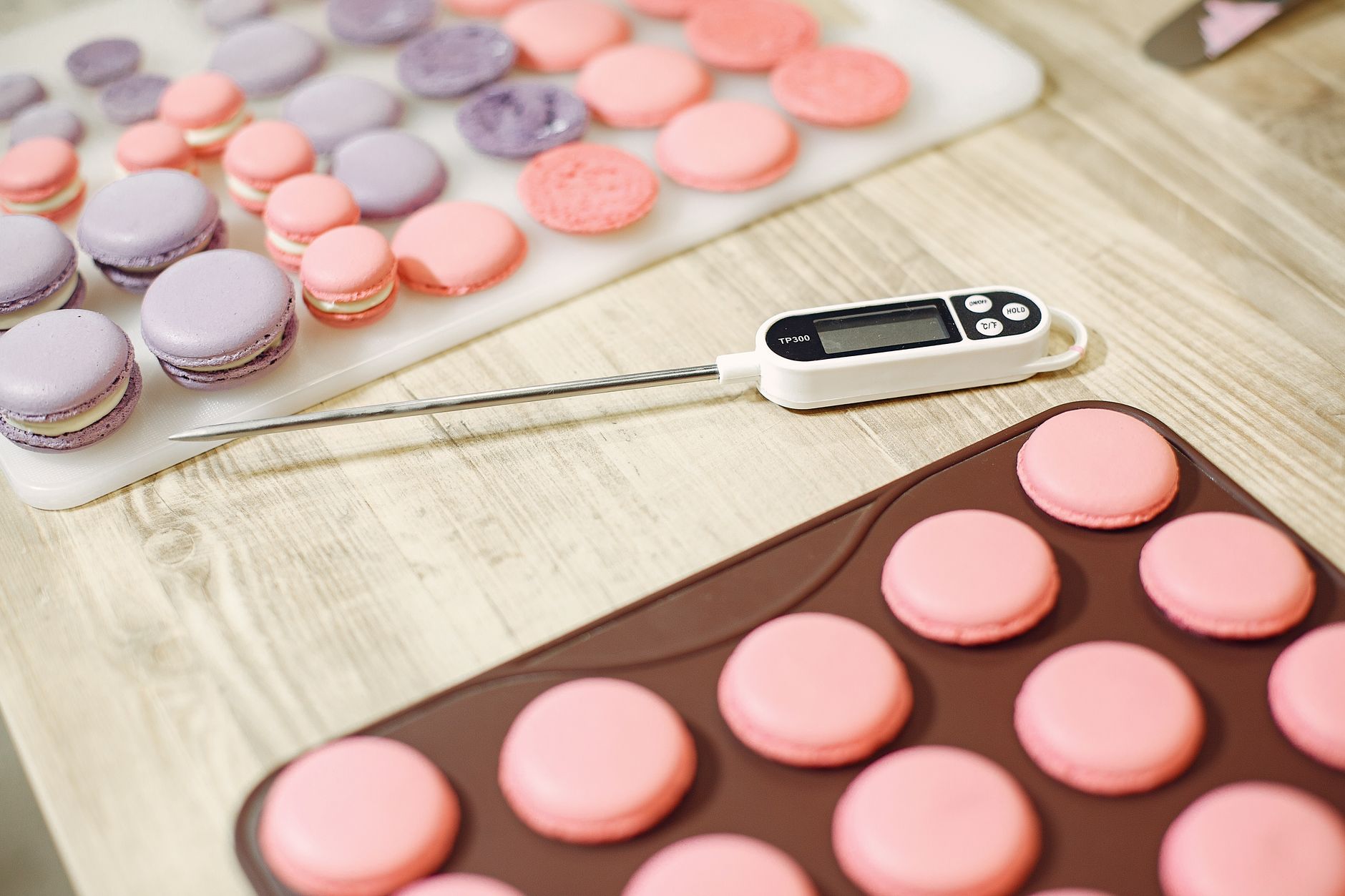
Finding a reliable food thermometer is a small step that makes a big difference in the kitchen, from perfectly roasted poultry to safely cooked pork.
Below you’ll learn which specifications truly matter, how to test a thermometer’s precision, and which price points deliver the best value in 2026.
⚡ In a Rush? Key Takeaways
- Thermometers with ±1°F accuracy cost $20‑$45, while higher‑precision models push $80‑$130.
- Instant‑read probes reach 0‑90°F in 2‑4 seconds; dial‑type models need 10‑15 seconds.
- Resolution of 0.1°F is only useful for candy or sous‑vide; 1°F suits most home cooking.
- Battery‑operated digital models last 2‑5 years; replaceable‑CR2032 is most common.
- ✅ Verdict: a mid‑range digital instant‑read (≈$40‑$55) balances accuracy, speed, and durability for everyday cooks.
How Do I Evaluate the Accuracy of a Food Thermometer?
An accurate thermometer shows ±1°F (±0.5°C) variance across its range, verified by testing against boiling water and ice water.
Accuracy is the foundation of safety and quality. The USDA recommends a thermometer read within 2°F of target temperatures for meat safety; professional cooks often demand tighter tolerances. If a probe consistently reads high, you could undercook chicken, while a low reading may cause you to over‑cook vegetables, wasting energy and nutrients.
What Simple Tests Can I Perform at Home?
Place the probe in boiling water (100°C/212°F) and ice water (0°C/32°F); it should read within ±1°F of each reference.
If the reading drifts more than a degree, the unit is either mis‑calibrated or of low quality. This quick check takes under five minutes and requires nothing more than a pot, ice, and a kitchen timer.
- Boil tap water for at least 2 minutes to ensure a steady boil.
- Fill a glass with ice, add water, and let it sit for 3 minutes.
- Insert the probe without touching the glass, wait a few seconds, and note the display.
How Important Is Reproducibility?
Reproducibility means the thermometer gives the same reading on repeated measurements within 0.5°F.
Even a perfectly calibrated device can fluctuate if the sensor or electronics are unstable. Consistent results save you from second‑guessing every roast and make it easier to maintain food‑safety logs for home‑based catering or large gatherings.
Can I Calibrate My Thermometer?
Some digital probes have a calibration screw; dial models often include a nut under the dial for adjustment.
Calibration is a quick fix, but it’s a sign the manufacturer expects user adjustments—usually a hallmark of higher‑end devices. When you calibrate, keep a log of the adjustment date; this helps you spot drift over time.
What About a Dual‑Probe System?
Dual‑probe thermometers let you monitor two foods or two points in the same item simultaneously.
These are handy for large roasts where the thickest part may still be under‑cooked while the outer layers are done. Accuracy remains the same for each probe, but you gain convenience and reduce the need to shuffle a single probe in and out.
- Great for turkey, pork shoulder, or multiple steaks.
- Often includes a single display with split‑screen view.
- Cost typically adds $15‑$25 to a standard instant‑read.
What Features Determine the Speed and Convenience of a Food Thermometer?
Speed is measured by time to stable reading; most instant‑read probes hit the target in 2‑4 seconds.
Fast readings reduce heat loss from meat and keep your cooking flow uninterrupted. When you pull the probe out, a delay of even a few seconds can lower the internal temperature of a thin fillet by several degrees, affecting texture and safety.
Which Types Offer the Quickest Response?
ThermoWorks Thermapen and similar instant‑read probes deliver sub‑2‑second readings for thin foods.
Probe material (stainless steel vs. titanium) and sensor design affect heat transfer speed. Titanium probes often feel colder to the touch but transfer heat faster, shaving off a second or two from the reading time.
| Thermometer Type | Typical Response Time | Typical Price (USD) |
|---|---|---|
| Instant‑read digital | 2‑4 seconds | $30‑$80 |
| Dial (analog) probe | 10‑15 seconds | $15‑$30 |
| Oven‑safe probe | 6‑8 seconds (wireless) | $80‑$150 |
Do I Need a Recording Feature?
Recording lets you log temperatures for food‑safety logs; useful for serious home chefs and small‑scale caterers.
Most budget models omit this, but a few mid‑range devices store up to 1,000 readings in internal memory, then export via USB or Bluetooth. If you run a weekly BBQ or occasional batch‑cooking, this feature can simplify compliance with local health guidelines.
How Does Battery Life Influence Convenience?
AA or CR2032 batteries power most digital probes; expect 2‑5 years of use before replacement.
Rechargeable units exist, but they add weight and require a charging dock—often unnecessary for occasional cooks. Keep a spare CR2032 in your kitchen drawer; swapping takes seconds and avoids a surprise dead‑probe mid‑roast.
What About Probe Material and Build?
Stainless steel is corrosion‑resistant, while titanium offers lighter weight and faster heat transfer.
For high‑heat tasks like searing or grilling, a titanium probe will stay cooler to the touch, reducing the risk of burns. However, stainless steel is typically more affordable and still meets food‑grade standards for most home applications.
- Stainless steel: $30‑$60, durable, easy to clean.
- Titanium: $50‑$90, lighter, marginally faster response.
- Coated probes (e.g., Teflon): good for acidic foods, but coating can wear over time.
Which Temperature Range and Resolution Do I Actually Need?
A useful range is 0‑572°F (−18‑300°C); resolution of 1°F meets most home cooking requirements.
Knowing the range prevents buying a probe that can’t measure low‑temperature sous‑vide or high‑heat candy making. Many entry‑level models stop at 500°F, which is fine for roasting but will truncate readings for deep‑frying or searing.
What Range Covers Everyday Cooking?
0‑212°F (0‑100°C) covers boiling, baking, and most meat temperatures; extending to 500°F adds grilling flexibility.
For sous‑vide enthusiasts, a lower floor of 32°F and upper limit of 210°F suffice. If you never plan to use a smoker or candy thermometer, a 0‑300°F range is more than adequate and often comes with tighter accuracy.
When Is High Resolution Worth It?
Resolution of 0.1°F is only necessary for sugar work, tempering chocolate, or precise sous‑vide.
For roasting chicken or grilling steak, 1°F resolution provides ample precision and reduces cost. High‑resolution screens can also be harder to read at a glance, which may slow you down in a busy kitchen.
Are There Trade‑offs Between Range and Accuracy?
Wider ranges often sacrifice tight accuracy at the extremes; a 0‑572°F probe may be ±2°F near 0°F.
Select a thermometer whose optimal accuracy aligns with the temperature band you use most. A probe focused on 32‑212°F often delivers ±0.5°F accuracy within that sweet spot, outperforming a wider‑range model at the same price.
How Do I Interpret Resolution vs. Display Digits?
Resolution indicates the smallest increment the sensor can detect; display digits are how many of those increments are shown.
Some thermometers claim 0.1°F resolution but only display whole numbers, effectively hiding the precision. Look for models that both measure finely and display it clearly, especially if you need that granularity for baking delicate custards.
- 0.1°F resolution + one‑decimal display = true precision.
- 0.5°F resolution + whole‑number display = adequate for most meats.
- 1°F resolution + whole‑number display = budget‑friendly baseline.
How Do I Balance Cost, Durability, and Value?
A $40‑$55 digital instant‑read gives ±1°F accuracy, sub‑4‑second response, and a stainless‑steel probe lasting 5‑7 years.
Higher‑priced models add premium cases, wireless connectivity, or longer warranties but rarely improve core performance for typical home use. The sweet spot lies where the unit is rugged enough for daily use without unnecessary bells and whistles.
What Price Points Offer the Best ROI?
Mid‑range thermometers ($40‑$70) deliver professional accuracy and speed without luxury‑brand premiums.
- Under $30: basic analog or low‑end digital—often ±2‑3°F, slower response.
- $40‑$70: calibrated digital probes, 1°F accuracy, 2‑4 s response, solid build.
- Above $100: wireless apps, extensive memory, rugged cases—useful for serious hobbyists or small‑scale catering.
How Important Is Build Quality?
Stainless‑steel probes resist corrosion; waterproof bodies survive kitchen splashes and occasional drops.
Look for IPX7 or higher ratings. A sturdy sheath also protects the sensor from bending, which can otherwise cause inaccurate readings or complete failure.
Where Can I Find Reliable Reviews?
Check independent testing sites, consumer‑report forums, and the energy‑efficiency hub for measured performance data.
Many affiliate sites over‑emphasise features; focus on tested accuracy tables instead. Pay attention to user‑submitted calibration logs—they often reveal real‑world drift that manufacturers don’t disclose.
What About Warranty and Service?
A good warranty can offset the higher upfront cost of premium models.
Look for at least a two‑year limited warranty that covers sensor failure and battery corrosion. Some brands offer free calibration kits or on‑line support for troubleshooting, which adds tangible value beyond the hardware itself.
- 2‑year warranty: standard for most mid‑range units.
- 3‑5‑year extended warranty: common on premium brands, often with a small fee.
- Lifetime battery replacement: rare but a strong selling point.
FAQ
How often should I recalibrate my digital food thermometer?
Recalibrate every 6‑12 months, or sooner if you notice inconsistent readings.
Can I use a meat thermometer for candy making?
Only if the thermometer’s range reaches 350°F (177°C) and has 0.1°F resolution; most meat probes lack this.
Do wireless oven probes affect cooking results?
Wireless probes transmit temperature data; they do not alter oven heat, but signal loss can occur at high temperatures.
Is a probe with a “quick‑read” button worth it?
A quick‑read button locks the display for easy reading, useful when the probe is in a hot oven.
What is the best way to clean a probe after use?
Wipe with a damp cloth and mild soap; avoid submerging unless the product is fully waterproof.
Bottom Line – Which Thermometer Should You Buy?
For most home cooks, a calibrated digital instant‑read around $45‑$55 offers the optimal mix of speed, accuracy, and durability.
Based on our efficiency data, a thermometer that reads within ±1°F and delivers a sub‑4‑second response consistently outperforms cheaper models — which is why our top pick in this category is the mid‑range digital instant‑read model linked below.
Investing in a reliable thermometer reduces food waste, saves energy by avoiding over‑cooking, and safeguards your family’s health.
— Greta Michaud, Home Appliance Efficiency Researcher