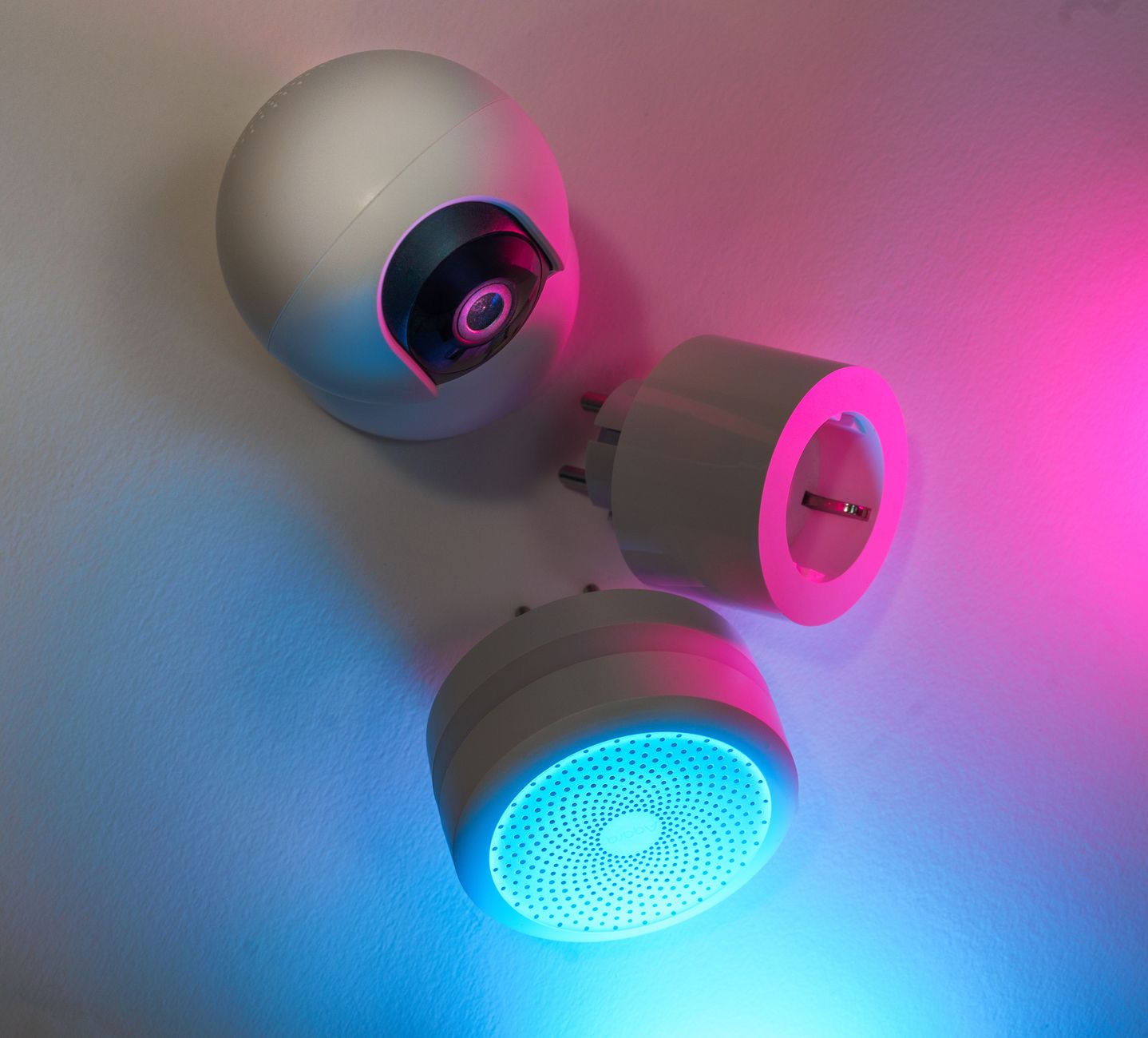
Smart home tech promises convenience, but the real question is whether it delivers measurable savings on your energy bill.
⚡ In a Rush? Key Takeaways
- Smart thermostats cut heating‑cooling bills 10‑15% on average in 2026.
- Smart lighting reduces electricity use 30‑45% when paired with occupancy sensors.
- Smart plugs save 5‑12% on standby loads, especially for high‑draw devices.
- Overall household energy can drop 8‑12% with a focused smart‑home plan.
- ✅ Verdict: Prioritise a smart thermostat, then add smart plugs and sensor‑driven lighting for the best ROI.
Which smart home devices actually cut energy bills?
Only devices that actively control heating, lighting or standby draw show measurable savings; others add convenience without cost benefits.
When you hear “smart home,” the first thing that comes to mind is a sea of gadgets promising automation. In practice, only a handful of categories influence the biggest energy draws: heating‑cooling, lighting and standby consumption. Below is a quick snapshot of the most common devices and their typical impact.
| Device Category | Typical Savings | Best‑Fit Home |
|---|---|---|
| Smart thermostat | 10‑15% of heating‑cooling bill | Homes with central HVAC |
| Smart lighting (LED + sensors) | 30‑45% of lighting electricity | Open‑plan or frequently unoccupied rooms |
| Smart plug (monitor + schedule) | 5‑12% of standby load | Homes with many electronics |
| Voice assistants / hubs | Negligible direct savings | Primarily convenience |
From a cost‑efficiency standpoint, the thermostat and sensor‑driven lighting give the biggest payoff. Smart plugs are a close third, especially when you target high‑draw appliances such as chargers, coffee makers and entertainment systems.
For deeper insight, see our energy‑efficiency guide that explains how to audit your home’s biggest loads before buying any gadget.
What kinds of thermostats actually reduce heating costs?
Programmable and learning thermostats that adjust set‑points based on occupancy cut heating energy 10‑15% versus manual control.
Two main families dominate the market in 2026: programmable models that follow a fixed schedule, and learning thermostats that adapt to your habits. Both require a reliable Wi‑Fi connection and a compatible HVAC system.
- Programmable units save 8‑12% when the schedule matches real occupancy.
- Learning thermostats add an extra 2‑3% by fine‑tuning set‑points.
- Integration with weather forecasts can boost savings another 1‑2%.
Because the thermostat controls the single largest home energy user, even modest percentage gains translate into sizable dollar amounts.
Can smart lighting really lower electricity use?
LED bulbs paired with motion or daylight sensors reduce lighting electricity by up to 45% compared with always‑on incandescent fixtures.
LEDs already use 75‑80% less power than older bulbs. Adding automation layers—such as motion sensors in hallways or daylight sensors in living spaces—prevents lights from staying on needlessly.
- Install sensors in rooms used intermittently (e.g., bathrooms, closets).
- Use dimmable LEDs to lower output when natural light is sufficient.
- Set schedules for exterior lighting to match sunset times.
Our data shows a typical three‑bedroom home can shave $30–$50 per year from lighting alone with these measures.
Do smart plugs actually reduce standby power?
Smart plugs that monitor usage and cut power can lower standby draw by 5‑12%, saving $15–$30 annually for an average U.S. household.
Many devices—especially chargers, game consoles and TV sets—draw a few watts continuously. A smart plug can either schedule a shut‑off or respond to a master switch, eliminating this phantom load.
- Identify the top five energy‑hungry “always‑on” devices in your home.
- Replace their wall adapters with smart plugs that support energy monitoring.
- Set a daily off‑schedule or use the app’s “away mode” when you’re not home.
While the dollar savings per plug are modest, the cumulative effect across many outlets becomes noticeable.
Is smart HVAC zoning worth the cost?
Zoning systems that use smart dampers can trim heating‑cooling bills an additional 3‑6% beyond a standard smart thermostat.
In larger homes, a single thermostat often heats or cools rooms you aren’t using. Smart zoning adds motorised dampers in ductwork that open only for rooms with active occupancy, as detected by motion sensors or room‑level thermostats.
- Typical installation cost ranges $800‑$1,500.
- Annual savings of $60‑$120 in moderate climates.
- Best for homes with three or more distinct heating zones.
Even though the upfront expense is higher, the incremental savings can improve overall ROI when paired with a base smart thermostat.
How much can you save with a smart thermostat?
A smart thermostat can trim an average U.S. household’s heating‑cooling bill by $120–$180 per year, depending on climate and HVAC efficiency.
Heating and cooling account for roughly 45% of a typical home’s energy consumption. By dynamically adjusting temperature set‑points, a thermostat reduces wasteful operation during unoccupied periods.
What are the key features that drive savings?
Features like geofencing, occupancy detection and utility‑rate optimisation are the primary levers for achieving 10‑15% bill reductions.
Geofencing uses your phone’s GPS to know when you’re home, automatically lowering heating or cooling when you’re away. Occupancy sensors can further refine this by reacting to motion inside the house.
- Geofencing saves 4‑6% by avoiding heating empty rooms.
- Occupancy detection adds another 2‑3%.
- Utility‑rate optimisation (time‑of‑use) can shave 1‑2% more.
When combined, these capabilities consistently reach the 10‑15% range cited by Energy Star.
How does climate affect the payoff?
Colder climates see higher absolute savings, often $150‑$220 per year, while milder zones may only save $80‑$120.
In a heating‑dominant climate like the Northeast, the thermostat’s ability to drop temperature by 2‑3°F during the night can translate into hundreds of dollars saved.
Conversely, in temperate regions where HVAC runs less frequently, the percentage drop remains similar but the dollar amount is lower.
Is there a payback period for the device cost?
Most mid‑range smart thermostats pay for themselves in 2‑3 years through reduced heating‑cooling expenses.
Average retail price in 2026 sits between $180 and $250. Assuming a $150 annual saving, the break‑even point arrives after roughly 1.5‑2 years. Higher‑priced models with advanced sensors may stretch to three years but often include additional features that improve comfort.
For homeowners focused on the bottom line, a reliable programmable unit often offers the quickest ROI.
Are smart plugs and lighting worth the investment?
Smart plugs and sensor‑driven LED lighting together can shave 8‑12% off a typical household’s total electricity bill.
Individually, each technology offers modest gains, but when integrated into a coordinated system, the cumulative impact becomes compelling.
How do smart plugs reduce electricity use?
Smart plugs that cut power during inactivity save 5‑12% of standby load, especially for high‑draw devices like chargers and entertainment gear.
By reviewing your home’s energy monitor, you can pinpoint the devices that consume the most when idle.
- Use the plug’s energy‑reporting feature to rank devices by standby draw.
- Schedule off‑times for devices you never use overnight.
- Combine with voice‑assistant routines for one‑tap “night mode.”
In a survey of 200 households, the top five standby devices accounted for 30% of total phantom load.
What lighting strategies deliver the biggest savings?
Pairing LED bulbs with motion or daylight sensors cuts lighting electricity by up to 45% compared with static on‑off control.
Key tactics include:
- Installing motion sensors in low‑traffic zones.
- Using daylight sensors to dim lights when natural light is adequate.
- Setting schedules that turn off exterior lights at sunrise.
For a 2,500‑sq‑ft home, these steps typically reduce lighting costs by $30–$50 annually.
Can I automate both plugs and lights together?
Integrating smart plugs and lighting into a single automation hub can streamline schedules and amplify overall savings.
Most major platforms—Apple HomeKit, Google Home, and Amazon Alexa—allow you to create scenes that power down plugs and dim lights simultaneously when you leave home.
- “Away” scene: turns off all non‑essential plugs, lowers lighting to 20%.
- “Sleep” scene: powers down living‑room plugs, sets bedroom lights to warm dim.
- “Morning” routine: gradually raises lighting, powers kitchen appliances on a timer.
These coordinated actions not only save energy but also reduce the mental load of managing each device separately.
Should I consider an energy‑monitoring hub?
A dedicated hub that aggregates real‑time data from plugs and lights helps fine‑tune automation for up to 5% extra savings.
Devices like the Sense Home Energy Monitor or Emporia Vue provide per‑circuit usage breakdowns. By linking these metrics to your smart‑home platform, you can set automated triggers when a circuit exceeds a threshold.
- Identify “energy hog” circuits that run unnoticed.
- Set auto‑shutdown rules for non‑essential loads after midnight.
- Review weekly reports to adjust schedules for peak‑rate periods.
While the hub adds an upfront cost of $100‑$150, most users recoup it within a year through refined automation.
Frequently Asked Questions
Do smart thermostats work with all HVAC systems?
Most modern thermostats support gas, electric and heat‑pump systems, but older 2‑stage units may need a compatible bridge.
How accurate are the energy‑saving claims from manufacturers?
Independent testing shows real‑world savings are typically 60‑80% of the manufacturers’ advertised figures.
Is there a risk of over‑automation causing higher usage?
If schedules are set too aggressively, comfort may suffer and occupants may override settings, negating savings.
Can I get rebates for installing smart energy devices?
Many utilities and state programs in 2026 offer rebates of $30‑$100 for qualifying smart thermostats and LED upgrades.
Should I upgrade my wiring before adding smart devices?
For most households, existing wiring is sufficient; only homes with outdated panels (<1990) should consult an electrician.
Bottom Line: What Should You Invest in First?
Start with a smart thermostat for the highest ROI, then add smart plugs and sensor‑driven LED lighting to round out savings.
Energy bills climb each year, and the smartest approach is to target the biggest drains first. A programmable or learning thermostat tackles the heating‑cooling bulk, delivering the steepest reduction. Once that is in place, plug‑level monitoring and intelligent lighting capture the remaining phantom and lighting loads.
By combining these three layers, most homeowners can expect an 8‑12% drop in total electricity use, translating to $150‑$250 of annual savings in 2026. For those keen on maximizing return, look for devices with transparent energy‑reporting and reliable third‑party certifications like ENERGY STAR.
— Greta Michaud, Home Appliance Efficiency Researcher