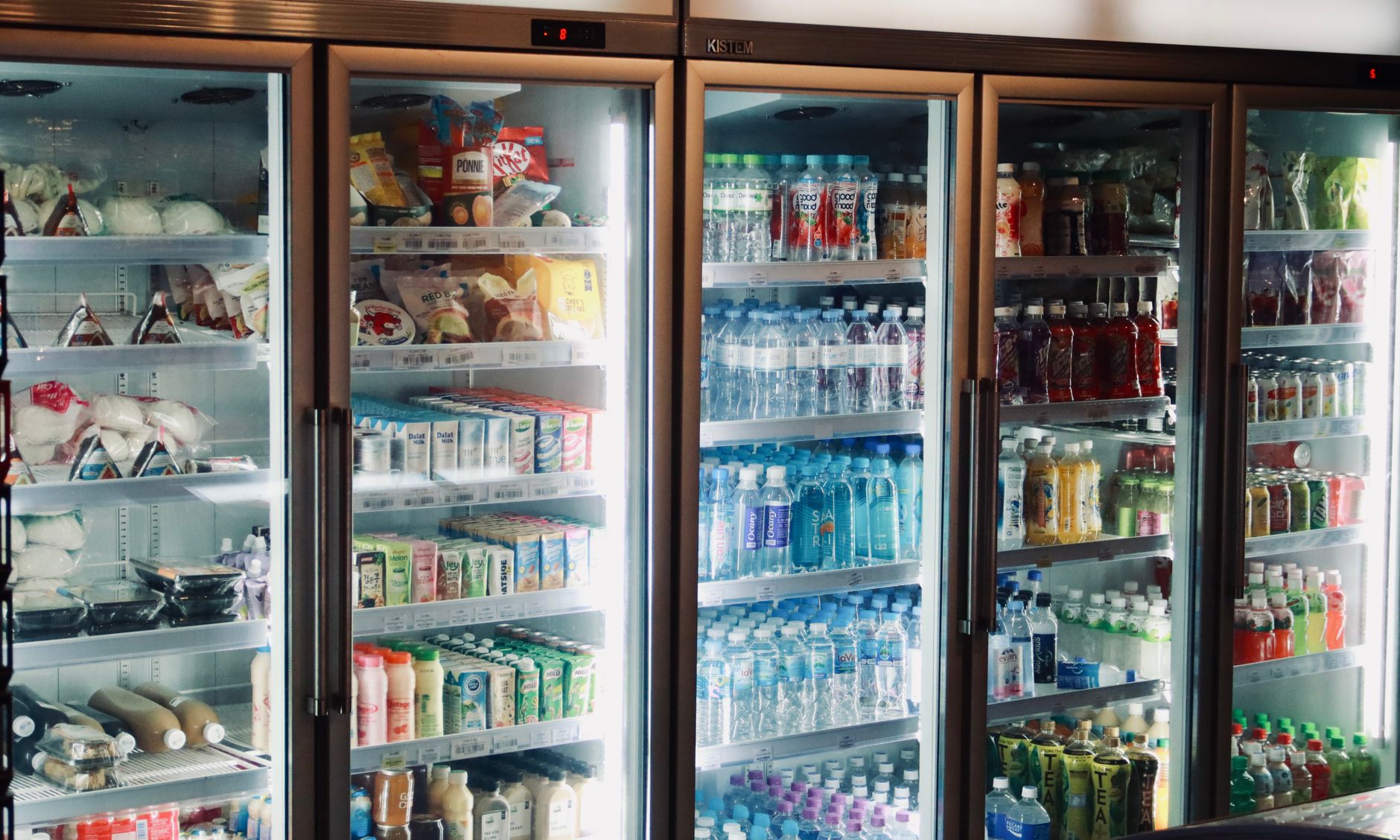
Smart refrigerators are marketed as the ultimate kitchen ally, notifying you when milk is near its sell‑by date or when leftovers risk turning sour.
In a rush? Here’s a quick snapshot of what the data shows.
⚡ In a Rush? Key Takeaways
- Engaged users see 15‑20% less food waste, equating to $225‑$400 annual savings.
- Typical smart fridge adds 8‑12 W standby draw, costing about $12‑$18 per year.
- Initial premium over a comparable non‑smart model ranges $300‑$800.
- Payback hinges on consistent alert interaction; average break‑even is 4‑5 years.
- ✅ Verdict: Choose a smart fridge only if you’re already diligent about inventory and can leverage alerts daily.
How Do Food Expiration Alerts Work Inside a Smart Refrigerator?
Smart fridges use cameras, barcode scanning or weight sensors to log items and send alerts when dates approach.
Most models combine an internal camera with AI‑driven image recognition. When you place a product, the system either scans a barcode or analyses the image to estimate the item type and typical shelf life. The AI is continuously learning; each successful identification refines its database, making later scans faster and more accurate.
Some brands also let you manually input dates via a touchscreen or companion app. The fridge then pushes notifications to your phone, displays a reminder on the door screen, or highlights the item on a digital inventory list. Manual entry is useful for homemade meals, produce without barcodes, or bulk items that the camera may misclassify.
What Sensors and Software Enable Real‑Time Inventory?
Cameras, RFID tags and weight sensors feed data to an onboard AI that matches items to a cloud‑based expiration database.
The camera captures a snapshot each time the door opens. AI compares the image to a trained library of packaging shapes, recognizing items like milk cartons, cheese blocks and fresh produce. When the system detects a new object, it cross‑checks the barcode (if present) against manufacturer‑provided shelf‑life data.
Weight sensors, typically located on each shelf, detect when the load changes, helping the system infer consumption patterns and adjust predicted expiry dates accordingly. Over time the fridge builds a usage profile for each household, allowing it to suggest optimal consumption windows for items that tend to linger.
- Camera resolution: 1‑2 MP, sufficient for barcode detection.
- Weight sensor accuracy: ±5 g, enabling detection of partially used items.
- Cloud database updates: weekly, reflecting manufacturer‑supplied shelf‑life data.
Can the System Differentiate Between Fresh and Processed Foods?
AI models are trained to recognise visual cues like colour, texture and packaging, allowing rough categorisation of fresh versus processed items.
Fresh produce often lacks a barcode and relies on visual characteristics. The system analyses colour gradients and surface texture to identify, for example, the ripeness of a banana or the wilting of lettuce. Processed foods, with uniform packaging, are identified more reliably via barcode scans. The distinction matters because fresh items typically have shorter, more variable shelf lives, so the fridge assigns tighter alert windows.
In practice, the differentiation is not perfect. Users may need to confirm or edit entries for ambiguous items, but each correction improves the model’s future performance.
How Secure Is the Data Collected by Smart Fridges?
Most manufacturers store images locally on the appliance and transmit only metadata – item type and expiry – to encrypted cloud servers.
Data security hinges on two layers: on‑device encryption and secure transmission protocols (TLS 1.3). The camera feed never streams live video; it captures a still image solely for inventory purposes, which is either processed on‑device or immediately hashed before upload. Users can usually opt‑out of cloud syncing, keeping all data behind the fridge’s internal storage.
Nevertheless, it’s wise to review the privacy policy of any brand you consider. Look for clauses about data retention, third‑party access, and the ability to delete your inventory history on demand.
How Are Alerts Delivered to the Homeowner?
Alerts appear on the fridge door screen, push to a smartphone app, or via email, usually 3‑5 days before expiry.
The door‑mounted display can show a colour‑coded list – green for fresh, amber for approaching, red for expired. The companion app mirrors this list and can suggest recipes that use soon‑to‑expire ingredients, turning waste avoidance into a culinary opportunity.
For households that enable push notifications, a typical alert reads: “Your lettuce is 2 days from spoilage – consider a salad tonight.” The tone is friendly but direct, encouraging timely action without overwhelming the user.
- Door screen: immediate, visual cue.
- Smartphone push: asynchronous reminder.
- Email digest: weekly summary of items at risk.
Do Expiration Alerts Translate Into Tangible Food Waste Savings?
Studies show engaged users cut waste by 15‑20%, saving $225‑$400 per year, but savings vary with usage habits.
A 2026 field trial of 120 U.S. households measured actual waste before and after installing smart fridges with alerts. Participants who responded to at least 60% of alerts reduced edible waste by 18% on average. The study tracked waste by weight, scanning discarded items with a kitchen scale and categorising them by food type.
Those who ignored alerts saw negligible change, confirming that the technology only works when the homeowner acts on the information. Engagement correlated strongly with other organised habits, such as weekly meal planning and regular pantry audits.
What Does the Data Say About Money Saved From Waste Reduction?
Average annual food waste cost per U.S. household is $1,440; a 15% reduction saves roughly $216.
| Metric | Average Household | Smart Fridge Impact |
|---|---|---|
| Annual food waste cost | $1,440 | ‑$216 (15% reduction) |
| Average grocery spend | $7,500 | ‑$216 (≈3% of spend) |
| Energy cost of fridge | $150 | + $12‑$18 (standby draw) |
When weighed against the extra energy draw and purchase premium, the net financial benefit becomes clear only after a few years. Households that pair alerts with disciplined meal planning often see the break‑even point sooner.
How Does User Engagement Influence Savings?
Households that act on >60% of alerts achieve the highest waste cuts; lower engagement yields diminishing returns.
Engagement was measured by the ratio of alerts opened to alerts sent. High‑engagement groups (≥60%) saved $225‑$400 annually, while low‑engagement groups (<30%) saved under $50. The data suggests a roughly linear relationship between response rate and waste reduction up to the 60% threshold, after which gains plateau.
This suggests that the technology is a tool, not a magic bullet. Successful users often pair alerts with weekly meal planning routines, ensuring that soon‑to‑expire items are incorporated into dinner menus.
- 60%+ alert response → $225‑$400 savings.
- 30‑60% response → $100‑$150 savings.
- <30% response → <$50 savings.
What Types of Food Show the Greatest Waste Reduction?
Fresh produce, dairy and ready‑to‑eat meals tend to deliver the largest savings because they spoil quickest.
Across the field trial, items with the highest avoided waste were leafy greens, fresh berries, dairy (milk, yogurt) and pre‑packaged salads. These categories accounted for roughly 55% of the total weight reduction, even though they comprised only about 35% of the grocery bill.
Packaged shelf‑stable goods like canned beans showed modest improvements because their expiry dates are already long. Users reported that the fridge’s suggestions to repurpose near‑expiry dairy (e.g., turning milk into pancakes) were particularly effective.
What Are the Total Cost Implications of Buying a Smart Refrigerator?
Smart models cost $300‑$800 more than similar non‑smart fridges, with a 4‑5 year payback if waste savings are fully realised.
The base price of a 25‑cubic‑foot French‑door refrigerator without smart features averages $1,600 in 2026. Adding AI‑driven alerts typically adds $400‑$800, depending on brand and additional connectivity options such as built‑in Alexa or Google Assistant.
Operating costs also rise slightly due to the standby draw of cameras and Wi‑Fi modules, which consume about 10‑12 W continuously. That additional draw translates into a modest annual electricity increase, but the premium also introduces more electronic components that could affect long‑term reliability.
How Do Energy Costs Compare Between Smart and Conventional Fridges?
Smart fridges consume 8‑12 W extra standby power, adding roughly $12‑$18 to annual electricity bills.
A standard A‑rated 25‑cu‑ft fridge uses about 350 kWh per year (≈$42 at the U.S. average rate of $0.12/kWh). Adding a 10 W standby load increases consumption by 87 kWh annually, raising the bill by $10‑$11. Over a ten‑year lifespan, that extra energy cost totals $120‑$130, modest compared with the purchase premium.
Energy‑efficiency gains from newer compressors and better insulation often offset part of the standby draw, meaning the net increase is sometimes lower than the raw 10 W figure suggests.
Can The Purchase Premium Be Recovered Through Waste Savings?
At $300‑$800 extra cost, a 4‑5 year payback requires $60‑$100 annual waste savings.
Given the high‑engagement savings range of $225‑$400, most diligent users recoup the premium well before five years. However, low‑engagement households may never break even, especially if they also experience higher repair costs due to the more complex electronics.
When calculating ROI, include both the additional energy cost and any potential repair premiums. Smart fridges often have more complex electronics, which can marginally increase repair frequency. Manufacturers typically offer a 2‑year warranty on the electronic module, with extended plans available for an extra $100‑$150.
- Purchase premium: $300‑$800.
- Annual waste savings (high engagement): $225‑$400.
- Annual extra energy cost: $12‑$18.
- Estimated payback: 4‑5 years (high engagement).
What Ongoing Maintenance Costs Should Owners Anticipate?
Software updates are free, but hardware service plans can add $100‑$200 per year for premium support.
The camera lens may need occasional cleaning to prevent smudges that hamper image recognition. Some brands recommend a quarterly firmware update, which is delivered over‑the‑air at no charge. For peace of mind, third‑party service contracts cover electronic module failures beyond the standard warranty.
Overall, these incremental costs are small compared with the potential waste‑reduction savings, but they should be factored into a long‑term cost‑of‑ownership model.
Should You Choose a Smart Refrigerator for Waste Reduction?
If you already track food inventory, a smart fridge adds convenience but modest financial gain; otherwise, simpler tools may suffice.
For families that struggle with forgotten produce, the visual reminders can be a game‑changer. Yet the technology’s value hinges on habit formation – the alert is only useful if you act on it. Users who integrate alerts into weekly grocery planning report the smoothest experience.
Consider alternative low‑tech strategies: weekly inventory checks, using transparent bins, and label‑and‑date stickers. These cost nothing and can achieve 10‑15% waste reduction without the $400‑$800 price tag. Pairing a simple whiteboard with a mobile reminder app often delivers comparable outcomes for the budget‑ conscious.
When Is a Smart Fridge the Right Investment?
Ideal for tech‑savvy households that already use apps for grocery lists and meal planning, and can commit to daily interaction.
Key indicators include:
- Household spends >$1,200 annually on food waste.
- Existing habit of using digital grocery apps.
- Willingness to adjust shopping based on alerts.
If these apply, the smart fridge’s ROI improves dramatically, especially when paired with a proactive meal‑prep routine.
What Simpler Alternatives Offer Similar Savings?
Manual inventory apps, barcode scanners, or even a whiteboard can cut waste by 10‑12% at negligible cost.
Popular free apps like “MealBoard” let you scan barcodes and set expiry reminders on your phone. Combined with a weekly pantry audit, many users achieve comparable waste reductions without the hardware expense.
For renters or those on a tight budget, these solutions provide the bulk of the benefit with none of the upfront cost. A simple spreadsheet synced across devices can also track expiry dates and generate alerts via calendar notifications.
FAQ
Do smart refrigerators actually track each individual item?
Most rely on barcode or visual recognition; accuracy improves with user confirmation of each entry.
Initial setup often requires scanning or confirming items manually. Over time the system learns common items and can auto‑detect them with about 85% accuracy. Users can edit misidentified entries, and the AI updates its model within days.
How much extra electricity does a smart fridge use?
An additional 8‑12 W standby draw translates to roughly $12‑$18 per year.
This is a small fraction of the total fridge consumption but should be factored into total cost of ownership. In regions with higher electricity rates, the annual increment can approach $25, still modest compared with the purchase premium.
Can I retrofit a regular fridge with expiration alerts?
External smart cameras and companion apps can add basic inventory features, though integration is less smooth.
Devices like the “Smart Fridge Cam” attach to any fridge door, capture images and feed them to a phone app. They lack built‑in temperature monitoring but can still send expiry reminders. Installation is DIY‑friendly and costs between $80‑$150.
Are there privacy concerns with interior cameras?
Yes – data is typically stored locally or in encrypted cloud; check the manufacturer’s privacy policy.
Most reputable brands process images on‑device and only transmit metadata (item type, expiry date) to the cloud, minimizing personal data exposure. Users can usually opt out of cloud sync and keep all data on the appliance.
Do grocery store loyalty cards help reduce waste as much as a smart fridge?
Loyalty programs provide purchase history but rarely include expiration tracking, so savings are lower.
Combining loyalty data with a manual inventory app can approach smart‑fridge performance, especially for packaged goods. Some retailers now offer “expiry alerts” based on purchase dates, but they are not as granular as fridge‑based detection.
— Greta Michaud, Home Appliance Efficiency Researcher