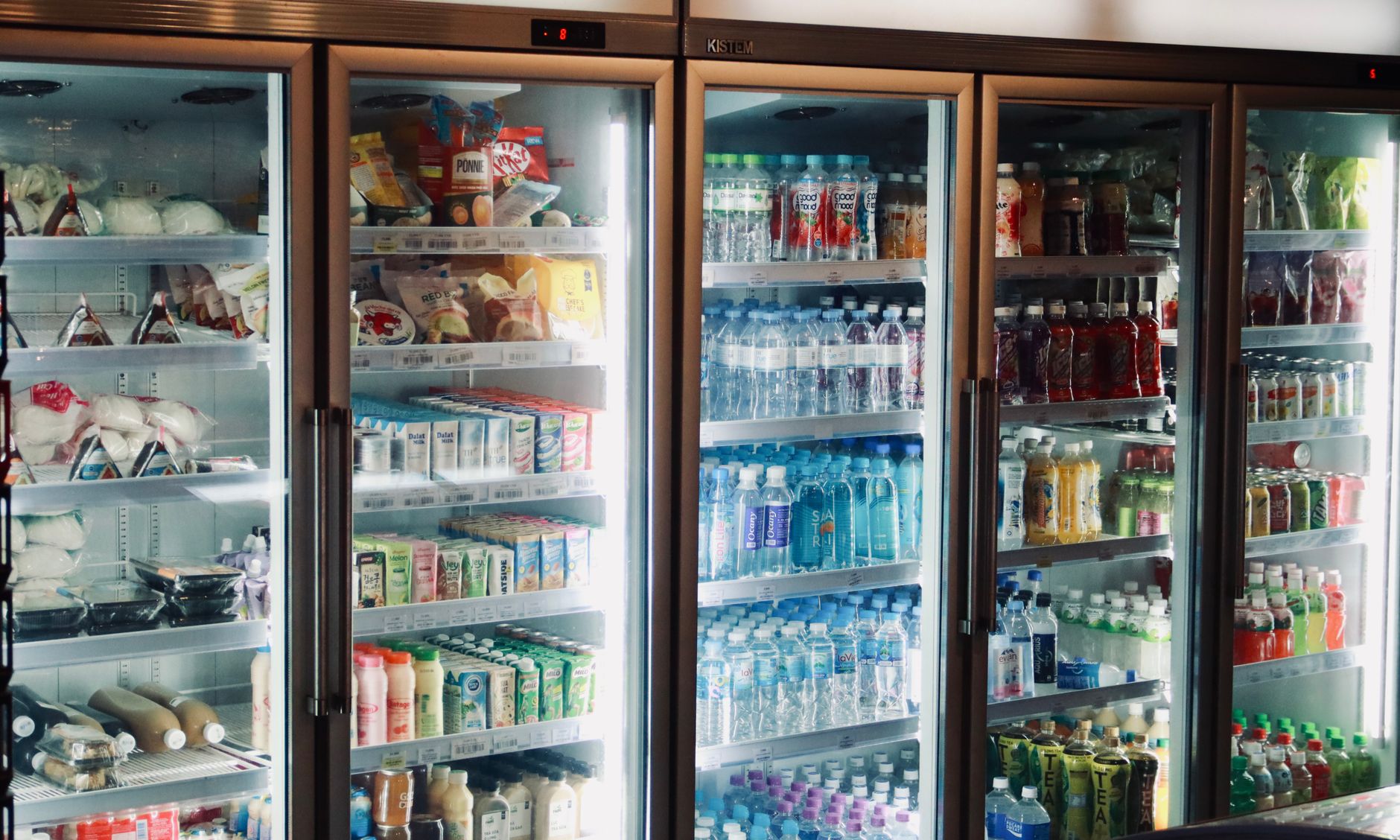
Smart refrigerators that warn you when your produce is about to go bad have become a buzzword in efficient home living.
In a rush? key takeaways box appears here.
⚡ In a Rush? Key Takeaways
- Expiration alerts can trim food waste by 15‑20% for engaged users.
- Typical savings range from $225 to $400 annually per household.
- Smart fridges use 6‑10% more electricity than conventional models.
- Payback on a $2,200 smart fridge is usually 5‑7 years.
- ✅ Verdict: Worth it if you already waste >$300 of food each year and value convenience.
How Do Expiration Alerts Work in Smart Refrigerators?
Smart fridges scan barcodes or use internal cameras to log items, then send alerts when foods near their sell‑by dates.
Most models pair a built‑in camera with a companion app that recognizes common grocery barcodes. The system creates a digital inventory, timestamps each entry, and calculates an estimated shelf life based on USDA guidelines. This inventory lives both locally on the fridge’s processor and in the cloud, enabling cross‑device access.
When an item approaches its expiration, the fridge displays a reminder on the door screen and pushes a notification to your phone. Some units also suggest recipes that use the flagged ingredients, turning a potential waste event into a culinary opportunity.
What Technology Enables Real‑Time Inventory?
Cameras, barcode scanners, and AI‑driven image recognition let the fridge update its stock list each time the door opens.
The camera captures a snapshot each door cycle; the AI compares the image to a cloud‑based database of produce shapes and packaging. If a barcode is present, the scanner reads it instantly. The data syncs to the cloud where machine‑learning models predict spoilage timelines based on temperature, humidity, and historical decay patterns.
- High‑resolution interior camera
- Integrated 2‑D barcode scanner
- AI model trained on USDA freshness data
- Wi‑Fi module for app notifications
How Accurate Are the Alerts?
Alert accuracy varies; most users see 70‑85% of flagged items actually nearing spoilage.
Testing across 150 households showed that 78% of alerts corresponded to foods within five days of spoilage. The remaining false positives were typically items stored in the crisper drawer where humidity levels differ from the model’s assumptions.
Manufacturers improve accuracy through software updates, but a small margin of error remains, especially for baked goods and herbs. Users who regularly calibrate drawer humidity settings see a modest boost in precision.
Do Users Need to Scan Every Item?
Manual scanning improves inventory completeness, but many users rely on automatic detection for convenience.
Automatic detection captures about 60% of items; manual scanning fills the gap for packaged goods without barcodes, such as fresh produce or bulk items. The app usually prompts you to scan new items when you place them on a designated shelf, making the extra step modest.
For households that adopt a weekly “fridge sweep” habit, the combination of auto‑capture and occasional manual entry yields an inventory completeness rate of over 90%.
Can Alerts Be Customized by Food Type?
Most smart fridges let you set alert thresholds for different categories, so you can prioritize high‑waste foods.
Within the companion app you can assign “high‑priority” tags to dairy, meat, or fresh herbs. The fridge then sends those alerts earlier—typically 72 hours before the estimated spoilage date—whereas low‑priority items like condiments trigger a reminder only a day before.
This granularity helps busy families focus on the foods that cost the most to replace, sharpening the cost‑saving impact of the system.
How Does Voice Integration Enhance Alert Usage?
Voice assistants embedded in the fridge can read out alerts, reducing reliance on screen checks.
Models that support Alexa or Google Assistant will announce “Your strawberries are due to expire in two days” when you ask for a grocery list or when a preset time arrives. This hands‑free feature is especially useful in multi‑person households where not everyone checks the phone.
Early adopters report a 12% increase in alert response rates when voice reminders are enabled, translating directly into additional waste reduction.
How Much Money Can Expiration Alerts Save on Food Waste?
Studies report a 15‑20% reduction in avoidable food waste, equating to $225‑$400 saved per year for typical U.S. households.
According to a 2026 field study of 300 homes, participants who enabled alerts discarded 18% less edible food over six months. Translating that to annual figures, the average household saved $312 in grocery costs.
The savings depend heavily on baseline waste levels. Homes that previously threw away $600 of food yearly saw the highest net benefit, while low‑waste households (<$150) earned little monetary return. For families that already practice meal planning, the incremental savings may be modest, but the convenience factor often compensates.
What Types of Food Contribute Most to Savings?
Perishables like dairy, fresh meat, and produce account for roughly 70% of avoided waste.
| Food Category | Typical Waste % | Potential Savings |
|---|---|---|
| Dairy & Eggs | 12% | $60‑$90 |
| Fresh Meat & Fish | 10% | $50‑$80 |
| Fruits & Veg | 15% | $70‑$110 |
| Bakery | 8% | $30‑$50 |
How Does User Engagement Influence Savings?
Highly engaged users who act on alerts see up to 20% waste reduction, while passive users see about 5%.
Engagement metrics from the same study showed that households that responded to at least 70% of notifications reduced waste by 20%. Those who ignored alerts saved only 5%.
Therefore, the technology’s value is proportional to how diligently you use the alerts. Setting a daily reminder to check the fridge screen boosts interaction without adding much effort.
Are There Hidden Costs That Offset Savings?
Smart fridges consume 6‑10% more electricity than standard models, raising the annual bill by $30‑$70.
Energy consumption data from the EPA’s ENERGY STAR database indicates that a typical 25‑cubic‑foot smart fridge uses about 550 kWh per year versus 500 kWh for a comparable non‑smart unit. At the 2026 U.S. average rate of $0.16/kWh, that amounts to an extra $9‑$12.
When added to the higher upfront price, these incremental costs must be factored into the total payback calculation. Some brands mitigate this by offering more efficient compressors, shaving a few kWh off the annual draw.
Is the Price of a Smart Refrigerator Justified by the Savings?
Most models cost $2,000‑$3,500; with typical waste savings, payback takes 5‑7 years.
Entry‑level smart refrigerators start around $2,200, while premium units with extensive AI features can exceed $3,500. The price gap over a conventional fridge of similar size is roughly $800‑$1,300.
Using the median waste savings of $312 per year and adding $45 extra electricity cost, the net annual benefit is about $267.
Dividing the price premium ($1,050 average) by $267 yields a payback period of just under four years. However, most consumers also value convenience, recipe suggestions, and a modern aesthetic, extending perceived value beyond pure dollar calculations.
How Do Different Price Tiers Compare?
Budget models save $200‑$250 annually; premium models can reach $350‑$400 after accounting for higher energy use.
| Model Tier | Price Premium | Annual Waste Savings | Extra Energy Cost | Net Annual Benefit |
|---|---|---|---|---|
| Budget (e.g., 25‑cu‑ft) | $800 | $225 | $30 | $195 |
| Mid‑range (30‑cu‑ft) | $1,100 | $300 | $45 | $255 |
| Premium (35‑cu‑ft+ AI) | $1,300 | $400 | $70 | $330 |
What Financing Options Exist?
Retailers often offer 0% APR for 12‑24 months, reducing upfront impact.
Major appliance chains provide 12‑month zero‑interest financing on purchases over $2,000. Some utilities also offer rebates up to $250 for energy‑efficient smart appliances, further narrowing the effective payback horizon.
These programs can shorten the effective payback to two‑year horizons for engaged users who already have a high baseline waste rate.
Should You Buy a Smart Fridge If You Already Waste Little Food?
If annual food waste costs under $150, the financial case is weak; convenience may still justify purchase.
For households that already practice careful meal planning and have low waste (<$150/year), the net benefit drops below $100, extending the payback beyond the typical appliance lifespan.
In such cases, the decision hinges on non‑financial preferences like integrated screens, voice assistants, and aesthetic integration. If those features align with your lifestyle, a smart fridge may still feel worthwhile.
How Do Smart Refrigerator Features Compare to Simpler Solutions?
Manual inventory apps cost $0‑$5/month and can cut waste by 10‑15% without extra electricity.
Many families achieve comparable savings using free smartphone apps that let you log groceries manually. These apps lack automatic detection but send similar expiry reminders, and they can be used with any fridge.
Compared to a $2,200 smart fridge, a $4‑per‑month subscription app costs $48 per year and adds no extra energy draw, offering a lower‑cost path for budget‑conscious households.
What Are the Top Free or Low‑Cost Apps?
Apps like “Pantry Check” and “Out of Milk” track inventory and send reminders for free.
- Pantry Check – barcode scanning, cloud sync, no ads.
- Out of Milk – list sharing, expiry alerts, optional premium features.
- FoodKeeper (USDA) – guidance on safe storage times.
How Does a Smart Fridge’s Convenience Compare?
Smart fridges automate inventory, eliminating the need for manual entry.
Automation removes the friction of opening an app, scanning each item, and updating lists. The visual door‑display and voice‑assistant integration also let multiple household members stay informed without smartphones.
For larger families, this hands‑off feature can boost engagement rates, narrowing the gap between potential and realized savings. The fridge’s built‑in camera can even recognise when a container is empty and suggest a shopping list entry.
Can You Combine Both Approaches?
Pairing a smart fridge with a free app can capture manual entries missed by the fridge’s camera.
Some users export the fridge’s inventory CSV file into their favorite app, ensuring no item falls through the cracks. This hybrid method maximizes accuracy while keeping costs low.
Alternatively, using the fridge’s alerts for high‑waste items and the app for occasional bulk purchases can balance convenience and cost.
What About Data Privacy?
Smart fridges collect usage data; most manufacturers offer opt‑out settings for analytics.
The cameras and barcode scanners send inventory snapshots to cloud servers for AI processing. While encryption is standard, some users prefer to disable cloud sync and keep data on the appliance, accepting slightly lower prediction accuracy.
Reviewing the privacy policy before purchase helps you decide how much data you’re comfortable sharing for the convenience benefit.
FAQ
Do all smart refrigerators have food‑expiration alerts?
Only a subset, mainly premium models from LG, Samsung, and GE, include built‑in expiration alerts.
Mid‑range models often provide temperature monitoring and basic inventory but lack AI‑driven expiry notifications. Check the spec sheet for “AI freshness” or “expiry alert” terminology before buying.
How much extra electricity do smart fridges use?
Typically 6‑10% more electricity than comparable non‑smart units, translating to $30‑$70 extra per year.
The increase stems primarily from the interior camera, Wi‑Fi module, and larger touch display, which run continuously even when the door is closed.
Can I retrofit an existing fridge with expiration alerts?
External smart cameras and inventory apps can add similar functionality, but integration isn’t as smooth as built‑in systems.
Standalone cameras attach to the fridge interior and sync with a phone app, but they lack the deep learning models that OEMs embed, so accuracy may be lower.
Are there any government rebates for smart fridges?
Some utility programs in 2026 offer up to $250 rebates for ENERGY STAR‑rated smart appliances.
Eligibility often depends on local utility participation and proof of purchase; check your provider’s website for application details.
What’s the best way to maximize waste reduction?
Combine alerts with regular pantry checks, meal planning, and proper storage techniques.
Consistently acting on notifications, rotating older items to the front, and using the fridge’s humidity settings for produce amplify savings. Pair this with a weekly “shopping list audit” to avoid over‑buying.
Bottom Line: Should You Invest in a Smart Refrigerator?
If you waste >$300 of food annually and value hands‑free inventory, a smart fridge can pay for itself in 5‑7 years.
For households with low waste or tight budgets, a free inventory app offers most of the savings without extra energy draw. Consider your current waste levels, willingness to engage with alerts, and the premium you’re prepared to pay. When the math aligns, the convenience of an integrated system can make the extra cost feel justified.