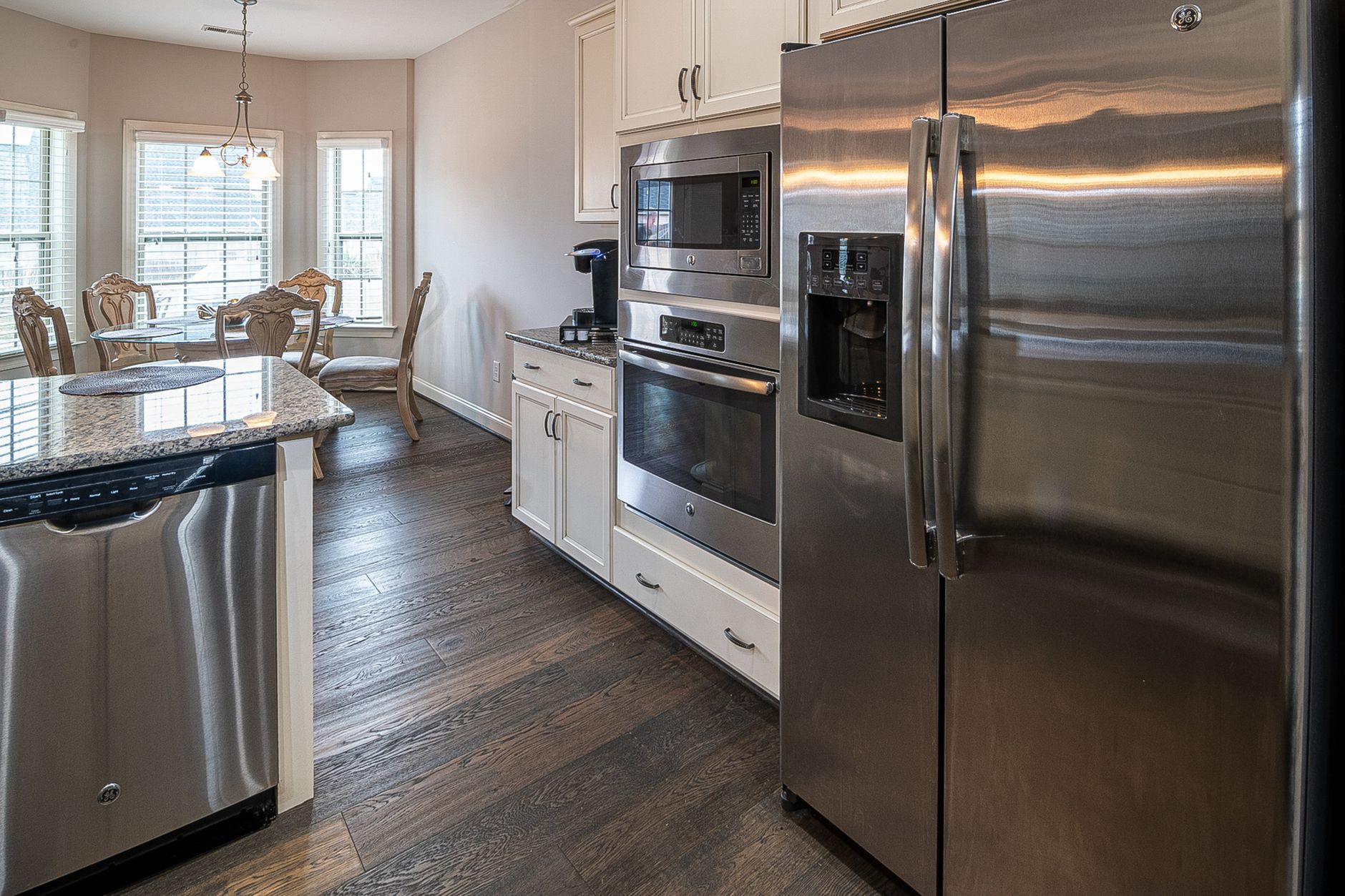
When the showroom flashes a “bundle deal” on a fridge, oven, and dishwasher, it can feel like a bargain you don’t want to miss.
But behind the glossy marketing lies a complex calculation of purchase price, installation fees, warranty coverage, and future running costs.
⚡ In a Rush? Key Takeaways
- Typical bundle discounts range from 7% to 15% off the combined retail price.
- Installation fees often rise by 20‑30% when all three appliances are installed together.
- Extended warranties bundled with a package add $120‑$250 in value, but only if you keep appliances beyond five years.
- Energy‑label differences can erase bundle savings; a $200‑$400 efficiency gap per year is common.
- ✅ Verdict: Bundles are worthwhile only when discount exceeds 12% + installation rise, and the appliances share similar energy ratings.
How Do You Calculate the True Cost of a Kitchen Appliance Bundle?
Add purchase price, installation, warranty, and projected energy use to see if a bundle saves money versus separate buys.
Most retailers quote a single bundled price, but the real expense includes three hidden components that rarely appear on the sales sheet. Ignoring any one of these can turn a seemingly generous discount into a hidden loss for the homeowner.
What Should Be Included in the Purchase‑Price Comparison?
Sum the sticker price of each appliance, then subtract the advertised bundle discount to get the net purchase cost.
For example, a 2026‑model French‑door fridge at $1,199, a 30‑in. electric range at $1,099, and a dishwasher at $799 total $3,097. A 10% bundle discount drops the net to $2,787. You then compare that figure to the sum of the three individual list prices after any manufacturer rebates you might qualify for.
- List each appliance’s MSRP.
- Apply the bundle discount percentage.
- Record the final bundled price.
- Subtract any manufacturer or utility rebates that apply to individual purchases.
How Much Does Installation Really Add?
Installation for three appliances together usually costs $250‑$350, about 20‑30% more than separate installs.
Retailers often bundle installation at a “flat rate,” but the labour time multiplies. A single‑unit install averages $90; three units climb to $260‑$300. The higher fee reflects the need for multiple technicians, extra plumbing or gas line work, and the logistics of moving larger appliances through tight doorways.
When you break it down:
| Scenario | Installation Cost |
|---|---|
| Separate installs (3 × $90) | $270 |
| Bundled install (discounted) | $260‑$300 |
What Role Do Warranties and Service Plans Play?
Bundled warranties add $120‑$250 in coverage, but the value depends on appliance reliability and ownership length.
Many bundles include a two‑year extended warranty at no extra charge. In 2026, the average repair cost for a dishwasher is $210; a two‑year plan that covers parts and labor can be worth the $150 price tag if you keep the unit beyond the standard one‑year manufacturer warranty. The same logic applies to fridges and ranges, though repair costs vary widely by brand.
Consider the following when evaluating warranty value:
- Average repair cost for each appliance type.
- Typical lifespan of the brand/model.
- Whether the warranty is transferable.
- Exclusions that could nullify the perceived benefit.
How Does Financing Influence the Bottom Line?
Zero‑interest financing can mask true cost; calculate the effective APR to compare.
Retailers frequently advertise “0% APR for 12 months” on bundle purchases. While the monthly payment may look affordable, the total amount paid remains the same, and you lose the ability to negotiate a deeper discount. If you have a credit card that offers a 15% APR but a cash‑back reward, paying outright may actually be cheaper.
To gauge impact, compute the implied annual percentage rate (APR) using the formula:
- APR ≈ (Total interest paid ÷ Loan amount) ÷ (Loan term in years) × 100.
- Compare that APR to your personal borrowing cost.
- Factor any promotional rebates that are only available with cash purchases.
Are Energy‑Efficiency Savings Enough to Offset Bundle Pricing?
A single energy‑efficient model can save $200‑$400 per year, often outweighing a modest bundle discount.
Energy consumption is the silent cost that compounds over a decade. The new EU‑style energy label (adopted in the US market for high‑end appliances) helps quantify this. When a bundle mixes high‑ and low‑efficiency units, the annual electricity bill can creep upward, quickly eroding any upfront savings.
How Do Energy Labels Translate Into Dollar Savings?
An A‑rated fridge uses about 150 kWh less per year than a C‑rated model, saving roughly $24 at the 2026 US average rate of $0.16/kWh.
Multiply that across three appliances. If the bundled set includes two C‑rated units and one A‑rated, you may lose $350‑$450 in yearly electricity costs compared with an all‑A‑rated individual purchase. Over ten years, that gap can exceed $4,000, completely neutralising a 10% upfront discount.
Can You Use a Running‑Cost Calculator to Compare Scenarios?
Our Kitchen Cost Calculator lets you input kWh data and electricity rates to see long‑term savings.
Enter the estimated annual kWh for each appliance (e.g., fridge 350 kWh, range 800 kWh, dishwasher 270 kWh) and the local rate. The tool returns a 10‑year operating cost, revealing whether the bundle’s lower upfront price is eroded by higher energy bills.
Try our Kitchen Cost Calculator for a quick snapshot.
Do Incentives and Rebates Change the Equation?
Utility rebates for ENERGY STAR appliances can add $50‑$150 per item, improving bundle economics.
In 2026 many states offer up to $100 per ENERGY STAR appliance. If your bundle includes two qualifying units, you could receive $200 in rebates, effectively increasing the discount beyond the retailer’s advertised percentage.
- Check local utility websites for rebate eligibility.
- Verify that the rebate applies to bundled purchases.
- Factor rebate timing into your cash‑flow analysis.
What About Future Appliance Upgrades?
Planning for upgrades can shift the cost‑benefit balance of a bundle.
If you anticipate replacing one of the three appliances within five years—perhaps a range that you’ll upgrade to a higher‑capacity model—the bundled discount diminishes because you’ll lose the original purchase price advantage. Conversely, if you expect the appliances to stay for a decade, the longer‑term energy and warranty considerations become more significant.
Use a simple spreadsheet to project total cost of ownership (TCO) under two scenarios: keeping all three for ten years versus swapping one out after five. The difference will highlight whether the bundle’s upfront savings survive future changes.
When Is It Smart to Choose a Bundle Over Individual Purchases?
A bundle is a good deal when discount + rebates > extra installation cost + energy‑inefficiency loss.
By aligning the numbers, you can decide case‑by‑case rather than relying on sales hype. Remember that each household’s energy rates, financing terms, and reliability expectations differ, so a universal rule rarely applies.
What Discount Threshold Makes a Bundle Viable?
Aim for a minimum 12% overall discount after accounting for installation and warranty costs.
Using the earlier example, the combined purchase price of $3,097 would need to drop to at least $2,724 (12% off) to offset the $30‑$40 installation premium and still break even on energy costs. Adding a $150 rebate for two ENERGY STAR units would push the effective discount to roughly 17%, comfortably clearing the threshold.
How Do Brand Reliability and Repair Histories Influence the Decision?
High‑reliability brands (Bosch, Miele) reduce future repair costs, making bundles with them more attractive.
If a bundle includes a low‑reliability dryer that averages $250 in repairs every four years, the long‑term savings evaporate quickly. Check consumer‑report reliability scores before committing; a modestly higher upfront price for a reputable brand often pays for itself within a few years.
What Are the Practical Logistics of Coordinating a Bundle Install?
Coordinating delivery and installation for three appliances can add scheduling complexity and potential delays.
Homeowners often experience a 1‑2 week delay when a retailer must align three technicians. If you need an appliance urgently, buying individually may be faster and less stressful. Additionally, larger deliveries increase the risk of damage during transport, so verify the retailer’s insurance policy.
- Ask the retailer for a guaranteed installation window.
- Confirm that all appliances fit existing utility connections.
- Verify that the installer will remove old appliances at no extra charge.
- Request a written schedule to avoid unexpected delays.
FAQ
Do kitchen appliance bundles include delivery fees?
Most bundles bundle delivery, but always confirm; some retailers charge separate “white‑glove” fees per item.
Can I negotiate a better price on a bundle?
Yes—retailers often have room to increase the discount or add free extended warranty if you ask.
Are bundle warranties the same as manufacturer warranties?
Bundle warranties are typically third‑party plans; they may differ in coverage limits and claim processes.
What if I only need two of the three appliances?
Most sellers will not prorate the bundle; buying individually may be cheaper unless you can find a custom two‑item package.
How do I track the running cost of each appliance?
Use our Kitchen Cost Calculator or a plug‑in energy monitor to log kWh per cycle.
Bottom Line: Should You Take the Bundle?
Buy the bundle only if the net discount surpasses 12% after all fees, and the appliances share high energy ratings.
In 2026, the market offers genuine bundle savings mainly during holiday sales or when utilities publish rebate programs. By running the numbers—purchase price, installation, warranty, and projected energy use—you can determine whether the bundle truly reduces your total cost of ownership.
When the math lines up, a bundle can simplify your purchase journey and give you coordinated design aesthetics. When it doesn’t, purchasing each piece individually, possibly mixing brands for the best efficiency, will keep your wallet—and your energy bill—in better shape.
— Greta Michaud, Home Appliance Efficiency Researcher