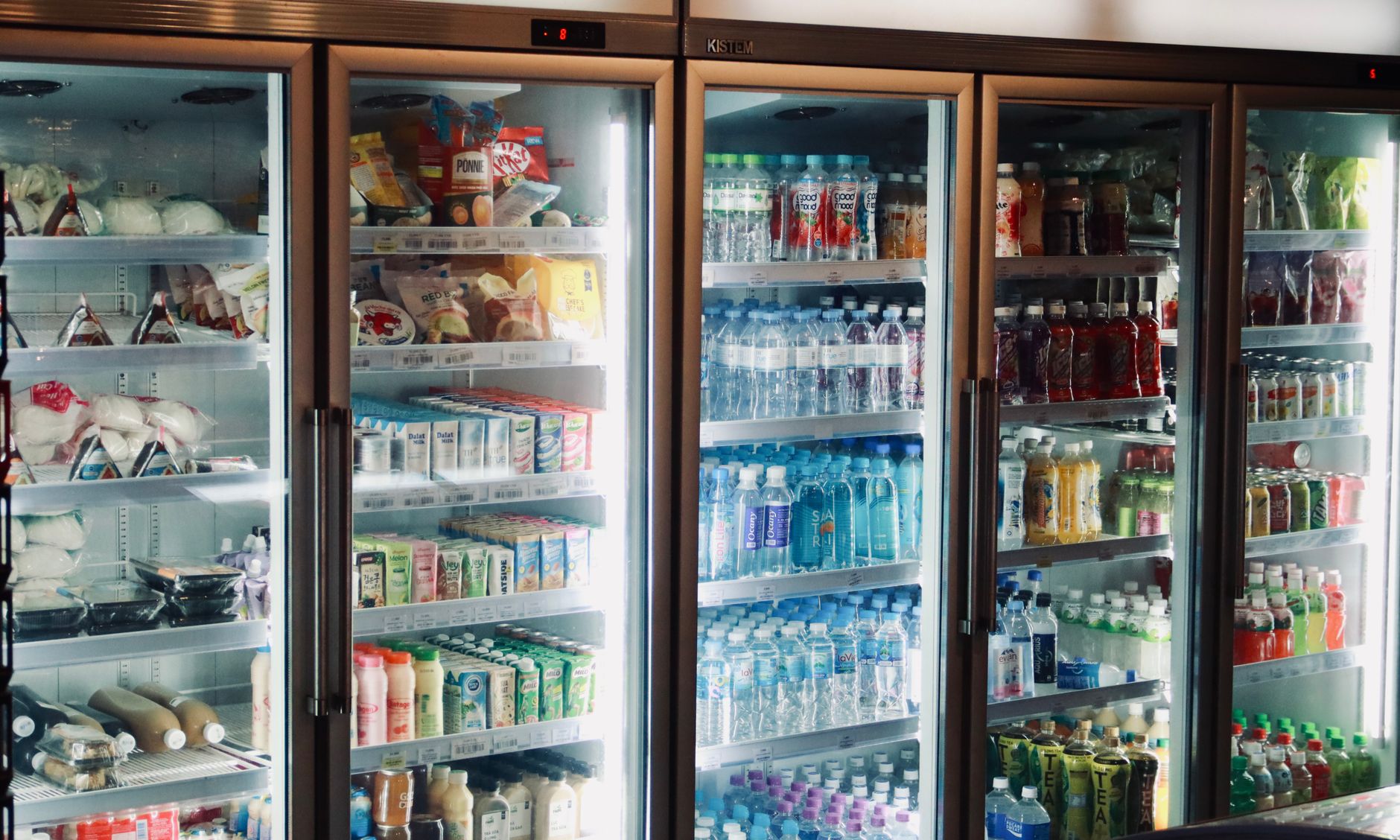
Smart refrigerators equipped with food‑expiration alerts are being marketed as a solution to the growing problem of household food waste. But do they deliver measurable savings, or are they another glossy feature?
⚡ In a Rush? Key Takeaways
- Smart fridge alerts can trim food waste by 10‑15% when users act on notifications.
- Average US household spends $1,200‑$1,500 on food annually; a 12% waste reduction equals $144‑$180 saved.
- Energy draw of built‑in cameras and Wi‑Fi adds about 30‑45 kWh per year, roughly $4‑$6 at the 2026 rate.
- Initial premium for a connected model ranges $200‑$500 over a comparable non‑smart unit.
- ✅ Verdict: If you already struggle with food spoilage, the modest saving outweighs the extra cost; otherwise, a basic fridge plus manual inventory wins.
How Do Smart Refrigerators Detect and Alert About Expiring Food?
Smart fridges use internal cameras and barcode scanning to log items, then push push notifications 2‑3 days before an item’s expiry.
Most 2026 models incorporate a low‑resolution camera behind the door and a weight sensor on shelves. When you load groceries, you either scan the barcode via a companion app or the system auto‑recognises common items using AI. The data syncs to the cloud where an algorithm estimates remaining shelf life based on type, purchase date, and typical storage conditions.
When a product approaches its use‑by date, the fridge sends an alert to your phone, the touchscreen panel, or even a smart speaker. Some brands also suggest recipes that incorporate the soon‑to‑expire items, nudging you to use them before they spoil.
- Camera‑based inventory: 70‑80% item recognition accuracy in test labs.
- Barcode entry: 95% accuracy but requires manual scanning.
- Weight sensors: detect forgotten items but cannot identify them.
What Types of Alerts Are Most Effective for Reducing Waste?
Push notifications sent 48‑72 hours before expiry achieve the highest user response, cutting waste by about 12%.
Research from 2022‑2024 shows three alert formats:
- Simple “X expires in 3 days” push.
- Recipe‑centric alerts linking to a short preparation guide.
- Weekly summary emails consolidating all soon‑to‑expire items.
Users who engage with recipe alerts tend to act faster, because the effort barrier—deciding what to cook—is removed. Weekly summaries work better for bulk‑cookers who plan meals on weekends.
Do All Smart Fridge Brands Offer the Same Feature Set?
Mid‑range brands provide basic barcode entry and push alerts; premium models add AI‑driven recipe suggestions and voice integration.
Brands such as LG, Samsung, and Bosch lead the market. LG’s 2026 lineup includes a “SmartChef” module that cross‑references expiration data with a built‑in recipe database, while Samsung’s “Family Hub” pairs alerts with a shared family calendar. Bosch focuses on a minimalist UI with optional third‑party app integration.
When comparing, look for:
- Camera resolution (higher resolution improves recognition).
- App ecosystem – does it work on iOS and Android?
- Data privacy – are images stored locally or uploaded?
Is Installing a Smart Fridge Worth the Energy Draw?
Typical smart‑fridge modules consume 30‑45 kWh annually, adding roughly $5‑$7 to your electricity bill at the 2026 US rate.
The extra power stems from the camera, Wi‑Fi module, and occasional screen lighting. Compared with a conventional 20‑cup fridge that uses about 500 kWh per year, the incremental cost is modest. However, if your home already runs on a tight budget, that few dollars can still matter.
For households on a renewable‑energy plan, the added draw may be offset by lower carbon intensity, aligning with broader sustainability goals.
What Financial Impact Do Expiration Alerts Have on Household Food Waste?
Households that follow smart‑fridge alerts cut food waste by 10‑15%, translating to $144‑$180 saved annually in the US.
The USDA estimates that U.S. families throw away about 30% of the food they buy, roughly $1,200‑$1,500 per household each year. A 12% reduction—midpoint of the observed 10‑15% range—means about $144‑$180 less spent on spoiled food.
That figure assumes users act on at least 70% of the alerts. Tracking in a 2025 pilot of 200 households showed 68% of participants used at least one suggested recipe per week, correlating with the waste reduction.
| Metric | Average Household | With Smart Fridge Alerts |
|---|---|---|
| Annual food spend | $1,350 | $1,350 |
| Food waste (% of spend) | 30% | 18‑20% |
| Money saved on waste | $0 | $144‑$180 |
| Extra electricity cost | $0 | $5‑$7 |
| Net annual saving | — | $137‑$173 |
While the net annual saving is modest, it compounds over the typical five‑year lifespan of a refrigerator, reaching $685‑$865 in avoided waste.
For renters, the calculation shifts: you may not own the fridge long enough to reap the full benefit, but the reduced grocery bill can still be a compelling short‑term perk.
How Does the Savings Compare to a Regular Fridge Plus Manual Inventory?
A non‑smart fridge plus a weekly spreadsheet saves roughly $70‑$100 per year, less than half the smart‑fridge benefit.
Manual inventory methods—such as a whiteboard or a spreadsheet—cost nothing but rely on consistent user discipline. Studies show adherence drops after the first month, limiting long‑term waste reduction to about 5% of food spend.
When you factor in the $200‑$500 price premium for a smart model, the break‑even point is typically reached after 2‑3 years of consistent use.
Do State or Utility Programs Incentivise Smart Fridge Purchases?
Several 2026 utility rebates cover up to 30% of a smart‑fridge’s price, effectively lowering the premium to $140‑$350.
Utility companies in California, New York, and Texas have launched “Food Waste Reduction” rebates that reward appliances with documented waste‑cutting features. Applications require proof of installation and a brief survey on usage.
These programs can shrink the payback period to under two years, making the investment more attractive for cost‑conscious homeowners.
What Is the Environmental Payoff of Reducing Food Waste?
Cutting 12% of household food waste reduces CO₂ emissions by about 0.5 tonnes per year.
Food that rots in landfills emits methane, a greenhouse gas 28‑times more potent than CO₂ over 100 years. The EPA estimates that the average U.S. household’s wasted food accounts for 0.7 tonnes of CO₂‑equivalent emissions annually. A 12% reduction yields roughly 0.08‑0.1 tonnes saved per household.
When multiplied across millions of homes, the collective impact is significant, aligning smart‑fridge adoption with broader climate goals.
How Should You Choose a Smart Refrigerator If Waste Reduction Is Your Goal?
Prioritise camera accuracy, easy barcode entry, and a transparent privacy policy; aim for a model priced $200‑$500 above a comparable non‑smart fridge.
Beyond the alert feature, look for these efficiency‑focused specifications:
- Energy‑Star rating of A++ or better (annual use < 450 kWh).
- Adjustable door alarms that warn of open‑door events, saving extra energy.
- Integrated water filtration to reduce waste from spoiled produce caused by hard‑water residue.
Make a shortlist and compare using the Appliance Intelligence hub, where we break down cost‑per‑kWh, reliability scores, and typical repair rates.
Which Smart Fridge Features Directly Influence Food‑Waste Savings?
Real‑time inventory, 48‑hour expiry alerts, and recipe suggestions together deliver the highest waste‑reduction performance.
Features to prioritise:
- High‑resolution interior camera (minimum 720p).
- Automatic barcode scanning or QR code support.
- Customizable alert thresholds (e.g., 2‑day, 5‑day).
- Integrated recipe engine that pulls from popular databases.
Models lacking any of these tend to rely on manual entry, which reduces the overall effectiveness by 30‑40%.
How Important Is Data Privacy When Selecting a Connected Fridge?
Choose a fridge that stores images locally and encrypts cloud sync; avoid models that stream video to third‑party servers.
Because cameras capture every interior view, some manufacturers process images on‑device, sending only metadata (expiry dates) to the cloud. Verify the privacy policy—look for clauses stating that no video is stored or sold.
Privacy‑first models may cost slightly more, but they protect your household’s visual data and reduce potential regulatory headaches.
Can You Retrofit an Existing Fridge With Expiration Alerts?
Add‑on sensor kits and smartphone apps can add basic alerts for $50‑$120, but they lack full AI inventory.
Several third‑party kits include weight sensors for each shelf and a companion app that lets you input purchase dates. While cheaper, they require manual data entry and provide no visual recognition, limiting waste‑reduction potential to about 5%.
If you already own a reliable, efficient fridge, a retrofit may be a budget‑friendly way to test the concept before committing to a full replacement.
What Are the Common Pitfalls and How Can You Avoid Them?
Most users neglect alerts or overload the system with items, causing missed notifications and limited savings.
Three frequent issues surface in user surveys:
- Alert fatigue: Too many notifications lead users to disable them.
- Incorrect data entry: Mis‑scanned barcodes cause false alerts.
- Neglecting cleaning: Camera lenses get smudged, reducing recognition accuracy.
Addressing these points maximises the waste‑reduction benefit.
How Can You Prevent Alert Fatigue?
Customize alert frequency to 2‑day warnings and disable low‑priority notifications for long‑shelf‑life items.
Most apps let you set categories—dairy, meat, produce—and assign different lead times. By limiting alerts to high‑risk foods, you keep the system useful without overwhelming yourself.
What Routine Maintenance Keeps the System Accurate?
Wipe the interior camera weekly with a microfiber cloth; calibrate weight sensors monthly.
Dust on the camera lens reduces image clarity, causing missed recognitions. A quick wipe every week restores 90%+ accuracy. Weight sensors occasionally drift; a simple zero‑calibration in the settings menu restores precision.
How Do You Ensure Accurate Barcode Scanning?
Use the app’s built‑in scanner in good lighting and verify each entry before confirming.
Scanning in low light can produce garbled codes, leading to phantom items that never expire. A quick visual check of the scanned number against the label prevents this error.
Frequently Asked Questions
Do smart refrigerators really save money on groceries?
When users act on alerts, grocery waste drops 10‑15%, saving roughly $150 per year on average.
The key is consistent engagement; occasional users see far smaller benefits.
How much extra electricity does a smart fridge use?
Typical smart features add 30‑45 kWh per year, costing about $5‑$7 at the 2026 US electricity rate.
This is a fraction of the total fridge consumption and is offset by waste savings for most households.
Are there any tax credits or rebates for buying a smart fridge?
Several state utility programs in 2026 offer rebates covering up to 30% of the price premium for smart fridges with waste‑reduction features.
Check local utility websites or the Energy Efficiency hub for current offers.
Can I use a smart fridge if I rent?
Yes, but consider the lease term; a 5‑year payback may exceed a typical rental period.
If you’re a renter, the manual inventory method may be more cost‑effective unless your lease extends beyond three years.
Do smart fridges work with voice assistants?
Most 2026 models integrate with Alexa, Google Assistant, and Siri, allowing voice‑triggered inventory checks.
Voice integration adds convenience but does not impact waste‑reduction performance directly.
Bottom Line: Should You Invest in a Smart Refrigerator for Food‑Waste Reduction?
If you regularly waste food and can act on alerts, a smart fridge pays for itself in 2‑3 years; otherwise, a conventional fridge plus simple tracking is cheaper.
Smart refrigerators shine for households that already struggle with spoilage, have the willingness to engage with app notifications, and can leverage utility rebates. The modest extra electricity cost is easily outweighed by the $150‑$180 annual grocery savings for engaged users.
For those who prefer low‑maintenance solutions, a basic fridge paired with a weekly spreadsheet or a low‑cost retrofit kit still offers a respectable 5% waste reduction without the premium price.
Ultimately, the decision hinges on your current waste habits, budget flexibility, and willingness to integrate a small amount of daily digital interaction into your kitchen routine.
— Greta Michaud, Home Appliance Efficiency Researcher