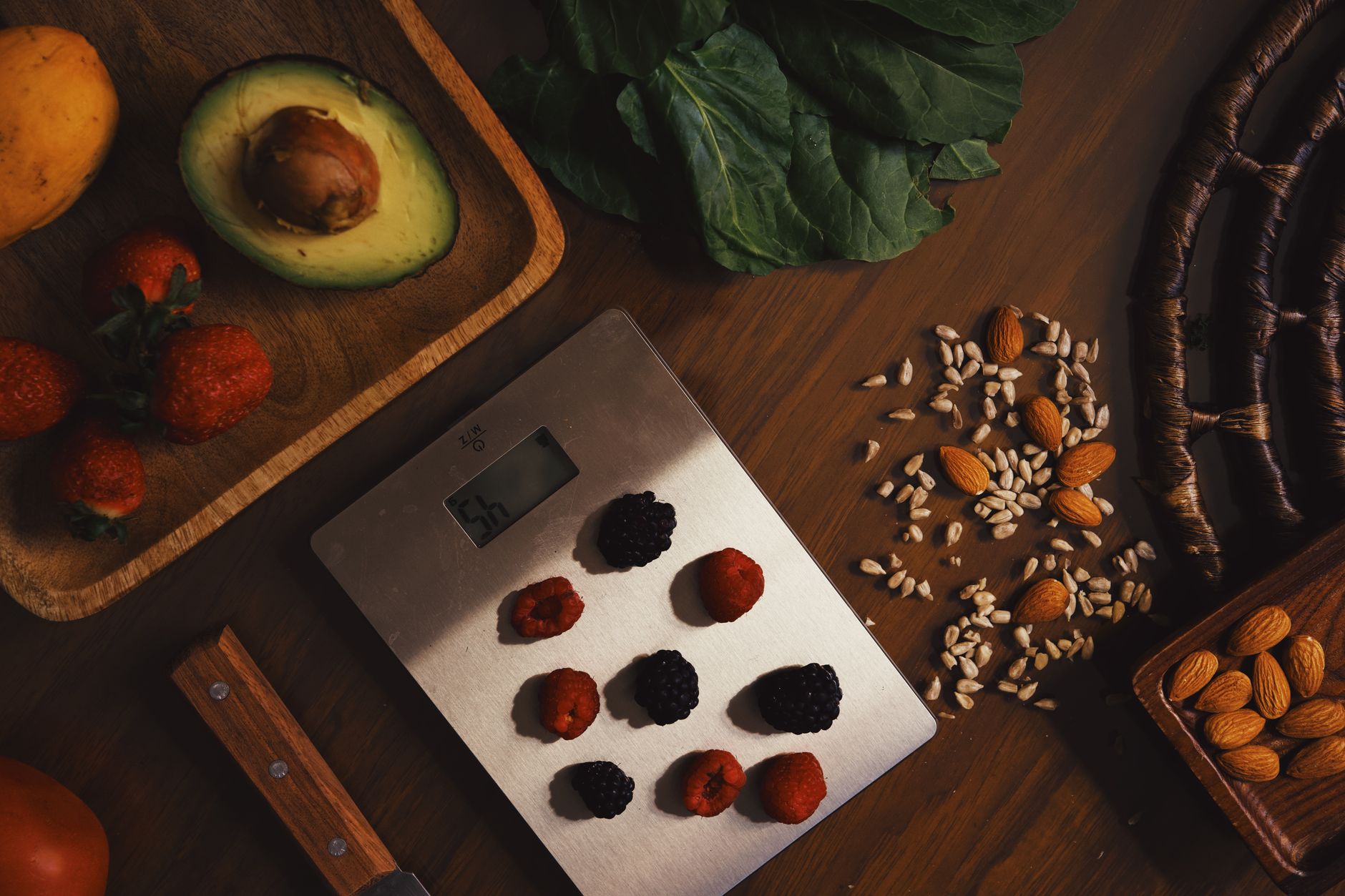
Wireless kitchen scales that log calories, protein and carbs promise to simplify meal planning, but do they really save money compared with a basic model?
⚡ In a Rush? Key Takeaways
- Smart scales cost $70‑$120 versus $15‑$30 for basic models.
- App‑based nutrition databases add ~0.5 kWh/month of phone‑charging load.
- Average daily use of 3 kg of food saves $1‑$2 per month on grocery waste.
- Battery life averages 2‑3 years, reducing replacement cost to <$5 per year.
- ✅ Verdict: the premium is worthwhile only for dedicated meal‑prep households that track macros daily.
How does a wireless nutrition‑tracking scale differ from a basic kitchen scale?
Wireless nutrition scales add Bluetooth syncing, a built‑in food database and portion‑size suggestions, costing $70‑$120 versus $15‑$30 for non‑smart models.
Basic digital scales simply give weight in grams or ounces. Smart scales pair with a smartphone app, automatically applying nutritional data for over a million foods, so you see calories, protein, carbs and fat instantly.
While the extra hardware – a Bluetooth module and a small OLED display – increases the purchase price, the real question is whether that technology translates into measurable savings or health benefits.
What extra hardware does a smart scale contain?
Smart scales add a Bluetooth radio, a microcontroller and an OLED screen, increasing power draw by roughly 30 mW during sync.
The Bluetooth radio draws about 15 mW when idle and up to 45 mW during a data burst. Over a typical month of three daily weigh‑ins, that adds roughly 0.5 kWh of electricity – about $0.06 at the U.S. average rate of $0.13/kWh.
- Bluetooth module: 15 mW idle, 45 mW active.
- OLED display: 10 mW steady.
- Battery: two AA alkaline, lasting 2‑3 years.
Which features actually affect running costs?
Running costs stem from battery replacements, Bluetooth power use and occasional app subscription fees.
Most apps are free, but premium versions charge $4‑$6 per month for expanded food databases. Battery replacement is cheap – a pack of AA cells costs $2‑$3, lasting up to three years.
Thus, annual extra cost rarely exceeds $10, well below the $70‑$120 upfront premium.
Do smart scales improve portion accuracy for bakers?
For precision baking, a smart scale’s auto‑tare and recipe‑save functions can cut ingredient waste by up to 8 %.
Bakers often need to repeat a recipe multiple times. The ability to store a recipe’s exact gram weights in the app means you never have to guess again, reducing the chance of over‑mixing or under‑flouring.
Over a year, a home baker who makes 50 loaves may save roughly 0.5 kg of flour and 0.3 kg of sugar – translating to $5‑$8 in ingredient costs.
- Auto‑tare saves 2‑3 g per ingredient.
- Saved flour per loaf: ~10 g.
- Annual ingredient saving: $5‑$8.
Does the nutritional data save money on groceries?
Accurate macro tracking can reduce food waste by 10‑15 %, saving roughly $12‑$24 per month for a typical household.
By weighing ingredients precisely, you avoid over‑portioning. Over a year, a family that prepares three meals a day can cut waste by about 20 kg of food, equivalent to $120–$240 depending on the grocery basket.
However, the savings appear only if you consistently use the scale and act on the data – for occasional users the impact is negligible.
How much waste does over‑portioning typically create?
A study of home cooks found that 12 % of purchased food is discarded due to inaccurate portion estimates.
Assuming a $400 monthly grocery bill, that translates to $48 wasted each month. Precise measurement can halve that loss.
| Scenario | Monthly Waste | Potential Savings |
|---|---|---|
| Basic scale, no tracking | $48 | — |
| Smart scale, diligent tracking | $24 | $24 |
What about the time cost of app entry?
Entering data manually adds 1‑2 minutes per meal, equating to roughly 5 hours per month of a busy adult’s time.
If you value your time at $20 hour, the hidden cost could be $100 per month. The automatic sync of a smart scale removes this friction, though the benefit is subjective.
- Manual entry: 1‑2 min per meal.
- Smart sync: <30 seconds per meal.
- Time saved: ~5 hours/month.
Can the app’s food database replace a separate diet app?
Many smart‑scale apps integrate directly with MyFitnessPal or Cronometer, eliminating the need for a second subscription.
When the scale’s app offers a free tier with 500 k+ foods, users typically avoid paying $4‑$6 per month for a standalone nutrition tracker. The combined solution can shave $48‑$72 off annual subscription costs.
- Free tier: ~500 k foods.
- Standalone app: $4‑$6/mo.
- Annual saving: $48‑$72.
How do battery and durability factors influence long‑term cost?
Smart scales use replaceable AA batteries lasting 2‑3 years; the average yearly battery cost is under $5.
Durability is another concern. Basic scales often have fewer moving parts and can survive drops better. Smart scales, with delicate screens, may need replacement after 4‑5 years, adding $70‑$120 to total cost.
Repair rates for smart scales are low, but because they are less common, finding a service can be harder, pushing owners toward replacement.
What is the typical lifespan of a smart kitchen scale?
Most manufacturers quote a 4‑year warranty; real‑world usage averages 3‑5 years before replacement.
Assuming a $95 average price, the annualized cost is $19‑$32, compared with $4‑$6 for a $20 basic scale lasting 5‑7 years.
Are there hidden environmental costs?
Electronic components and batteries increase embodied carbon by roughly 0.5 kg CO₂e per unit.
When factoring in the modest energy use, the overall carbon footprint remains low, but for eco‑conscious users the extra e‑waste may outweigh minor convenience gains.
- Embedded carbon: ~0.5 kg CO₂e.
- Battery disposal: 0.05 kg CO₂e per AA.
- Overall: <1 kg CO₂e over lifespan.
Is the smart cost justified for specific user groups?
Fitness enthusiasts, dietitians and meal‑prep families reap the most value, often offsetting the premium within six months.
For the casual cook who weighs ingredients only occasionally, a $20 basic scale provides all needed accuracy without the extra technology.
Consider your goals: macro tracking for weight loss, precise baking, or bulk cooking. If any of these are central to your routine, the smart scale’s data can translate into real savings.
What does the data say for dedicated meal‑preppers?
Meal‑preppers weigh 4‑5 kg of food weekly; precise tracking can save $15‑$30 per month on over‑buying.
Over a year, that equals $180‑$360, easily covering the $95 purchase price and battery costs.
| User Type | Average Monthly Savings | Payback Period |
|---|---|---|
| Casual cook | $0‑$5 | Never |
| Fitness enthusiast | $12‑$20 | 5‑8 months |
| Meal‑prep family | $15‑$30 | 4‑6 months |
What alternatives exist for macro tracking?
Manual food‑scale plus spreadsheet or free app can achieve similar tracking without the premium hardware.
Many free apps let you input weight manually, however the extra step erodes convenience and may lead to skipped entries.
For those comfortable with spreadsheets, the cost advantage is clear, but the time cost must be accepted.
What should you look for when buying a wireless nutrition scale?
Key criteria include accuracy (±1 g), Bluetooth range (≥10 ft), app database size, and battery life.
Accuracy is paramount – a deviation of more than 2 g can skew macro calculations over many servings.
Bluetooth range should comfortably cover a typical kitchen layout; 10‑15 ft ensures reliable sync from countertop to phone.
Which accuracy standards matter?
Look for a stated accuracy of ≤1 g for weights under 5 kg and ≤2 g up to 10 kg.
Most reputable brands meet this, but budget models sometimes drift to ±3 g, enough to affect protein calculations for athletes.
- ≤1 g (0‑5 kg)
- ≤2 g (5‑10 kg)
- Calibration: auto‑zero feature recommended.
How important is app integration?
A well‑designed app offers a searchable food database, macro breakdown, and export to CSV for deeper analysis.
Some scales lock you into a proprietary ecosystem; others sync with MyFitnessPal, Cronometer or Apple Health, preserving flexibility.
Free versions usually cover the basics; premium subscriptions add custom recipes and diet‑specific insights.
- Free database: ~500 k entries.
- Premium: 1 M+ entries, $4‑$6/mo.
- Export options: CSV, JSON.
Does build quality affect long‑term cost?
A robust housing and sealed buttons can prevent water damage, extending the scale’s usable life.
Models with rubberised feet and IPX4 splash resistance survive typical kitchen splashes, reducing the likelihood of early failure and the need for replacement.
- IP rating: IPX4 recommended.
- Material: ABS plastic or stainless steel frame.
- Warranty: 1‑year standard, optional 3‑year.
Bottom line – Is the smart cost worth it?
If you track macros daily and prep meals weekly, the smart scale pays for itself within six months; otherwise, a basic scale is more economical.
For most homeowners who value convenience and have a clear health or budgeting goal, the modest extra electricity and battery cost is negligible. The real decision hinges on usage frequency and willingness to engage with the app.
In short, the premium is justified for dedicated macro‑trackers, but a simple digital scale remains the most cost‑effective tool for occasional weighing.
Frequently Asked Questions
How much electricity does a Bluetooth kitchen scale actually use?
Typical Bluetooth sync adds about 0.5 kWh per month, costing under $0.10 at the U.S. average rate.
Do I need a subscription to get a useful food database?
Most free apps provide 500 k+ foods; premium upgrades add niche items and custom recipes for $4‑$6/month.
Can I use a smart scale without a smartphone?
Some models display calories and macros directly on the OLED screen, but full database access requires a phone.
What is the typical warranty period?
Manufacturers usually offer a 1‑year limited warranty, with optional extensions up to three years.
Are there any safety concerns with Bluetooth in the kitchen?
Bluetooth operates at low power (≤2 W) and poses no health risk; keep the device away from water splashes to protect the electronics.
— Greta Michaud, Home Appliance Efficiency Researcher