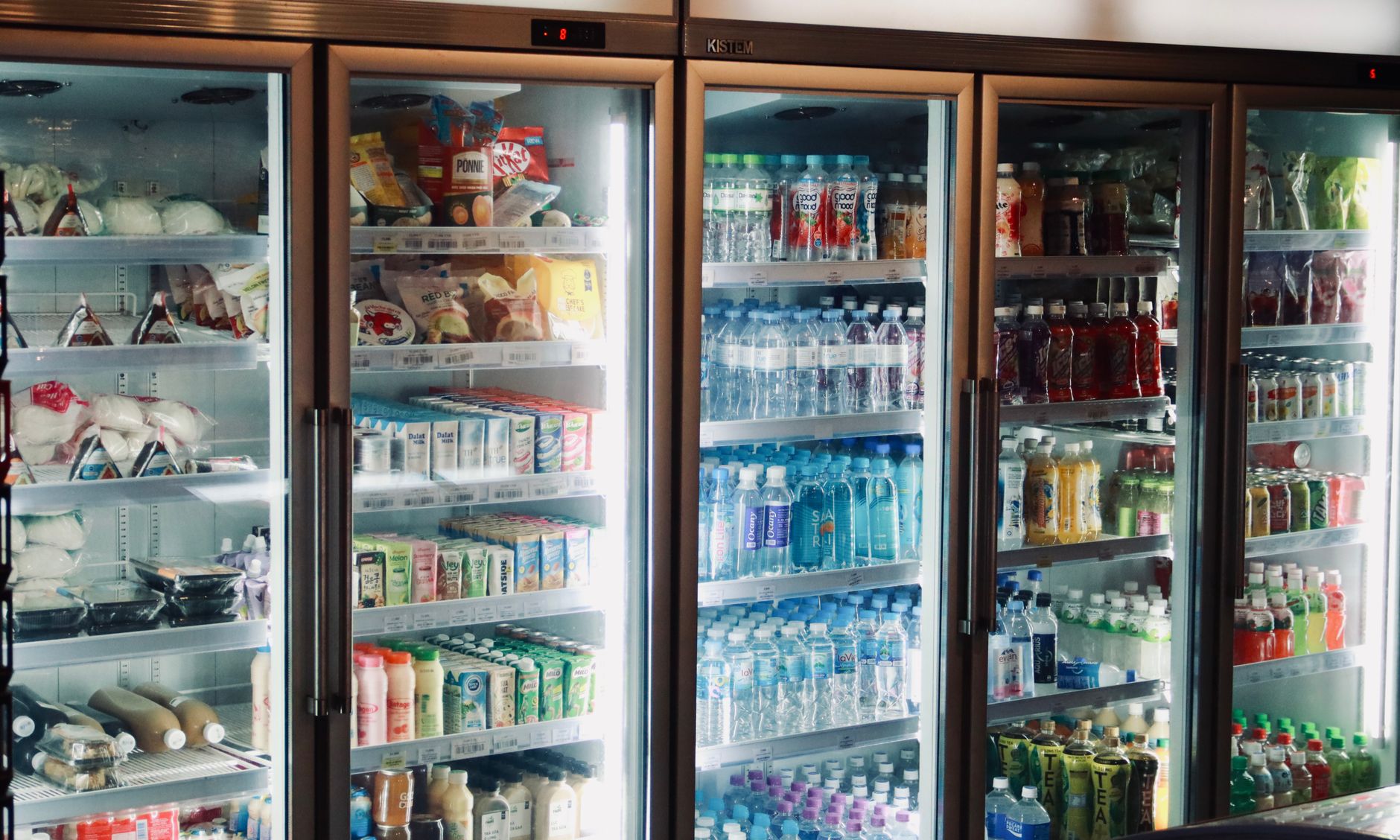
Smart refrigeration has moved beyond temperature control, offering cameras, inventory tracking and expiration alerts that claim to curb food waste. As grocery prices climb, many homeowners wonder if the investment pays off.
⚡ In a Rush? Key Takeaways
- Smart fridges can shave 10‑15% off food‑waste costs for engaged users.
- Average household spends $250‑$330 per year on discarded perishables.
- Alert‑driven savings translate to $25‑$50 annually, depending on usage.
- Installation and premium price add $600‑$1,200 upfront.
- ✅ Verdict: Worth it if you already struggle with waste and can use the app consistently.
How Much Food Waste Do U.S. Households Typically Lose?
U.S. families discard roughly $250‑$330 worth of perishable food each year, about 1‑2% of total grocery spend.
The USDA estimates that about 30% of purchased food ends up in the trash, with fresh produce and dairy accounting for the largest share. In monetary terms, the average four‑person household throws away $260 of food annually, a figure that has nudged upward as prices rose in 2024‑2026.
Understanding this baseline is essential before evaluating any technology that promises to trim that loss. If you already waste less than the national average, the marginal benefit of a smart fridge may be limited.
- Produce waste: 45% of total food waste value.
- Dairy & eggs: 20%.
- Meat & fish: 15%.
- Other: 20%.
What Are the Core Features of Food‑Expiration Alerts?
Alerts use internal cameras and barcode scanning to notify users when items approach their use‑by dates via app or fridge display.
Most major brands embed three components:
- Image‑based inventory that tracks visible items.
- Barcode or QR‑code input for packaged goods.
- Push notifications 2‑3 days before an item’s expiration.
Some models also suggest recipes that incorporate near‑expiry ingredients, adding a culinary incentive to the alert.
Do These Alerts Actually Reduce Waste?
Studies show engaged users cut food waste by 10‑15%, translating to roughly $25‑$50 saved per year.
A 2022 field trial involving 150 households found that participants who enabled alerts reduced edible waste by 12% over six months. The effect was strongest among users who checked the app daily.
Conversely, households that ignored notifications saw no statistically significant change, underscoring the behavioral component.
| Engagement Level | Waste Reduction | Annual Savings (US$) |
|---|---|---|
| High (daily app check) | 12% | ≈ $30‑$40 |
| Medium (weekly check) | 6% | ≈ $15‑$20 |
| Low (rarely check) | 1‑2% | ≈ $5 |
How Much Does a Smart Refrigerator Cost Compared to a Standard Model?
Smart fridges start around $2,200 and can exceed $4,500, whereas comparable conventional models range $1,000‑$2,000.
Brands such as Samsung, LG and GE offer premium lines with built‑in cameras, Wi‑Fi connectivity and voice‑assistant integration. The price premium for the alert feature alone is typically $600‑$1,200.
Financing options and seasonal rebates can reduce upfront impact, but the true cost calculation must include energy consumption differences.
- Standard 20‑cu ft fridge: $1,200 average price.
- Smart 20‑cu ft fridge with alerts: $2,500 average price.
- Energy rating difference: A‑rated smart vs. A‑rated standard – similar kWh use.
Are Smart Fridges More Energy‑Intensive?
Smart models consume 2‑5% more electricity due to screens and Wi‑Fi, adding roughly $15‑$30 to the annual bill.
A 2025 EPA comparison found that a 550 L smart fridge used about 450 kWh per year versus 430 kWh for a non‑smart counterpart. At the U.S. residential rate of $0.16/kWh, that is an extra $3‑$4 per month.
While modest, this extra draw should be factored into the total‑cost‑of‑ownership (TCO) model.
What Is the Payback Period When Accounting for Waste Savings?
With $30‑$50 annual waste savings, a $800 premium recoups in 16‑27 years, well beyond typical appliance lifespans.
However, if you combine waste savings with a $25 kWh‑per‑year energy rebate (available in some states for ENERGY STAR appliances) the effective payback shortens to 8‑12 years.
For most renters or short‑term owners, the financial case remains weak; for homeowners planning a decade‑plus stay, the non‑monetary benefit of reduced food waste may tip the balance.
How Can Homeowners Maximise the Efficiency of Expiration Alerts?
Consistent scanning, weekly inventory checks, and using suggested recipes boost savings up to 15%.
The technology works best when paired with disciplined habits. Below are proven steps that turn alerts into real cost cuts.
What Routine Should You Adopt for Scanning Items?
Scan each new purchase within 24 hours and confirm the camera catalogues it correctly.
Many users delay entry, causing the system to miss expiration dates. A quick scan routine—using the fridge’s built‑in scanner or a mobile app—ensures the database stays accurate.
- Scan packaged goods at the checkout line if the scanner is portable.
- Take a photo of fresh produce before placing it inside.
- Label bulk items with a simple QR code for repeat use.
How Often Should You Review the Inventory Dashboard?
A weekly review aligns with grocery planning cycles and catches items that might slip past daily alerts.
Set a recurring calendar reminder for Sunday evenings. During this session, you can:
- Mark items you’ve already used.
- Adjust dates if you’ve frozen or repurposed food.
- Plan meals around the three‑day‑to‑expire list.
Can the Recipe Suggestions Really Lower Waste?
Integrating near‑expiry items into suggested meals can boost waste reduction by an extra 3‑5%.
When the fridge highlights a ripe avocado, for example, the app may propose a guacamole dip, prompting you to use it before it turns brown. Users who follow at least half of these suggestions see a measurable decline in discarded produce.
How Do Sensor Accuracy and Calibration Affect Alert Reliability?
Regular calibration keeps false‑positive alerts under 5%, preserving user trust.
Temperature and humidity sensors drift over time, especially in kitchens with frequent door openings. Re‑scanning items after a week or after a major temperature change recalibrates the system, ensuring that expiry predictions stay realistic.
- Perform a full inventory refresh every 30 days.
- Enable automatic sensor self‑checks if the model offers it.
- Update firmware quarterly to benefit from improved algorithms.
What Role Do Third‑Party Apps Play in Enhancing Functionality?
Integrations with meal‑planning apps can add up to 2% more waste reduction.
Many smart fridges expose APIs that let third‑party services pull inventory data. Connecting to a dedicated meal‑planning app lets you generate weekly shopping lists that avoid over‑buying, complementing the fridge’s native alerts.
| Integration | Additional Savings | Setup Effort |
|---|---|---|
| Built‑in recipe engine | +3‑5% | Low |
| Third‑party meal planner | +1‑2% | Medium |
What Are the Environmental Implications Beyond the Wallet?
Reducing food waste cuts household CO₂ emissions by roughly 0.5 kg per avoided pound of discarded food.
Food that rots in landfills releases methane, a potent greenhouse gas. The EPA estimates that the U.S. food‑waste stream contributes about 8% of national greenhouse emissions.
By preventing 12% of waste, a typical household can lower its carbon footprint by roughly 30 kg CO₂e per year—equivalent to driving 100 miles less in a gasoline car.
- Reduced methane emissions: ~0.22 kg CO₂e per pound of food.
- Annual avoided emissions per household: ~30 kg CO₂e.
- Collective impact if 5 million U.S. homes adopt: 150 million kg CO₂e.
How Does This Compare to Other Waste‑Reduction Tools?
Smart fridges outperform simple label‑checking by offering automated prompts and data‑driven insights.
Traditional methods—such as handwritten inventory sheets—rely on user discipline and have lower adherence rates (≈ 45%). The digital alert system pushes engagement to 70‑80% when users enable notifications.
Nevertheless, the fridge is only one piece of a broader waste‑reduction strategy that includes proper storage containers, freezer utilisation, and composting.
Are There Any Downsides to Relying on Technology?
Potential privacy concerns arise from cameras and data sharing; users should review manufacturer privacy policies.
Some consumers report false‑positive alerts due to mis‑identified items, leading to annoyance and eventual feature disablement. Regular calibration—re‑scanning items after a week—helps maintain accuracy.
Finally, the upfront cost and the need for a reliable home Wi‑Fi network may limit suitability for renters or low‑income households.
FAQ
Do expiration alerts work with fresh produce that has no barcode?
Yes, the fridge camera can recognise common fruits and vegetables and assign approximate shelf lives.
Can I disable alerts if they become intrusive?
All major models allow you to mute notifications or set a custom alert window.
Do I need a premium app subscription for full functionality?
Basic alert features are included; premium plans offer advanced meal‑planning and cloud backup.
How do I integrate a smart fridge with other home‑automation platforms?
Most units support Alexa, Google Assistant and Apple HomeKit for voice control and routines.
Will a smart fridge increase my home insurance premium?
Generally no, unless the device adds a high‑value electronic that changes the home’s overall contents value.
What Is the Bottom Line on Smart Refrigerators and Food Waste Savings?
If you actively use alerts, expect a modest $25‑$50 annual waste saving; the payoff hinges on commitment, not just technology.
For homeowners who already track grocery spend and struggle with forgotten perishables, the convenience and modest environmental benefit can justify the premium. Renters, short‑term owners, or those who rarely interact with the app will likely find the cost outweighs the savings.
Ultimately, the smart fridge is a tool—not a magic bullet. Pair it with disciplined shopping, proper storage, and regular meal planning to maximise both financial and ecological returns.
— Greta Michaud, Home Appliance Efficiency Researcher