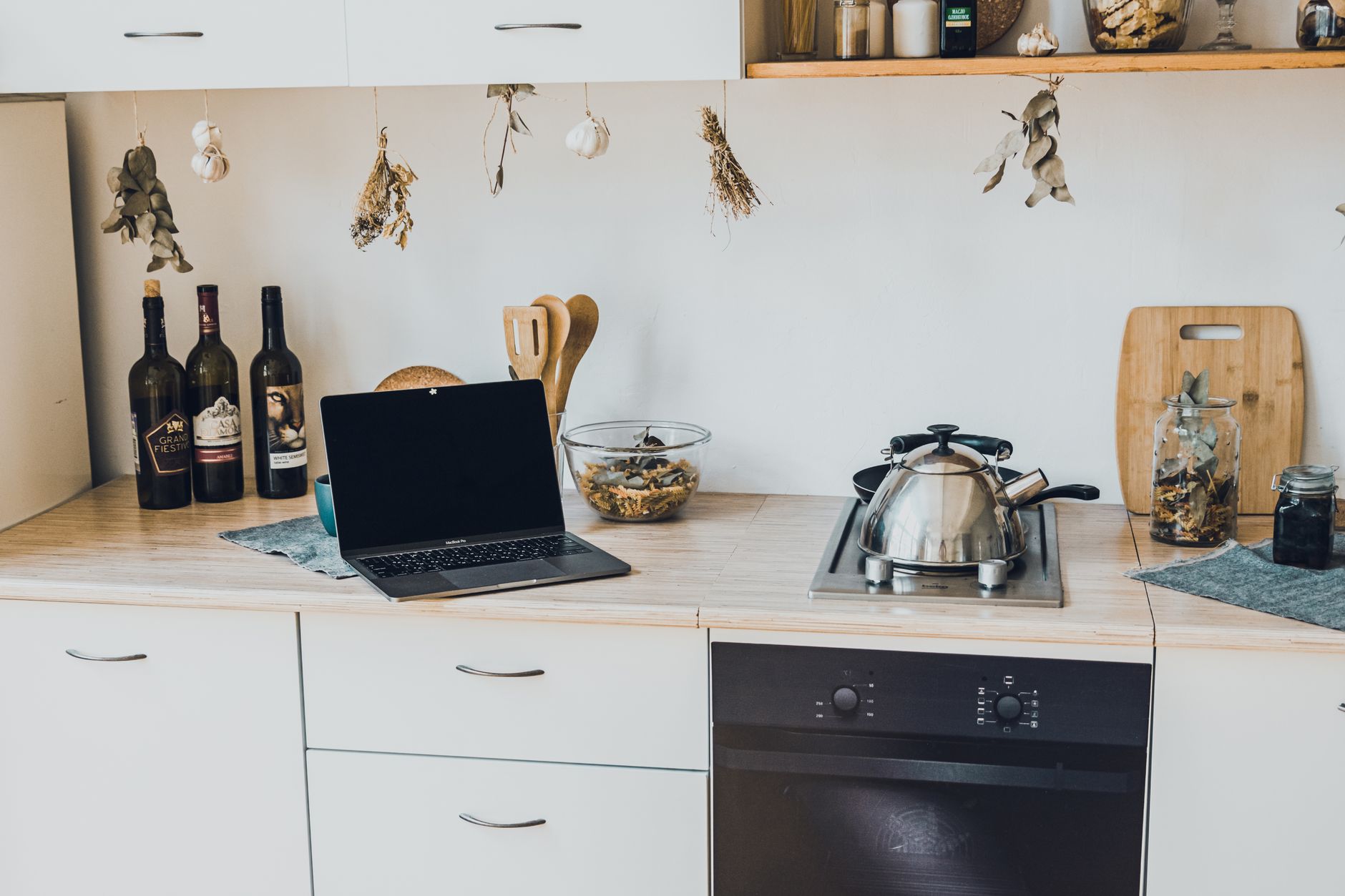
Smart kitchen technology promises convenience, energy savings, and a touch of modern flair, but the first steps can feel overwhelming.
Below you’ll find a clear, cost‑focused plan that walks you through choosing devices, wiring, and integrating them without breaking the bank.
⚡ In a Rush? Key Takeaways
- Typical smart‑kitchen starter kits cost $800–$2,200 for core devices.
- LED smart lighting reduces kitchen electricity by 15–25% versus incandescent.
- Wi‑Fi‑enabled faucets can cut water use by 12–18% per year.
- Integrating a single hub avoids the need for multiple bridges, saving $50–$120.
- ✅ Recommendation: Begin with a hub, smart lighting, and a connected faucet before expanding to appliances.
What Are the Core Smart Kitchen Features Worth Investing in First?
Core smart kitchen devices include a hub, smart lighting, a connected faucet, and a voice‑assistant‑compatible appliance.
Starting small lets you gauge performance, confirm that the promised savings materialise, and avoid over‑committing before you understand how each tool fits into your daily routine.
How Does a Central Hub Simplify Device Management?
A hub consolidates Wi‑Fi, Zigbee, and Matter devices, reducing network traffic and improving reliability.
Most new hubs support Matter, the emerging standard that promises cross‑brand compatibility. Choose a hub that can handle at least 30 devices; this future‑proofs you as you add more smart tools.
- Typical price: $70–$150
- Installation: Plug‑and‑play, no wiring needed
- Benefit: One‑stop control for lights, sensors, and appliances
Why Should Smart LED Lighting Be Your First Upgrade?
Smart LEDs consume 10–15 W per fixture and can be dimmed or scheduled to cut energy use by 15–25%.
LED strips under cabinets, smart bulbs over the island, and motion‑sensor fixtures create layered illumination while letting you automate on‑/off schedules.
| Device | Wattage | Annual Cost (US $0.14/kWh) | Estimated Savings vs. Incandescent |
|---|---|---|---|
| Smart LED bulb (60 W equiv.) | 9 W | $9.80 | 85 % |
| Smart LED strip (12 W per meter, 2 m) | 24 W | $26.30 | 80 % |
| Incandescent bulb (60 W) | 60 W | $65.70 | — |
Most smart lighting apps let you set sunrise‑like ramps that also reduce the need for bright overhead fixtures during daytime, further trimming electricity use.
Can a Connected Faucet Really Save Water and Money?
Connected faucets with touch‑less sensors and flow‑rate monitoring cut water use by 12–18% per year.
Models often include temperature presets, allowing you to program a 105 °F rinse that uses less hot water than a manual knob, while the sensor’s auto‑shutoff eliminates wasteful drips.
- Average cost: $200–$350
- Installation: Professional plumber (1–2 hrs)
- Water savings: ~1,200 gal/yr for a typical family
What Role Do Smart Sensors Play in Early Automation?
Leak, temperature, and occupancy sensors add safety and further cut energy use without major expense.
For example, a moisture sensor under the sink can alert you to a slow leak before it becomes a flood, while a temperature sensor on a fridge helps the hub optimise compressor cycles.
- Typical sensor cost: $25–$50 each
- Battery life: 2–5 years (replaceable CR2032)
- ROI: Prevents water damage costs that average $1,800 per incident
How Much Should You Budget for a Complete Smart Kitchen Starter Kit?
A starter kit comprising hub, lighting, faucet, and basic sensors typically costs $800–$2,200.
Below is a realistic cost breakdown based on 2026 pricing from major retailers. Prices include modest installation fees where applicable, giving you a complete picture of upfront outlay.
What Is the Typical Price Range for a Smart Hub?
Smart hubs cost $70–$150, with Matter‑compatible models averaging $110.
Brands like Amazon Echo Plus, Apple HomePod mini (with Matter bridge), and Samsung SmartThings Hub dominate the market. The added Matter support ensures you won’t need a second bridge for future devices, keeping long‑term costs low.
How Much Do Smart Light Fixtures Add to the Total?
Smart LED fixtures range $15–$30 per bulb; under‑cabinet strips run $30–$45 per meter.
Assuming an average kitchen needs four ceiling bulbs and 3 m of under‑cabinet strip, the lighting portion totals $210–$315. Include a modest $20‑$30 cost for a compatible app subscription if you opt for advanced scheduling.
What Are the Installation Costs for a Connected Faucet?
Professional installation adds $80–$120 to the faucet cost, totaling $280–$470.
Many retailers offer a discounted installation bundle; always verify that the installer is licensed to avoid future leaks, and ask for a pressure‑test report after the job is complete.
Do Sensors and Controllers Significantly Increase the Budget?
Temperature, occupancy, and leak sensors cost $25–$50 each, with a typical set costing $100–$150.
These devices improve safety (leak alerts) and efficiency (occupancy‑based lighting), adding measurable value that quickly offsets their modest price tag.
Are There Hidden Costs You Should Anticipate?
Subscription fees, extra wiring, and occasional battery replacement can add $50–$100 per year.
Some premium lighting ecosystems charge a monthly cloud fee for advanced scenes; plan for a $5‑$10 monthly cost if you want remote colour‑temperature control across multiple rooms.
- Annual cloud subscription (optional): $60–$120
- Battery replacements (2‑year cycle): $10–$20
- Extra wiring for hard‑wired switches: $80–$150
How Do You Plan the Electrical and Network Infrastructure for a Smart Kitchen?
Plan dedicated 2‑GHz Wi‑Fi, a 15‑amp circuit for high‑draw devices, and route Ethernet for reliability.
A solid infrastructure prevents connectivity hiccups and ensures power‑hungry devices like smart ovens have stable supply, which directly impacts both performance and safety.
What Wiring Considerations Are Essential for Smart Appliances?
Smart ovens and refrigerators need a dedicated 20‑amp circuit to avoid tripping breakers.
Check the appliance’s manual for recommended amperage. If you’re adding a high‑power induction cooktop, allocate a separate 240‑V line to keep the kitchen’s overall load balanced.
- Dedicated 20‑A circuit: $120–$180 (including breaker)
- 240‑V line for induction: $250–$350
- Professional electrician labor: $75–$125/hr
How Should You Configure Your Home Network for Kitchen Devices?
Place a Wi‑Fi access point within 10 ft of the kitchen; use a wired Ethernet backhaul for the hub.
Many hubs perform better when connected via Ethernet, reducing latency for voice commands and ensuring over‑the‑air updates succeed without interruption.
- Upgrade router to Wi‑Fi 6E (supports 6 GHz band) – $180–$250.
- Install a mesh node in the kitchen – $120–$200.
- Run a short Ethernet cable (Cat 6) from router to hub – $15–$30.
Do I Need a Separate Power Backup for Smart Devices?
A UPS of 800‑VA protects hub, router, and essential sensors for 30–45 minutes.
Power outages are brief in most U.S. regions, but a UPS prevents hub reboot loops that could leave lights off and sensors blind, preserving both convenience and safety.
- UPS cost: $70–$120
- Installation: Plug‑and‑play, no extra wiring needed
Should I Use Powerline Adapters for Hard‑to‑Reach Outlets?
Powerline adapters turn existing electrical wiring into a reliable Ethernet bridge, costing $40–$80 per pair.
They’re especially useful if running a new cable is impractical; just ensure the home’s wiring is on a single circuit to avoid signal degradation.
- Typical kit price: $55 (2‑adapter pack)
- Installation time: 10 minutes per adapter
- Performance: Up to 200 Mbps stable throughput
What Are the Ongoing Running Costs and Savings of a Smart Kitchen?
Smart kitchens can lower annual electricity bills by 5–12% and water usage by up to 18%.
Understanding the payback timeline helps you decide which upgrades are financially sensible, and where to focus first for the quickest return.
How Much Electricity Do Smart Lights Consume Compared to Traditional Bulbs?
Smart LEDs use 10–15 W per fixture, saving $9–$25 per bulb each year.
Assuming eight fixtures, the total yearly saving is $72–$200, which recoups the initial expense in 2–3 years, especially when you factor in the added convenience of scheduling.
What Is the Financial Impact of a Connected Faucet?
A connected faucet saves ~1,200 gal of water annually, equating to $45–$70 in U.S. water bills.
Subtract installation cost, and the payback period ranges from 4 to 7 years, depending on local water rates and how often you run the faucet.
Do Smart Appliances Offer Meaningful Energy Savings?
Smart ovens with pre‑heat alerts and auto‑shutdown cut energy use by 5–8% per year.
For a 5 kWh oven, that’s roughly 200 kWh saved annually, translating to $28 at the 2026 average rate of $0.14/kWh. Add a smart fridge with adaptive defrost cycles, and you could see an extra 120 kWh saved.
Can Smart Kitchen Appliances Reduce Food Waste?
Connected refrigerators with interior cameras and expiration alerts can lower food waste by up to 15%.
By notifying you when items approach their sell‑by date, the system encourages timely use, which not only saves money but also reduces the environmental impact of discarded groceries.
- Average waste reduction value: $100–$150 per household per year
- Typical camera‑enabled fridge cost premium: $250–$400
- Payback: 3–5 years when combined with energy savings
FAQ
How long does it take to install a smart hub?
Installation typically takes 30–45 minutes for a DIY‑ready hub, plus setup time.
Do I need a high‑speed internet plan for a smart kitchen?
A 100 Mbps plan is sufficient; most kitchen devices use less than 1 Mbps each.
Can I integrate existing “dumb” appliances?
Smart plugs and energy monitors can add basic on/off scheduling to non‑smart devices.
Is Matter compatible with older smart devices?
Matter bridges can translate older Zigbee or Z‑Wave signals, but full feature parity isn’t guaranteed.
What maintenance does a smart kitchen require?
Firmware updates every 3–6 months and occasional battery replacement for sensors.
What Is the Bottom‑Line Recommendation for Starting a Smart Kitchen?
Begin with a Matter hub, smart LED lighting, and a connected faucet; expand to appliances as budget allows.
These three categories deliver the biggest immediate energy and water savings while keeping upfront costs manageable. Once they’re in place, adding a smart oven or refrigerator becomes a natural next step, and the ecosystem you’ve built will already be primed for smooth integration.
— Greta Michaud, Home Appliance Efficiency Researcher