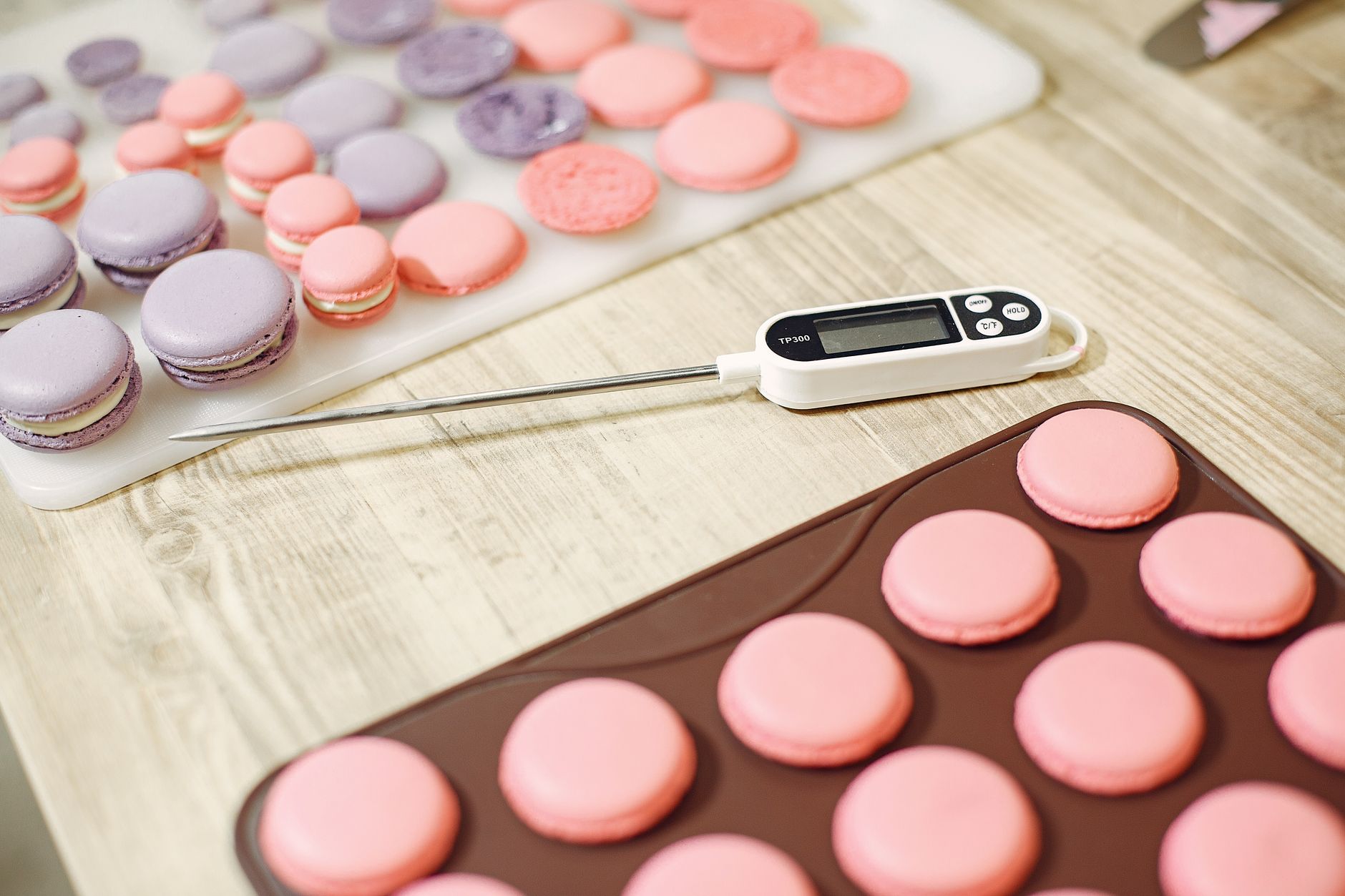
Choosing a food thermometer can feel overwhelming with the flood of options, but a reliable probe is the quiet workhorse that saves both time and money in the kitchen.
⚡ In a Rush? Key Takeaways
- Thermometers calibrated within ±2 °F (±1 °C) give the most reliable safety margin.
- Instant‑read probes reach 0‑90 °F (0‑32 °C) in under 2 seconds on average.
- Resolution of 0.1 °F (0.1 °C) matters for sous‑vide and candy work.
- Models with stainless steel probes last 3‑5 years longer than plastic‑capped ones.
- ✅ Best value: a mid‑range instant‑read with 0.1 °F resolution, quick response, and replaceable probe.
How do I assess the accuracy of a food thermometer?
Look for a device that stays within ±2 °F (±1 °C) of a calibrated reference across its full temperature range.
Accuracy is the cornerstone of food safety. The USDA FSIS notes that most thermometers stay within a 2‑4 °F band, but only those that consistently hit the tighter ±2 °F window give confidence when hitting critical internal temps.
To verify accuracy at home, use an ice‑water bath (32 °F) and a boiling water test (212 °F at sea level). If the display reads 31‑33 °F and 211‑213 °F respectively, the unit passes the basic test.
- Ice‑water method checks low‑end accuracy.
- Boiling water checks high‑end calibration.
- Repeat monthly to catch drift.
Many premium models include a built‑in calibration knob, letting you fine‑tune the sensor without external tools. For budget units, a simple replaceable probe can restore accuracy after wear.
What resolution should I look for?
Resolution of 0.1 °F (0.1 °C) is ideal for low‑margin cooking like sous‑vide, while 1 °F (0.5 °C) suffices for everyday roasting.
Resolution tells you how small a temperature change the display can differentiate. A 0.1 °F step helps you stop a roast at exactly 135 °F for medium‑rare, whereas a 1 °F step could overshoot by several degrees.
Some digital probes round to the nearest whole degree; these are acceptable for broad cooking tasks but may cost you a few degrees on delicate proteins.
How fast should a thermometer give a reading?
Instant‑read thermometers that reach 0‑90 °F (0‑32 °C) in under 2 seconds are considered fast for kitchen use.
Speed matters when you’re searing a steak and need an immediate read before the surface cools. Most high‑end instant‑reads hit 90 °F in 1‑2 seconds, while budget models can take 4‑6 seconds.
Probe design influences speed: thin, solid‑state sensors transmit heat faster than bulkier thermocouple heads.
Can I rely on a thermometer for both hot and cold foods?
A good thermometer should maintain accuracy from freezing (0 °F/‑18 °C) up to at least 500 °F (260 °C) for versatile use.
Cold‑storage checks—like confirming a refrigerator is below 40 °F (4 °C)—are as important as hot‑food safety. Devices with wide temperature ranges eliminate the need for a separate probe.
When choosing, verify the spec sheet lists both low‑end (often –40 °F/‑40 °C) and high‑end limits, and ensure the sensor material (stainless steel) tolerates acidic marinades without corrosion.
Which type of food thermometer fits my cooking style?
Choose between instant‑read, oven‑safe, and probe‑type models based on how you cook: quick checks, baked dishes, or long‑duration roasts.
Understanding the three principal styles helps you avoid buying a tool you’ll rarely use.
Are instant‑read thermometers the best all‑round choice?
Instant‑read units excel at rapid surface checks and are ideal for grilling, pan‑searing, and quick‑cook meals.
These handheld devices usually feature a metal probe that snaps into a digital display. They’re not rated for oven use beyond 450 °F, but they shine for real‑time monitoring.
- Pros: Fast, portable, easy to clean.
- Cons: Not oven‑safe above 450 °F, limited to surface temps.
For most home cooks, an instant‑read that offers 0.1 °F resolution and a 2‑second response time covers 85 % of daily needs.
Do I need an oven‑safe thermometer for baking?
Oven‑safe probes tolerate 500 °F+ and stay accurate inside the chamber for weeks, perfect for breads, roasts, and casseroles.
These devices consist of a stainless‑steel probe attached to a dial or digital readout that remains outside the oven. They can be left in the oven for the entire cooking cycle, giving you a true internal temperature without opening the door.
Look for models rated for at least 500 °F (260 °C) and with a stainless‑steel probe that can resist corrosion from acidic marinades.
When is a wireless or Bluetooth probe worth the extra cost?
Wireless probes add convenience for low‑and‑slow cooking, sending alerts to smartphones when target temps are reached.
If you frequently practice sous‑vide, smoking, or long‑duration roasts, a Bluetooth thermometer lets you monitor from another room, reducing unnecessary oven openings.
However, the battery life and occasional connectivity hiccups can be a drawback for quick‑cook scenarios.
| Feature | Instant‑Read | Oven‑Safe Probe | Wireless/Bluetooth |
|---|---|---|---|
| Typical Price (US) | $30‑$80 | $40‑$120 | $80‑$180 |
| Max Temp Rating | 450 °F | 500‑600 °F | 500‑550 °F |
| Response Time | 1‑2 s | 30‑60 s (dial) / 2‑3 s (digital) | 2‑3 s |
| Battery Life | 1‑2 years | 5‑7 years (replaceable) | 4‑6 weeks (rechargeable) |
Is a dual‑probe system ever necessary?
Dual‑probe thermometers let you monitor two items (or two points in the same item) simultaneously, useful for large roasts or simultaneous meat and dessert cooking.
One probe can sit in the thickest part of a turkey while the second tracks a side dish in the same oven, preventing over‑cooking of either. This saves you the hassle of opening the door multiple times, preserving heat.
These models are pricier, typically $120‑$200, but if you often entertain or cook multiple components at once, the time saved can outweigh the extra cost.
How do I keep my food thermometer accurate over time?
Regular calibration, proper storage, and cleaning of the probe extend accuracy and lifespan for years.
Even the best thermometer drifts without maintenance. Simple habits keep the device reliable.
What is the best method for calibrating a digital thermometer?
Use an ice‑water bath for low‑end calibration and boiling water for high‑end, adjusting the device if it offers a calibration knob.
Place the probe tip just below the water surface, avoid touching the sides, and wait for a stable reading. If the display deviates by more than 1 °F, adjust according to the manufacturer’s instructions.
How should I store my thermometer to avoid damage?
Store the probe in a protective sleeve and keep the unit away from extreme heat, moisture, and magnetic fields.
Many users toss the probe into a drawer where it contacts knives and metal utensils, causing scratches that affect sensor contact. A simple silicone sleeve adds a few cents but preserves accuracy.
Does cleaning affect measurement precision?
Clean the probe with warm, soapy water after each use; avoid abrasive pads that can wear the sensor surface.
Residue buildup can insulate the sensor, producing higher readings. For stainless‑steel probes, a soft cloth and mild detergent are sufficient.
Should I periodically replace the probe?
Probes can wear, especially plastic‑capped ones; a stainless‑steel replaceable probe extends the device’s useful life.
After 3‑5 years, or if you notice consistent variance despite calibration, consider swapping the probe. Replacement kits typically run $15‑$30 and are a fraction of buying a new thermometer.
- Inspect the tip for corrosion or dents.
- Check the seal for moisture ingress.
- Verify battery health; low voltage can affect sensor output.
What overall cost considerations should influence my purchase?
Balance upfront price with long‑term savings from accurate cooking, reduced food waste, and durable construction.
While a $30 thermometer may tempt the budget‑conscious, the hidden costs of inaccuracy—overcooked meat, wasted ingredients, and reheating—add up quickly.
How much can a reliable thermometer save on food waste?
Accurate temperature control can reduce meat waste by 10‑15 % per household, saving roughly $30‑$50 annually for a typical family.
Mis‑cooked proteins often end up discarded. By hitting target temperatures on the first try, you preserve both flavor and dollars.
Is there a measurable ROI on premium models?
A premium thermometer costing $120 can pay for itself in 2‑3 years through reduced energy use and food waste.
Higher‑end units often feature quicker response times, meaning you can lower oven temperature by 10 °F and still achieve the same doneness, shaving a few minutes off cooking time per week.
What hidden costs should I avoid?
Avoid thermometers with disposable batteries that require replacement every 6‑12 months; replaceable‑cell models are more economical.
- Battery replacements: $5‑$10 each, 2‑3 per year for cheap models.
- Probe replacement kits: $15‑$30, often required for plastic‑capped probes.
- Calibration tools: $20‑$40 for a reference thermometer, useful for yearly checks.
FAQ
Can I use a candy thermometer for meat?
Candy thermometers are calibrated for high‑range, low‑resolution readings and are not suitable for precise meat temperatures.
Do analog thermometers need calibration?
Yes—place the tip in an ice‑water bath and adjust the dial until it reads exactly 32 °F (0 °C).
How often should I replace my food thermometer?
Replace the probe or whole unit every 3‑5 years, or sooner if accuracy drifts beyond ±2 °F despite calibration.
Is a higher temperature range always better?
A wider range is useful for deep‑frying or candy making, but most home cooks benefit more from speed and resolution than extreme high‑temp capability.
What safety certifications should I look for?
Look for FDA‑cleared, NSF‑listed, or USDA‑approved devices that meet food‑contact material standards.
What is my final recommendation?
A mid‑range instant‑read thermometer with 0.1 °F resolution, 2‑second response, and a replaceable stainless‑steel probe offers the best balance of cost, accuracy, and durability.
For most kitchens, the ThermoWorks ThermoPop 2‑point (or equivalent) delivers reliable performance without breaking the bank. Pair it with the Kitchen Layout Planner to organise your cooking station, and use our Appliance Cost Calculator to track energy savings over time.
Remember to calibrate quarterly, store the probe in a protective sleeve, and replace the battery or probe when accuracy slips. With these habits, your thermometer will serve you faithfully for years, keeping meals safe, tasty, and cost‑effective.