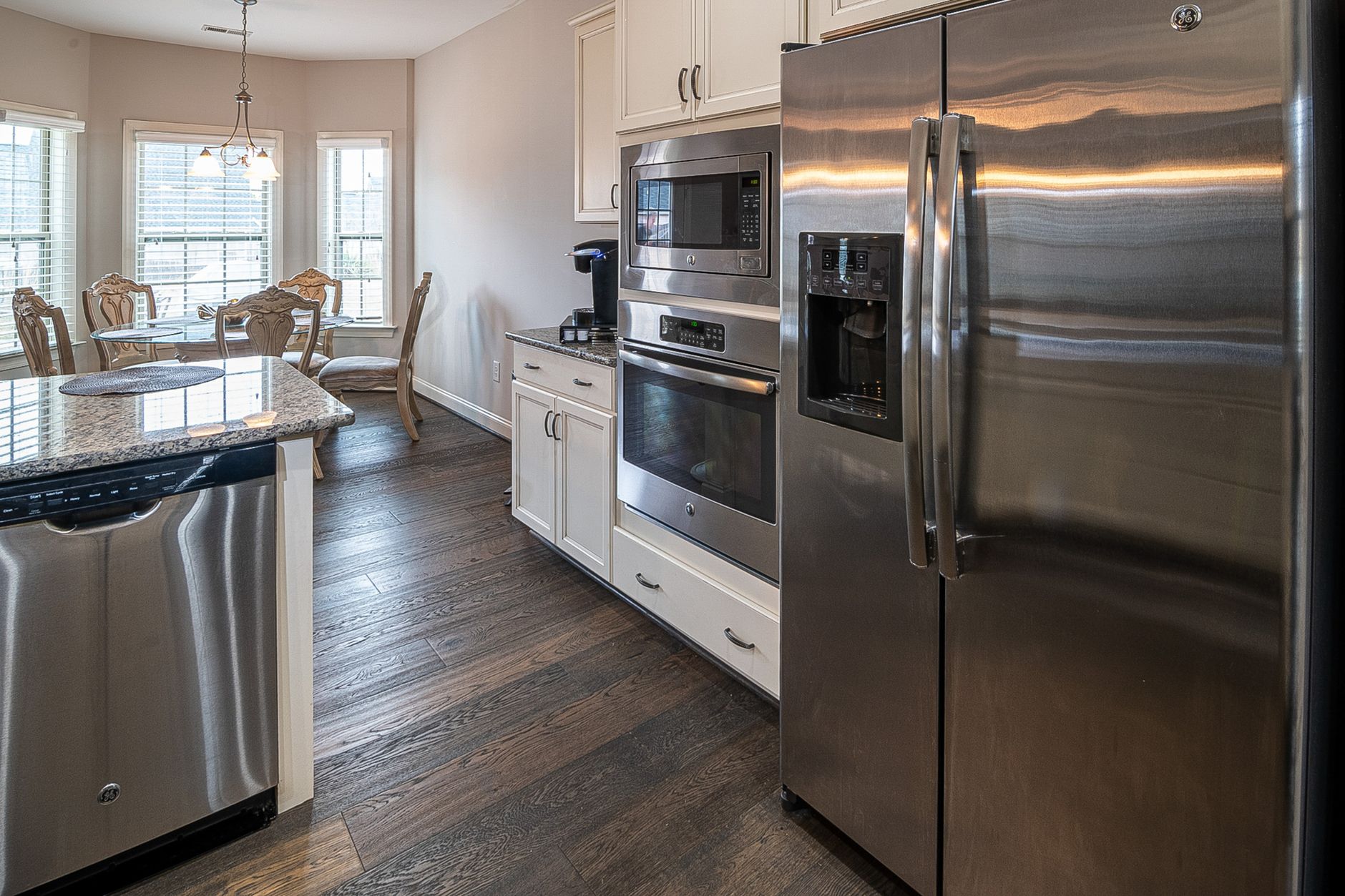
When homeowners remodel or upgrade, they often face the choice between a bundled kitchen appliance package and purchasing each item individually. The decision can feel like a gamble: does the bundle truly save money, or does it hide hidden costs?
⚡ In a Rush? Key Takeaways
- Bundles in 2026 average 18‑20% lower list price than buying items separately.
- Running‑cost savings are modest—typically $15‑$45 per year per appliance.
- Convenience value is hard to quantify, but coordinated delivery can cut installation labor by up to 30%.
- Warranty alignment saves admin time, but individual warranties often offer longer coverage.
- ✅ Verdict: Bundles are worth it only when you need three or more major appliances and value coordinated installation.
How much can you actually save by buying a kitchen appliance bundle?
2026 bundle discounts average 18‑20% off total list price, translating to $500‑$800 for a typical four‑appliance set.
Retailers such as Home Depot, Lowe’s and specialty kitchen showrooms routinely advertise bundle savings of 15‑20 percent. In practice, the discount stems from two sources: a reduced markup on each unit and a promotional package price that bundles delivery and installation.
For a common configuration—refrigerator, stove, dishwasher, and microwave—the combined list price in 2026 is roughly $4,200. Applying an 18 % bundle discount lowers the bill to $3,444, a net saving of $756.
- Refrigerator: $1,200
- Stove (electric or gas): $1,100
- Dishwasher: $900
- Microwave: $1,000
When purchasing each appliance individually, sales taxes, delivery fees and separate installation charges add up. Even with a 5 % off‑season discount on each item, the total can exceed $4,000 after fees.
What hidden costs might erode the apparent bundle discount?
Delivery, installation and extended‑warranty fees often add $100‑$250 per appliance, diminishing bundle savings.
Retailers sometimes bundle free delivery, but the fine print may limit the service to standard white‑goods only. Heavy appliances like a range or a large French‑door fridge may still incur a $150‑$200 specialist delivery charge.
Installation is another variable. A bundled quote usually includes a single technician visit for all appliances, saving roughly 30 % on labor compared with three separate appointments.
| Cost Element | Bundle Quote | Individual Purchase |
|---|---|---|
| Appliance List Price | $3,444 | $4,200 |
| Delivery Fees | $80 | $150‑$250 |
| Installation Labor | $120 | $240‑$360 |
| Extended Warranty (optional) | $0‑$180 | $0‑$240 |
| Total (mid‑range) | $3,644 | $4,950 |
Do bundles affect the long‑term running costs of appliances?
Running costs differ little; energy‑rated appliances save $15‑$45 per year each, regardless of purchase method.
Energy efficiency is governed by the appliance’s rating, not the purchase channel. A 2026 ENERGY STAR dishwasher consumes about 0.9 kWh per cycle, costing roughly $0.11 per load at the US average rate of $0.12/kWh. Over 300 cycles a year, that’s $33 in electricity.
Bundling does not change these numbers, but it can influence future upgrade decisions. If a bundle includes a lower‑rated model to hit a price target, the running‑cost gap could be $25‑$40 annually compared with a higher‑rated stand‑alone purchase.
- Refrigerator: $70‑$90/year
- Stove: $30‑$45/year (electric)
- Dishwasher: $30‑$45/year
- Microwave: $10‑$15/year
How do retailer loyalty programs impact bundle pricing?
Members often receive an extra 2‑5% discount on bundles and a rebate on future purchases.
Big‑box chains reward repeat shoppers with loyalty cards that stack onto existing bundle offers. For example, a Home Depot Pro X member might see a 3 % additional reduction on a $3,500 bundle, shaving $105 off the total.
Beyond price, loyalty programs can provide store credit for future upgrades, effectively amortising the bundle cost over several years. If you plan to replace a range hood or add a wine fridge later, that credit can offset later expenses, making the initial bundle appear more attractive.
What about future‑proofing and smart features?
Bundles sometimes omit the latest smart connectivity, so buying individually ensures you get the newest tech.
Manufacturers release incremental upgrades—Wi‑Fi‑enabled ovens, AI‑driven refrigerators—with modest price premiums. A bundled package may lock you into a model that’s a generation behind, especially if the retailer prioritises inventory turnover over cutting‑edge specs.
If home‑automation integration is a priority, purchasing appliances separately lets you cherry‑pick the most future‑ready units, even if the total list price is slightly higher. The long‑term convenience of unified app control can outweigh the initial discount.
When is buying appliances individually a smarter financial move?
If you need only one or two items, individual purchase avoids bundle over‑spending and lets you target the most efficient models.
Many homeowners replace a single aging appliance, such as a dishwasher, while the rest of the kitchen set remains modern. In that scenario, a bundle forces you to purchase unnecessary equipment at a marginal discount.
Consider the total cost of ownership (TCO) over ten years. A high‑efficiency dishwasher bought individually for $950 (including a $150 rebate) and paired with a $1,200 fridge that already exists yields a TCO of $1,250 for the dishwasher, plus $700 in electricity over ten years.
Contrast that with a four‑appliance bundle that includes the same dishwasher plus three appliances you already own. Even at a 20 % discount, you’re spending an extra $800‑$1,000 for gear you don’t need, outweighing any marginal energy savings.
How does the timing of sales affect individual vs bundle pricing?
Seasonal sales (Black Friday, Labor Day) can shave 10‑15% off individual items, sometimes matching bundle discounts.
Major retailers schedule deep discounts on major appliances during holiday weekends. A refrigerator that normally retails for $1,200 may drop to $1,020 during a Black Friday event, a 15 % reduction comparable to many bundle offers.
Strategically timing purchases can thus erode the bundle advantage. If you can wait for a 30‑day sales cycle, you may acquire each appliance at a price equal to or lower than the bundled total.
What role does warranty coverage play in the decision?
Bundled warranties often align periods, but individual extended warranties can provide longer coverage for premium models.
Retailers usually include a standard one‑year warranty on each bundled appliance, with the option to add a three‑year extended plan for a flat fee. When buying separately, you can select extended coverage only for the appliance you deem most critical, such as a high‑end fridge that costs $2,000.
This selective approach can save $50‑$100 per year in warranty premiums while still protecting your biggest investment.
Can you mix and match: partial bundles?
Some retailers allow you to add two or three items to a base bundle, giving a discount without forcing a full kitchen set.
Home Depot’s “Build‑Your‑Own Bundle” starts with a base price for a refrigerator and lets you tack on a stove and dishwasher at a reduced incremental rate. The discount on the added items is typically 12‑15 % versus buying them stand‑alone.
This approach works well if you already own a microwave or a wall oven and only need to replace the remaining core pieces. It captures some bundle savings while avoiding the cost of truly redundant appliances.
How do convenience factors influence the value of a bundle?
Coordinated delivery and installation can save 1‑2 labor days and reduce project disruption, a non‑monetary benefit worth $150‑$300.
Beyond price, bundles simplify the renovation timeline. A single delivery window reduces the need to clear hallways repeatedly, and a unified installation crew can wire the stove, connect the dishwasher and hook up the fridge in one pass.
- Single delivery window → saves 2‑3 hours of coordination.
- One installation crew → reduces labor invoicing errors.
- Unified warranty paperwork → less paperwork.
Does bundling affect resale value of a home?
Homes with matching, high‑efficiency appliances can fetch $1,000‑$2,000 more, especially in competitive markets.
Buyers often value a cohesive kitchen aesthetic and appreciate knowing that all appliances share similar energy ratings. A 2026 market report notes that staged homes with coordinated appliance packages sold, on average, 3 % faster and at a 2‑3 % premium.
However, the premium is tied to the perceived quality of the appliances, not the fact that they were bought as a bundle.
What financing options are typically available for bundles?
Retailer financing offers 0 % APR for 12‑24 months on bundles over $2,000, spreading cost without interest.
Many big‑box stores partner with financing companies to provide zero‑percent interest for up to two years on purchases exceeding $2,000. This can make a $3,500 bundle feel more manageable, though the total cost remains the same.
When buying items individually, you might qualify for manufacturer promotions (e.g., $100 off a stove) but may need separate credit cards or loans, complicating cash flow.
FAQ
Are bundle discounts consistent across all retailers?
Discounts vary; big‑box chains average 18‑20 % while boutique kitchen stores may offer 10‑12 %.
Can I negotiate a better price on a bundle?
Yes—especially if you’re buying multiple high‑ticket items; ask for an extra 2‑5 % off the quoted bundle.
Do bundles include installation for all appliance types?
Most bundles cover standard installation; specialty appliances like a built‑in oven may incur an extra fee.
Is it better to buy a bundler’s extended warranty or the manufacturer’s?
Manufacturer warranties usually cover parts longer; retailer extensions add labor coverage for the bundle period.
How do I calculate the true total cost of ownership?
Add purchase price, delivery, installation, warranty, and estimated energy use over ten years.
Bottom line: Should you choose a kitchen appliance bundle?
If you need three or more major appliances and value coordinated delivery, bundles typically save $500‑$800 and cut labor time.
For homeowners replacing a single item or who already own most core appliances, individual purchases let you target the most efficient models and avoid paying for unnecessary hardware. Remember to factor in seasonal sales, warranty preferences and the logistical convenience each option brings.
Overall, the bundle’s financial edge is modest but real; the convenience premium can tip the scales. Use the Appliance Cost Calculator to model your own scenario and decide which route aligns with your budget and timeline.
— Greta Michaud, Home Appliance Efficiency Researcher