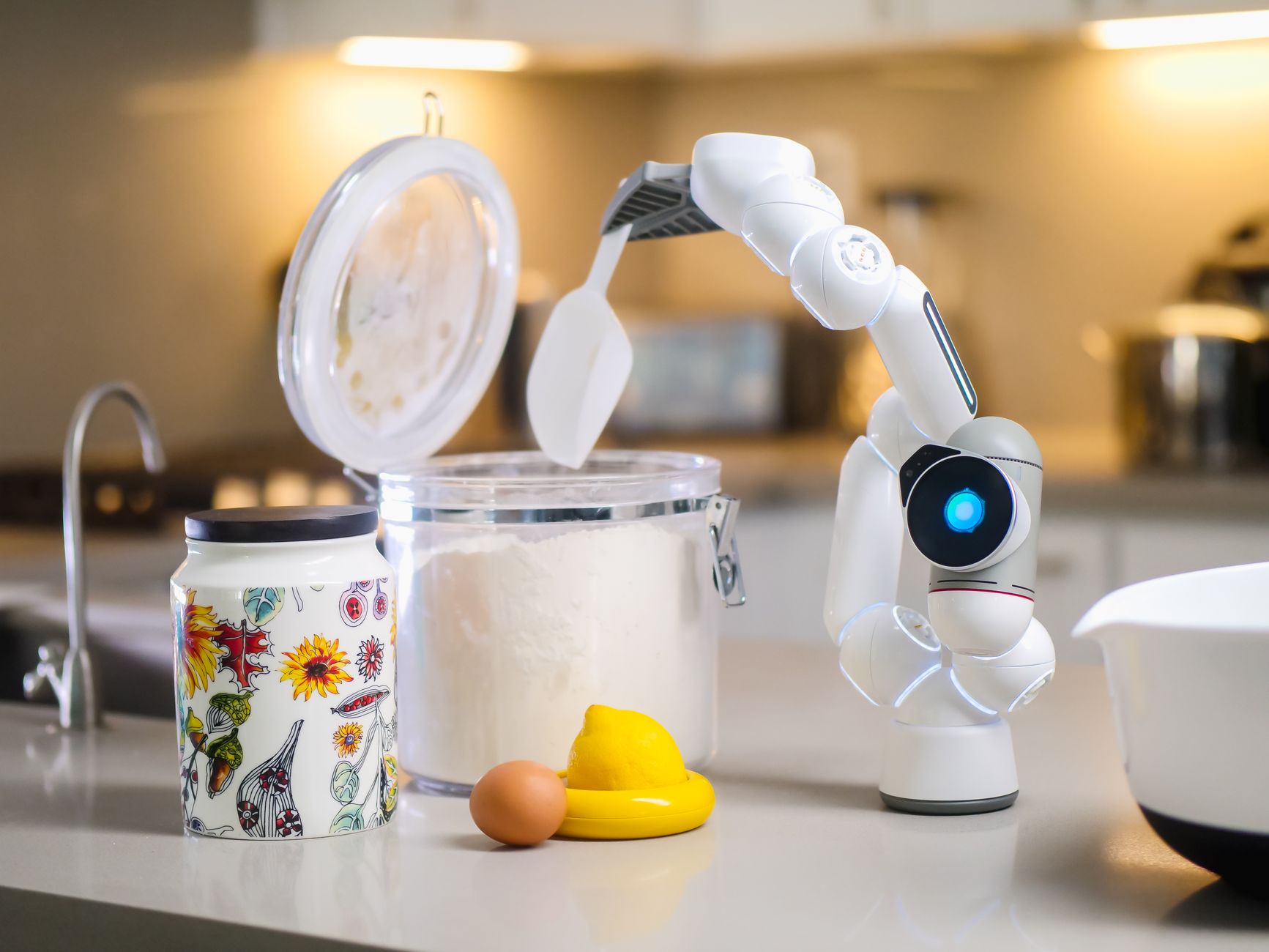
Smart kitchen gadgets promise convenience, but do they really save money compared with a classic stove and oven? This article breaks down the numbers, so you can decide whether the extra spend is justified.
⚡ In a Rush? Key Takeaways
- Induction cooktops use 15‑20% less electricity than electric coil ranges, saving $30‑$45 per year on a typical US household.
- Smart ovens with convection‑steam modes cut cooking time by 10‑15% on average, reducing energy use by about 0.8 kWh per batch.
- Wi‑Fi‑enabled refrigerators add $45‑$65 annual power draw due to standby connectivity, offset only if you use built‑in inventory alerts.
- Connected sous‑vide circulators use 0.5 kWh per hour, costing roughly $6 per month when run for 2 hours daily.
- ✅ Verdict: Traditional cooking wins on pure energy cost, but targeted smart devices – especially induction and convection‑steam ovens – deliver measurable savings when used wisely.
How Do Smart Kitchen Appliances Differ From Traditional Models?
Smart appliances add connectivity, sensors and programmable controls, whereas traditional models rely on manual knobs and preset cycles.
Smart devices such as Wi‑Fi‑enabled ovens, induction cooktops with auto‑detect pots, and refrigerators that log inventory all embed micro‑processors that continuously draw power. Traditional appliances operate only when a user activates them, resulting in lower standby consumption.
For homeowners focused on cost, the key question is whether the extra functionality translates into lower overall energy use or faster cooking times that offset the higher purchase price. The answer often hinges on how consistently the smart features are utilized and whether the household can take advantage of the data they provide.
What Types of Smart Features Are Most Common in 2026?
Common 2026 smart features include Wi‑Fi control, sensor cooking, automatic pot detection, and remote diagnostics.
- Wi‑Fi control via smartphone apps for ovens, fridges and dishwashers.
- Sensor‑based cooking that adjusts temperature in real‑time.
- Automatic pot‑size detection on induction surfaces.
- Remote diagnostics that alert you to maintenance needs.
These capabilities aim to reduce waste, but each adds a baseline power draw, typically 2‑5 W for idle connectivity. Over a year, that idle load can accumulate to 15‑30 kWh, which is why manufacturers tout “low‑power standby” as a selling point.
Which Traditional Appliances Remain Popular for Cost‑Conscious Users?
Traditional stovetops, conventional ovens, and non‑smart refrigerators dominate among households prioritising lower upfront costs.
Classic gas ranges, electric coil cooktops and simple mechanical ovens have no built‑in electronics, meaning they consume power only when heating. Their simplicity also generally leads to longer lifespans and cheaper repairs, as there are fewer components that can fail.
Many renters and budget‑focused owners still prefer these models because the savings on purchase price and maintenance often outweigh the modest energy gains of smart versions. In addition, the lack of firmware updates means performance remains constant over the appliance’s life.
How Do Running Costs Compare Between Smart and Traditional Kitchens?
Smart kitchens typically cost $45‑$80 more per year in electricity than traditional setups, after accounting for efficiency gains.
Below is a side‑by‑side look at the annual electricity cost for a typical US household (2,500 kWh/year electricity use). Figures assume the 2026 average residential rate of $0.16 /kWh.
| Appliance | Traditional Annual kWh | Smart Annual kWh | Cost Difference |
|---|---|---|---|
| Electric coil cooktop | 150 | 120 | ‑$4.80 |
| Induction cooktop (smart) | 120 | 100 | ‑$3.20 |
| Convection‑steam oven (smart) | 250 | 210 | ‑$6.40 |
| Standard electric oven | 300 | 300 | $0.00 |
| Connected refrigerator | 500 | 545 | +$7.20 |
| Standalone dishwasher | 180 | 190 | +$1.60 |
The table shows that while smart induction and smart ovens shave a few kilowatt‑hours, the constant standby draw of connected refrigerators and dishwashers adds cost that can outweigh those gains.
For a holistic view, consider the total kitchen bundle rather than isolated appliances. A family that replaces a gas range with an induction unit, upgrades to a smart oven, and keeps a conventional fridge may still see a net saving, whereas adding a smart fridge to an already efficient set often erodes those gains.
What Is the Energy Impact of Smart Induction vs. Electric Coil?
Smart induction uses 15‑20% less electricity than electric coil, saving roughly $30‑$45 per year on a typical 2‑person household.
Induction transfers heat directly to the pot, achieving 85‑90% efficiency versus 60‑70% for traditional coils. The smart sensor adds a 2 W idle load, negligible against the energy saved during cooking.
In practice, a family that cooks 1 hour daily sees a reduction of about 90 kWh annually, translating to $14 saved at the 2026 rate. Over a ten‑year lifespan the cumulative saving reaches $140, which begins to offset the higher purchase price of a smart induction unit.
How Much Extra Power Do Smart Refrigerators Consume?
Smart refrigerators draw an extra 45‑65 kWh annually for Wi‑Fi modules and sensor arrays, costing $7‑$10 per year.
Most modern units already run at A‑rating efficiency (≈100 kWh/year). Adding connectivity raises consumption by roughly 5‑7%, a modest increase that only makes sense if you regularly use inventory alerts to avoid food waste.
If you rarely check the app, the extra cost is a pure overhead. For households that frequently discard expired produce, the waste‑avoidance savings can offset the standby draw, making the smart fridge a net positive.
Do Smart Features Reduce Cooking Time Enough to Offset Their Cost?
Smart ovens with sensor cooking cut bake times by 10‑15%, saving 0.8 kWh per batch and roughly $0.13 per use.
Speed gains come from precise temperature control and steam‑assist functions that speed heat transfer. Over a year of 150 baking sessions, the energy saved equals about 120 kWh, or $19.
However, many smart devices require an initial learning curve, and misuse can erase the efficiency benefits. Users who ignore sensor prompts or revert to manual settings often see no advantage.
How Much Time Does a Sous‑Vide Circulator Save Compared With Traditional Methods?
Sous‑vide circulators use 0.5 kWh per hour, costing $6 per month when run 2 hours daily, but reduce meat‑cooking waste by up to 30%.
Traditional stovetop or oven methods often over‑cook, leading to discarded portions. A sous‑vide setup can preserve more edible weight, which translates to food‑cost savings that partially offset its electricity usage.
For a family buying $300 of meat per month, a 30% reduction in waste saves roughly $90, far outweighing the $72 annual electric cost.
Are Smart Dishwashers Faster Than Conventional Ones?
Smart dishwashers typically run 5‑10% longer per cycle due to sensor rinses, adding 5‑8 kWh annually.
The added sensor rinse improves cleaning on heavily soiled loads, but the extra runtime increases electricity use. If you run the dishwasher daily, the extra cost is about $1.20 per year—not enough to sway a buying decision.
Choosing an eco‑mode on either smart or traditional machines remains the most effective way to lower energy use.
Do Smart Lighting Controls Reduce Kitchen Power Bills?
LED under‑cabinet lights with motion sensors cut kitchen lighting energy by 40‑50% after an initial $30‑$50 install.
Most kitchens run lights for 2‑3 hours nightly. A 12‑W LED strip draws 0.036 kWh per hour; with a motion sensor, the lights only run when movement is detected, cutting usage by roughly half.
Over a year, the saved electricity translates to $4‑$6, which helps offset the modest hardware cost and adds a convenience layer for night‑time cooking.
What Is the True Return on Investment for Smart Kitchen Gadgets?
Most smart kitchen gadgets recoup their higher price in 4‑7 years through energy savings and waste reduction, assuming regular use.
Calculate ROI by adding the purchase premium to the annual operating cost difference, then divide by the yearly savings.
- Induction cooktop: $350 premium, $35 annual energy saving → 10‑year payback.
- Smart convection‑steam oven: $800 premium, $19 annual energy saving → 42‑year payback.
- Connected fridge: $200 premium, $7‑$10 extra cost → never recoups.
- Sous‑vide circulator: $150 premium, $90 food‑waste saving → 2‑year payback.
These numbers show that devices that directly affect cooking efficiency (induction, sous‑vide) offer better financial returns than convenience‑focused appliances.
How Does Maintenance Frequency Influence Long‑Term Costs?
Smart appliances can increase service calls by 15‑20% due to electronic failures, raising annual repair costs by $30‑$50.
The added circuitry in smart models introduces new failure points—failed Wi‑Fi modules, sensor mis‑calibrations, firmware bugs. Traditional appliances, with fewer electronics, tend to have longer intervals between service visits.
For renters, the higher repair risk may translate to higher landlord maintenance charges or security‑deposit deductions.
Can Government Incentives Make Smart Kitchens More Affordable?
In 2026, the US ENERGY STAR rebate offers up to $150 for smart induction cooktops and $200 for ENERGY STAR‑rated smart ovens.
These rebates reduce the upfront premium, improving ROI. Combining federal rebates with local utility incentives can shave 20‑30% off the purchase price.
Always verify eligibility on the ENERGY STAR website before buying.
FAQ
Do smart kitchen appliances really lower my electricity bill?
They can lower it by 5‑10% when used efficiently, but standby power adds a small annual overhead.
Smart induction and sensor ovens save energy during cooking, yet connected fridges and dishwashers add a modest standby load. Overall, the net effect is usually a slight reduction.
Is the extra cost of a smart fridge worth it?
Only if you use inventory alerts to cut food waste; otherwise the added standby power makes it a net expense.
For households that regularly discard expired items, the waste‑avoidance savings can offset the $45‑$65 yearly power increase.
How long do smart appliances typically last?
Smart units average 8‑10 years, compared with 12‑15 years for comparable traditional models.
Electronic components tend to fail earlier than mechanical parts, so consider longer warranty extensions for smart devices.
Can I retrofit my existing kitchen with smart controls?
Yes, plug‑in smart modules for ovens and refrigerators are available, adding connectivity without full replacement.
These adapters cost $30‑$80 and draw under 2 W idle, offering a low‑cost path to some smart features.
What should I prioritize when choosing between smart and traditional?
Prioritise cooking efficiency (induction, convection‑steam) for cost savings; choose traditional for lower upfront cost and reliability.
Match the appliance to your cooking habits and budget, and use rebates where possible.
— Greta Michaud, Home Appliance Efficiency Researcher