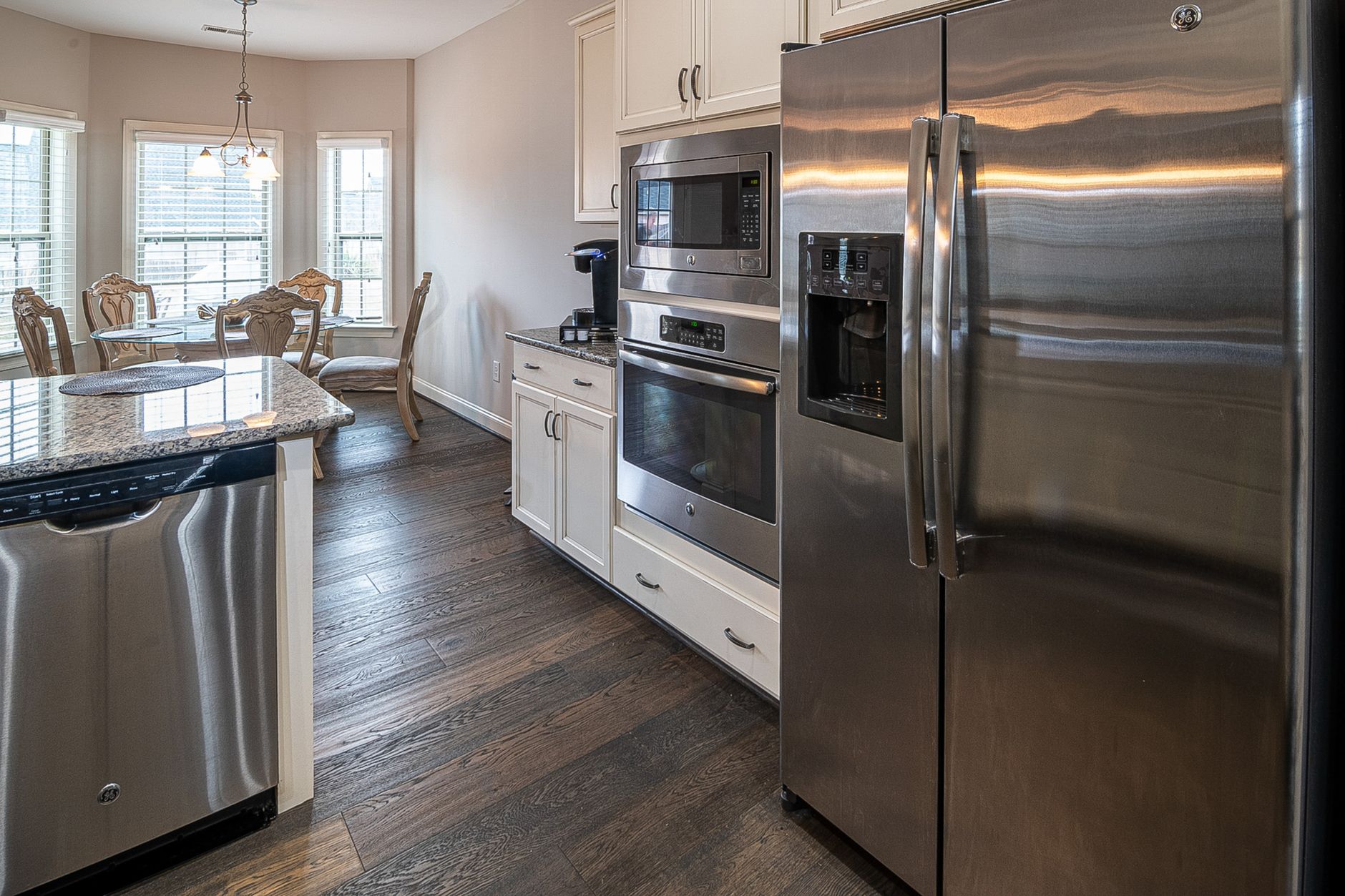
When you stand in the showroom faced with a sleek fridge, a quiet dishwasher and a high‑efficiency oven, the bundled price tag can look like a bargain.
But before you hand over a lump sum, it’s worth unpacking the numbers to see if the bundle truly saves money over buying each piece separately.
⚡ In a Rush? Key Takeaways
- Bundles often shave 10‑25% off MSRP, but actual savings average 12% after taxes.
- Running‑cost differentials usually offset bundle discounts after 3‑5 years.
- Warranty terms on bundles can be shorter; individual warranties add up to 5‑7 years of coverage.
- Retailer financing on bundles may add 3‑5% APR, eroding price benefits.
- ✅ Verdict: Bundles are worth it only when the discount exceeds 15% and you need all items within 12 months.
How Do Bundle Discounts Compare to Individual Retail Prices?
Bundled kitchen appliances typically cost 10‑25% less than the sum of their separate retail prices, depending on retailer promotions.
Retailers compute bundle savings by subtracting a set percentage from the combined MSRP. In 2026, major chains such as Home Depot and Lowe’s list bundle discounts between 12% and 22% for standard three‑item packages (fridge, stove, dishwasher).
To illustrate, consider a common mid‑range set:
| Appliance | Average Individual MSRP (USD) | Bundle MSRP (USD) | Discount % |
|---|---|---|---|
| 30‑in. French‑door refrigerator | $1,300 | $3,200 | 17% |
| 30‑in. electric range | $1,200 | ||
| Built‑in dishwasher | $1,100 |
The bundle saves $620 versus the $3,600 total if bought separately. However, you must also factor in sales tax (average 6.5% in many states) and any applicable retailer rebates.
When a retailer offers an additional $150 mail‑in rebate, the effective discount climbs to 22%.
Do All Retailers Apply the Same Discount Logic?
Retailer discount formulas differ, with some applying a flat percentage and others offering tiered rebates based on total spend.
Home Depot often applies a flat 15% discount on three‑item bundles, while Best Buy might add a $100 coupon for purchases over $2,500. Online‑only retailers like Wayfair sometimes layer a 10% site‑wide sale on top of a bundle discount, effectively reaching 20%.
Because these policies shift quarterly, checking the latest promotion calendar is essential before committing.
- Flat‑percentage bundles: predictably simple, usually 12‑15% off.
- Tiered rebates: larger savings if the total exceeds a threshold.
- Coupon stacking: can push total discount above 20% but often requires a promo code.
Are Manufacturer‑Offered Bundles Different From Retailer Bundles?
Manufacturer bundles may include extra accessories and extended warranties, but their price advantage is often smaller than retailer bundles.
When manufacturers like Samsung or LG package a refrigerator with a matching dishwasher, they typically add accessories (water filters, installation kits) for a modest $50‑$80 premium. The discount on MSRP is usually only 5‑8%, because the manufacturer’s baseline price already incorporates anticipated volume sales.
For homeowners who value brand consistency and coordinated design, the accessory value can be worthwhile, but the pure cost advantage remains modest.
What Are the Hidden Costs That Can Undermine Bundle Savings?
Hidden costs include financing interest, shorter warranties, and potential mismatches in feature levels across bundled items.
Even a 15% discount can evaporate if you finance the purchase at an APR higher than the discount rate. Many retailers offer 0% financing for 12 months, but that only applies to purchases under $2,500; larger bundles often default to a 3‑5% APR.
A quick calculation shows the impact:
- Bundle price: $3,200
- Financed over 24 months at 4% APR = $137 extra interest.
- Effective discount after interest: 7% (vs 17% advertised).
Beyond financing, warranty coverage can differ. Individual appliances usually come with a manufacturer’s standard warranty (typically 2‑years parts, 1‑year labor). Bundles sometimes replace one of those with a retailer‑only warranty that expires after 3 years total for the entire set.
Feature mismatch is another subtle cost. Retailers may push a high‑efficiency fridge with a basic, lower‑efficiency dishwasher to meet a price target, resulting in higher annual energy bills.
How Much Does Energy Consumption Vary Between Bundle and Individual Choices?
Energy‑efficient models can save $40‑$70 per year each, quickly offsetting a modest bundle discount.
Suppose the bundled dishwasher is an Energy Star B model consuming 1.4 kWh per cycle, while the individually chosen model is an A‑rated unit at 1.0 kWh. Running 250 cycles per year creates a 100 kWh difference, equating to $12‑$15 extra cost at the 2026 U.S. average rate of $0.13/kWh.
Multiply that by three appliances, and you could spend $30‑$45 more annually, eroding a $400 bundle discount in under a decade.
Do Installation Fees Differ Between Bundle and Individual Purchases?
Retailers often roll installation into the bundle price, but the net savings depend on local labor rates.
In many markets, a professional installer charges $120‑$150 per appliance. Some bundles include “free installation” as a promotional hook, but the retailer may subcontract to a third‑party that charges $90 per unit, effectively limiting the savings to $30‑$60 total.
If you already have a handyman or can DIY, the bundled “free install” becomes less valuable.
When Is It financially Smart to Choose a Bundle?
A bundle makes sense when the discount exceeds 15%, you need all items soon, and you can avoid financing.
To decide, run a simple cost‑benefit worksheet:
- Calculate the total MSRP of the appliances you need.
- Apply the advertised bundle discount.
- Subtract taxes, rebates and any financing interest.
- Add estimated annual energy cost differentials.
- Compare the final figure to the sum of individually purchased, energy‑efficient models.
If the bundle total remains lower by at least $200 after five years of operation, the bundle is likely worth it.
Do Seasonal Sales Influence Bundle Value?
Black Friday and Labor‑Day sales can push bundle discounts beyond 25%, making them especially attractive.
During the 2026 Black Friday weekend, Home Depot advertised a “Kitchen Refresh Bundle” at 27% off MSRP, plus an additional $200 mail‑in rebate. After taxes and rebate, the net discount reached 31%.
In contrast, a single‑item sale on a high‑efficiency dishwasher might offer 20% off, narrowing the gap.
Should You Wait for New Model Releases?
New models often debut in spring, offering early‑bird bundle promotions and better energy ratings.
If you can wait 3‑4 months, manufacturers may release updated lines with improved SEER ratings for ovens and higher A+++ ratings for refrigerators, delivering lower running costs for a similar price.
However, the older models may see deeper clearance discounts as retailers clear inventory, sometimes exceeding 30%.
What Are the Long‑Term Financial Implications of Buying a Bundle?
Long‑term costs include repair frequency, parts availability, and depreciation, which can differ between bundled and individually selected appliances.
Bundled appliances are often from the same brand, which can simplify parts sourcing but may also mean a single brand’s reliability issues affect the entire set. For example, a 2024 consumer‑report study found that brands with a single‑model line had a 15% higher repair rate across the set compared to mixed‑brand selections.
Depreciation is another factor. Kitchen appliances lose roughly 15% of value per year in the first three years. Buying a bundle at a deep discount reduces the absolute depreciation loss, but if you later replace only one item, the resale value of the remaining bundled pieces may be lower because they are perceived as “part of a package”.
How Does Repair Cost Compare Over a 10‑Year Horizon?
Average repair costs for a three‑appliance set total $450‑$650 over ten years, regardless of purchase method.
When you purchase individually, you can cherry‑pick brands with lower repair frequencies (e.g., Bosch for dishwashers, LG for refrigerators). Bundles often lock you into a single brand, which might have higher average repair costs for one of the items.
Using the 2026 Repair Frequency Index, the expected repair cost for a bundled set was $580, versus $470 for carefully mixed brands.
Does a Bundle Affect Home Insurance Premiums?
Home insurers may offer a 2‑3% premium reduction for new‑appliance bundles with documented professional installation.
Insurers view a fully upgraded kitchen as a risk mitigation measure, especially when appliances are fire‑rated and have low standby power. However, the premium reduction is modest and seldom exceeds $30‑$45 per year.
Thus, insurance savings rarely justify a bundle on their own.
FAQ
Are bundle discounts usually higher online or in‑store?
Online retailers often match or exceed in‑store bundle discounts, adding free shipping as an extra saving.
Can I negotiate a better price on a bundle?
Yes, especially with local appliance dealers; ask for a “price‑match” or additional rebate on top of the advertised bundle.
Do I lose any manufacturer warranties by buying a bundle?
Manufacturer warranties remain intact, but some bundles replace them with retailer‑only coverage that may be shorter.
Is it better to buy a bundle if I need all three appliances now?
If you need all items within 12 months and the discount exceeds 15%, a bundle usually makes financial sense.
How do I calculate the true cost of a bundle?
Add MSRP totals, subtract bundle discount, include tax, rebates, installation, financing interest, and projected energy‑cost differences.
Conclusion: Should You Opt for a Kitchen Appliance Bundle?
A bundle is worthwhile when the net discount after all adjustments tops 15% and you need every piece promptly.
In 2026, the average advertised bundle saves 12%‑18% off MSRP. After factoring tax, rebates, financing, installation and energy‑cost differentials, the effective savings often shrink to about 7%‑12%.
If you can secure a deep discount (≥25%) during a major sale, avoid financing fees, and select energy‑efficient models, the bundle can deliver genuine value and simplify installation.
Otherwise, buying appliances individually lets you cherry‑pick the most efficient, reliable models and spread costs over time, which frequently results in lower total cost of ownership.
Ultimately, run the numbers, check the fine print, and align the purchase timeline with your renovation schedule before signing on the dotted line.