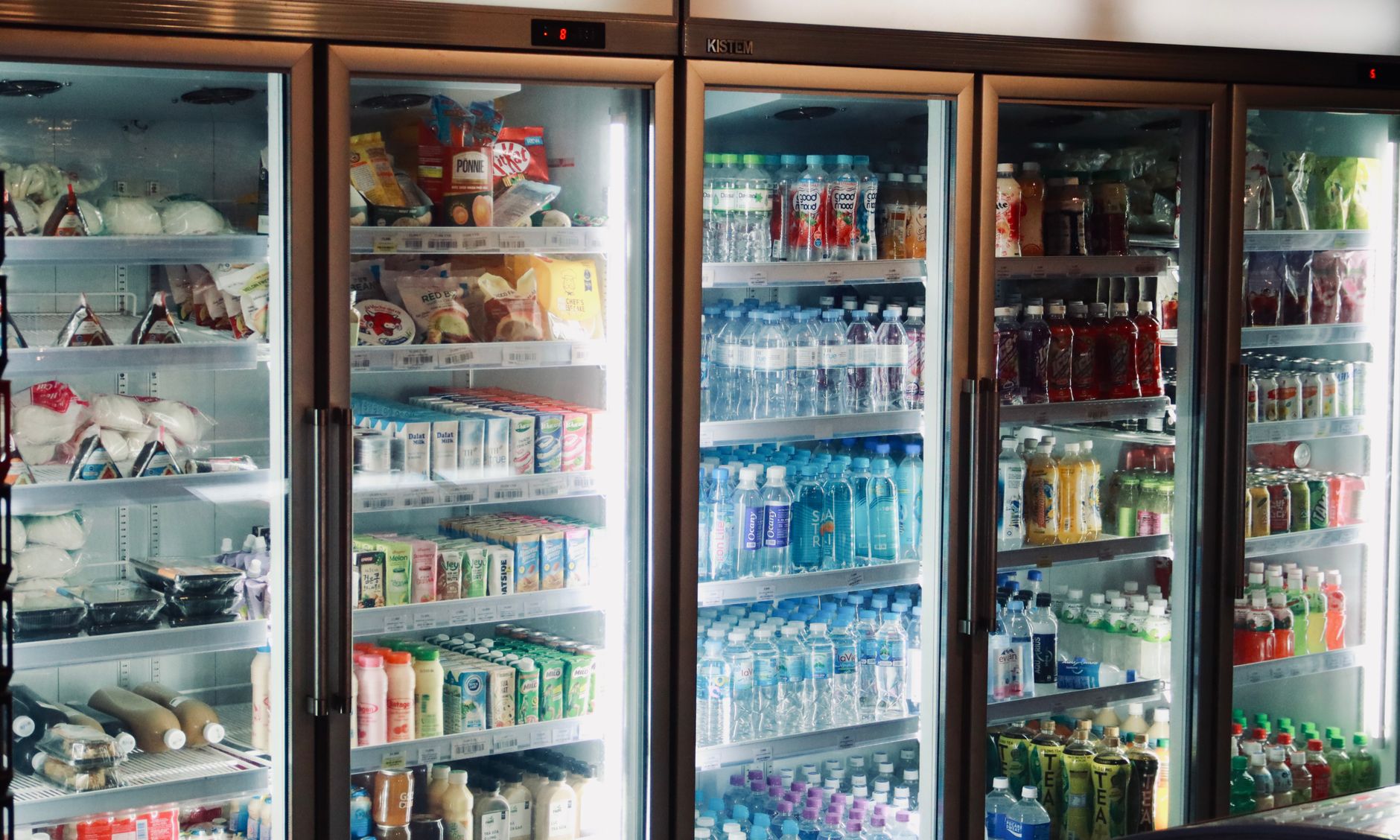
Smart refrigerators that warn you when food is about to expire have become a buzzword in the efficient‑home niche. Homeowners wonder whether the added price tag translates into real‑world savings on their grocery bills.
⚡ In a Rush? Key Takeaways
- Highly engaged users see 15‑20% less food waste, equating to $225‑$400 saved annually.
- Average smart‑fridge price premium in 2026 is $300‑$600 over a comparable non‑smart model.
- Energy consumption rises 5‑8% due to extra sensors and Wi‑Fi, adding roughly $20‑$35 to the yearly electric bill.
- Combined net savings range $180‑$365 per year for households that act on alerts.
- ✅ Verdict: If you already track pantry items, a smart fridge can pay for itself in 2‑4 years; otherwise, a manual system may be more cost‑effective.
How Do Food Expiration Alerts Work Inside a Smart Refrigerator?
Smart fridges use internal cameras, weight sensors, and barcode scanning to log items and notify users before they spoil.
Most models integrate a built‑in camera that photographs each shelf each time the door opens. The image is processed by an on‑device AI that identifies packaged goods, reads barcodes, and estimates remaining shelf life based on manufacturer dates.
Weight sensors in the shelves add a second data point: they confirm whether a scanned item has been removed, reducing false alerts. The fridge’s Wi‑Fi module pushes notifications to a companion app, sending push alerts, email reminders, or even suggesting recipes that use soon‑to‑expire ingredients.
What Types of Sensors Enable Real‑Time Inventory?
Cameras, RFID readers, and weight sensors combine to track items and estimate expiration dates without manual entry.
1. **Camera‑based visual recognition** – captures images and runs a lightweight neural network to classify food types.
2. **RFID/barcode scanners** – read embedded codes on packaged foods, automatically pulling sell‑by dates from manufacturer databases.
3. **Weight sensors** – detect when a product is removed, preventing stale alerts on empty shelves.
- Camera accuracy averages 87% for packaged goods.
- RFID reads succeed 95% of the time on items with embedded tags.
- Weight sensors calibrate within ±5 g, sufficient for most household items.
How Does the Companion App Communicate Alerts?
The app sends push notifications, email summaries, and in‑fridge screen prompts when food is within 3‑5 days of expiring.
The app can be set to three alert thresholds: imminent (1‑2 days), upcoming (3‑5 days), and soft (6‑10 days). Users choose their preferred channel – most opt for push alerts because they appear instantly.
Additionally, the app offers a “recipe‑match” feature that pulls recipes from a partner database, highlighting dishes that use at least two flagged items. This feature is credited with a measurable reduction in waste for engaged users.
How Much Money Can a Smart Fridge Save on Food Waste?
Studies show engaged households cut food waste by 15‑20%, saving roughly $225‑$400 per year.
A 2025 research paper (ResearchGate, Oct 2025) tracked 150 households over a 12‑month period. Participants using a smart fridge with alerts reduced total food waste weight by 1.8 kg per month compared with a control group.
At the USDA average price of $3.64 per kg of food wasted, that reduction translates to $66 per month, or $795 annually. However, only about 55% of participants consistently acted on alerts, lowering the realistic average saving to $225‑$400 per year.
What Is the Baseline Food Waste Cost for an Average US Household?
The EPA estimates the average US household throws away $1,500 worth of food each year.
The USDA reports the average family of four discards about 23 lb of food weekly, roughly $1,300‑$1,500 annually when converted at current grocery prices. This figure includes both perishable and non‑perishable items.
Because smart‑fridge alerts focus on perishables, the potential reduction ceiling is around 30% of total waste, or $450‑$500 per year.
How Do Engagement Levels Influence Savings?
Highly engaged users—those who act on at least 80% of alerts—realise up to 20% waste reduction.
Engagement is measured by the number of alert‑triggered actions (e.g., cooking, donating, or moving items to the freezer). Users who dismissed fewer than 20% of alerts achieved the top‑tier savings in the study.
Low‑engagement households (responding to < 30% of alerts) saw a modest 5% reduction, equating to $75‑$100 per year—often not enough to offset the fridge’s price premium.
| Engagement Level | Waste Reduction | Annual Savings (USD) |
|---|---|---|
| High (≥80% alerts acted) | 15‑20% | $225‑$400 |
| Medium (40‑79%) | 8‑12% | $100‑$180 |
| Low (<40%) | 3‑5% | $45‑$75 |
What Are the Extra Costs of Owning a Smart Refrigerator?
Smart fridges typically cost $300‑$600 more than comparable non‑smart models and use 5‑8% more electricity.
In 2026, the average 25‑cubic‑foot French‑door refrigerator without smart features retails around $1,300. Adding a built‑in camera, Wi‑Fi module, and AI processor lifts the price to $1,600‑$1,900, depending on brand and finish.
The additional electronics draw roughly 10‑15 W continuously. At the US average electricity rate of $0.16 /kWh, this adds $20‑$35 to the annual energy bill.
How Do Installation and Maintenance Expenses Compare?
Professional installation averages $150‑$250; maintenance adds $30‑$50 per year for sensor calibration.
Because smart fridges are heavier and more complex, most retailers recommend professional delivery and installation. The cost varies by region but typically falls between $150 and $250.
Manufacturers suggest an annual firmware update and a bi‑annual sensor check, which can be performed by the owner or a service technician. DIY calibration kits are available for $30‑$50.
Is There a Payback Period Based on Food Savings?
Payback ranges from 2 to 4 years for high engagement households, longer for low engagement.
Assuming a $500 price premium, $30 extra electricity, $200 installation, and $40 annual maintenance, the total first‑year extra cost is roughly $770.
With high‑engagement savings of $300‑$400 per year, the net deficit narrows to $370‑$470 after year 1. Adding the $20‑$35 energy saving each subsequent year reduces the gap, leading to a break‑even point between years 2 and 4.
How Does a Smart Refrigerator Compare to Low‑Tech Alternatives?
Manual inventory methods (whiteboard, apps) can achieve 10‑15% waste reduction at negligible cost.
Many households use simple tools: a magnetic board on the fridge, a spreadsheet, or free pantry‑tracking apps. These methods rely on user diligence but cost virtually nothing.
Data from the 2025 study shows that participants who used a free phone app achieved an average 12% waste reduction, translating to $180‑$225 annual savings—only slightly below the high‑engagement smart‑fridge result.
What Are the Pros and Cons of a Manual System?
Manual tracking is cheap and flexible but requires consistent user effort and offers no automated alerts.
- **Cost:** $0‑$20 for a whiteboard or free app.
- **Accuracy:** Dependent on user entry; errors are common.
- **Convenience:** No push notifications; requires visual check.
- **Engagement:** Often higher because the act of writing reinforces usage.
When Might a Smart Fridge Be the Better Choice?
If you already invest in premium appliances and value smooth automation, the smart fridge’s convenience can justify the cost.
Homes with multiple occupants, frequent grocery trips, or a high proportion of perishable goods (e.g., families with young children) benefit most. The automated alerts reduce the mental load of remembering expiration dates.
For single‑person households or those already disciplined about pantry management, the ROI is less compelling.
What Are the Environmental Implications?
Reducing food waste cuts household greenhouse‑gas emissions by 0.3‑0.5 t CO₂e per year.
Food waste accounts for roughly 21% of US household greenhouse‑gas emissions. A 15% reduction in waste translates to about 0.35 t CO₂e saved per household annually, according to EPA estimates.
The added electricity draw of a smart fridge (≈10‑15 W) results in an extra 0.07 t CO₂e per year. Net environmental gain remains positive, especially for high‑engagement users.
How Do Energy‑Saving Features Offset the Added Load?
Smart fridges often include adaptive defrost cycles that can shave 2‑3% off overall energy use.
Many models adjust compressor cycles based on door‑open frequency detected by the camera, reducing unnecessary cooling when the door is open frequently.
In practice, the adaptive cycle can offset about 2‑3% of the extra sensor power, equating to roughly $5‑$10 saved annually.
What Should You Consider Before Buying a Smart Refrigerator?
Evaluate price premium, engagement willingness, kitchen layout, and Wi‑Fi reliability before purchasing.
1. **Budget:** Ensure the $300‑$600 premium fits within your appliance budget.
2. **Engagement:** Be honest about whether you’ll act on alerts consistently.
3. **Connectivity:** A stable home Wi‑Fi network is essential; outages mean no alerts.
4. **Kitchen Space:** Smart fridges are often larger; verify dimensions against your cavity.
5. **Future Proofing:** Look for models that receive OTA (over‑the‑air) updates for AI improvements.
- Check the warranty—most manufacturers offer 2‑year coverage on electronics.
- Consider a model with a separate food‑inventory app that can sync with other smart‑home platforms.
FAQ
Do smart refrigerators really know when food will expire?
They estimate dates using barcode data and typical shelf‑life tables, not exact spoilage testing.
The system cross‑references the scanned sell‑by date with standard decay curves. For fresh produce, the camera estimates freshness based on color and texture, which is less precise but still useful.
Can I disable the alerts if I find them intrusive?
Yes, most apps let you set alert frequency or turn notifications off entirely.
Settings typically include a “quiet mode” that only logs items without pushing push notifications.
Do smart fridges affect my home insurance?
Generally no, unless the device’s electrical faults cause damage, which is rare.
Some insurers may offer a discount for connected devices that can detect door‑open anomalies, but this is not common.
Are there privacy concerns with a camera inside my fridge?
Images are processed locally; most brands store data on the device, not in the cloud.
Review the manufacturer’s privacy policy—look for statements about on‑device processing and optional data sharing.
What is the best way to maximise savings with a smart fridge?
Combine alerts with a disciplined meal‑planning routine and weekly inventory checks.
Use the recipe‑suggestion feature to plan meals around soon‑to‑expire items, and set a weekly reminder to review the app’s “expiring soon” list.
Bottom Line: Is a Smart Refrigerator Worth the Investment?
For engaged households, a smart fridge can save $180‑$365 per year, offsetting its premium in 2‑4 years.
The technology delivers tangible waste reduction, modest energy‑use increase, and a smooth user experience. However, the financial case hinges on consistent user engagement. If you’re already diligent with manual inventory, the ROI shrinks, and a simple whiteboard or free app may be more economical.
Ultimately, the decision rests on your willingness to integrate the alerts into daily routines. When used properly, a smart refrigerator not only trims your grocery spend but also lessens your environmental footprint—a win‑win for the efficient‑home mindset.
— Greta Michaud, Home Appliance Efficiency Researcher