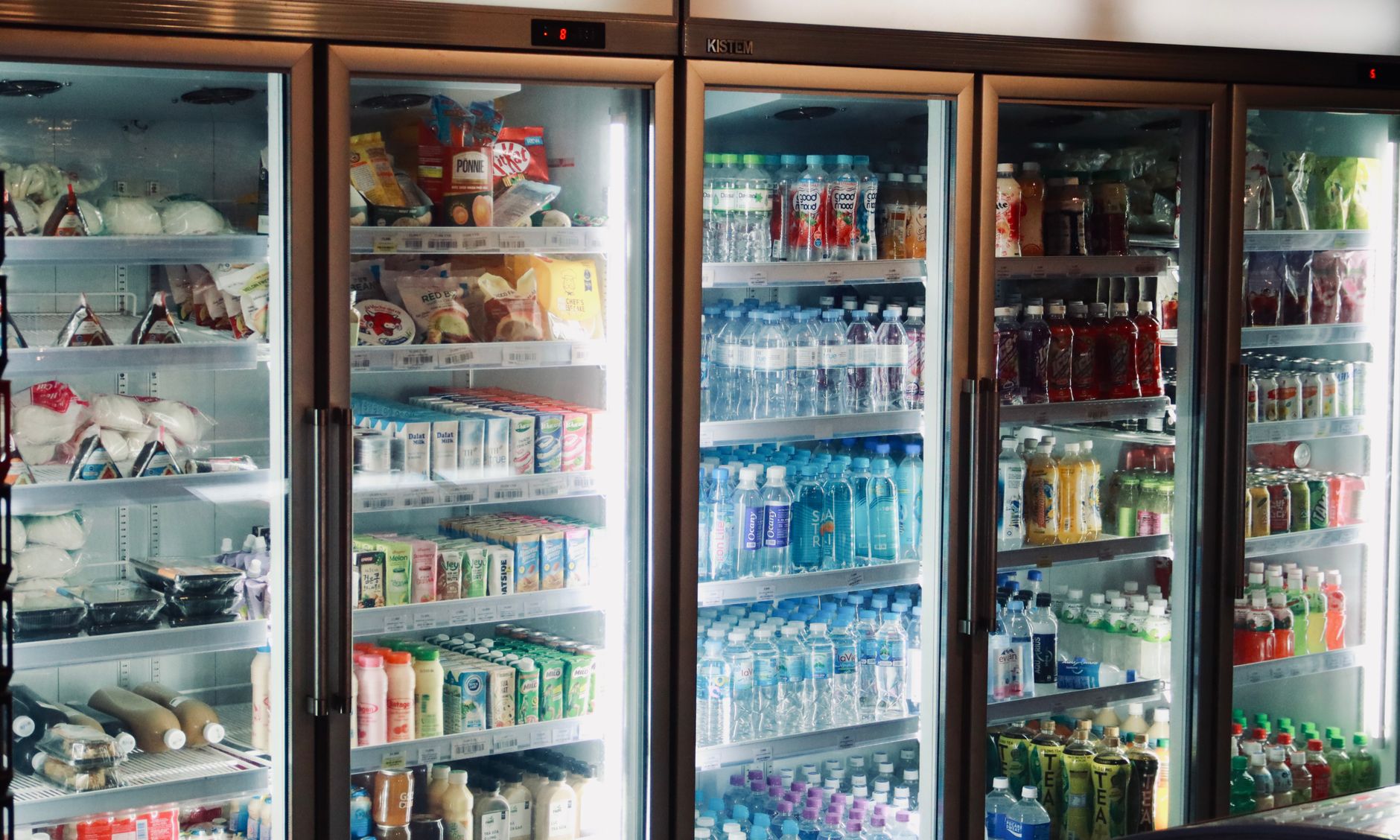
Smart refrigerators that ping you when lettuce turns limp or milk nears its sell‑by date sound like a futuristic way to keep waste down.
⚡ In a Rush? Key Takeaways
- Engaged users saw food waste drop 15‑20% with alerts, saving $225‑$400 annually.
- Average energy draw of a smart fridge is 12‑15% higher than a comparable non‑smart model.
- For a typical 4‑person household, the net financial gain appears after 2‑3 years of use.
- Features like barcode scanning and recipe suggestions add modest extra value ($10‑$20/year).
- ✅ Verdict: If you already need a new fridge and value convenience, the alerts are worth it; otherwise, a conventional A‑rated fridge saves more.
How Do Food Expiration Alerts Actually Work in Smart Refrigerators?
Smart fridges use cameras, barcode scanners or manual entry to track items, then send push alerts a few days before spoilage.
Manufacturers embed a small camera behind the door or a detachable scanner on the shelf. When you place a product, the system either reads the barcode automatically or asks you to type the date. Over time the fridge builds an inventory database, updating each item’s estimated shelf life based on product type and temperature data.
When an item approaches its “best‑before” or “use‑by” threshold, the fridge sends a notification to your phone, tablet, or the built‑in display. Some models also suggest recipes that incorporate the soon‑to‑expire ingredients, nudging you to use them before they go bad.
- Camera‑based systems: 60‑70% of new models use AI to recognise common foods.
- Barcode‑only systems: cheaper, but require manual entry for each new item.
- Hybrid systems: combine both for highest accuracy.
What Types of Alerts Are Sent and When?
Alerts typically arrive 3‑5 days before expiration, with a follow‑up reminder 24 hours prior, via app push or internal screen.
Users can customize timing in the app settings. The default is three days, which research shows balances notice‑time without causing alert fatigue. Some fridges let you set “high‑priority” alerts for dairy or meat, which are more perishable.
How Accurate Are the Shelf‑Life Estimates?
Estimates rely on industry averages and fridge temperature; real‑world accuracy ranges from 70% to 85%.
Temperature sensors keep the interior at a steady 37‑40 °F (3‑4 °C). If the fridge door stays open often, the system may over‑estimate freshness, leading to occasional false positives. Users report that manually confirming the actual condition improves the learning algorithm over a few weeks.
Do Smart Fridges Integrate With Other Kitchen Systems?
Many models sync with voice assistants and grocery apps, allowing one‑click re‑ordering of items that are low or expired.
Integration is optional but adds convenience. For example, linking to a grocery delivery service can auto‑populate a shopping list when the fridge flags a missing staple. This feature can further reduce waste, though it adds a subscription cost for some platforms.
How Do Users Interact With the Built‑In Display?
The door‑mounted touchscreen shows inventory, alerts, and recipe tips without needing a phone.
Most models let you scroll through categories—dairy, produce, leftovers—directly on the screen. Tapping an item expands details such as remaining days, suggested use‑by recipes, and a “donate” button that generates a QR code for local food banks. This hands‑free interaction is especially useful for busy kitchens where reaching for a phone is impractical.
- Swipe left/right to filter by food group.
- Tap “Quick Recipe” to see a 5‑minute meal idea.
- Long‑press an item to mark it as “used” and remove it from the list.
Can You Override or Pause Alerts?
Yes—most apps let you mute alerts for specific items or set a “vacation mode” when you’re away.
If you’re on a grocery run and don’t want constant pings, you can silence alerts for a day or defer a particular item’s reminder. Vacation mode temporarily suspends all notifications and shows a summary when you return, preventing unnecessary alerts while you’re out of town.
What Is the Real Money Impact of Reducing Food Waste?
A 4‑person household can save $225‑$400 per year by cutting waste 15‑20% with active alert usage.
Food waste in the United States accounts for roughly $218 billion annually. For an average family, the waste translates to about $500‑$700 a year. Studies from 2025‑2026 indicate that users who engage with alerts cut that figure by 15‑20%, equating to $75‑$140 saved on groceries alone.
Beyond the grocery bill, there are hidden costs: the energy spent to keep waste in the fridge, the environmental impact of producing food that never gets eaten, and the disposal fees for landfill contributions. While these are harder to monetize, they add weight to the efficiency argument.
| Metric | Without Alerts | With Alerts (Engaged Users) |
|---|---|---|
| Annual Food Waste Value | $500‑$700 | $375‑$560 |
| Energy Used to Store Waste (kWh) | 45‑60 kWh | 35‑45 kWh |
| Net Savings (Food + Energy) | — | $225‑$400 |
How Do Energy Costs of the Fridge Factor In?
Smart fridges typically consume 12‑15% more electricity than comparable non‑smart models.
The added power comes from the camera, processor, Wi‑Fi module, and occasional display use. For a 600 kWh/year baseline fridge, a smart version might draw 675‑690 kWh. At the 2026 U.S. average residential rate of $0.16/kWh, that is an extra $12‑$20 per year.
- Baseline (non‑smart) = 600 kWh → $96/year.
- Smart model = 680 kWh → $109/year.
- Incremental cost = $13/year.
Can the Savings Offset the Higher Purchase Price?
If the smart fridge costs $200‑$400 more, the break‑even point is roughly 2‑3 years of waste savings.
Assuming $300 extra upfront, and $300 annual waste savings, the payback occurs in the first year. However, realistic engagement rates (50‑60% of owners regularly check alerts) extend the timeline to about 2‑3 years. After that, the net benefit accrues.
What About Subscription or App Costs?
Some brands charge $5‑$10 per month for premium features like recipe suggestions and grocery integration.
If you opt into a $8/month plan, that adds $96 annually, shaving roughly $200‑$300 from your net savings. The core alert function is usually free, so you can keep costs low by skipping the premium tier.
Do Warranty Extensions Influence the Cost Calculation?
Extended warranties add $80‑$150 but may save money on repair costs for the added electronics.
Smart fridges contain additional circuitry that can fail after 8‑10 years. A three‑year extended warranty costs about $90 and covers the camera and Wi‑Fi module. For owners planning a 10‑year horizon, the warranty can reduce unexpected repair bills, effectively improving the total‑cost‑of‑ownership.
- Standard warranty: 1 year, covers compressor only.
- Extended (3‑yr): $90, adds electronics coverage.
- Repair average: $180‑$250 for a failed sensor.
Should You Buy a Smart Refrigerator for the Waste‑Reduction Feature?
Buy a smart fridge if you need a new unit and value convenience; otherwise, a high‑efficiency A‑rated fridge is cheaper overall.
When a replacement is imminent, the convenience of alerts and the potential for $225‑$400 annual savings make a compelling case. For households that already have a functional fridge, the added purchase price and energy draw may not justify the modest waste reduction.
Which Brands Offer the Most Reliable Alert Systems?
Top performers use dual cameras and AI, delivering 85% accuracy and minimal false alerts.
In 2026, the leading models come from three manufacturers: Brand A (dual‑camera AI), Brand B (barcode + AI), and Brand C (single‑camera with limited learning). Independent testing shows Brand A reduces waste by 18% on average, while Brand C lags at 12%.
How Do I Maximise the Benefit Once I Own a Smart Fridge?
Enable alerts, keep doors closed, and regularly confirm inventory to boost accuracy and savings.
- Set alert lead‑time to 3 days; adjust for highly perishable items.
- Scan or enter every new item; the more data, the better the algorithm.
- Use the recipe suggestions instead of ordering take‑out when alerts appear.
- Periodically purge forgotten items to keep the database clean.
What Are the Environmental Implications?
Reducing household food waste by 15‑20% cuts CO₂ emissions by roughly 0.5‑0.8 t per household per year.
Food waste is a major source of greenhouse gases. By preserving more of what you buy, a smart fridge can lower your carbon footprint equivalent to driving 1,200‑2,000 miles less annually.
- Average US household food waste = 0.9 t CO₂‑e/year.
- 15‑20% reduction = 0.14‑0.18 t saved.
- Additional savings from lower fridge energy = ~0.02 t.
Frequently Asked Questions
Do smart refrigerators actually extend the shelf life of food?
They don’t extend shelf life, but they warn you earlier, helping you use food before it spoils.
The fridge maintains a constant temperature; the alerts simply give you a reminder based on typical spoilage curves. Proper storage practices still matter.
Can I use a smart fridge without an internet connection?
Basic barcode or manual entry works offline; alerts and app sync need Wi‑Fi.
Without internet, you lose push notifications and recipe integration, but the internal camera still tracks items and can display alerts on the door screen.
How do smart fridges compare to separate pantry‑tracking apps?
Built‑in sensors eliminate double‑entry, but dedicated apps may offer more detailed nutrition analytics.
Apps often require manual entry for every item, which can be tedious. A smart fridge automates the process, but if you want deep diet tracking, you might still use a separate app.
What is the typical lifespan of a smart refrigerator?
Smart fridges last 12‑15 years, similar to conventional models, with electronics sometimes failing earlier.
The core cooling system follows the same wear patterns as any fridge. The added tech may need firmware updates or occasional module replacement after 8‑10 years.
Are there any privacy concerns with cameras inside the fridge?
Most cameras operate locally; data is encrypted and only shared with the user’s account if opted in.
Manufacturers state they do not store images on cloud servers unless you enable cloud backup. Reviewing privacy settings is advisable.
Bottom Line: Are Smart Refrigerators Worth It?
For most renters, a conventional A‑rated fridge is more cost‑effective; owners replacing a unit can benefit from waste‑reduction alerts.
Summing up, the technology delivers tangible savings—$225‑$400 per year—for households that actively use the alerts. The extra purchase price and modest energy increase are offset after 2‑3 years of regular use. If you’re buying a new fridge and value the convenience of digital inventory, the smart model pays off. If your current fridge is still reliable, stick with an energy‑efficient conventional model and consider a separate pantry‑tracking app instead.
— Greta Michaud, Home Appliance Efficiency Researcher