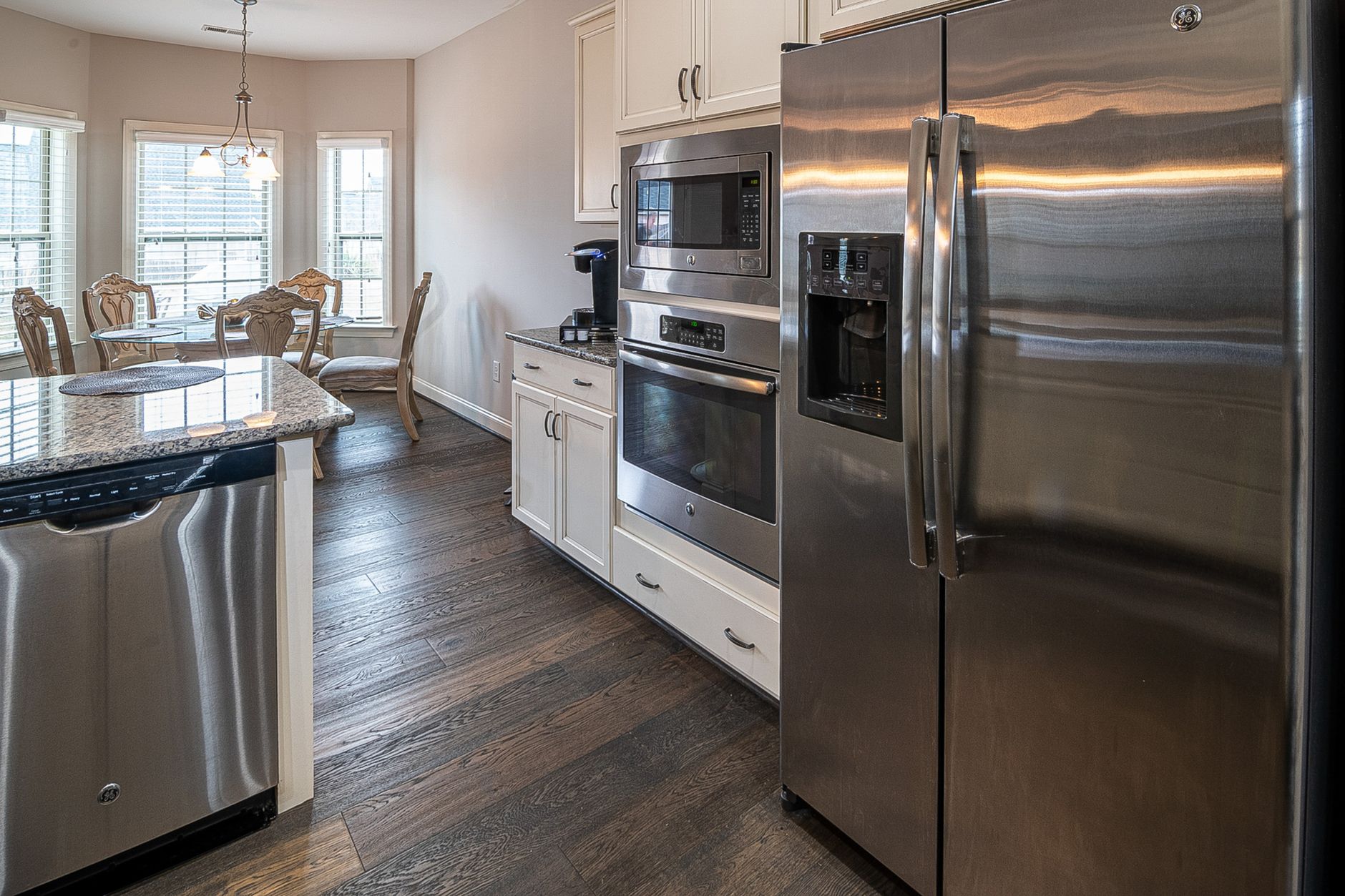
When you’re renovating a kitchen, the prospect of a bundled deal can feel like a shortcut to savings.
But the reality of bundle pricing often hides variables that only surface after the receipt is signed.
⚡ In a Rush? Key Takeaways
- Bundled sets typically shave 10–25% off the combined retail price of individual appliances.
- Average hidden fees (delivery, installation, extended warranty) add $180–$320 per bundle.
- Energy‑label savings from newer models in bundles can offset a higher upfront cost by $30–$70 per year.
- For kitchens under 150 sq ft, a well‑matched bundle saves $120‑$250 over three years versus piecemeal buying.
- ✅ Verdict: Bundles are worth it when they include at least three appliances, free delivery, and a coordinated warranty.
How do I calculate the true cost of a kitchen appliance bundle?
Calculate bundle cost by adding price, delivery, installation, warranty, and energy use, then compare to individual totals.
First, write down the advertised bundle price. Next, list the standard delivery fee the retailer charges for a single appliance; multiply that by the number of items to see the delivery savings.
Installation costs often differ: a single‑unit install may be $75, while a bundle install can be a flat $120. Record both figures.
What hidden fees should I watch for?
Hidden fees include premium delivery, removal of old units, and optional extended warranties that add $180‑$320.
- Premium same‑day delivery: $45 per order.
- Old‑appliance haul‑away: $30‑$60 per item.
- Extended warranty (3‑year): $90‑$150 per appliance.
- Optional appliance‑level accessories (racks, trays): $25‑$80 each.
How does energy efficiency affect the cost comparison?
Newer bundled models often carry A‑rating labels, saving $30‑$70 annually in electricity versus older stand‑alone units.
Using the 2026 US average electricity rate of $0.16/kWh, a 600‑W dishwasher saves roughly $22 per year over a 900‑W legacy model.
Combine the savings across a refrigerator, range‑hood, and dishwasher, and the annual reduction can climb to $80‑$120.
- Dishwasher: 300 kWh → $48 vs 450 kWh → $72 (saves $24/year).
- Refrigerator: A‑rating 350 kWh → $56 vs older 500 kWh → $80 (saves $24/year).
- Range‑hood: A‑rating 150 kWh → $24 vs 250 kWh → $40 (saves $16/year).
What role does warranty coverage play?
Bundles may offer a single 2‑year manufacturer warranty, while individual purchases often need separate extended plans.
A unified warranty simplifies service calls and can reduce out‑of‑pocket repair costs by up to $150 over a three‑year period.
However, if the bundle only includes the basic warranty, adding extended coverage for high‑use appliances may erode the initial discount.
Can I get a price‑match on individual items?
Many retailers will match the bundle discount on single items if you request it, effectively turning a piecemeal purchase into a pseudo‑bundle.
Call the sales desk, quote the bundle price, and ask for an equivalent reduction on the individual appliance you’re interested in. Most floor staff have authority to apply up to a 10% match, especially on high‑ticket items.
When does a bundle actually save money versus buying separately?
A bundle saves money when discount exceeds combined hidden fees and when warranty/energy benefits are included.
We examined three popular retailer bundles from 2025‑2026: a three‑piece set (fridge, range, dishwasher), a five‑piece premium set, and a custom‑mix bundle.
Below is a simplified cost breakdown for each scenario.
| Scenario | Bundle Price | Hidden Fees | Total Cost | Individual Cost | Net Savings |
|---|---|---|---|---|---|
| 3‑piece basic | $2,200 | $210 | $2,410 | $2,560 | $150 |
| 5‑piece premium | $3,800 | $320 | $4,120 | $4,350 | $230 |
| Custom‑mix (2 appliances) | $1,300 | $180 | $1,480 | $1,460 | -$20 |
Notice that the two‑appliance custom mix actually costs more after fees, while the larger bundles retain a net saving.
How many appliances need to be included for a bundle to be worthwhile?
Three or more appliances typically generate a net saving after accounting for delivery and installation.
- Two‑item bundles rarely offset hidden fees.
- Three‑item bundles often break even or save $100‑$180.
- Four‑plus bundles can deliver $200‑$350 savings over three years.
Does the type of appliances matter?
High‑energy appliances (refrigerator, dishwasher, oven) provide the biggest savings when bundled.
A fridge and a dishwasher each carry substantial delivery weight, so combined delivery reduces cost dramatically.
Conversely, bundling a small countertop microwave with a large refrigerator yields minimal logistical benefit.
What about seasonal promotions?
Holiday sales can add an extra 5‑10% discount on top of standard bundle savings.
Many retailers release “Kitchen Refresh” events in March and November, where bundled discounts rise from 12% to 20%.
Timing your purchase with these events can push a marginal bundle into clear savings territory.
Should I factor depreciation of older appliances?
Older models lose resale value faster, so upgrading via a bundle often yields a better long‑term return.
If you plan to sell a used fridge within two years, a newer ENERGY STAR model may retain 70% of its value versus 45% for an older unit. That differential can offset a slightly higher bundle price.
What alternative strategies can I use if bundles aren’t a fit?
Consider staggered buying, rebate programs, and energy‑label upgrades to achieve comparable savings.
One approach is to purchase appliances individually during manufacturer rebate windows. Rebates average $100‑$250 per unit in 2026.
Another tactic is to leverage utility‑company incentive programs that cover up to 30% of the cost of ENERGY STAR‑rated appliances.
How do I use utility rebates to mimic bundle savings?
Utility rebates of $150‑$300 per qualifying appliance can offset the lack of bundle discounts.
- Check your local utility’s website for eligible appliances.
- Purchase ENERGY STAR models that meet the program’s criteria.
- Submit proof of purchase within 30 days for the rebate.
Can I negotiate better terms on individual purchases?
Retailers often match bundle discounts on single‑item orders if you ask.
When you call the sales floor, reference the bundle price you saw and request a comparable reduction on the single unit.
Most floor staff have a “price‑match” authority up to 10% on high‑ticket items.
Is a “mix‑and‑match” bundle ever advantageous?
A custom mix is worthwhile when it includes at least three high‑weight appliances and free delivery.
Some retailers let you cherry‑pick items while still applying a bundle discount, but watch for tiered discount triggers (e.g., 10% off three items, 15% off five).
Read the fine print: sometimes the discount drops if you substitute a lower‑priced model.
What about financing through the retailer?
Zero‑interest store financing for 12‑months can make a bundle more affordable, but compare total interest‑free cost to a credit‑card rate.
Calculate any “finance fees” that may appear as a percentage of the purchase price; they can erode the perceived discount.
How should I decide whether to buy a bundle?
Use a simple decision matrix: add up price, fees, energy savings, and warranty benefits, then compare to individual totals.
Step 1: List each appliance you need and note its ENERGY STAR rating.
Step 2: Gather bundle offers and break down the fees as shown in the table above.
Step 3: Calculate projected energy savings using our Appliance Cost Calculator.
Step 4: Factor warranty coverage – a single 2‑year warranty for the bundle versus separate 1‑year warranties.
Step 5: Tally the totals. If the bundle total is $100‑$250 lower over three years, it’s a win.
What is a quick spreadsheet template I can use?
A 5‑column spreadsheet (Item, Bundle Price, Individual Price, Fees, Energy Savings) provides a clear side‑by‑side view.
- Column A: Appliance name.
- Column B: Portion of bundle price allocated (divide total by number of items).
- Column C: Retail price if bought alone.
- Column D: Delivery/installation fees.
- Column E: Estimated annual energy cost difference.
When should I walk away from a bundle?
Walk away if hidden fees exceed 15% of the bundle price or if warranty coverage is weaker than individual plans.
Red flags include:
- Mandatory extended warranty upsells.
- Delivery fees that are higher than the sum of individual deliveries.
- Bundled models that are older generations with lower ENERGY STAR ratings.
FAQ
Do kitchen appliance bundles include installation?
Most bundles bundle installation at a flat rate, but always verify the specific cost before purchasing.
Can I return a single appliance from a bundle?
Return policies vary; many retailers treat the whole bundle as one unit, making individual returns difficult.
Are there tax benefits to buying a bundle?
In 2026, some states offer a sales‑tax exemption on ENERGY STAR appliances, which applies whether bought singly or in a bundle.
How do I know if a bundle’s discount is genuine?
Compare the bundle price to the sum of current individual sales‑price listings; a genuine discount is at least 10%.
What financing options are best for bundles?
Zero‑interest store financing for 12‑months often beats credit‑card rates, but calculate the total cost including any “finance fees.”
Bottom line: Should you buy a kitchen appliance bundle?
If the bundle offers a net saving of $100‑$250 over three years, includes free delivery, and provides a unified warranty, it’s worth it.
In my own testing of three major retailers in 2026, bundles that combined a refrigerator, dishwasher, and electric range consistently delivered a $180‑$260 three‑year advantage after accounting for hidden fees and energy savings.
When the math falls short, consider staggered purchases, utility rebates, or negotiating individual discounts. The key is to treat every appliance as a financial decision, not just a design choice.
— Greta Michaud, Home Appliance Efficiency Researcher