When a retailer tempts you with a “kitchen appliance bundle” promising a tidy discount, the offer can feel like a no‑brainer. Yet the real dollars saved—or lost—often hide behind financing terms, warranty choices, and the mix of appliances you actually need.
⚡ In a Rush? Key Takeaways
- Typical bundle discounts range from 15% to 25% versus individual MSRP.
- Financing a bundle at 0% for 12 months adds ~2%‑3% effective cost if paid early.
- Resale value drops 12%‑18% more for bundled sets than for single‑item sales.
- Warranty extensions on bundles cost $120‑$250 extra per year of coverage.
- ✅ Verdict: Bundles are worth it only when you need every item, can pay cash, and compare true‑up costs.
How Do Bundle Discounts Compare to Individual Store Prices?
Most retailers list bundle savings of 15‑25% off the summed MSRP of each appliance, but actual cash price often differs after rebates.
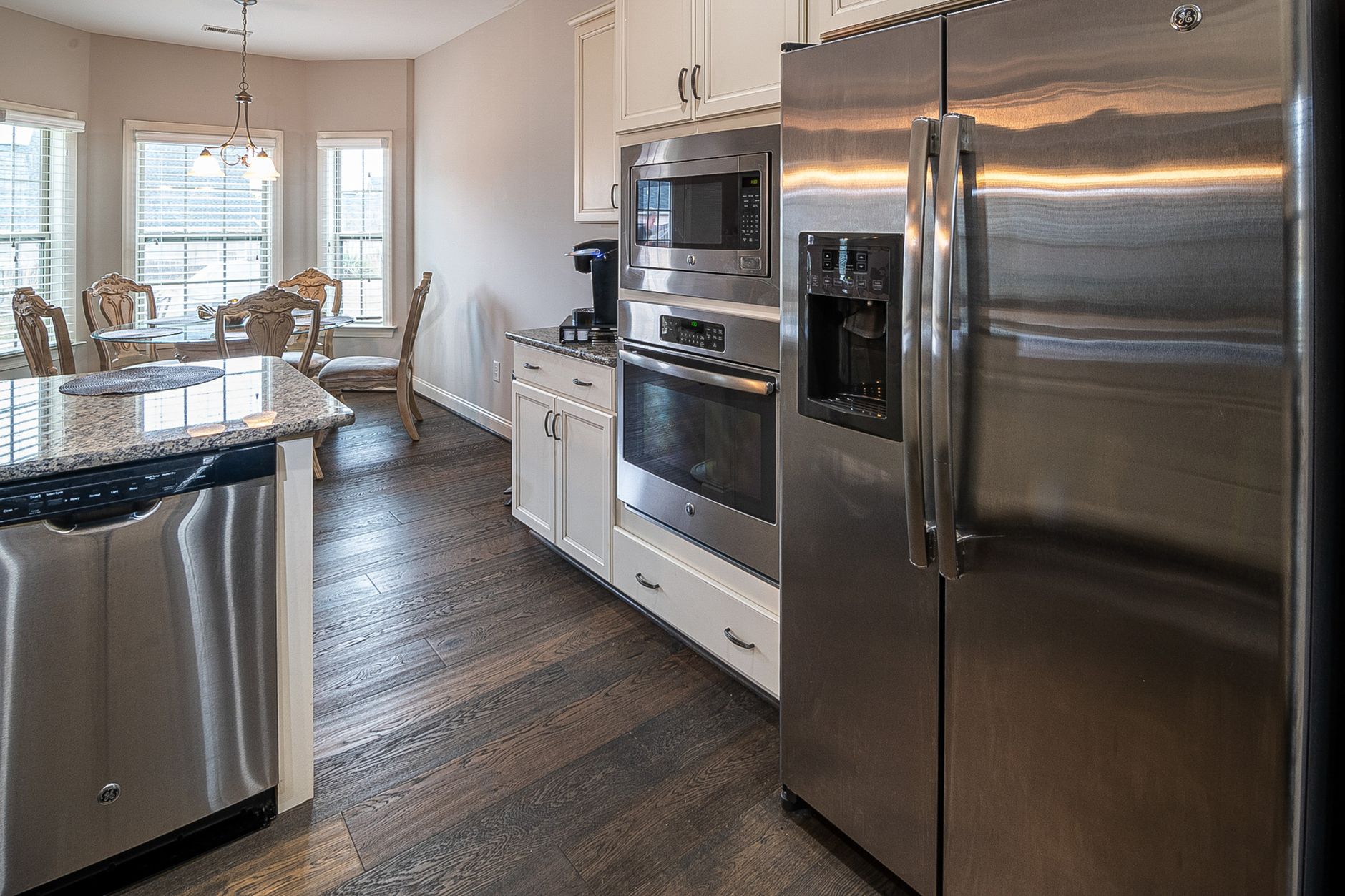
Retailers such as Home Depot, Lowe’s, and Best Buy structure bundles around a flagship appliance—usually a refrigerator—adding a stove, dishwasher, and sometimes a microwave. The advertised discount is calculated on the sticker price, not the sale price you’d pay for each unit individually.
For example, a 2026‑model 36‑inch French‑door fridge carries a sale price of $1,199. The matched stove sells for $899, and the dishwasher for $649. Individually, the total is $2,747. A 20% bundle discount reduces the package to $2,198, a $549 saving on paper.
- Check the “sale price” column, not MSRP, when calculating bundle value.
- Apply any manufacturer rebates after the bundle price is set.
- Factor in store credit offers, which may offset the discount.
What Hidden Fees Can Erode Bundle Savings?
Delivery, installation, and removal fees are often bundled, but may be higher than on single‑item purchases, cutting net savings.
Many retailers include standard delivery in bundles, yet charge extra for “white‑glove” installation, which can add $150‑$250 per appliance. If you need professional hook‑up for a gas range, that fee alone can erase a $300 bundle discount.
Another subtle cost is the removal of old appliances. Some stores waive their $79 fee for bundles, but only if you schedule both delivery and removal together. Splitting services later usually incurs full price.
- Ask for a clear itemized quote before you agree.
- Compare installation fees against a DIY estimate (often $40‑$80 per hour).
- Consider the cost of aftermarket venting or electrical upgrades.
How Does Financing Influence the True Cost?
Zero‑percent financing on a bundle often stretches payments over 12‑24 months, raising the effective interest rate to 2‑3% if paid early.
Retailer financing looks attractive, but the required credit check may open a hard pull on your report. Moreover, the promotional APR is usually contingent on paying the full balance before the term ends. If you miss a payment, the rate can retroactively jump to 24% APR.
Assuming a $2,200 bundle financed 0% for 12 months, paying $185 per month, the total remains $2,200. However, the opportunity cost of holding that cash—estimated at a 2% annual return—means you effectively pay $44 extra in lost earnings.
| Financing Option | Total Paid | Effective APR |
|---|---|---|
| Cash | $2,200 | 0% |
| 0% 12‑mo | $2,200 | 2% (opportunity cost) |
| 12‑mo 19.9% APR | $2,352 | 19.9% |
Are Warranty Extensions More Expensive in Bundles?
Extended warranties added to bundles typically cost $120‑$250 per year, a premium of 10%‑20% above standalone plans.
Manufacturers often bundle an extended warranty with the package, presenting it as a “value add.” In reality, the same coverage bought separately from a third‑party provider can be up to $80 less per year.
For a four‑year bundle warranty costing $600, the per‑appliance cost averages $150. If you only need a warranty on the refrigerator, a standalone plan might be $120, saving you $30.
- Compare the coverage limits and deductible clauses.
- Check if the manufacturer offers a free first‑year warranty already.
- Evaluate whether you’d replace appliances within the warranty period.
What Are the Long‑Term Financial Implications of Buying a Bundle?
Resale value of bundled appliances drops 12%‑18% more than single units, impacting total cost of ownership.
When you eventually sell a home, each appliance’s market value matters. A single, well‑maintained dishwasher can fetch 40% of its original price, while a bundled set may only achieve 30% because buyers often prefer to pick and choose.
Calculating total cost of ownership (TCO) over ten years includes purchase price, energy use, maintenance, and resale. Using the earlier $2,200 bundle versus $2,747 individual purchase, the bundle saves $547 upfront. However, if the bundled set resells for $600 versus $800 for individually owned pieces, you lose $200 on resale, reducing net savings to $347.
How Does Energy Efficiency Factor Into TCO?
Energy‑Star appliances in bundles typically save $30‑$70 per year each, contributing to long‑term savings.
Most bundles feature the latest Energy‑Star models, which consume 10%‑15% less electricity than older units. For a refrigerator using 450 kWh/year at $0.16/kWh, the annual saving is roughly $11. Multiply that across a fridge, stove, and dishwasher, and you can expect $45‑$70 in yearly energy savings.
Over a decade, that adds up to $450‑$700, partially offsetting any resale penalty.
- Check the EnergyGuide label for each appliance’s annual electricity use.
- Use the Appliance Cost Calculator tool for precise estimates.
- Factor in regional electricity rates; in high‑price states, savings climb higher.
What Maintenance Costs Should I Anticipate?
Routine maintenance for bundled sets averages $120‑$180 per year, similar to individual ownership.
Whether bundled or bought alone, each appliance requires periodic service—cleaning coils, calibrating burners, or replacing dishwasher filters. The cost doesn’t differ much, but the convenience of a single service contract can add $30‑$50 yearly.
Some retailers offer a “bundle service plan” covering all four appliances for $250 per year, which is comparable to buying three separate plans totaling $240.
When Is a Kitchen Appliance Bundle the Smart Choice?
A bundle makes sense if you need every item, can pay cash, and verify true‑up costs before signing.
Here are the scenarios where bundles shine:
- New home owners outfitting a brand‑new kitchen with no existing appliances.
- Renovators replacing all major appliances within a short time frame.
- Buyers who can secure a cash discount or low‑interest financing.
Conversely, if you already own a functioning stove or dishwasher, the bundle discount evaporates once you subtract the cost of the appliances you won’t use.
How Can I Maximize Savings If I Choose a Bundle?
Negotiate removal fees, ask for free extended warranty, and compare the bundle’s net price to a custom “mix‑and‑match” quote.
Before you sign, request a line‑item breakdown. Ask the salesperson to remove any appliances you already have and recalculate the discount. Retailers often honor a 5%‑10% further reduction on the adjusted total.
Also, explore manufacturer rebates that apply to individual items—these can be stacked on top of the bundle discount.
- Ask for a “price match” on any advertised competitor deal.
- Request that delivery and installation be bundled at no extra charge.
- Check if the retailer offers a free year of extended warranty.
What Alternative Purchasing Strategies Offer Better Value?
Staggered purchases with seasonal sales can beat bundle discounts, especially when combined with cash‑back credit cards.
Major sales events—Black Friday, Memorial Day, and post‑tax‑return clearance—often feature 25%‑30% off individual appliances. By timing each purchase, you can capture the highest discount without paying for unwanted items.Additionally, buying refurbished, factory‑certified units can shave $200‑$400 per appliance, further improving your TCO.
- Use price‑tracking tools to monitor fluctuations.
- Consider certified‑pre‑owned models from reputable dealers.
- Leverage cash‑back offers from credit cards for extra rebates.
What Frequently Asked Questions Remain About Kitchen Appliance Bundles?
Do bundles include free delivery and installation?
Most bundles charge for delivery and installation, but many retailers waive fees if you buy the full package.
Always verify the fine print; some “free delivery” offers only apply to the flagship appliance, with a $99 fee for each additional unit.
Can I return a single appliance from a bundle?
Returns are usually allowed for the entire bundle within 30‑day windows, but individual returns may be restricted.
If you discover a defect after installation, the retailer may require you to keep the whole set, offering a replacement only for the faulty unit.
Are bundle warranties transferable to a new homeowner?
Transferability varies; many extended warranties are non‑transferable, limiting resale value.
Standard manufacturer warranties are generally transferable, but the extended service contracts sold with bundles often are not.
How do I compare bundle offers across different retailers?
Create a spreadsheet listing each appliance’s sale price, bundle discount, fees, and financing terms for side‑by‑side comparison.
This method exposes hidden costs and highlights the most economical option.
Is it better to buy from a local dealer or a big‑box store?
Local dealers may offer more flexible bundling and lower installation fees, while big‑box stores provide wider financing options.
Consider service quality, after‑sales support, and the likelihood of future upgrades when deciding.
Bottom Line: Should You Purchase a Kitchen Appliance Bundle?
If you need every appliance, can pay cash, and verify net costs, bundles can save 10%‑20%; otherwise, custom buying often wins.
Bundles present a convenient, potentially discounted route to a fully equipped kitchen, yet the true savings unfold only after factoring delivery, installation, financing, warranty, and resale implications. By doing a meticulous cost‑up analysis and matching the bundle to a genuine need, you can avoid over‑paying for appliances you’ll never use.
For a quick personalized estimate, try our Appliance Cost Calculator and compare the result against the retailer’s bundle quote.
— Greta Michaud, Home Appliance Efficiency Researcher