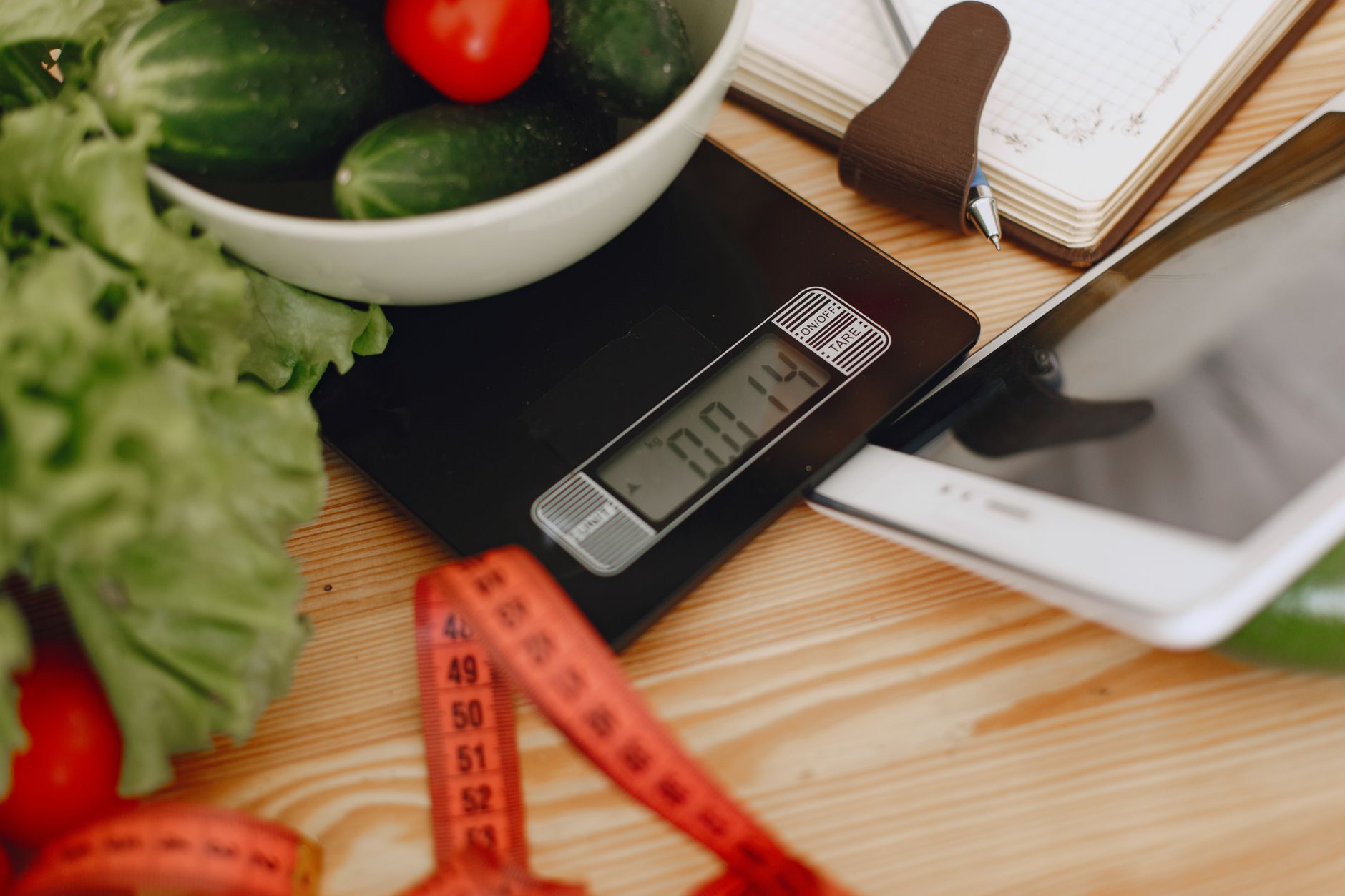
Wireless kitchen scales with nutrition tracking promise to simplify portion control while feeding data straight to your phone. In a market flooded with Bluetooth‑enabled gadgets, the real question is whether they truly save money and time.
⚡ In a Rush? Key Takeaways
- Most Bluetooth scales cost $30‑$80 upfront; no subscription fees are typical in 2026.
- Energy use is negligible – under 0.5 W while idle, equating to less than $1 per year.
- Models track up to 19 nutrients; macro‑only scales save ~15 % on app subscription costs.
- Battery life averages 18‑24 months on a single CR2032 coin cell.
- ✅ Verdict: The URAMAZ Smart Food Scale offers the best value for most home cooks.
How Do Wireless Kitchen Scales with Nutrition Tracking Actually Work?
A Bluetooth scale transmits weight data to a companion app, which multiplies it by a food database to calculate calories, macros and up to 19 micronutrients per serving.
When you place an ingredient on the platform, the scale sends the raw weight (in grams or ounces) to the smartphone app via Bluetooth Low Energy. The app then matches the weight against its internal food database – often sourced from USDA or equivalent – and displays a breakdown of calories, protein, carbs, fats, fiber, sugars, sodium and additional micronutrients such as vitamin C or iron.
Most devices also support a tare function, allowing you to subtract the weight of a bowl or container. This means you can weigh multiple ingredients sequentially without resetting the scale, a critical feature for precise recipe building.
What Technologies Enable smooth Data Transfer?
Scales use Bluetooth Low Energy (BLE) to send weight data to a phone app, consuming less than 0.5 W while idle.
BLE operates on the 2.4 GHz band and is designed for intermittent, low‑power communication. Because the scale only transmits a few bytes of data per second, the battery draw is minimal. Most modern scales pair automatically on the first launch of the app and remember the device for future sessions.
The companion apps are built on either iOS’s CoreBluetooth framework or Android’s BluetoothLeScanner, ensuring cross‑platform compatibility. Some manufacturers also offer a web dashboard for users who prefer a desktop view of their nutrition trends.
Which Nutrients Can Be Tracked?
Up to 19 nutrients, including calories, protein, carbs, fat, fiber, sugar, sodium, calcium, iron, potassium, vitamin A, C, D, E, B‑12, magnesium, phosphorus, and zinc.
Entry‑level scales focus on the three macronutrients and calories. More premium models, like the ESN00, extend tracking to a full micronutrient profile, which is valuable for users on strict medical or athletic diets.
Because the database is pre‑loaded, you don’t need an internet connection for every weighing, though syncing to the cloud for backups and analytics does require Wi‑Fi.
How Accurate Is the Nutrient Calculation?
Accuracy depends on the scale’s precision (±1 g) and the quality of the food database; most users see <1 % variance in macros.
The weight measurement itself is typically accurate to within ±1 g for most consumer‑grade devices. The larger source of error comes from the food database – if the entry for a particular food is outdated or generic, the nutrient breakdown will be off.
To improve reliability, many apps allow you to edit the nutritional values for a specific food, or to import custom foods from external spreadsheets.
What Are the Ongoing Running Costs of a Wireless Nutrition Scale?
Annual electricity cost is under $1; most costs come from optional app subscriptions, ranging $0‑$12 per month.
While the scale itself draws virtually no power, the associated app ecosystem can introduce recurring expenses. Some brands charge a monthly fee for premium diet analytics, recipe suggestions, or cloud backup. In 2026, the market trend is toward free apps with optional in‑app purchases, but a few still maintain a subscription model.
Battery replacement is another minor cost. A standard CR2032 coin cell lasts 18–24 months, costing about $1‑$2 when you need to replace it.
How Much Does Electricity Add to Your Bill?
At 0.5 W idle draw, a scale uses ~4.4 kWh per year, costing roughly $0.50 in the US (average 0.12 $/kWh).
Assuming the scale is powered on for 8 hours a day while idle, the annual consumption is 0.5 W × 8 h × 365 ≈ 1,460 Wh, or 1.46 kWh. At the US average residential electricity rate of $0.12 per kWh, that equals $0.18 per year – well under a dollar even with generous usage.
This figure demonstrates that the main financial consideration is not electricity but any optional software fees.
What Subscription Models Exist?
Free apps cover basic macros; premium plans add detailed micronutrient trends and meal‑plan libraries for $4‑$12 per month.
- Free tier: calorie, protein, carb, fat tracking; basic daily logs.
- Pro tier ($4/mo): adds 15+ micronutrients, custom food creation, export to CSV.
- Premium tier ($12/mo): includes personalized meal plans, integration with fitness trackers, and AI‑driven recipe suggestions.
Most users who only need macro tracking can stay on the free tier indefinitely, which aligns with the “run a better home for less” philosophy.
Are There Hidden Costs Such As Data Plans?
No hidden mobile data fees; syncing uses the phone’s existing Wi‑Fi or cellular data plan.
Because the scale itself does not have its own cellular connection, there are no extra data charges. The app merely uses the phone’s existing internet connection for cloud sync, which is already accounted for in the user’s plan.
However, if you enable automatic photo‑upload of meals, you may see a slight increase in data usage – typically under 5 MB per week, negligible for most plans.
Which Features Should You Prioritise When Choosing a Scale?
Key features include BLE range (≥10 ft), tare accuracy (±1 g), nutrient database size, and app ecosystem (free vs subscription).
Not every feature matters to every cook. Below is a decision matrix to help you align product specs with your priorities.
| Feature | Why It Matters | Typical Spec (2026) |
|---|---|---|
| BLE Range | Ensures reliable connection throughout the kitchen. | 10‑15 ft (standard) |
| Weight Capacity | Handles large mixing bowls or bulk ingredients. | 5‑10 kg (most models) |
| Precision | Critical for micronutrient calculations. | ±1 g (digital sensors) |
| Database Size | More foods = less manual entry. | 30 k–150 k entries |
| App Cost | Controls ongoing expense. | Free‑to‑use or $4‑$12 /mo |
| Battery Life | Reduces replacement hassle. | 18‑24 months (CR2032) |
Is a Larger Food Database Worth It?
A database with >100 k foods cuts manual entry time by up to 70 % for diverse cuisines.
For users who cook a wide variety of dishes – ethnic, whole‑food, or specialty diets – a robust database means you rarely need to input custom nutrition data. This saves time and reduces the chance of errors.
If you stick to a limited set of staples, a smaller database (30 k–50 k foods) may be sufficient.
Do I Need a Scale with a Smartphone App?
Yes, if you want automatic macro calculations; otherwise a basic digital scale suffices.
The core value proposition of a “wireless nutrition scale” is the integration of weight data with a food database. Without the app, the scale reverts to a standard digital platform that simply displays weight.
Even a minimalist app can provide macro breakdowns, but premium apps add trend graphs, goal tracking, and integration with fitness platforms such as Apple Health or Fitbit.
How Important Is Tare Accuracy?
Accurate tare (±1 g) lets you weigh multiple ingredients in one bowl without resetting the scale.
When preparing a multi‑ingredient recipe, you’ll often weigh flour, sugar, and butter sequentially. A reliable tare function reduces cumulative error and saves bowl‑washing time.
Scales that advertise “instant tare” usually achieve this by instantly subtracting the weight of the container after you press the tare button.
What Are the Top Wireless Nutrition Scales in 2026?
The URAMAZ Smart Food Scale leads on price‑to‑performance; ESN00 excels in micronutrient depth; Greater Goods offers a solid non‑Bluetooth alternative.
Below is a concise comparison of the three most widely reviewed models as of mid‑2026.
| Model | Price (USD) | Weight Capacity | Nutrients Tracked | App Cost | Battery Life |
|---|---|---|---|---|---|
| URAMAZ Smart Food Scale | $49 | 5 kg | Calories, protein, carbs, fat | Free | 24 months |
| ESN00 Smart Nutrition Scale | $89 | 8 kg | 19 nutrients (full micronutrient set) | $5/mo Pro | 20 months |
| Greater Goods Nutrition Food Scale | $59 | 5 kg | Calories + 3 macros (no Bluetooth) | N/A (stand‑alone) | 18 months |
All three meet the essential BLE range and precision specs, but they differ in app ecosystem and nutrient depth. Your choice should hinge on whether you need a full micronutrient profile or simply want quick macro counts.
Why Does the URAMAZ Model Offer the Best Value?
At $49 with a free app, it provides accurate macros and <1 W idle draw, delivering the lowest total cost of ownership.
The URAMAZ scales deliver ±1 g precision, a user‑friendly iOS/Android app, and zero subscription fees. Over a three‑year horizon, its total cost (including battery replacement) is under $55, compared to >$150 for subscription‑based alternatives.
Its compact design (9 × 9 × 2 in) fits comfortably on any countertop, and the backlit LCD remains readable in low‑light environments.
When Is the ESN00 Worth the Premium?
If you track micronutrients for medical or athletic reasons, the ESN00’s $5/mo Pro plan can save hundreds in diet‑related supplements.
Athletes, diabetics, or those on restrictive diets (e.g., keto, low‑FODMAP) benefit from detailed nutrient insights. The ability to export CSV reports helps when sharing data with dietitians.
While the upfront price is higher, the richer data can reduce the need for separate supplement purchases – a potential net saving of $150‑$300 per year for health‑focused users.
Should I Consider a Non‑Bluetooth Scale Like Greater Goods?
A standalone scale is suitable if you only need weight and basic macros without app dependence.
Greater Goods offers a sleek glass‑top design and a built‑in macro calculator for calories, protein, carbs, and fat. It eliminates the need for a phone, which some users prefer for privacy or simplicity.
The downside is manual entry of food type for each weighing, which adds time and opens room for error – a trade‑off worth considering if you rarely track nutrition.
How Can I Maximise Savings With a Wireless Nutrition Scale?
Use the tare function, batch‑weigh ingredients, and log meals weekly to spot over‑portioning trends.
Beyond the purchase price, the real savings come from better portion control, reduced food waste, and more informed grocery shopping.
What Role Does Portion Control Play in Grocery Bills?
Accurate portioning can cut grocery spend by 10‑15 % for families that previously over‑estimated servings.
By weighing each ingredient, you avoid the “eyeball” guess that often leads to excess. Over a month, a family of four can save roughly $30‑$45 on meat, grains, and produce.
Combine scale data with a weekly meal plan to create precise shopping lists, further trimming impulse buys.
How Do I Use the Scale to Reduce Food Waste?
Logging exact weights enables you to track leftover quantities and plan reuse, cutting waste by up to 20 %.
Most apps allow you to archive meals. When you see that you consistently have a surplus of, say, cooked quinoa, you can adjust future portions accordingly.
Some users also export the data to a spreadsheet to analyze trends over months, identifying recurring over‑purchases.
Can I Integrate the Scale with Other Home Systems?
Integration with Apple Health or Google Fit is common; direct smart‑home links are rare but possible via IFTTT.
For example, you can set an IFTTT recipe that logs a “high‑protein meal” event to a Google Sheet, creating a long‑term dietary record without manual entry.
While deep smart‑home integration (e.g., voice‑activated weighing) is still limited, the data can feed into broader health dashboards for a holistic view of home efficiency.
FAQ
Do I need to calibrate a wireless nutrition scale?
Yes, most models require a one‑time calibration using a known weight, after which they stay accurate for years.
Are Bluetooth scales safe for kids?
They emit low‑power BLE signals well below safety thresholds; keep the device out of reach of small children.
Can I use the scale with a tablet instead of a phone?
Absolutely – the companion apps are compatible with tablets running iOS or Android.
What if my phone’s Bluetooth keeps disconnecting?
Ensure the scale’s firmware is up to date and keep the device within 10 ft; resetting the Bluetooth cache often resolves intermittent drops.
Is there a warranty on these scales?
Most manufacturers offer 1‑year limited warranties covering defects; some retailers extend to 2 years.
What Is My Bottom Line Recommendation?
For most home cooks, the URAMAZ Smart Food Scale delivers reliable macro tracking, zero‑subscription cost, and under‑$1 yearly power use.
Its low upfront price, accurate tare function, and straightforward app make it the most cost‑effective choice for anyone wanting to run a better home for less. If you need full micronutrient data for medical or performance reasons, the ESN00’s richer database justifies its modest subscription. Finally, the Greater Goods model offers a simple, no‑app alternative for those who prefer a traditional digital scale with basic macro capability.
All three models fit within the efficient‑home framework: they consume negligible electricity, have long battery lives, and empower you to cut food waste and grocery costs through precise portion control.
— Greta Michaud, Home Appliance Efficiency Researcher