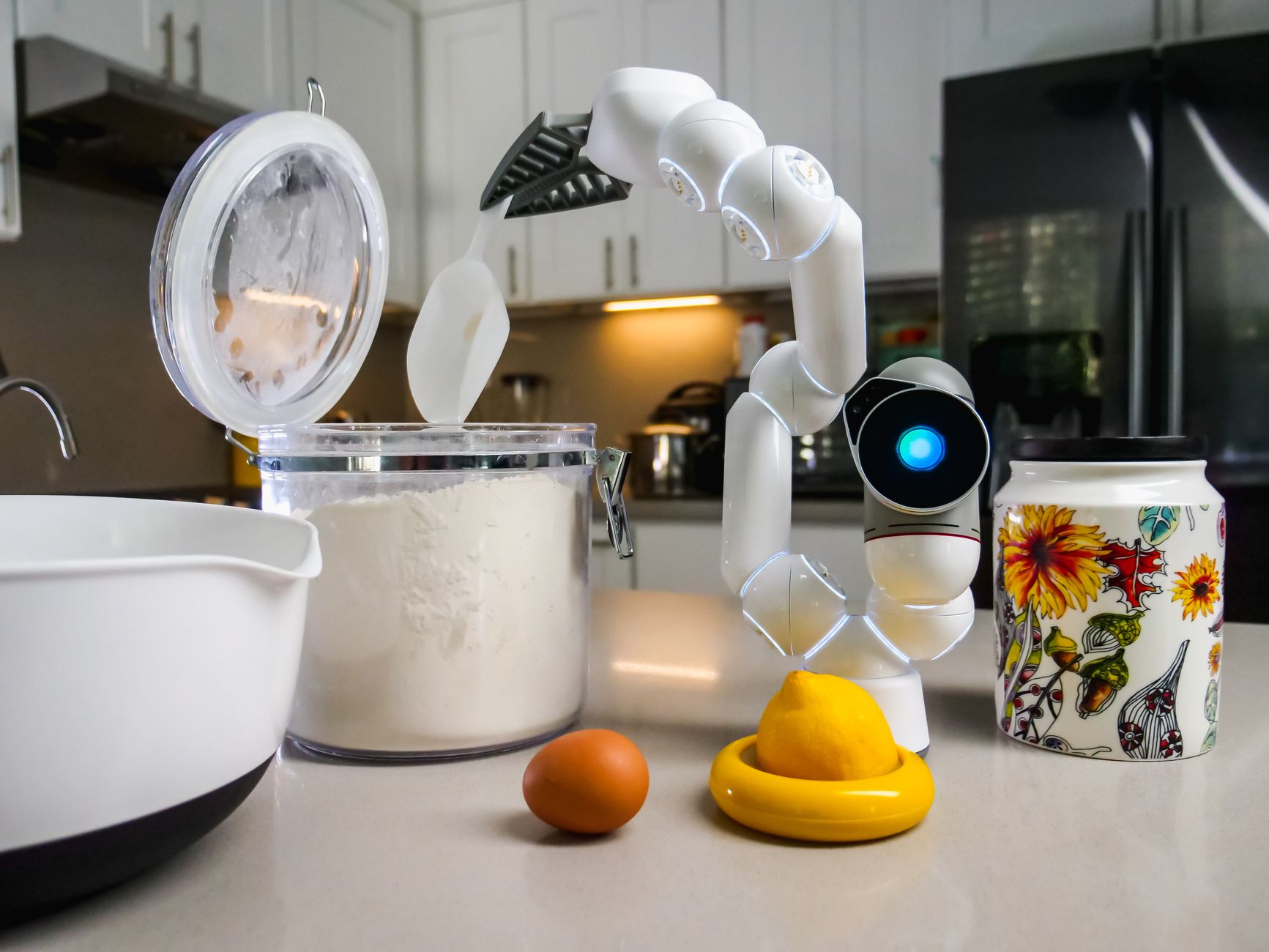
Busy households need tools that cut prep time without inflating the energy bill. In 2026, a growing selection of smart cooking gadgets promises exactly that, but not all deliver on the promise of efficiency.
⚡ In a Rush? Key Takeaways
- Multi‑function pressure cookers save up to 70% energy versus stovetop boiling.
- Smart air fryers cut cooking time by 30% and use 40–55% less power than conventional ovens.
- Wi‑Fi‑enabled sous‑vide machines run at 150‑200 W, costing roughly $0.05 per hour.
- Automated stir‑mixers reduce manual labor and keep dishes on low‑heat settings, saving $2‑$4 per week.
- ✅ Verdict: Pair a multi‑function pressure cooker with a smart air fryer for the best balance of speed, energy savings, and versatility.
How Do Smart Cooking Gadgets Reduce Time in a Busy Kitchen?
Smart gadgets automate steps, letting you start, monitor, and finish meals without constant supervision, saving 15‑45 minutes per dish.
Automation is the core benefit. A Wi‑Fi‑connected pressure cooker lets you set a timer from your phone, then notifies you when the meal is ready. That frees you to attend to work calls or help the kids with homework.
Many devices also include preset programs calibrated for specific foods. The result is less guesswork, fewer failed attempts, and a more predictable schedule—critical when every minute counts.
What Features Matter Most for Speed?
Key speed features include preset timers, rapid‑heat elements, and multi‑stage cooking cycles that replace several separate appliances.
- Preset programs eliminate manual temperature and time calculations.
- Rapid‑heat technology reaches cooking temperature up to 40% faster.
- Multi‑stage cycles combine sauté, pressure, and slow‑cook phases in one device.
Which Gadgets Offer the Biggest Time Savings?
Multi‑function pressure cookers, smart air fryers, and Wi‑Fi sous‑vide units typically shave 20‑50% off traditional cooking times.
| Gadget | Typical Time Saved | Average Power (W) |
|---|---|---|
| Multi‑function pressure cooker | 30‑70% vs stovetop | 800‑1000 |
| Smart air fryer | 25‑35% vs oven | 1500‑1800 |
| Wi‑Fi sous‑vide | 10‑15% vs stovetop braise | 150‑200 |
Can Smart Connectivity Improve Meal Timing?
Integration with voice assistants and mobile alerts lets you queue meals around peak‑rate electricity windows, further compressing total cooking time.
When you program a device to start just before a low‑price time‑of‑use slot, the appliance finishes as the rate climbs, meaning you can serve food immediately without paying premium rates. Voice‑assistant shortcuts also let you start a pressure‑cook cycle while your hands are full, eliminating the need to fumble with the control panel.
This coordinated timing can shave an extra 5‑10 minutes per dish, especially for meals that benefit from a brief resting period before serving.
How Do Safety Features Impact Speed?
Automatic shut‑off and pressure‑release sensors keep cooking fast while protecting against over‑cooking or accidents.
Modern pressure cookers detect when the target pressure is reached and switch to a low‑maintain mode, preventing the need for manual monitoring. Similarly, smart air fryers will pause if they sense an overloaded basket, prompting you to redistribute food for even cooking without wasting time.
These safeguards mean you can trust the gadget to run unattended, preserving the time savings without compromising safety.
How Much Do These Smart Gadgets Cost to Run Each Year?
Running costs range from $30‑$70 per year for low‑power devices to $120‑$180 for high‑wattage air fryers, based on U.S. average electricity rates.
Energy cost is the hidden expense most shoppers overlook. While a device may be inexpensive to purchase, its electricity draw can add up quickly, especially when used daily.
Below, I break down the typical annual cost for the most common smart cooking gadgets, assuming average U.S. residential electricity rates of $0.16 /kWh (2026).
What Is the Annual Cost of a Multi‑Function Pressure Cooker?
A 6‑liter electric pressure cooker consumes about 0.8 kWh per 30‑minute cycle, costing roughly $14‑$18 per year with daily use.
- Power rating: 800‑1000 W.
- Average cycle length: 30 minutes.
- Daily use assumption: 1 cycle.
- Annual cost: (0.8 kWh × 365 × $0.16) ≈ $46, but many households run it only 3–4 times per week, lowering the cost to $18‑$24.
How Expensive Is a Smart Air Fryer to Operate?
A 1500‑W air fryer used for 30‑minute sessions three times a week costs about $115 per year.
- Power: 1500 W.
- Typical use: 30 minutes per session.
- Frequency: 3 sessions/week.
- Annual cost: (1.5 kW × 0.5 h × 3 × 52 × $0.16) ≈ $115.
What Are the Running Costs of a Wi‑Fi Sous‑Vide Machine?
Sous‑vide devices run at 150‑200 W; a weekly 4‑hour session costs roughly $7‑$9 per year.
- Power: 150‑200 W.
- Session length: 4 hours.
- Weekly frequency: 1 session.
- Annual cost: (0.175 kW × 4 h × 52 × $0.16) ≈ $8.
Do Smart Stir‑Mixers Add Significant Energy Costs?
Most battery‑operated or low‑wattage stir‑mixers draw under 50 W, adding less than $2 annually even with daily use.
A typical 45‑W model run for 10 minutes per day consumes 0.0075 kWh daily. Multiplied over a year at $0.16/kWh, the cost is roughly $0.44. Even higher‑wattage countertop mixers stay under $2 per year, making them an inexpensive time‑saving addition.
Which Smart Cooking Gadgets Provide the Best Value for Busy Families?
Value is measured by the ratio of time saved to annual energy cost; multi‑function pressure cookers rank highest, followed by smart air fryers.
Value isn’t just about cheap electricity—it’s about how many tasks a single device can replace. A pressure cooker that also steams, sautés, and slow‑cooks can eliminate the need for a stovetop pan, a separate steamer, and a slow‑cooker.
Below is a concise comparison of the top three gadgets, focusing on versatility, energy use, and price‑performance.
What Makes a Multi‑Function Pressure Cooker the Best Value?
It combines five cooking modes, saves up to 70% energy versus stovetop, and costs $80‑$120, yielding a payback in under a year for most families.
| Metric | Pressure Cooker | Smart Air Fryer | Sous‑Vide |
|---|---|---|---|
| Initial price (USD) | $80‑$120 | $150‑$200 | $120‑$160 |
| Annual energy cost | $18‑$24 | $115 | $8‑$9 |
| Functions | Pressure, slow, sauté, steam, rice | Air‑fry, bake, roast, reheat | Precision cooking |
| Time saved per meal | 30‑45 min | 15‑25 min | 10‑15 min |
How Does a Smart Air Fryer Stack Up?
Ideal for quick weeknight meals, it reduces oven pre‑heat time and uses 40‑55% less power, but its single function limits overall value.
- Great for crispy foods without oil.
- Fast pre‑heat; ready in 3‑5 minutes.
- Higher annual electricity cost than the other two devices.
- Best paired with a pressure cooker for one‑pot meals.
When Is a Sous‑Vide Worth the Investment?
Best for precision cooking and batch‑prep, it costs little to run but requires additional equipment like vacuum bags.
- Exceptional temperature control for proteins.
- Low energy draw makes it cheap to run.
- Ideal for meal‑prepping large batches.
- Less versatile for quick, everyday dishes.
For families that value restaurant‑grade results and have time to plan ahead, the sous‑vide adds a gourmet edge without a hefty electricity bill.
How Can You Integrate Smart Gadgets Without Overcomplicating Your Kitchen?
Start with a single multi‑function device, then add a complementary gadget that fills a gap, keeping the total to three core smart tools.
Over‑loading the kitchen with niche gadgets can lead to clutter and under‑use, which defeats the purpose of efficiency. A streamlined approach—selecting tools that replace multiple traditional appliances—keeps the countertop tidy and the learning curve shallow.
What Is the Ideal Starter Set for a Busy Household?
A multi‑function pressure cooker, a smart air fryer, and a basic digital kitchen scale provide coverage for most meals.
- Pressure cooker: handles soups, stews, rice, beans, and desserts.
- Air fryer: quick sides, reheats leftovers, and makes crisp snacks.
- Digital scale: accurate portions, essential for cost‑per‑serving calculations.
How Should You Organise and Store These Gadgets?
Store the pressure cooker in a lower cabinet, the air fryer on the countertop, and keep the scale on a kitchen island for easy access.
- Keep cords tucked away to avoid trips.
- Use drawer dividers for accessories (racks, steamer trays).
- Label power strips for quick on/off control.
Can I Automate Meal Planning With These Devices?
Many smart cookers sync with recipe apps that generate shopping lists and schedule cooking cycles automatically.
Apps like the Instant Pot Smart Wi‑Fi app or the Air Fryer Companion let you choose a recipe, adjust servings, and the device sets the exact time and temperature. This reduces decision fatigue and aligns cooking with peak electricity rate windows, further lowering costs.
What Role Do Smart Power Strips Play?
Smart strips let you batch‑control multiple devices, cutting standby draw and enabling timed operation.
By connecting your pressure cooker, air fryer, and sous‑vide to a Wi‑Fi‑enabled strip, you can program all three to power down after a set period. This prevents phantom loads that would otherwise add $20‑$30 to your annual bill.
- Set a 2‑hour auto‑off timer.
- Monitor real‑time usage via a smartphone app.
- Combine with time‑of‑use electricity plans for maximum savings.
FAQ
Do smart cooking gadgets require a strong Wi‑Fi signal?
A stable 2.4 GHz Wi‑Fi connection is sufficient; most devices work with signal strength as low as -70 dBm.
Are there safety concerns with leaving smart devices unattended?
Most models have automatic shut‑off and temperature sensors; however, always follow the manufacturer’s safety guidelines.
Can I use smart gadgets with a basic electricity plan?
Yes, but devices with high wattage (air fryers) benefit most from time‑of‑use pricing plans.
How do I calculate my own running cost?
Use the formula: kWh × electricity rate (e.g., $0.16/kWh) = cost per use; multiply by weekly frequency for annual cost.
Will these gadgets work in a small rental kitchen?
Multi‑function pressure cookers and compact air fryers are designed for limited counter space and typically plug into standard 120 V outlets.
Conclusion: What Should Busy Households Choose?
Combine a multi‑function pressure cooker with a smart air fryer for the optimal balance of speed, versatility, and low operating cost.
When time is at a premium, the ability to collapse several cooking steps into one appliance saves both minutes and kilowatt‑hours. The pressure cooker’s rapid heat and multiple cooking modes address the bulk of everyday meals, while the air fryer handles quick sides and reheats without heating a full oven.
For families that enjoy precise, chef‑style results, adding a Wi‑Fi sous‑vide can elevate the menu without adding noticeable energy costs. Pair these gadgets with a simple meal‑planning app, and you’ll have a kitchen that runs smoothly, cheaply, and intelligently.
— Greta Michaud, Home Appliance Efficiency Researcher