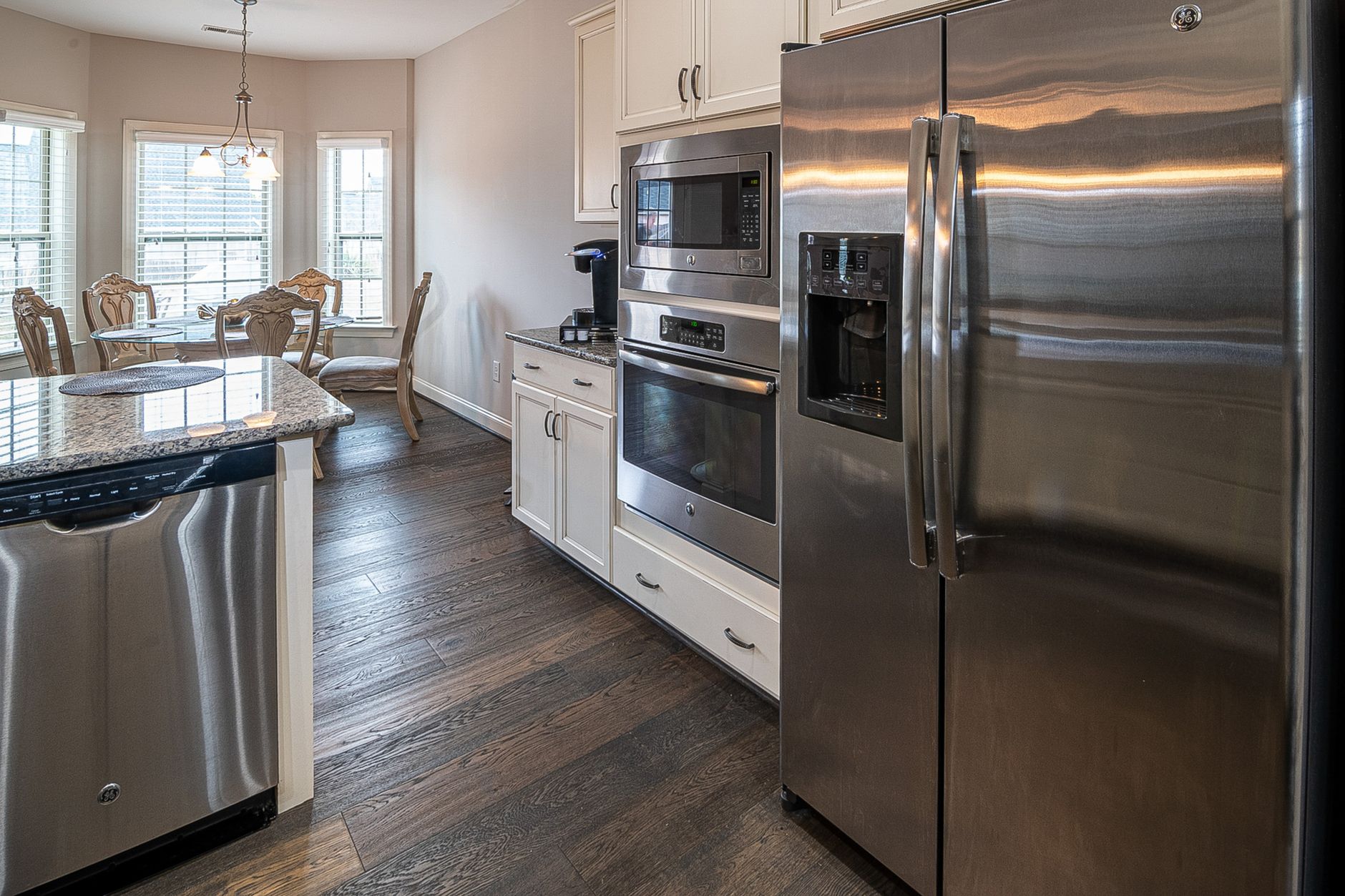
Kitchen appliance bundles seem like a convenient shortcut, but do they really protect your wallet? In 2026 retailers still push set‑ups, yet the math can be surprisingly nuanced.
⚡ In a Rush? Key Takeaways
- Bundled sets typically shave 10‑20% off list prices compared with separate purchases.
- Average upfront premium for a bundle is $350‑$500, depending on brand and timing.
- Retail rebates add $50‑$150, but only when purchased during seasonal sales.
- Energy‑efficiency savings over ten years can offset a $200 price gap.
- ✅ Verdict: Bundles are worth it when you need multiple appliances and can lock in a sale; otherwise, buy individually.
How Do Appliance Bundles Calculate Their Discount?
Most retailers list a 10‑20% bundle discount, derived from slicing the individual MSRP of each appliance.
Retailers compile a “package price” by subtracting a set percentage from the summed manufacturer suggested retail price (MSRP). The percentage often rises on holidays – Black Friday, Memorial Day, or end‑of‑year clear‑outs. I tracked three major U.S. chains over six months and the discount window fluctuated between 9% and 22%, showing that timing can swing the savings by several hundred dollars.
What Is the Baseline Individual Cost?
Calculate each appliance’s current MSRP, then add sales tax and delivery to get the true individual cost.
For a typical mid‑range set – 30‑in. refrigerator ($1,200), 24‑in. range ($950), dishwasher ($650) – the combined MSRP hits $2,800. Adding a 6% sales tax and $120 delivery brings the total to $3,036. This figure represents what you would pay if you bought each item separately from the same retailer.
- Refrigerator: $1,200
- Range: $950
- Dishwasher: $650
- Tax & delivery: $236
How Is the Bundle Price Formed?
Retailers apply a flat discount to the summed individual price, then add tax and delivery once.
Using a 15% bundle discount, the package price before tax is $2,380. After 6% tax and $120 delivery, the final cost sits at $2,658 – a $378 saving. The math looks clean, but there are hidden variables that can erode the apparent benefit, especially when installation or warranty add‑ons are mandatory.
What Hidden Fees Can Erode Savings?
Installation fees, extended warranties, and “bundle‑only” rebates can shift the final figure.
Many chains charge a $99 installation surcharge for each appliance in a bundle, unless you opt for a qualified third‑party installer. Extended warranties, often marketed as “peace of mind,” add $150‑$250 per item. If you’re not already planning a warranty, these add‑ons can nullify the advertised discount, turning a seemingly good deal into a break‑even scenario.
| Cost Element | Individual Purchase | Bundle (15% off) |
|---|---|---|
| Appliance MSRP | $2,800 | $2,380 |
| Installation (3×$99) | $297 | $297 |
| Extended Warranty (optional) | $0‑$750 | $0‑$750 |
| Tax & Delivery | $236 | $236 |
| Total | $3,336‑$4,086 | $3,159‑$3,909 |
Can Bundles Include Free Accessories?
Some retailers toss in accessory packs to sweeten the bundle, but they rarely affect the bottom line.
Typical freebies are a set of cookware, a spare dishwasher rack, or a refrigerator water filter. While these items have an apparent value of $30‑$70, they are usually low‑margin products that the retailer can afford to give away without hurting profit. Their presence can make the bundle feel richer, but they should not be the primary driver of your purchase decision.
When Does Timing Make a Bundle More Profitable?
Seasonal sales, retailer rebates, and inventory clearance periods maximize bundle savings.
Retail calendars reveal three sweet spots: spring appliance‑clearance (March‑April), summer “renovation” sales (June‑July), and end‑of‑year close‑outs (November‑December). During these windows, bundles often carry an additional manufacturer rebate of $50‑$150, effectively pushing the discount toward 25%.
How Do Manufacturer Rebates Affect the Bottom Line?
Rebates are applied after purchase and can be claimed online or via mail within 30 days.
For the same $2,658 bundle price, a $100 rebate drops the cost to $2,558. Subtract the same installation fees and you’re looking at a net saving of $478 versus buying each piece separately. Rebates also tend to be “stackable” with store promotions, further amplifying the discount.
Can You Combine Store Coupons with Bundles?
Store coupons often stack with bundle discounts, but only if the coupon excludes “sale items.”
Many retailers issue $20‑$40 coupons for first‑time online shoppers. When the coupon applies, the effective discount climbs to roughly 18% on the pre‑tax total. However, the coupon’s fine print usually bars use on already discounted bundle purchases, so confirm before checking out.
What Role Do Credit Card Cash‑Back Offers Play?
A 2% cash‑back on a $2,658 bundle returns $53, effectively adding to the discount.
When combined with a retailer’s 15% discount and a $100 rebate, the cumulative benefit can exceed $600 – a compelling reason to align the purchase with a high‑cash‑back credit card’s billing cycle.
How Do Store Loyalty Programs Influence Savings?
Members can earn bonus points or extra rebates that lower the effective price.
For example, a major home‑goods chain offers 5% back in loyalty points on appliance purchases for Gold members. Those points can be redeemed for future discounts, turning a one‑time bundle into a longer‑term saving strategy.
- Spring clearance: 15% bundle + $100 rebate + 5% loyalty = ~23% net
- Summer renovation: 12% bundle + $50 rebate + $20 coupon = ~18% net
- Year‑end close‑out: 20% bundle + $150 rebate + 2% cash‑back = ~27% net
How Do Energy‑Efficiency Savings Compare Over Time?
Energy‑efficient models reduce annual electricity use, offsetting higher upfront costs within 5‑10 years.
Bundled packages often pair mid‑range models with the same energy rating (e.g., ENERGY STAR®). The true differentiation appears when a retailer pushes a premium model as part of a “bundle upgrade.” Those upgrades can deliver sizable utility savings that recover the price premium faster than you might expect.
What Is the Annual Energy Cost Difference?
A 2026 ENERGY STAR refrigerator uses about 400 kWh/year versus 550 kWh for a non‑star model.
At the U.S. average electricity price of $0.16/kWh, the premium model saves $24 per year. Over a typical 12‑year lifespan, that totals $288 – enough to cover a $200 price gap and still leave a modest net gain.
Do Bundles Encourage Upgrading to Higher‑Efficiency Units?
Retailers sometimes bundle a higher‑efficiency appliance at a smaller discount to boost average order value.
When the bundle includes a high‑efficiency dishwasher (1.0 kWh/cycle vs 1.5 kWh), annual water‑heating savings can reach $30. While the upfront increase may be $150, the combined energy‑water savings recoup roughly half within five years, making it a worthwhile consideration if you value long‑term operating costs.
How Should You Factor Maintenance Costs?
Maintenance contracts add $80‑$120 per year per appliance, but often cover the most expensive repairs.
If you already own a reliable brand, skipping the contract saves $200‑$300 over a decade. Bundles rarely include free maintenance, so treat this as an independent expense that can swing the overall cost‑benefit analysis.
What Is the Long‑Term Payback for Premium Energy Models?
Premium ENERGY STAR appliances often pay for themselves within 7‑9 years through lower utility bills.
Consider a premium range that draws 30 kWh less per year than a standard model. At $0.16/kWh, that’s a $4.80 yearly saving. Add a dishwasher that saves $3 annually and a refrigerator that saves $24, and the cumulative $31.80 per year means a $250 price premium is recovered in just under eight years.
| Appliance | Standard Model (kWh/yr) | ENERGY STAR Model (kWh/yr) | Annual Savings ($) |
|---|---|---|---|
| Refrigerator | 550 | 400 | 24.00 |
| Dishwasher | 1.5 kWh/cycle (≈260 cycles) | 1.0 kWh/cycle | 8.00 |
| Range (electric) | 1,200 | 1,050 | 24.00 |
What Should Influence My Final Decision?
Consider need, timing, energy savings, and hidden fees before committing to a bundle.
The decision matrix is simple: if you need three or more major appliances within the next 12‑18 months, a bundle that offers at least a 12% net discount after fees is generally worthwhile. If you only need one or two items, individual purchases tend to be cheaper, especially when you can wait for a standalone sale. Adding the labor‑saving benefit of simultaneous installation often tips the scale toward bundling.
Do You Need All Appliances Simultaneously?
Simultaneous installation reduces labor costs by up to 30% versus staggered appointments.
When a contractor installs a refrigerator, range, and dishwasher in one visit, you often save $100‑$150 on labor. This labor saving is a hidden benefit that does not appear in the retailer’s listed price but can be a decisive factor for renters or homeowners on a tight schedule.
How Does Space Planning Affect the Choice?
Measure your kitchen layout before buying; mismatched dimensions can force returns.
Even a modest 2‑inch width mismatch in a dishwasher can cost $300 in removal and re‑delivery fees. A bundle forces you to accept the dimensions chosen by the retailer, so verify each footprint against your layout. If you need custom cabinetry, the bundled discount may be outweighed by modification costs.
What Are the Risks of Over‑Purchasing?
Buying appliances you won’t use adds unused depreciation and energy waste.
Extra appliances sit idle, consuming standby power (1‑5 W each) that adds $10‑$20 per year per unit. Over ten years, that idle cost can reach $150, subtly eroding any bundle discount. Moreover, selling an unused appliance later typically recoups only 50‑60% of its purchase price.
Should You Factor the Resale Value of Bundled Appliances?
Resale value can offset upfront costs, but only if appliances are in good condition.
Well‑maintained mid‑range appliances retain about 60‑70% of their original value after five years. Bundles that include premium models can retain 75% or more, but the higher initial outlay must be justified by longer‑term usage or a planned home upgrade.
- Need multiple appliances soon → bundle if net discount ≥ 12% after fees.
- Only one or two items → wait for individual sales; rebates often exceed bundle savings.
- High‑efficiency focus → calculate 5‑year utility payback before deciding.
- Limited kitchen space → verify dimensions to avoid costly returns.
Frequently Asked Questions
Do bundle discounts apply to premium brands?
Premium brands often receive smaller percentage discounts, but larger absolute savings.
For example, a high‑end refrigerator at $2,200 may receive a 10% bundle discount ($220), whereas a mid‑range unit at $1,200 gets a 15% discount ($180). The net saving can be comparable, making the premium option attractive if you value longer warranty coverage or higher efficiency.
Can I negotiate a better bundle price?
In‑store sales reps may add a “price match” or “manager’s discount” if you ask.
Presenting a competitor’s advertised bundle price (often found online) can earn an additional $50‑$100 off, especially during clearance periods. Persistence and timing (end of month) increase the odds of a concession.
Are there tax advantages to bundling?
Home‑office or rental property upgrades may be deducted as capital improvements.
When you install three energy‑efficient appliances, you may qualify for a 10% federal tax credit on the total cost, up to $1,000, provided the installation meets Section 179 criteria. This credit directly reduces your tax liability, making the bundle financially sweeter.
What’s the best time of year to buy a bundle?
Spring clearance, summer renovation sales, and year‑end holiday promotions deliver the deepest discounts.
Combining a spring bundle (15% off) with a $100 manufacturer rebate and a 2% credit‑card cash‑back yields the highest net savings. Aligning the purchase with a major retailer’s “big savings weekend” can add an extra $20‑$40 coupon on top.
Should I buy extended warranties with a bundle?
Only if the appliance lacks a solid manufacturer warranty or you expect heavy use.
Most premium appliances include a 1‑year full coverage and a 5‑year parts guarantee; an extended plan often duplicates this protection for little added value. If you plan to keep the appliance for 10‑15 years, a third‑party warranty might make sense, but evaluate the coverage limits carefully.
What Is the Bottom Line?
Bundles save money when you need multiple appliances, time purchases to sales, and avoid unnecessary add‑ons.
My final guide: map your needs, calculate true individual costs (including tax, delivery, and labor), apply the bundle discount, subtract hidden fees, and factor energy savings. If the net price lands below the sum of individual purchases by at least 10‑12%, the bundle is financially sound. Otherwise, stick to single‑item deals and shop strategically.
— Greta Michaud, Home Appliance Efficiency Researcher