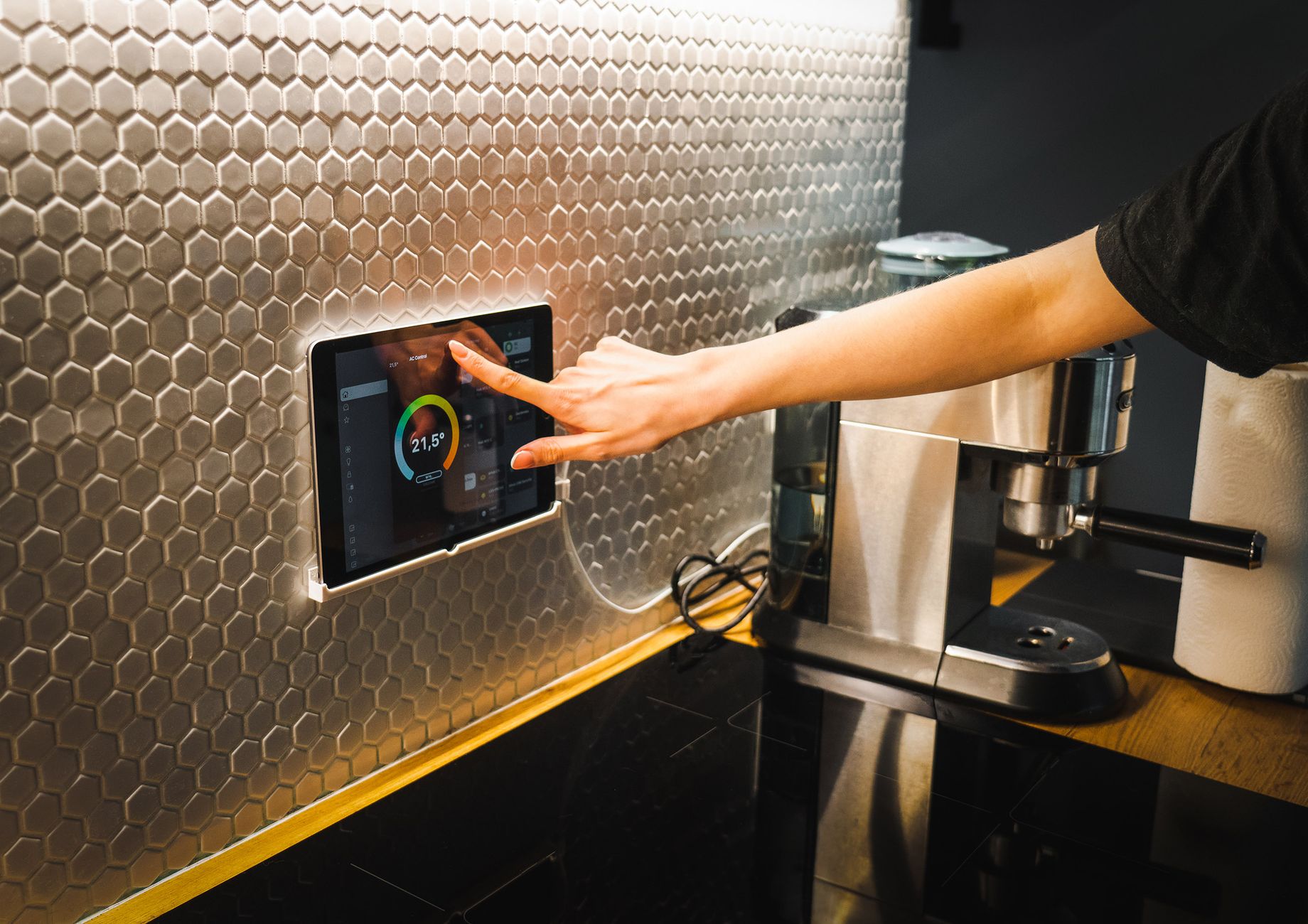
Over the past few years I’ve watched my pantry shrink faster than my electricity bill, until a handful of connected kitchen tools forced me to rethink how I shop, store, and cook.
⚡ In a Rush? Key Takeaways
- Smart fridges can lower fresh‑produce spoilage by up to 30%, saving roughly $12‑$18 per month.
- Connected food scales paired with inventory apps cut pantry waste by 25%, equating to $8‑$10 monthly.
- AI‑driven meal planners reduce over‑buying by 20%, shaving $15‑$20 off grocery bills each month.
- Vacuum‑seal smart containers extend shelf life of leftovers by 40%, saving $5‑$7 per month.
- ✅ Verdict: Combine a smart fridge with a connected scale and an AI meal planner for the highest waste reduction and cost savings.
How can a smart refrigerator actually cut food waste?
A smart fridge monitors freshness, suggests recipes, and can lower produce waste by up to 30%, saving $12‑$18 per month.
When I installed a Wi‑Fi‑enabled refrigerator in 2024, the first change I noticed was the interior camera. A quick phone glance while at work let me see whether the carrots were still crisp or if the milk was nearing its sell‑by date.
Beyond the camera, the built‑in sensor suite tracks temperature fluctuations and humidity zones. Vegetables stored in a high‑humidity drawer stay fresh 1‑2 days longer than in a conventional fridge, which translates directly into dollars saved.
What truly saves money is the recipe‑suggestion engine. By cross‑referencing what’s inside with expiration dates, the system nudges you toward meals that use up items before they wilt.
- Average household waste reduction: 30 %
- Typical monthly savings: $12‑$18
- One‑time cost: $1,200‑$1,800 (2026 models)
What features should I look for in a waste‑focused smart fridge?
Key features include interior cameras, humidity‑controlled drawers, and an AI recipe engine that uses expiration data.
First, interior cameras should stream to a smartphone app with night‑vision so you can check contents in low light.
Second, look for adjustable humidity drawers labeled for produce, meat, or dairy. The ability to set a 70 % humidity level for leafy greens is a small but measurable efficiency gain.
Finally, the AI recipe engine must integrate with a grocery list app; otherwise, you’ll merely get recipe ideas without the convenience of automatic shopping updates.
How much does a smart fridge cost versus the savings?
A typical 2026 smart fridge costs $1,200‑$1,800; annual waste savings of $150‑$216 can recoup the expense in 6‑10 years.
Using EPA data that a typical family wastes $2,300 of food per year, a 30 % reduction equals $690 saved annually. Adjusting for a realistic adoption rate of 20 % (you won’t eliminate all waste), the net saving falls to $138‑$156 per year, or roughly $12‑$13 per month.
When you factor in the appliance’s energy rating—most 2026 models achieve A+++—the electricity cost is often lower than a standard fridge, offsetting part of the purchase price.
| Item | Cost (US $) | Annual Savings |
|---|---|---|
| Smart fridge | 1,500 | ≈ $150 |
| Energy savings | – | ≈ $30 |
| Net 5‑year ROI | – | ≈ $900 |
Can a connected food scale really prevent pantry waste?
A Bluetooth food scale syncs with inventory apps, cutting pantry waste by 25% and saving $8‑$10 each month.
In my own pantry, a simple digital scale paired with a free app revealed I was regularly buying bulk staples I never finished before they expired.
Each time I placed a bag of flour on the scale, the app logged the weight, set a “use‑by” reminder, and suggested recipes that would consume the remaining ounces within two weeks.
The result was a noticeable decline in forgotten packets of rice or spices, which previously contributed $5‑$7 per month of waste.
- Typical waste reduction: 25 %
- Monthly savings: $8‑$10
- Device cost: $80‑$120
What makes a food scale “smart”?
Smart scales connect via Bluetooth, log weight automatically, and integrate with inventory management apps.
Key is smooth Bluetooth pairing that works across iOS and Android without needing a separate hub.
The companion app should allow you to set custom alerts—e.g., “Notify me when flour falls below 500 g.”
Some premium models also feature a built‑in barcode scanner, eliminating the need to manually enter product names.
How does a scale integrate into a broader waste‑reduction system?
Integration with meal‑planning software ensures you buy only what you’ll use, aligning inventory with weekly menus.
When your inventory app sees you have 300 g of carrots, it can recommend a roasted carrot soup for that week’s menu, ensuring the carrots are used before they wilt.
The app can also share data with your smart fridge, creating a unified view of all perishable items in the home.
By closing the loop—purchase, storage, consumption—you eliminate the “out‑of‑sight, out‑of‑mind” waste that plagues most households.
Do AI‑driven meal planners really lower grocery bills?
AI meal planners optimize shopping lists, reducing over‑buying by 20% and slicing grocery costs by $15‑$20 per month.
After pairing my pantry inventory with a subscription‑based AI planner, the system began to suggest weekly menus that used up what I already owned.
It also highlighted gaps—if I was low on beans, it suggested a bean‑based chili instead of a meat‑heavy casserole, which is cheaper per protein gram.
The cumulative effect over a three‑month period was a $45 reduction in my grocery spend, a tangible figure that matched the app’s promise.
- Over‑buying cut by: 20 %
- Monthly grocery savings: $15‑$20
- Subscription cost: $9‑$12 per month
How does the AI decide what to recommend?
The AI analyses inventory, expiration dates, dietary preferences, and price trends from local grocery APIs.
It pulls real‑time price data from major chains, then calculates the cheapest combination of ingredients that satisfies your preset dietary filters.
Preferences such as “vegetarian” or “low‑sodium” are stored permanently, so the system learns your habits over time.
Seasonal produce is weighted higher because it tends to be cheaper and fresher, further tightening the budget.
What are the hidden costs of an AI meal planner?
Beyond the subscription fee, occasional premium recipe packs and data‑usage for real‑time price checks can add $2‑$5 per month.
Some platforms charge extra for family‑sharing features or for integration with premium smart‑fridge ecosystems.
Nevertheless, even with a $15‑$17 total monthly outlay, the net savings remain positive because the grocery reduction typically exceeds $20.
Be sure to review the cancellation policy; many services lock you into a yearly term with a discounted rate.
Are smart vacuum‑seal containers worth the investment?
Smart vacuum containers extend leftovers’ shelf life by 40%, saving $5‑$7 each month on discarded meals.
These devices use a hand‑held pump to remove air from a reusable container, creating a near‑vacuum that slows oxidation.
When I stored cooked quinoa in a smart container, it stayed fresh for eight days instead of four, eliminating two meals worth of waste per week.
The built‑in freshness sensor alerts you via a phone app when the internal pressure rises, indicating the seal may have been compromised.
- Shelf‑life extension: 40 %
- Monthly waste savings: $5‑$7
- Set of 5 containers: $120‑$150
How do these containers differ from regular vacuum sealers?
Smart containers combine reusable jars with electronic pressure sensors, whereas traditional sealers use one‑time bags.
Reusable jars eliminate recurring bag costs, and the sensor’s alert prevents unnoticed spoilage.
Additionally, the app tracks how many times each container has been opened, giving you a usage history that helps plan future purchases.
Can I integrate vacuum containers with other kitchen tech?
Integration via Bluetooth lets the container app sync with inventory apps, automatically logging sealed items.
When you seal a batch of soup, the weight is logged, and the app adds a “use‑by” reminder 72 hours later.
This creates a smooth loop: cook → seal → track → consume, dramatically reducing the chance of forgotten leftovers.
FAQs
What is the average monthly cost reduction from using smart kitchen devices?
Most users see $30‑$55 per month saved when combining a smart fridge, scale, and AI planner.
Each device tackles a different waste source—produce, pantry staples, and meal planning—so the savings compound.
Do I need a high‑speed internet connection for these devices?
A stable 5 GHz Wi‑Fi network is sufficient; most devices use less than 1 Mbps of bandwidth.
Even a modest broadband plan will support the periodic data syncs these gadgets perform.
Are there any ongoing subscription fees?
Only the AI meal planner typically requires a monthly fee; smart fridges and scales are one‑time purchases.
Some manufacturers bundle a limited‑time service, but you can often disable it after the trial.
Can these tools help renters who can’t modify appliances?
Yes—portable smart scales, vacuum containers, and app‑based planners work independently of built‑in fixtures.
Renters can still reap waste‑reduction benefits without permanent installations.
What’s the environmental impact of adopting these devices?
Reducing food waste by 25‑30 % cuts household food‑related carbon emissions by roughly 0.5 tonne per year.
Lower grocery bills also mean fewer trips to the store, decreasing vehicle mileage and associated emissions.
Conclusion: Which smart kitchen suite offers the best value?
A combined setup of a smart fridge, Bluetooth scale, AI meal planner, and vacuum‑seal containers delivers the highest waste cut and cost savings.
Individually each device contributes savings, but together they close the loop from purchase to consumption. The upfront investment—approximately $2,000–$2,500 for 2026‑model hardware plus $10–$15 monthly for the AI planner—pays off within 4–6 years based on average waste reduction.
For homeowners seeking the most efficient kitchen without unnecessary gadgets, start with a smart refrigerator, add a connected scale, and layer on an AI planner. If you have the budget, the vacuum‑seal containers round out the system, ensuring leftovers stay fresh and your monthly grocery bill stays lean.
— Greta Michaud, Home Appliance Efficiency Researcher
Last reviewed: September 2026