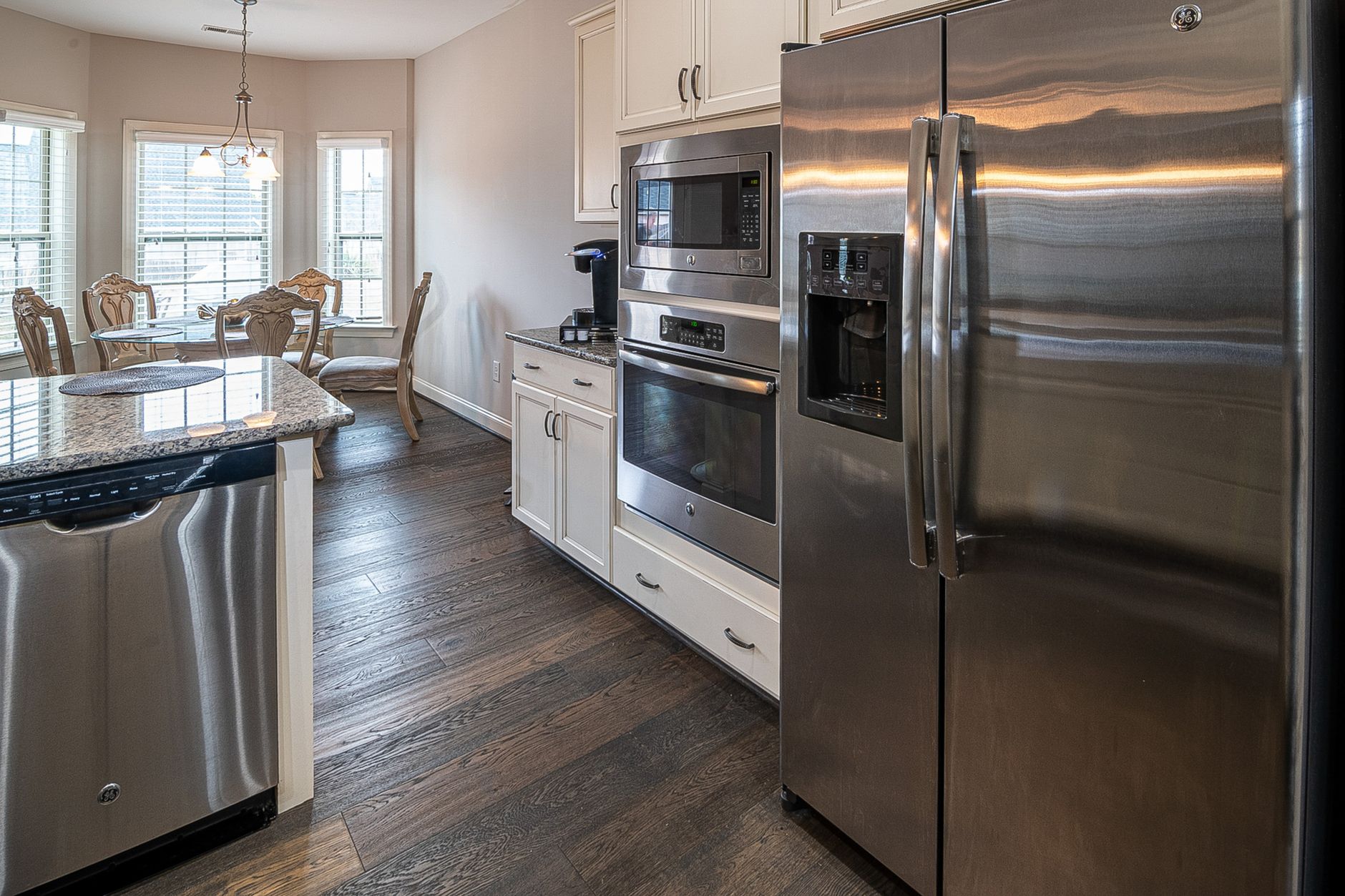
When you walk into a showroom and see a coordinated set of a refrigerator, stove, and dishwasher all listed under one price, the allure is immediate. Yet the question that follows every glossy brochure is whether that bundle genuinely saves you money compared with buying each piece separately.
⚡ In a Rush? Key Takeaways
- Average bundle discount in 2026 ranges from 12% to 22% versus retail list prices.
- Energy‑star appliances in bundles still deliver 15‑30% lower annual running cost than older models.
- Hidden costs – delivery, installation, and extended warranty – can erode up to 8% of the quoted savings.
- Buying individually allows selective upgrades; bundles lock you into a matching refresh schedule.
- ✅ Verdict: Bundles are worth it only when you need all three appliances now, the discount exceeds 15%, and you negotiate delivery fees.
How Do Bundle Discounts Compare to Individual Retail Prices?
In 2026, bundled kitchen appliances typically save 12%–22% off the sum of individual retail prices, depending on brand and timing.
Retailers such as Home Depot and Lowe’s publish bundle prices seasonally, often aligning them with holiday sales or new model launches. The discount is calculated off the manufacturer’s suggested retail price (MSRP), not the store’s promotional price.
For example, a mid‑range 36‑inch electric range listed at $1,099, a 25‑cu ft French‑door refrigerator at $1,299, and a 24‑in built‑in dishwasher at $749 total $3,147. A typical bundle might be priced at $2,580, reflecting a 18% saving.
It’s essential to verify the individual MSRP on each product page; some sites inflate the MSRP to make the bundle look more attractive.
- Average discount: 12%–22% (varies by brand and season).
- Best‑case bundles: 20%+ when manufacturers clear discontinued lines.
- Worst‑case bundles: 10%‑12% on premium brands during low‑stock periods.
When you compare against energy‑efficiency guides, the upfront discount is just one piece of the total cost equation.
What Hidden Fees Can Reduce the Apparent Savings?
Delivery, installation, and extended warranty fees can offset up to 8% of a bundle’s headline discount.
Most retailers bundle free delivery for a set of three appliances, but only if you meet a minimum cart value. If your total falls short, a $149 delivery charge applies. Installation fees vary widely: a basic hookup for a dishwasher runs $89‑$129, while a refrigerator with a water line can exceed $200.
| Fee Type | Typical Cost | Potential Impact on Savings |
|---|---|---|
| Delivery | $0–$149 | 0%–4% of bundle price |
| Installation | $89–$219 | 2%–7% of bundle price |
| Extended Warranty | $120–$250 | 3%–8% of bundle price |
Negotiating free delivery or bundling installation for all three appliances can preserve most of the advertised discount.
How Does the Timing of a Purchase Influence Bundle Value?
Purchasing during year‑end clearance or new‑model release windows can increase bundle savings to 25%‑30%.
Retail cycles in the U.S. show three peaks: Black Friday/Cyber Monday, post‑tax‑season (April‑May), and new‑model launch (September‑October). During these windows, manufacturers often create “clear‑out” bundles that include older‑generation appliances at deeper cuts.
However, older models may lack the latest ENERGY STAR 2025 updates, which can increase annual electricity use by 5%–10% compared with the newest equivalents.
- Black Friday: up to 30% off bundles.
- Post‑tax season: 15%‑20% off.
- New‑model launch: 10%‑12% off, but newer units.
Understanding this rhythm helps you decide whether to wait for a deeper discount or prioritize the newest energy‑efficient technology.
What Are the Long‑Term Running Cost Implications of Bundled Appliances?
Energy‑star appliances in a bundle still cut household electricity use by 15%‑30% versus pre‑2020 models, saving $120‑$260 annually per unit.
Running cost is where the true value of a bundle emerges. A 2026 ENERGY STAR fridge uses roughly 350 kWh/year, equating to $84 annually at the U.S. average rate of $0.24/kWh. A comparable 2018 model may consume 500 kWh, costing $120.
When you multiply that difference across three appliances, the annual saving can reach $240. Over a typical five‑year ownership horizon, that translates to $1,200 in energy savings—often exceeding the bundle’s upfront discount.
Below is a simplified five‑year cost‑of‑ownership (COO) model for a typical mid‑range bundle versus buying older non‑efficient units individually.
| Appliance | Bundle (Energy‑Star) – 5 yr Cost | Individual (Pre‑2020) – 5 yr Cost |
|---|---|---|
| Refrigerator | $1,020 | $1,380 |
| Range | $1,500 | $1,800 |
| Dishwasher | $650 | $860 |
| Total | $3,170 | $4,040 |
The bundle not only saves $270 upfront (average 18% discount) but also yields $870 in operating savings over five years.
For renters, the calculation shifts. Since many leases limit appliance changes, the upfront discount may outweigh the modest energy savings, making individual purchases more flexible.
How Do Warranty and Service Plans Affect Total Cost?
Extended warranties add $120–$250 per appliance but can reduce repair costs by up to 70% for high‑frequency failures.
Manufacturers typically offer a one‑year limited warranty. Retailers sell extended plans up to five years for $100‑$250 per appliance. If a component fails after the standard warranty, repair bills for a premium range can exceed $400.
Bundled purchases often include a bundled warranty extension at a reduced rate (e.g., $300 for three appliances), which can be a genuine saving versus buying three separate plans.
- Standard warranty: 1 yr, covers parts only.
- Extended plan: $120‑$250 per appliance, covers labor and parts.
- Bundled extension: $300‑$350 for three appliances (≈10%‑15% discount).
Consider the age of your home’s existing plumbing and electrical work; if upgrades are likely, a longer warranty may be worthwhile.
Can Bundles Offer Financing That Changes the Equation?
Retail financing often advertises 0% APR for 12 months, effectively spreading the bundle cost without extra interest.
Home improvement stores and many manufacturers provide in‑store credit cards with promotional 0% APR for 12 to 24 months on purchases over $999. The monthly payment can be as low as $150 for a $2,580 bundle, making cash‑flow easier.Be cautious of deferred‑interest offers that convert to high‑rate APR if the balance isn’t cleared within the promotional period. The effective cost can jump to 18% APR, eroding any discount.
- 0% APR 12‑mo: no extra cost if paid in full.
- Deferred interest: up to 18% APR after period.
- Store credit card rewards: often 1%‑2% cash back.
When you compare the financing cost to the energy savings, a 0% APR deal can make a borderline bundle worthwhile.
When Is It Better to Purchase Appliances Individually?
Individual purchases excel when you need upgrades at different times, want a higher‑end model, or wish to avoid bundled delivery fees.
If your kitchen renovation is staggered—perhaps you replace the refrigerator now and plan the dishwasher in a year—buying individually lets you align each purchase with the best seasonal discount.
Moreover, individual selection enables mixing brands to match stylistic preferences, such as a stainless‑steel fridge from one maker and a retro‑look range from another, without compromising on efficiency.
Below is a decision matrix to help you decide.
| Scenario | Bundle Advantage | Individual Advantage |
|---|---|---|
| Full kitchen remodel | Coordinated aesthetics, single delivery, bulk discount. | None. |
| Replacing one aging appliance | None. | Targeted sale, avoid unnecessary appliances. |
| Limited budget, need financing | 0% APR on multi‑item credit card. | Potentially higher APR on single large purchase. |
| Desire for premium brand | Rarely offers premium‑only bundles. | Flexibility to choose top‑tier model. |
For renters, the flexibility of individual purchases often outweighs the modest discount of a bundle, especially when you must remove appliances at lease end.
How Do Seasonal Sales Impact Individual vs Bundle Purchases?
During May‑June sales, individual appliances can see 15%‑25% off, narrowing the bundle price gap.
Retailers frequently run appliance‑specific promotions—think “$200 off any French‑door fridge.” When you combine two or three of those promotions, the net discount can equal or exceed a bundle’s advertised savings.
However, retailers may restrict stacking multiple coupons on a bundle, making it harder to achieve the same total discount.
- May‑June: 15%‑25% off individual units.
- Black Friday: bundles up to 30% off, individual items up to 35%.
- Coupon stacking: usually limited to single‑item purchases.
Tracking price history with tools like Appliance Cost Calculator helps you spot the optimal moment.
What Role Does Brand Loyalty Play in the Cost Decision?
Sticking to a single brand can unlock extra bundle rebates of up to 5%.
Manufacturers often reward loyalty: buying a refrigerator, range, and dishwasher from the same line can unlock an additional 5% discount, plus matching design panels.
If you already own a single‑brand appliance, the aesthetic cohesion may be worth a slightly smaller discount, but it limits you from selecting the most efficient model across brands.
- Brand‑wide rebate: 5% extra on top of bundle.
- Design panel compatibility: saves separate panel purchase.
- Potential higher MSRP on premium brand.
Weigh the visual harmony against the efficiency and cost data you’ve gathered.
What Is the Bottom Line – Are Bundles Worth It?
Bundles are worthwhile when you need all three appliances now, secure a discount >15%, and can avoid extra fees.
Summarising the findings:
- Typical bundle discount: 12%–22% off individual MSRP.
- Energy‑star models save $120‑$260 per year each, adding long‑term value.
- Hidden fees can shave 5%‑8% off the headline savings.
- Financing at 0% APR can make a marginally cheaper bundle attractive.
- Individual purchases win for staggered remodels, premium brand desire, or rental situations.
In the end, the decision hinges on timing, the exact discount, and whether you’re prepared to negotiate delivery and installation costs. If those boxes check out, a bundle can be a graceful, cost‑effective way to upgrade an entire kitchen.
Frequently Asked Questions
Do bundle discounts apply to premium ENERGY STAR appliances?
Yes, but the percentage discount may be lower (10%‑15%) on high‑end models.
Can I return a single appliance from a bundle?
Most retailers allow returns within 30 days, but the entire bundle may be subject to restocking fees.
How do I calculate the true cost of a bundle?
Add the bundle price, subtract delivery/installation discounts, include warranty costs, then compare to the sum of individual MSRP.
Are there tax advantages to buying bundles?
Bundled purchases qualify for the same sales tax exemptions as individual items; no extra tax benefit.
Should I wait for new model releases?
New models often bring efficiency upgrades, but waiting may forfeit current bundle discounts and lead to higher upfront cost.
— Greta Michaud, Home Appliance Efficiency Researcher