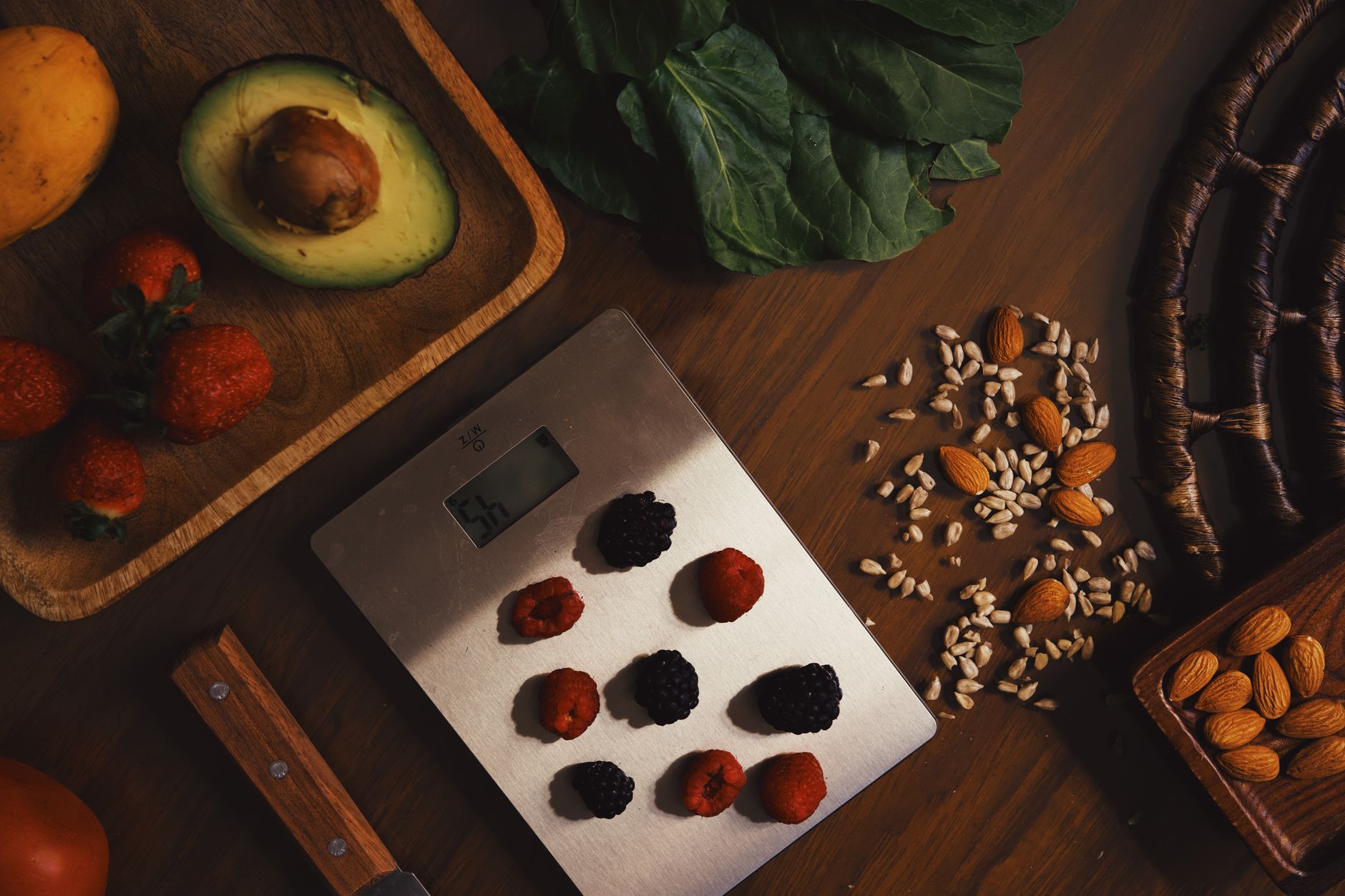
In the pursuit of precise dietary management and efficient kitchen workflows, the modern wireless kitchen scale with integrated nutrition tracking has emerged as a compelling tool. These devices promise not only accurate weighing but also the ability to automatically log macronutrient data, simplifying the process of calorie counting and meal preparation. However, as with many tech-infused kitchen gadgets, a significant question arises: do the added smart features truly offer value commensurate with their often higher price tag, or is a traditional digital scale sufficient for most home users?
⚡ In a Rush? Key Takeaways
- Smart scales range from $40-$150; basic digital scales are $15-$40.
- Nutrition tracking relies on food databases, accuracy varies by brand.
- Connectivity uses Bluetooth; syncing with fitness apps like MyFitnessPal is common.
- Essential for strict macro counting; less so for general cooking.
- ✅ Verdict: Smart scales are worth it for dedicated macro trackers and those valuing smooth data input.
Why Consider a Wireless Kitchen Scale with Nutrition Tracking?
These scales offer automated logging and database integration, turning precise ingredient measurement into actionable dietary data for fitness enthusiasts.
For many home cooks, a simple digital kitchen scale has long been the standard for portion control and recipe adherence. It provides accurate weight measurements, allowing for consistent results in baking and cooking. However, in an era where detailed nutritional information is increasingly sought after – whether for managing weight, optimizing athletic performance, or addressing specific health concerns – the limitations of a basic scale become apparent. The manual input of every ingredient into a separate app or food diary can be tedious and prone to error. This is where wireless kitchen scales with integrated nutrition tracking step in, aiming to bridge that gap with technology.
These advanced scales connect via Bluetooth to a smartphone app, often syncing with popular fitness and nutrition platforms. When you weigh an ingredient, the scale not only records its weight but also identifies it (either through user input or an integrated database) and calculates its nutritional content – calories, protein, carbohydrates, and fats. This hands-off approach to data logging is the primary appeal, promising to streamline the often-disparaged task of tracking one’s food intake precisely. For individuals committed to specific dietary regimens, such as ketogenic diets, intermittent fasting, or high-protein training, the allure of such automated precision is undeniable.
The marketing often emphasizes convenience and accuracy, suggesting these scales are indispensable for anyone serious about their diet. They are positioned as tools that eliminate guesswork, reduce the friction of manual logging, and provide real-time feedback on how each weighed food item contributes to daily nutritional goals. This immediate feedback loop can be a powerful motivator for behavioral change and adherence to dietary plans.
Is a Smart Scale Necessary for General Cooking?
For everyday cooking and general portion awareness, a smart scale’s advanced features are often unnecessary; a standard digital scale suffices.
When your culinary endeavors are driven more by taste, texture, and the joy of creating a meal rather than strict adherence to macronutrient targets, the intricate capabilities of a smart scale may seem like overkill. A standard digital kitchen scale, typically costing between $15 and $40, is perfectly capable of providing the precise weight measurements needed for most recipes. Whether you’re doubling a cookie recipe, ensuring the correct ratio of ingredients for a sauce, or simply portioning out your morning oatmeal, a reliable basic scale performs admirably.
The added complexity of Bluetooth pairing, app management, and database selection can introduce an unnecessary layer of friction for the casual user. Many individuals find that the time spent setting up, connecting, and selecting foods on a smart scale negates the perceived time savings in manual logging. Furthermore, the accuracy of the nutrition databases these scales rely on can vary significantly, and they are often based on generic food items rather than specific brands or preparation methods, which might not align with your actual ingredients.
The value proposition of a smart scale truly shines when that granular level of detail is a priority. If tracking every gram of protein for muscle gain, precisely managing carbohydrate intake for blood sugar control, or meticulously tracking calories for weight loss is a daily endeavor, then the automated logging and detailed breakdowns offered by smart scales become far more compelling. For others, the simplicity and lower cost of a traditional scale remain the more practical choice for their kitchen needs.
How Do Smart Scales Track Nutrition Information?
Smart scales access extensive food databases via smartphone apps, translating weight into nutritional data like calories and macros.
The magic behind a smart kitchen scale’s nutrition tracking lies not within the scale itself, but in its connected ecosystem, primarily the accompanying smartphone application. When you place an ingredient on the scale, the device registers its weight and transmits this data wirelessly, typically via Bluetooth, to your paired mobile device. At this point, the user usually interacts with the app to identify the food being weighed. This can be done by searching a vast database of pre-listed foods, scanning a barcode (if the packaging is available), or manually creating custom entries for less common items.
Once the food is identified, the app accesses its extensive nutritional database, which contains information on thousands of common foods, ingredients, and even specific brands. It then uses the weight logged by the scale to calculate the corresponding calories, macronutrients (protein, carbohydrates, fats), and sometimes even micronutrients like vitamins and minerals. Some advanced apps offer dynamic entries that adjust based on preparation methods or regional variations, though the most common approach is to rely on standard nutritional profiles.
This process effectively turns the scale into an intelligent data collection tool. Instead of manually typing in ‘100 grams of chicken breast’ into a food diary app, you simply weigh the precisely portioned chicken breast, select ‘chicken breast’ in your connected app, and the data is logged automatically. This smooth integration is the core benefit, reducing the potential for human error and saving significant time for users who are diligent about tracking their intake. The accuracy of this feature is, of course, heavily dependent on the quality and comprehensiveness of the app’s food database.
What Are the Key Features to Look For in 2026?
Look for robust app integration, accurate food databases, multiple units of measurement, and a user-friendly interface for optimal smart scale performance.
When evaluating wireless kitchen scales with nutrition tracking capabilities for 2026, certain features stand out as crucial for an effective and user-friendly experience. The primary consideration is the quality and breadth of the associated mobile application. A scale is only as good as the app it syncs with, so users should seek apps that offer intuitive navigation, a complete and accurate food database, and smooth integration with other popular health and fitness platforms like MyFitnessPal, Lose It!, or Apple Health. The ability to easily search for foods, scan barcodes, and create custom entries significantly enhances the usability of the system.
Accuracy in both weighing and nutritional data is paramount. While most reputable scales provide precise weight measurements in grams or ounces, the nutritional aspect requires a well-maintained and extensive food database. Look for scales that are frequently updated with new food items and allow for user-submitted entries that are vetted for accuracy. The scale itself should also offer multiple units of measurement, including grams, ounces, pounds, and milliliters, to cater to various recipes and user preferences. A tare function, which resets the scale to zero to allow for weighing multiple ingredients in one container, is also a fundamental feature.
Beyond core functionality, consider the scale’s design and build quality. A durable, easy-to-clean surface (stainless steel is often preferred) and a clear, easy-to-read display are important for kitchen use. Many smart scales also integrate with voice assistants or offer guided recipe features, which can add extra layers of convenience. Finally, battery life and charging options should be factored in; a scale that runs on replaceable batteries might be more convenient for some, while others may prefer a rechargeable USB option.
How Does Bluetooth Connectivity Impact User Experience?
Bluetooth enables smooth data transfer from scale to app, automating logging and providing real-time nutritional insights without manual entry.
The integration of Bluetooth technology is what elevates a kitchen scale from a simple measuring device to a smart nutrition tracker. This wireless communication protocol allows the scale to communicate directly with your smartphone or tablet, creating an automated bridge for data. Without Bluetooth, you would likely have to manually enter the weight of each ingredient into your chosen nutrition tracking app, a process that is time-consuming and often leads to inaccuracies or skipped entries.
With Bluetooth, the process becomes remarkably fluid. You place your ingredient on the scale, select the food item from the connected app’s database, and the weight is automatically registered. The app then processes this information to instantly display or log the nutritional content. This real-time feedback can be incredibly empowering; for instance, if you’re weighing out a portion of nuts, you can see immediately how many calories and grams of fat that portion represents, allowing you to make adjustments on the fly to stay within your dietary targets. This immediate feedback loop is a significant psychological advantage for those actively managing their diets.
The reliability of the Bluetooth connection is, of course, a factor. Most modern devices offer a stable connection over short distances, but occasional syncing issues can arise. Manufacturers typically provide troubleshooting guides for such instances. The convenience, however, generally outweighs the minor potential for connectivity hiccups. It’s the core mechanism that enables the ‘smart’ functionality, transforming a mundane kitchen task into an integrated part of a larger health and fitness management system.
What is the Cost Difference Between Smart and Basic Scales?
Smart kitchen scales typically range from $40 to $150, while basic digital scales are available for $15 to $40.
The initial investment is often the most significant differentiator when comparing smart kitchen scales with their more traditional counterparts. A basic digital kitchen scale, which offers accurate weight measurements and a tare function, can be purchased for a mere $15 to $40. These are robust, reliable tools perfectly suited for general cooking, baking, and basic portion control where detailed nutritional data isn’t a primary concern.
On the other hand, wireless kitchen scales with integrated nutrition tracking capabilities represent a considerable step up in price. You can expect to spend anywhere from $40 for entry-level smart scales from brands like Etekcity, up to $150 or more for premium models from specialized health tech companies or high-end appliance brands. This price premium is attributed to the inclusion of Bluetooth connectivity, the advanced software and app development, access to extensive food databases, and often, a more sophisticated design and build quality.
For the budget-conscious consumer or the casual cook, the value proposition of a smart scale might be difficult to justify when a basic scale performs the essential weighing function adequately. However, for individuals who are deeply invested in detailed nutrition tracking, managing specific health conditions, or optimizing athletic performance with precise macronutrient counting, the added cost can be seen as an investment in convenience, accuracy, and smooth data integration that a basic scale simply cannot provide.
| Scale Type | Typical Price Range (USD) | Primary Function | Key Differentiator |
|---|---|---|---|
| Basic Digital Scale | $15 – $40 | Accurate Weight Measurement | Simplicity, Affordability |
| Smart Scale (Nutrition Tracking) | $40 – $150+ | Weight Measurement + Automated Nutrition Logging | Bluetooth Connectivity, App Integration, Food Databases |
Are Smart Food Scales Worth the Investment for Macro Tracking?
For dedicated macro trackers, the time saved and enhanced accuracy in data logging make smart scales a worthwhile investment over manual methods.
The answer to whether smart food scales are worth the investment for macro tracking hinges almost entirely on your dedication to the task and your tolerance for manual data entry. For individuals who meticulously track every calorie and macronutrient – those striving for specific fitness goals like muscle gain, fat loss, or competitive bodybuilding – the time and effort saved by a smart scale can be substantial. Eliminating the need to manually input every ingredient’s weight and nutritional value into an app can free up significant time and reduce the likelihood of errors or skipped entries that can derail progress.
Consider the process without a smart scale: you weigh an item on a basic scale, then open your food tracking app, search for the food item, input the weight (grams or ounces), and visually confirm the macro breakdown. Repeat this for every single ingredient in every meal. Now, consider the smart scale process: weigh the ingredient, select it from the app’s list, and the data is logged. The difference in time commitment and potential for frustration is immense, especially for frequent trackers. The smooth integration streamlines the process, making consistent tracking more achievable.
Furthermore, the inherent accuracy of weighing an item directly and having that data automatically transferred to your tracking app can lead to more precise macro counts compared to manual estimation or input errors. While the accuracy of the underlying food databases is a crucial factor, the overall system’s ability to reduce human error in data transfer is a significant benefit. For those for whom precise macro tracking is non-negotiable, the added cost of a smart scale is often a justifiable expense for the convenience and improved accuracy it provides.
How Accurate Are the Nutrition Databases Used by Smart Scales?
Nutrition databases vary in accuracy and comprehensiveness, often relying on USDA data with user-contributed entries; precision depends on the app and food selection.
The cornerstone of a smart scale’s nutrition tracking capability is its access to vast databases of food information. These databases are typically compiled from sources such as the U.S. Department of Agriculture’s (USDA) FoodData Central, as well as data from food manufacturers and, increasingly, crowdsourced information from users themselves. The foundational data from the USDA is generally considered reliable for a wide array of raw ingredients and common prepared foods, providing detailed breakdowns of macronutrients, vitamins, and minerals.
However, the accuracy can become variable when considering specific brands or unique food preparations. For instance, an app might have data for ‘chicken breast,’ but the exact nutritional profile can differ based on whether it’s farmed (e.g., organic vs. conventional feed), cooked via grilling, baking, or frying, and whether any marinades or added fats are used. Users must be diligent in selecting the most appropriate entry from the database or creating custom entries to reflect their ingredients as accurately as possible. This reliance on user selection means that the ultimate accuracy is, in part, dependent on the user’s vigilance and knowledge.
Many smart scale apps also allow users to scan barcodes on packaged foods. This method can offer higher accuracy for specific products, as the nutritional information is sourced directly from the manufacturer’s packaging. Nevertheless, minor discrepancies can still occur due to variations in manufacturing processes or regional product differences. While smart scale nutrition databases offer a significant advantage over manual estimation, users should approach their data with a critical eye, understanding that they serve as excellent guides rather than infallible sources of truth, especially for highly customized diets.
Can Smart Scales Integrate with Fitness Trackers?
Yes, most smart scales integrate with popular fitness apps and trackers, creating a complete health data ecosystem.
One of the most compelling aspects of investing in a smart kitchen scale for nutrition tracking is its ability to smoothly integrate with your existing health and fitness ecosystem. The accompanying mobile applications are designed to be compatible with a wide range of other popular platforms, including MyFitnessPal, Lose It!, Fitbit, Apple Health, Google Fit, and others. This connectivity transforms the scale from an isolated gadget into a powerful component of your overall health management strategy.
This integration means that the nutritional data logged by your smart scale automatically syncs with your preferred fitness tracker or diary app. For example, if you weigh your breakfast smoothie ingredients, the calorie and macro information is instantly added to your daily tally in MyFitnessPal.