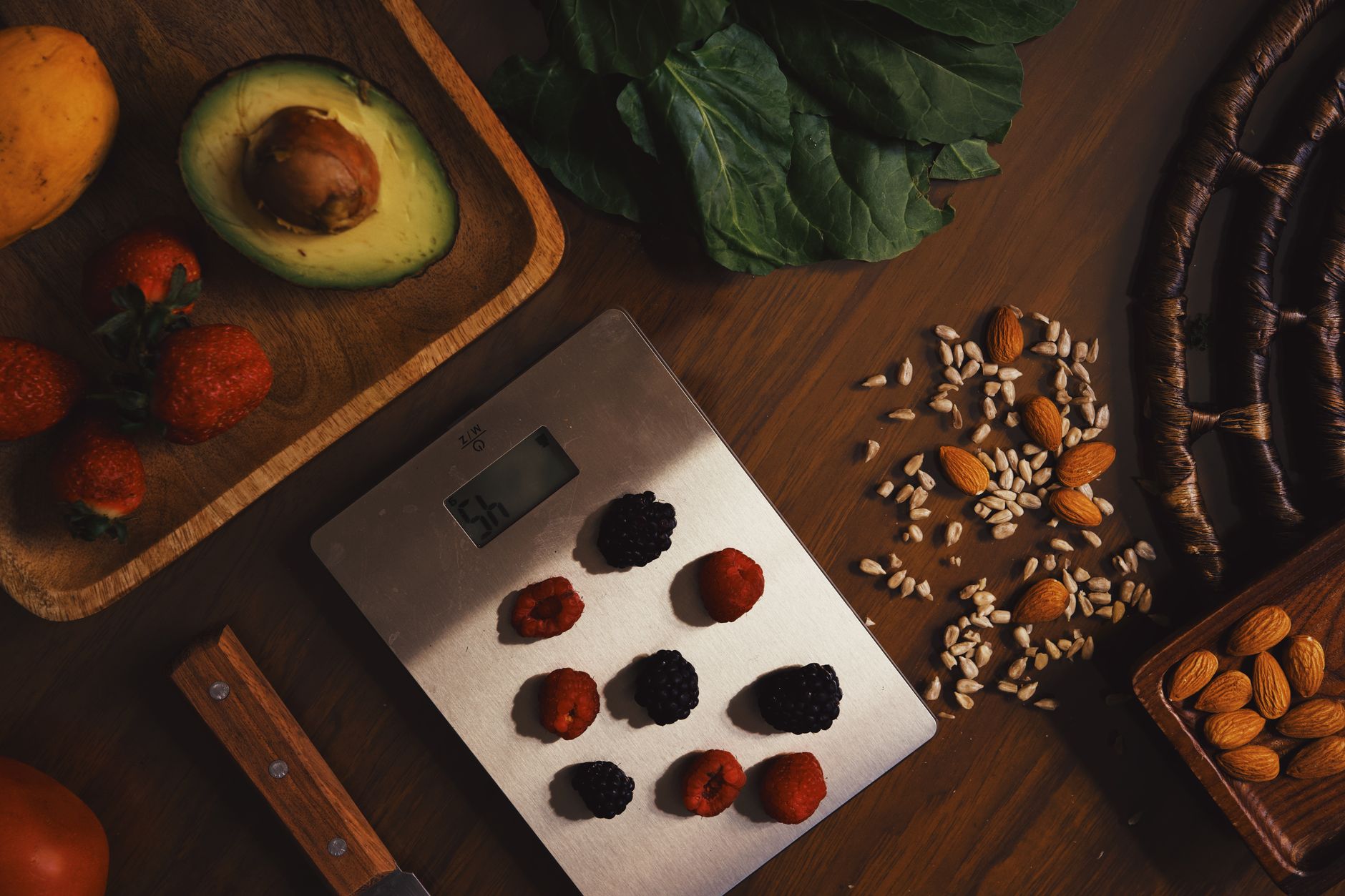
Navigating the world of kitchen appliances often presents a choice between straightforward functionality and technologically advanced options. For the home cook keen on precise portion control and detailed nutritional data, wireless kitchen scales with built-in nutrition tracking have emerged as a compelling, albeit costly, solution. But before investing in these ‘smart’ devices, it’s crucial to determine if their advanced features truly enhance the cooking and eating experience enough to warrant the premium price.
⚡ In a Rush? Key Takeaways
- Smart scales offer calorie counts and macro tracking, with costs ranging from $40 to $150.
- Standard digital scales cost $15–$30 and provide basic weight measurements.
- Accuracy is paramount; both smart and standard scales achieve +/- 1g precision for most models.
- Nutrition tracking requires manual data entry or app syncing, adding a layer of complexity.
- ✅ Verdict: Standard digital scales are sufficient for most home cooks; smart scales offer value for dedicated dieters or those needing granular data precision.
Is a Smart Kitchen Scale Truly Necessary for Most Cooks?
For the average home cook, a standard digital kitchen scale suffices for measuring ingredients, whereas smart scales offer advanced nutrition tracking for specific dietary needs.
The allure of a kitchen scale that can automatically display calorie counts, macronutrients, and even sync with fitness apps is undeniable. For individuals meticulously tracking their intake for weight management, athletic performance, or specific health conditions, these smart devices promise to streamline the process. However, for the vast majority of home cooks who use a scale for measuring flour for bread, ounces of cheese for a recipe, or portioning out ingredients for weeknight dinners, the added technological layer may be an unnecessary complication and expense.
What Differentiates a Smart Scale from a Standard Digital Scale?
Smart scales feature Bluetooth/Wi-Fi connectivity and app integration for nutrition logging, unlike standard scales which only measure weight accurately.
At its core, a kitchen scale’s primary function is accurate weight measurement. Standard digital scales, often available for $15 to $30, excel at this. They typically measure in grams, ounces, pounds, and fluid ounces, often with a precision of 1 gram (0.05 ounces). Reputable brands like OXO Good Grips and Etekcity offer reliable models that have been trusted in kitchens for years. These devices are straightforward: place an item on the scale, tare it to zero for subsequent measurements, and read the weight. There’s no software, no charging, and no Wi-Fi connection required.
Smart scales, on the other hand, add a layer of connectivity. They usually pair via Bluetooth or Wi-Fi to a dedicated smartphone app. This app connects to a vast database of food items, allowing the scale to identify what you’re weighing and automatically log its nutritional information. Some advanced models can even break down calories, carbohydrates, protein, fat, and fiber. The convenience for obsessive trackers is evident, but it also introduces a reliance on technology that can sometimes be more frustrating than helpful.
How Do Nutrition Tracking Features Work in Practice?
Nutrition tracking on smart scales involves manual selection or app synchronization to identify foods and their associated calorie and macronutrient data.
The practicality of nutrition tracking on smart scales largely depends on the user’s diligent engagement. When you place an ingredient on the scale, you typically need to select it from a database within the scale’s companion app. This can range from a simple search for ‘chicken breast’ to more specific entries like ‘100g cooked chicken breast, skinless’. Once selected, the app displays the nutritional breakdown. Some scales offer a small built-in screen to show basic data, while others rely entirely on the app for detailed information.
The accuracy of this data is heavily reliant on the scale’s database and your ability to correctly identify and select the food item. For common ingredients like plain chicken or broccoli, it’s straightforward. However, for mixed dishes, pre-prepared meals, or items with varying fat content, it becomes more complex. This process can add significant time to meal preparation and cooking, which might be counterproductive for those seeking efficiency. Furthermore, the scale itself only measures weight; the nutritional interpretation is done by the app, requiring a stable internet connection or pre-downloaded data for offline use.
What is the Average Cost Difference Between Standard and Smart Scales?
Smart kitchen scales with nutrition tracking typically cost $40–$150, a significant increase from standard digital scales priced at $15–$30.
The financial consideration is often the most immediate barrier to entry for smart kitchen scales. While a reliable standard digital scale can be acquired for $15 to $30, smart models command a premium. Prices can range from around $40 for more basic ‘smart’ functionality to upwards of $100 or even $150 for devices with more advanced features, larger databases, or sleeker designs. This price disparity means that for many, a smart scale represents a considerable investment over its simpler counterpart.
This difference in price reflects the added technology: Bluetooth or Wi-Fi chips, rechargeable batteries or complex power management, a more sophisticated internal processor, and significant software development for the companion app and its food database. While the purchase price is higher, some users might argue that the long-term value of accurate nutrition tracking justifies the expense, particularly if it aids in achieving significant health or fitness goals. However, for casual users, the outlay becomes harder to justify when a $20 scale performs the primary task of weighing ingredients with equivalent precision.
Exploring the Functionality of High-End Smart Scales
High-end smart scales offer integrated food databases, Bluetooth syncing, and detailed macro tracking, simplifying nutrition logging for dedicated dieters.
When exploring into the upper echelon of smart kitchen scales, the feature set expands significantly, aiming to offer a near-complete solution for nutritional monitoring. These devices are not merely scales; they are intended to be integrated components of a digital health ecosystem. Their primary appeal lies in their ability to eliminate manual logging, reduce the potential for human error in calculations, and provide immediate feedback during the cooking process.
How Do Smart Scales Aid in Macro and Calorie Tracking?
Smart scales use companion apps and extensive food databases to automatically log calories, protein, carbs, and fats based on weighed food items.
The core technology behind a smart scale’s nutrition tracking is its ability to connect to a complete database of food items and their associated nutritional values. When you place an ingredient or meal component on the scale, you interact with a mobile application. This interaction typically involves searching for the specific food (e.g., ‘salmon fillet,’ ‘avocado,’ ‘oatmeal’). Once selected, the scale’s software, via the app, calculates and displays the caloric content and macronutrient breakdown (protein, carbohydrates, fat) based on the precise weight measured.
Manufacturers often partner with nutrition tracking platforms or develop their own extensive databases, which can include tens of thousands of common foods, generic ingredients, and even branded products. This level of detail aims to provide users with the utmost accuracy, moving beyond simple portion sizing to granular nutritional analysis. For someone diligently managing their carbohydrate intake for diabetes or optimizing protein for muscle gain, this automatic logging can be a genuine time-saver and accuracy-enhancer compared to manually entering weights and types of food into a separate app.
What are the Advantages of Bluetooth or Wi-Fi Connectivity?
Bluetooth and Wi-Fi connectivity enable smooth data transfer to apps, allowing for automatic logging, trend analysis, and integration with other fitness platforms.
The ‘smart’ in smart kitchen scales primarily refers to their wireless connectivity. Bluetooth allows for direct pairing with your smartphone or tablet, typically within a range of about 30 feet. Wi-Fi connectivity offers a broader range, enabling the scale to connect directly to your home network, which can be advantageous if your phone isn’t always near the kitchen or if multiple users need to access the data. This connectivity is the backbone that allows for automatic logging and synchronization.
Once the data is transferred from the scale to the app, it can be stored, analyzed, and even integrated with other health and fitness tracking platforms. This means your food intake data from the scale can complement data from your smartwatch (activity levels), other smart scales (body weight), or nutrition-focused apps. This interconnectedness provides a more holistic view of your health metrics, allowing for more informed decisions and trend analysis over time. For instance, you might see how specific dietary choices reflected in your food weigh-ins impact your overall daily calorie or nutrient intake.
Can these Scales Track Custom Meals or Recipes?
Many smart scales allow users to create custom food entries or recipes within their companion apps for personalized tracking of non-standard items.
While smart scale databases cover a vast array of individual ingredients and popular branded foods, they cannot account for every single dish a user might prepare. Enthusiastic home cooks often experiment with unique recipes or combine multiple ingredients in ways that aren’t pre-programmed. Recognizing this, most smart scale manufacturers include functionality for creating custom food entries or entire recipes within their companion apps. This feature is critical for users who want to track homemade meals with precision.
To use this feature, a user would typically weigh each ingredient of their custom recipe as they add it to the scale. The app then allows them to assign these individual weights to specific food items, and the total nutritional information for the combined dish is automatically calculated. Alternatively, some apps allow you to input the nutritional information for a complete recipe and then divide it by the number of servings to get per-serving data. This capability significantly enhances the utility of smart scales for anyone cooking from scratch or following specialized dietary plans.
Is the Investment in a Smart Scale Justified?
The economic justification for a smart scale hinges on consistent use for dedicated dieting or health management, where time saved and accuracy gained outweigh the cost.
Deciding whether a smart kitchen scale is a worthwhile investment requires an honest assessment of your personal needs and cooking habits. The primary selling points—automated nutrition tracking, vast food databases, and app integration—are undeniably beneficial for a specific demographic. However, these advantages come at a tangible cost, both in terms of initial purchase price and the potential for added complexity in your kitchen routine.
How Accurate Are Smart Scales Compared to Standard Scales?
Both smart and standard digital scales typically offer excellent accuracy, measuring down to 1 gram, with variability often dependent on the specific model and surface it’s placed on.
When it comes to the fundamental task of weighing ingredients, the accuracy of a smart scale and a standard digital scale is generally comparable. Most reputable models, regardless of their ‘smart’ capabilities, are designed to measure with a precision of 1 gram (approximately 0.05 ounces). This level of accuracy is more than sufficient for the vast majority of cooking and baking applications, where minute differences in ingredient weight are unlikely to significantly impact the outcome.
The critical factor for accuracy in any kitchen scale, smart or not, is its placement. Scales should always be used on a flat, stable, and level surface. Even the most sophisticated smart scale will provide inaccurate readings if placed on an uneven countertop, a wobbly table, or a carpeted surface. Vibration from nearby appliances or even footsteps can also influence readings. Therefore, while smart scales boast advanced features, their fundamental weighing accuracy is usually on par with their simpler counterparts, assuming proper usage.
What Are the Daily Usage Aspects to Consider?
Daily use of smart scales involves app interaction, syncing, and potentially battery charging, adding more steps than a simple, single-purpose standard scale.
The daily user experience is where the divergence between smart and standard scales becomes most apparent. With a standard digital scale, turning it on, weighing an ingredient, and turning it off is usually a one-step process. There are no apps to open, no Bluetooth to connect, and no batteries to worry about beyond occasional replacement. It’s a tool that performs its singular function with minimal fuss.
A smart scale, however, introduces new daily considerations. Before you can weigh your first ingredient, you might need to ensure it’s charged (if rechargeable) or that its batteries are fresh. You’ll likely need to open the companion app on your phone, ensure the scale is paired, and then select the food item before or after weighing. After use, the data needs to sync, which requires a stable connection. While these steps become second nature for dedicated users, they represent additional interactions that can slow down the cooking process for those who are not fully committed to the digital tracking ecosystem.
When Does a Standard Scale Make More Financial Sense?
A standard scale is more economical for general cooking, baking, and basic portion measurement where detailed nutritional data is not a priority.
For individuals who primarily use a kitchen scale for culinary purposes rather than strict dietary monitoring, the financial argument for a standard digital scale is compelling. Baking, for instance, relies heavily on precise measurements of ingredients like flour, sugar, and butter, but the nutritional breakdown of these components is usually secondary to achieving the correct texture and consistency. Similarly, when following a recipe that calls for 100 grams of mushrooms or 50 grams of olive oil, the exact calorie or protein count is often less critical than the weight itself.
These tasks can be accomplished with accuracy and ease using a scale that costs under $30. The savings from choosing a standard scale over a smart one can easily fund other valuable kitchen upgrades or ingredients. Furthermore, the simplicity of a standard scale means it’s less likely to become obsolete due to software updates or require troubleshooting. It’s a reliable, long-term tool for straightforward measurement needs, embodying an efficient approach to home cooking where technology is employed only when truly necessary.
| Feature | Standard Digital Scale | Smart Kitchen Scale |
|---|---|---|
| Primary Function | Accurate Weight Measurement | Weight Measurement + Nutrition Tracking |
| Connectivity | None | Bluetooth / Wi-Fi |
| App Integration | No | Yes (required for full functionality) |
| Nutrition Data | Manual Calculation Required | Automatic (via app database) |
| Typical Price Range | $15 – $30 | $40 – $150+ |
| Ease of Use | Very High | Moderate (requires app interaction) |
Based on our comparison, the decision largely hinges on your specific kitchen needs. If precise nutritional data isn’t a daily necessity, a standard digital scale offers excellent accuracy and value. For those committed to detailed dietary tracking, a smart scale can indeed prove its worth by simplifying a complex process and providing invaluable insights.
Frequently Asked Questions
-
Can I use a smart scale just for weighing if I don’t want to track nutrition?
Yes, most smart scales function as standard digital scales for basic weighing even without