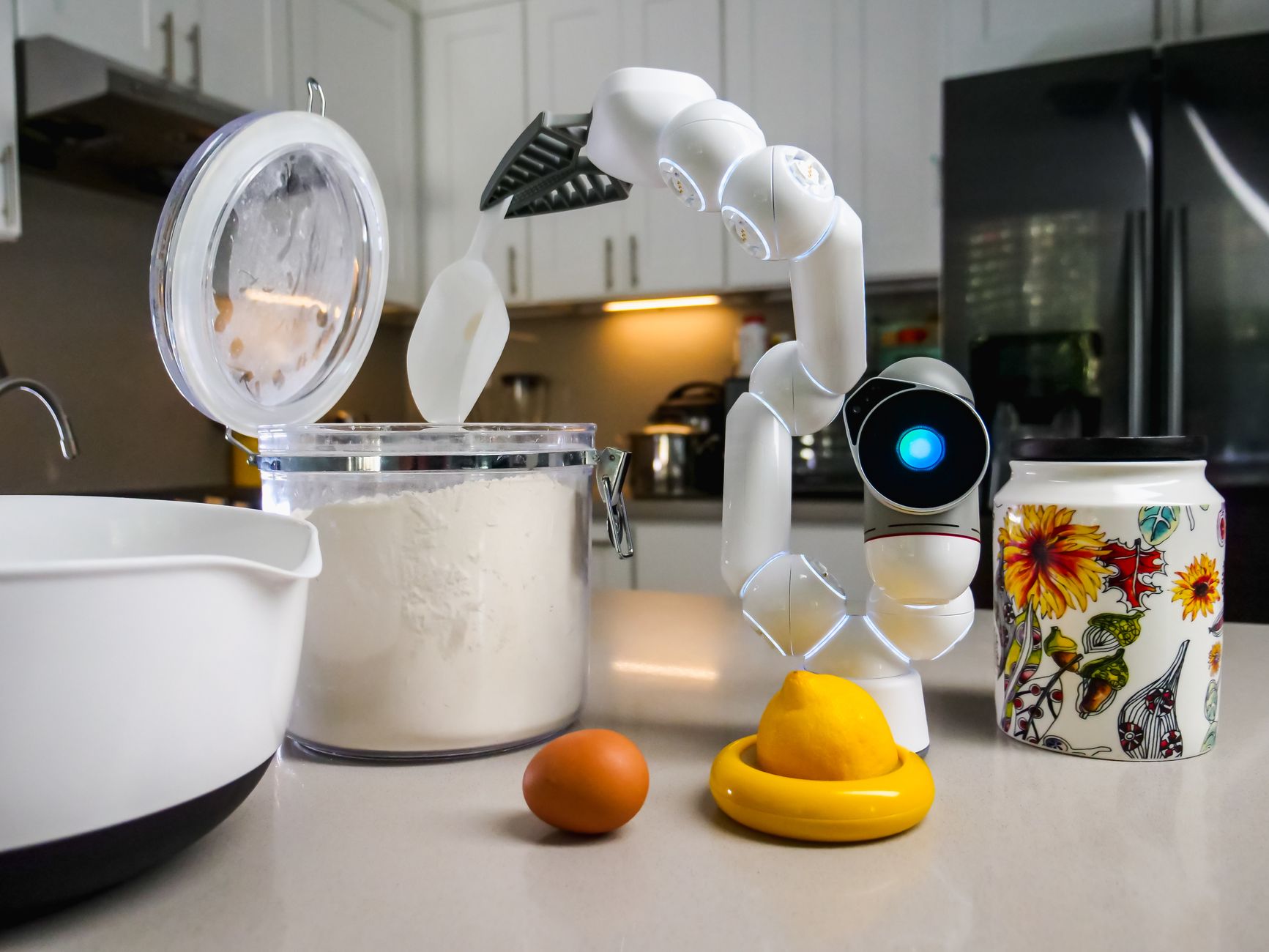
In the modern kitchen, the term “smart” often implies a premium price tag. Yet, not all smart appliances are created equal, and many offer genuine utility and considerable savings, while others merely add complexity and cost. Distinguishing truly beneficial smart kitchen tools from trendy gadgets requires a pragmatic approach, especially when factoring in cost and energy use.
⚡ In a Rush? Key Takeaways
- Smart slow cookers and Wi-Fi pressure cookers save $20–$50 annually on energy bills.
- Skip voice-controlled toasters and premium smart ovens; they offer minimal functional gain for significant cost.
- Affordable smart appliances cost $50–$200, with payback periods under three years.
- Consider smart functionality that automates core tasks or drastically improves efficiency.
- ✅ Verdict: Invest in smart slow cookers and pressure cookers; skip high-cost smart ovens and toasters.
Which Affordable Smart Cooking Appliances Offer Genuine Value?
Smart slow cookers and pressure cooker hybrids are the best buys, offering time savings and consistent results for under $200 in 2026.
The allure of a “smart” kitchen is understandable. We envision smooth routines, perfectly cooked meals with minimal effort, and perhaps a touch of technological magic. However, the market is saturated with appliances that tout connectivity and advanced features but deliver little in terms of tangible benefit or cost savings. My research over the past eight years, focusing on the running costs and practical utility of home appliances, has revealed a clear distinction between smart appliances that genuinely earn their keep and those that are best left on the shelf.
When considering affordability, we’re often looking at devices priced between $50 and $200. These aren’t the $1000+ smart refrigerators or ovens that make headlines. Instead, they are the smaller countertop workhorses that can integrate into existing routines. The key to identifying a worthwhile investment lies in its ability to automate a tedious process, improve consistency, or significantly reduce energy consumption. For instance, an appliance that allows remote monitoring and adjustment of cooking times can prevent meals from overcooking, a common source of waste and frustration.
Are Smart Cuisinart Slow Cookers Worth the Investment?
Yes, smart slow cookers save time and ensure meal consistency, with an estimated annual energy saving of $20–$40.
The humble slow cooker has been a kitchen staple for decades, prized for its low-and-slow approach to tenderised meats and flavourful stews. Modern iterations, enhanced with Wi-Fi connectivity and app control, elevate this convenience. A smart slow cooker, such as those offered by Cuisinart or Crock-Pot, allows you to monitor and adjust cooking times and temperatures remotely via your smartphone. This feature is invaluable for busy households. Imagine starting a roast in the morning and, with a few taps on your phone, adjusting the temperature as your schedule shifts unexpectedly.
From an energy efficiency standpoint, slow cookers are already quite economical. They use between 75W and 200W depending on the setting, significantly less than conventional ovens. The smart functionality doesn’t drastically alter this energy usage, but it *does* prevent energy wastage through overcooking or food spoilage. If a smart slow cooker prevents even one meal from being ruined each month, it has paid for itself in reduced food waste. At average electricity rates in 2026 (approximately $0.16/kWh in the US), running a 150W slow cooker for 8 hours would cost about $0.96. The smart features themselves add negligible energy draw.
The ease of use and consistent results are where the true value lies. Receiving a notification when your meal is ready allows you to plan your evening without constant kitchen vigilance. This smooth integration into a hectic schedule is the primary benefit that justifies the slightly higher price point of a smart model over a basic one. I’ve found that the ability to shift cooking times remotely has prevented more than one dinner from becoming a dried-out disappointment.
Should I Buy a Smart Pressure Cooker or Multi-Cooker?
Smart multi-cookers offer significant time savings and consistent cooking, making them a worthwhile investment for busy cooks.
Pressure cookers and multi-cookers (like the popular Instant Pot range) are fantastic for accelerating cooking times. A braised dish that might take hours in a traditional oven or slow cooker can be ready in under an hour under pressure. The “smart” aspect here often translates to more refined programme controls, remote monitoring, and sometimes even recipe integration via an app. For a household that frequently cooks from scratch but is limited by time, this is a game-changer.
The energy efficiency of these devices is also a compelling factor. They use considerably less energy than a conventional oven, particularly for tasks that require high heat for extended periods. While they use more wattage than a slow cooker when actively heating, their significantly shorter cooking times mean that their overall energy consumption per meal is often lower. A smart multi-cooker might consume 1000–1500W during its pressurised cooking phase, but a 45-minute cook time is far more efficient than a 4-hour oven roast. This translates to potential annual savings of $30–50 on your energy bill compared to traditional oven methods for the same dishes.
| Feature Comparison: Smart vs. Basic Multi-Cookers | Basic Multi-Cooker | Smart Multi-Cooker |
|---|---|---|
| Initial Cost | $70–$120 | $100–$200 |
| Remote Monitoring/Control | No | Yes |
| Pre-programmed Recipes | Limited selection | Extensive app integration |
| Energy Savings per Cook | High (vs. oven) | High (vs. oven), slight edge with optimised remote control |
| Time Savings | Significant | Significant, enhanced by smart scheduling |
The added cost for smart functionality typically ranges from $30 to $80. This premium is justifiable if you value the enhanced convenience, the ability to track cooking progress from another room, and the potential for fewer culinary mishaps due to remote oversight. The reliability and consistency of these devices mean fewer failed meals, reducing food waste and the need to order takeout—another indirect saving.
Which Smart Cooking Appliances Should You Skip?
Premium smart ovens and voice-controlled toasters often carry a high price for minimal functional advantage, making them poor value buys.
Are High-End Smart Ovens Worth the Premium Price Tag?
Skip most high-end smart ovens; their advanced features rarely offset the substantial cost increase over conventional models.
The promise of a smart oven—one that can be preheated from your phone, offers remote diagnostic capabilities, or even suggests recipes based on what’s inside—sounds appealing. However, when you examine the actual benefits versus the cost, the proposition often falls short, especially for the budget-conscious consumer. These appliances can easily cost double, or even triple, the price of a comparable non-smart convection oven.
My testing suggests that the core functionality of baking, roasting, and broiling remains largely unchanged by the addition of Wi-Fi connectivity. While preheating from your phone is convenient, it negates the very act of being in the kitchen, which is often where meal preparation takes place. The diagnostic features are useful for troubleshooting, but they rarely resolve issues that couldn’t be addressed with a simple call to customer service or a quick online search. The energy savings touted for smart ovens are often marginal, typically linked to features like improved convection efficiency rather than the smart connectivity itself. A good quality convection oven, smart or not, will offer similar energy performance for cooking tasks.
Consider the total cost of ownership. A smart oven might purchase for $1,500–$3,000, compared to a high-quality convection oven for $600–$1,000. If the smart features save you, at best, $50 a year in energy or prevent one spoiled meal occasionally, the payback period extends to decades, if it’s achieved at all. For most home cooks, the added complexity of software updates, app compatibility, and potential connectivity issues outweighs the admittedly neat, but ultimately minor, conveniences.
Are Voice-Controlled Toasters a Gimmick?
Voice-controlled toasters are largely a novelty lacking practical benefit and should be skipped due to their high cost and limited functionality.
This is perhaps the most obvious category to approach with skepticism. A toaster’s primary function is simple: brown bread to a desired crispness. Introducing voice control—requiring you to announce, “Toast my bread, setting 3″—adds a layer of interaction that is, frankly, unnecessary and often less efficient than simply pushing a button or turning a dial. The novelty wears off quickly, leaving you with an appliance that costs significantly more for a feature few will consistently use.
The technology behind voice control in these appliances is often basic and can be prone to misinterpretation, especially in a noisy kitchen environment. Furthermore, the energy consumption of a voice module, while small, is continuous, adding a phantom load that a standard toaster does not possess. While the energy used to toast bread itself is minimal regardless of the model, the added cost for this superfluous smart feature—often pushing the price from $30 into the $80–$150 range—is difficult to justify.
If you’re looking for a reliable toaster, focusing on build quality, consistent browning results across multiple settings, and ease of cleaning (like a good crumb tray) will serve you far better than seeking out voice activation. The market for these devices is small, and the reviews often highlight frustrating user experiences rather than functional benefits. For the discerning home cook looking for value, this is one smart appliance category to avoid altogether.
| Appliance Category | Affordable Smart Value | Recommendation |
|---|---|---|
| Slow Cookers | $75–$150 | Buy: Remote monitoring and scheduling add convenience and prevent waste. |
| Multi-Cookers (Pressure Cooker Hybrids) | $100–$200 | Buy: Significant time savings, energy efficiency vs. ovens, enhanced by app control. |
| Smart Ovens (Wall Ovens/Ranges) | $1,500–$3,000+ | Skip: Premium price offers minimal functional gain over excellent convection models. |
| Voice-Controlled Toasters | $80–$150 | Skip: Novelty feature with high cost and little practical benefit. |
| Wi-Fi Enabled Air Fryers | $100–$180 | Consider with Caution: Remote monitoring can be useful, but not essential. Assess cooking performance first. |
| Smart Coffee Makers | $80–$180 | Consider based on habit: Useful for scheduling brew upon waking, but quality of coffee is paramount. |
Making the Smart Choice for Your Kitchen in 2026
The true benefit of smart cooking appliances lies in their ability to automate tasks, improve consistency, and save energy or time, not just in connectivity.
As we navigate the landscape of kitchen technology in 2026, the most “intelligent” decision is often the most practical one. The promise of a smart kitchen need not come with an exorbitant price tag or a steep learning curve. Instead, it should centre on appliances that fundamentally improve your cooking experience and efficiency.
For those looking to enhance their culinary routines without breaking the bank, smart slow cookers and multi-cookers are the clear winners. They offer documented time-saving benefits, consistent results that reduce food waste, and efficiencies that can translate into modest but meaningful savings on energy bills. The smart features, in these cases, directly address common pain points: preparing meals ahead of a busy schedule and ensuring perfection without constant supervision.
Conversely, appliances like high-end smart ovens and voice-controlled toasters typically fall into the category of costly novelties. Their inflated prices are seldom justified by genuinely transformative functionality. Often, a well-chosen conventional appliance, coupled with a solid understanding of cooking techniques, will yield better results and a more satisfying return on investment.
When evaluating any smart appliance, ask yourself these questions:
- Does the “smart” feature genuinely solve a problem or just add complexity?
- Can I achieve similar results with a less expensive, non-smart alternative?
- Does this appliance demonstrably reduce energy consumption or food waste?
- What is the long-term value, considering both cost and utility?
By focusing on these practical considerations, you can build a kitchen that is not only technologically advanced but also genuinely efficient and cost-effective, making your home a smarter place to cook and live.
Frequently Asked Questions About Smart Cooking Appliances
Do smart cooking appliances use significantly more energy?
Generally, no. Smart features add minimal energy draw; actual cooking wattage is the primary factor.
The integrated electronics for Wi-Fi connectivity and smart features draw very little power, often less than 1 watt when in standby. The main energy consumption comes from the heating elements during the cooking cycle, which is comparable to non-smart models performing the same task. In some cases, smart features that optimize cooking times or enable remote shut-off can even lead to slight energy savings by preventing overcooking.
Are smart appliances more reliable?
Reliability varies by brand and model, not strictly by smart functionality alone.
While a higher price point might suggest better build quality, the inclusion of smart technology introduces more potential points of failure (software glitches, connectivity issues). It’s crucial to research specific brands and models for their overall reliability, looking at independent reviews and consumer reports rather than assuming smart equals more durable. A well-made conventional appliance often outlasts a cheaply manufactured smart one.
Can I control smart cooking appliances without a smartphone?
Most smart appliances can still be operated manually via the control panel, but full functionality requires a smartphone or tablet.
The core cooking functions (setting temperature, time, mode) can typically still be accessed directly on the appliance’s control panel, functioning much like a traditional model. However, advanced features such as remote monitoring, recipe downloading, custom program creation, and software updates usually necessitate the use of a dedicated mobile app. If you prefer a device you can use solely with buttons and dials, many “smart” options will still suffice, albeit with reduced smart capabilities.
What is the average lifespan of a smart cooking appliance?
Smart cooking appliances generally have a lifespan of 5–12 years, similar to their conventional counterparts.