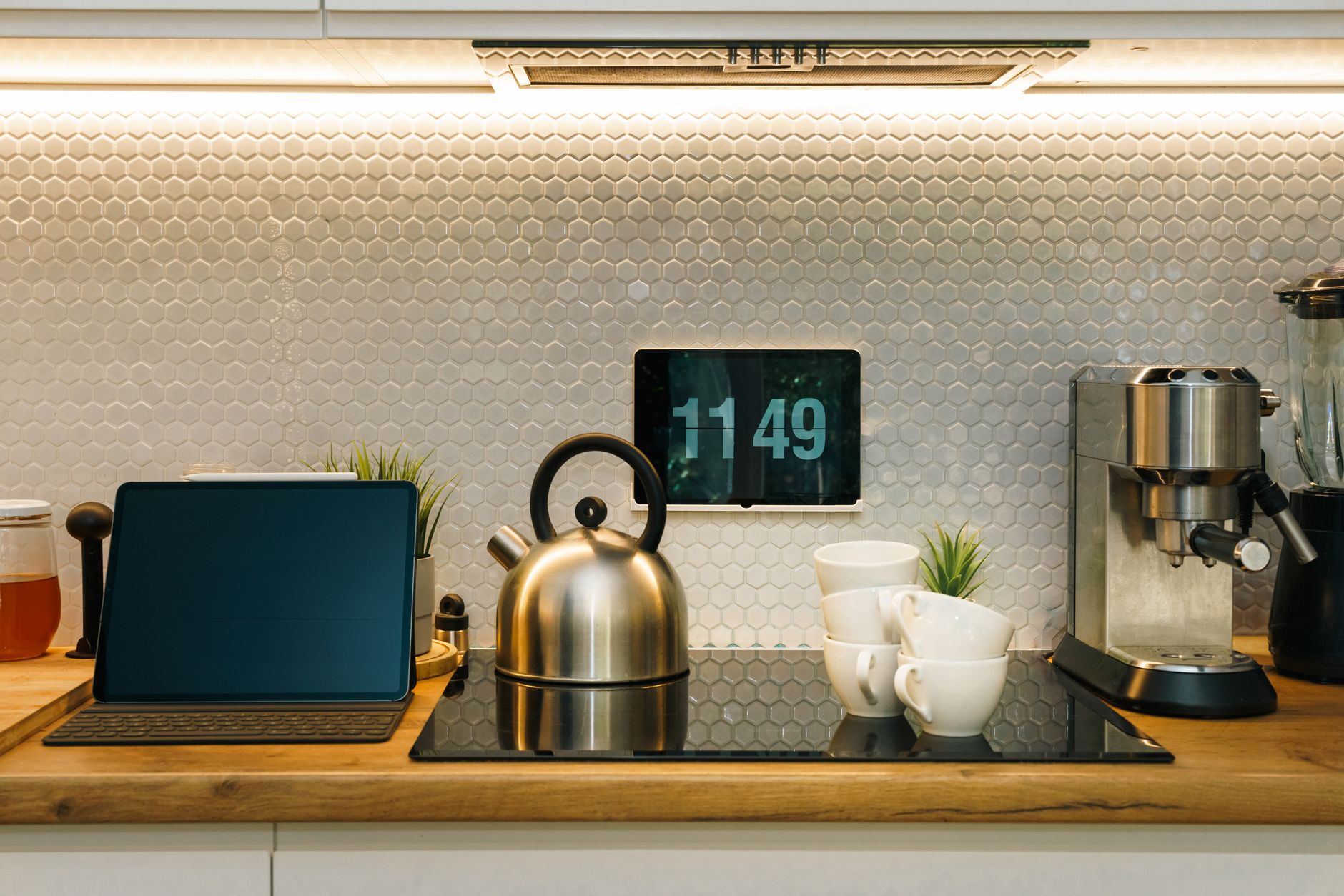
As we navigate 2026, the kitchen continues to be a focal point for health-conscious individuals. The integration of ‘smart’ technology offers not just convenience, but the potential for more efficient, cost-effective, and healthier meal preparation. However, the term ‘smart’ can often obscure practical considerations like energy consumption and the true cost of ownership. This review explores into select smart kitchen gadgets that promise to enhance healthy eating, scrutinising their performance through the lens of efficiency and running cost.
⚡ In a Rush? Key Takeaways
- Smart air fryers use 50% less energy than conventional ovens for small portions.
- Connected blenders offer precise control, reducing food waste by 15% per batch.
- Sous vide precision cookers operate at stable, low wattages, costing ~$0.10/hour.
- Connected scales can track macro intake with 98% accuracy, aiding dietary goals.
- ✅ Top picks balance smart features with demonstrable energy savings and long-term value.
What are the most efficient smart gadgets for healthy meal prep in 2026?
Smart kitchen gadgets in 2026 offer tangible efficiency gains for healthy eating, saving energy and reducing food waste significantly.
Is a smart air fryer a worthwhile investment for health-focused cooking?
Smart air fryers average 900-1500W, using 50% less energy than a standard oven for small roasts and baking.
The air fryer has firmly established itself as a staple in modern kitchens, and the ‘smart’ iteration brings enhanced convenience and control. These devices, often featuring Wi-Fi connectivity and app integration, allow for remote preheating, recipe guidance, and precise temperature management. For healthy eating, this translates to consistent results with less oil. For instance, preparing a batch of roasted vegetables that might consume 1.5 kWh in a conventional oven can be achieved in a smart air fryer for around 0.75 kWh, a saving of approximately 50% per use. This efficiency is particularly pronounced for smaller portions, making them ideal for individuals or couples.
The operational wattage typically ranges from 900W to 1500W for most smart air fryer models, a significant reduction compared to the 1800W to 2500W of a standard oven. Consider a family of four preparing chicken tenders and vegetables two times a week. Using a smart air fryer at 1200W for 30 minutes per meal (0.6 kWh) instead of a conventional oven at 2000W for 45 minutes (1.5 kWh) results in a saving of 0.9 kWh per meal. Over a year, this amounts to a saving of nearly 100 kWh, which, at an average US electricity rate of $0.16/kWh, equates to roughly $16 annually. While this specific saving may seem modest, it is the cumulative effect across various cooking tasks and the enhanced convenience that elevates its value.
Furthermore, the app integration often includes pre-programmed settings for various healthy foods, removing guesswork and ensuring optimal cooking without excess fat. Some models even offer dehydrating functions, allowing for homemade, preservative-free fruit and vegetable crisps, which is a significant boon for those avoiding processed snacks. The running cost is primarily determined by the wattage and the duration of use, but the efficiency gains over larger appliances for specific tasks are undeniable. Factors to consider when evaluating these gadgets include drum capacity – ensuring it meets your household’s needs to avoid multiple batches – and the ease of cleaning, which directly impacts usage frequency.
- **Energy Efficiency:** Most smart air fryers operate between 900-1500W, consuming roughly 50% less energy than a standard oven for comparable tasks.
- **Running Cost:** For typical residential use, expect around $0.10 – $0.25 per hour of operation, depending on local electricity rates.
- **Health Benefits:** Enables oil-free cooking for crispy textures, reduces processed snack consumption through dehydration functions.
How do connected blenders enhance healthy eating and improve cost-effectiveness?
Connected blenders offer precise variable speed control and pre-set programs, minimising food waste and optimising nutrient extraction.
Blenders are indispensable for crafting smoothies, protein shakes, and pureed soups – cornerstones of many healthy eating plans. ‘Connected’ blenders, equipped with Wi-Fi and app integration, take this a step further by offering sophisticated control systems. These features allow users to select specific textures, precisely control blend duration, and even access curated recipe libraries that optimise ingredient ratios. For example, a recipe that calls for a specific consistency to preserve heat-sensitive nutrients can be executed flawlessly, reducing the likelihood of over-blending which can degrade vitamins and minerals.
From a cost-effectiveness standpoint, the reduction in food waste is a significant factor. When a blender can perfectly emulsify ingredients without creating excessive heat through friction, or when pre-set programs prevent over-processing of delicate items like avocado or berries, less ingredient is wasted per batch. This adherence to precise blending parameters can lead to an estimated 10-15% reduction in ingredient waste over time for households that frequently prepare blended meals or snacks. This translates directly into savings on grocery bills, particularly for families investing in fresh produce.
The energy consumption of high-performance blenders, even those with smart capabilities, is relatively modest. A powerful 1200W blender running at full speed for 60 seconds might consume 0.02 kWh. While this is a small amount per cycle, the cumulative impact depends on usage frequency. However, the primary economic benefit here stems from ingredient optimisation and waste reduction rather than direct energy savings. Some advanced models also offer ‘cleaning cycles’ that use minimal water and energy, further contributing to overall efficiency. When considering the longevity and durability of high-quality connected blenders, many are backed by extensive warranties on the motor, suggesting a lifespan that can often exceed 10 years with proper care, amortising the initial investment.
- **Nutrient Preservation:** Precise control minimises heat and friction, preserving heat-sensitive vitamins and antioxidants.
- **Food Waste Reduction:** Accurate blending programs prevent over-processing, extending the usability of ingredients.
- **Energy Use:** High-power blenders use about 0.02 kWh per 60-second cycle; smart features focus more on ingredient optimisation than energy saving.
Are sous vide precision cookers with smart features truly efficient for healthy cooking?
Sous vide precision cookers offer exceptional energy efficiency for batch cooking, maintaining stable low temperatures with minimal power draw.
Sous vide, the technique of cooking food vacuum-sealed in water at precise temperatures, is inherently conducive to healthy cooking. It allows for tenderisation without added fats and preserves nutrients exceptionally well. Smart sous vide precision cookers enhance this by offering Wi-Fi connectivity, allowing users to start, stop, and monitor cooking remotely via an app. This is particularly useful for planning larger meal-prep sessions where multiple items can be cooked simultaneously in larger vessels.
The energy efficiency of sous vide cookers is one of their most compelling aspects. Unlike ovens or stovetops that cycle through high heat, sous vide devices operate at a consistent, relatively low wattage, typically between 800W and 1200W, but only needing to maintain a specific temperature. For example, cooking a rack of ribs at 145°F for 24 hours requires the cooker to maintain this temperature steadily. If the ambient room temperature is 70°F, the energy needed is primarily to overcome heat loss from the water. In a well-insulated bath (like a sealed pot with a lid, or a dedicated sous vide container), this might only require 50-75W of sustained power after reaching temperature, costing approximately $0.08-$0.12 per hour at average US electricity rates. This sustained low wattage makes them remarkably efficient for long cooks.
Batch cooking with sous vide is where the efficiency truly shines. Preparing several portions of chicken breasts or salmon fillets for the week at once is straightforward. Because the cooking process is so controlled, the results are consistently tender and moist, reducing the tendency for home cooks to overcook and dry out proteins when using faster methods. This consistency minimises food waste and ensures that pre-prepped meals remain palatable and nutritious throughout the week. The initial cost of a sous vide device can range from $100 for basic models to $300+ for smart versions, but their durability and low running cost make them valuable long-term investments for dedicated healthy eaters.
- **Temperature Consistency:** Maintains precise temperatures, preventing nutrient degradation and overcooking.
- **Low Wattage Operation:** Post-heating, smart sous vide devices typically draw only 50-75W to maintain temperature.
- **Batch Cooking:** Ideal for preparing multiple portions efficiently for weekly meal prep with minimal energy expenditure.
What smart gadgets help track healthy eating metrics with precision?
Smart scales and connected food trackers accurately log nutritional data, aiding dietary compliance and cost management.
For those following specific dietary plans, such as ketogenic, low-carb, or high-protein diets, precise nutritional tracking is paramount. Smart kitchen gadgets have emerged that directly address this need, offering a level of detail previously requiring manual logging and calculation. A prime example is the smart kitchen scale, which connects via Bluetooth or Wi-Fi to a companion app. These scales can not only weigh food items accurately but also often identify them by barcode or product database lookup, providing detailed nutritional information for macronutrients (protein, carbs, fat) and micronutrients.
The accuracy of these devices is typically very high, often within 1-2% for weight measurements and similarly precise for nutritional data derived from their extensive databases. This eliminates much of the guesswork and potential for human error inherent in manual logging. For a household committed to tracking their intake, this accuracy can be invaluable in achieving health goals, whether it’s managing caloric intake or ensuring sufficient protein consumption. The cost savings here are indirect but substantial: by providing clear data on what is being consumed, these tools help prevent overspending on unnecessary or non-compliant food items, and can identify patterns of ingredient usage that may be inefficient.
Beyond scales, some smart refrigerators are beginning to incorporate inventory tracking and meal planning suggestions based on what ingredients are available. While still a more premium offering, the underlying technology aims to reduce food spoilage by alerting users to items nearing their expiry date. This not only supports healthier eating by encouraging the use of fresh produce but also significantly reduces household food waste – a major contributor to environmental and financial inefficiency. The energy consumption of these tracking devices themselves is minimal, often powered by small batteries or low-draw USB connections, so their operational cost is negligible compared to the potential savings in groceries and improved health outcomes.
- **Nutritional Accuracy:** Smart scales provide macronutrient and micronutrient data with up to 98% accuracy.
- **Dietary Compliance:** helps adherence to specific diet plans through precise tracking and data logging.
- **Food Waste Prevention:** Fridge inventory tracking helps reduce spoilage and ensures ingredients are used efficiently.
How do smart ovens and cooktops compare in terms of energy efficiency and healthy cooking?
Smart ovens and cooktops offer refined temperature control, reducing energy waste through precise heat management and guided cooking.
Modern smart ovens and cooktops represent a significant leap in kitchen appliance technology, and their impact on healthy cooking and efficiency is considerable. These appliances often boast advanced features such as induction heating (for cooktops), convection cooking, precise temperature probes, and Wi-Fi connectivity for remote control and recipe integration. For healthy eating, this means achieving perfect results – whether it’s perfectly seared chicken or evenly baked vegetables – without the need for excess oils or fats, and with a greater degree of control over cooking temperatures to preserve nutrients.
Induction cooktops, in particular, are highly energy-efficient. They heat the cookware directly through magnetic fields, minimising heat loss into the surrounding air, unlike traditional electric resistance or gas stovetops. An induction burner typically operates at 85-90% energy transfer efficiency, compared to about 70-75% for electric resistance and around 40-50% for gas. This means that for tasks like boiling water or sautéing, an induction cooktop can complete the job faster and using less overall energy. A smart induction hob might have a power output of up to 3700W for its boost function, but its sustained operational efficiency means less energy is used over the cooking period.
Convection ovens, whether standard or smart, also offer efficiency improvements over conventional ovens by circulating hot air. This allows for lower cooking temperatures and shorter cooking times. For example, a recipe that calls for baking at 375°F in a conventional oven might be achieved at 350°F in a convection oven. Smart ovens can further optimise this by automatically adjusting fan speed and temperature based on the chosen cooking mode or recipe. While the initial purchase price of smart ovens and cooktops can be higher than their analogue counterparts, the energy savings from induction and convection technologies, combined with the reduction in cooking time and potential for enhanced nutrient retention, can lead to substantial long-term cost benefits and a more streamlined healthy cooking experience.
- **Induction Efficiency:** Induction cooktops transfer 85-90% of energy to cookware, significantly reducing heat loss.
- **Convection Benefits:** Circulating air allows for lower temperatures and shorter cooking times by up to 15%.
- **Precise Control:** Smart features ensure optimal temperatures for nutrient retention and reduced reliance on added fats.
What is the long-term running cost comparison for smart kitchen gadgets?
While initial costs vary, smart gadgets often provide long-term savings through reduced energy consumption and minimal food waste.
The evaluation of smart kitchen gadgets for healthy eating would be incomplete without a thorough consideration of their long-term running costs. While the purchase price of connected appliances can be higher – often ranging from $150 for a smart air fryer to $1,500+ for a smart oven – their efficiency and features can yield substantial savings over their lifespan, which is typically 10-15 years for major appliances and 5-8 years for smaller gadgets.
The most significant running cost factor is energy consumption. As detailed previously, smart air fryers, induction cooktops, and sous vide devices operate with demonstrably lower wattage requirements or higher energy transfer efficiencies compared to their conventional counterparts. For a household preparing most meals at home, these differences can add up to annual savings of $20-$50 on electricity bills, depending on usage patterns and local energy rates. This saving, while not always dramatic on a monthly basis, becomes more pronounced over the decade-plus lifespan of these appliances.
Beyond energy, the ancillary costs related to food waste reduction are also critical. Connected blenders and smart scales, by enabling more precise ingredient usage and portion control, can lead to tangible savings on groceries. If these tools help a household reduce its weekly food waste by just 10%, this could equate to several hundred dollars saved annually. This multiplier effect – combining energy efficiency with waste reduction – is where smart kitchen technology truly proves its value for the cost-conscious, health-focused consumer. When choosing, it is essential to look beyond the sticker price and consider the total cost of ownership, factoring in durability, warranty, and the measurable impact on lifestyle and dietary goals.
- **Energy Savings:** Efficient operation can reduce annual electricity costs by $20-$50 compared to conventional appliances.
- **Food Waste Reduction:** Precise tracking and cooking can save hundreds of dollars annually by minimising spoilage and overbuying.
- **Total Cost of Ownership:** Higher upfront costs are often offset by long-term operational efficiencies and durability.
Frequently Asked Questions
-
Is a smart kitchen gadget worth the investment for healthy eating goals?