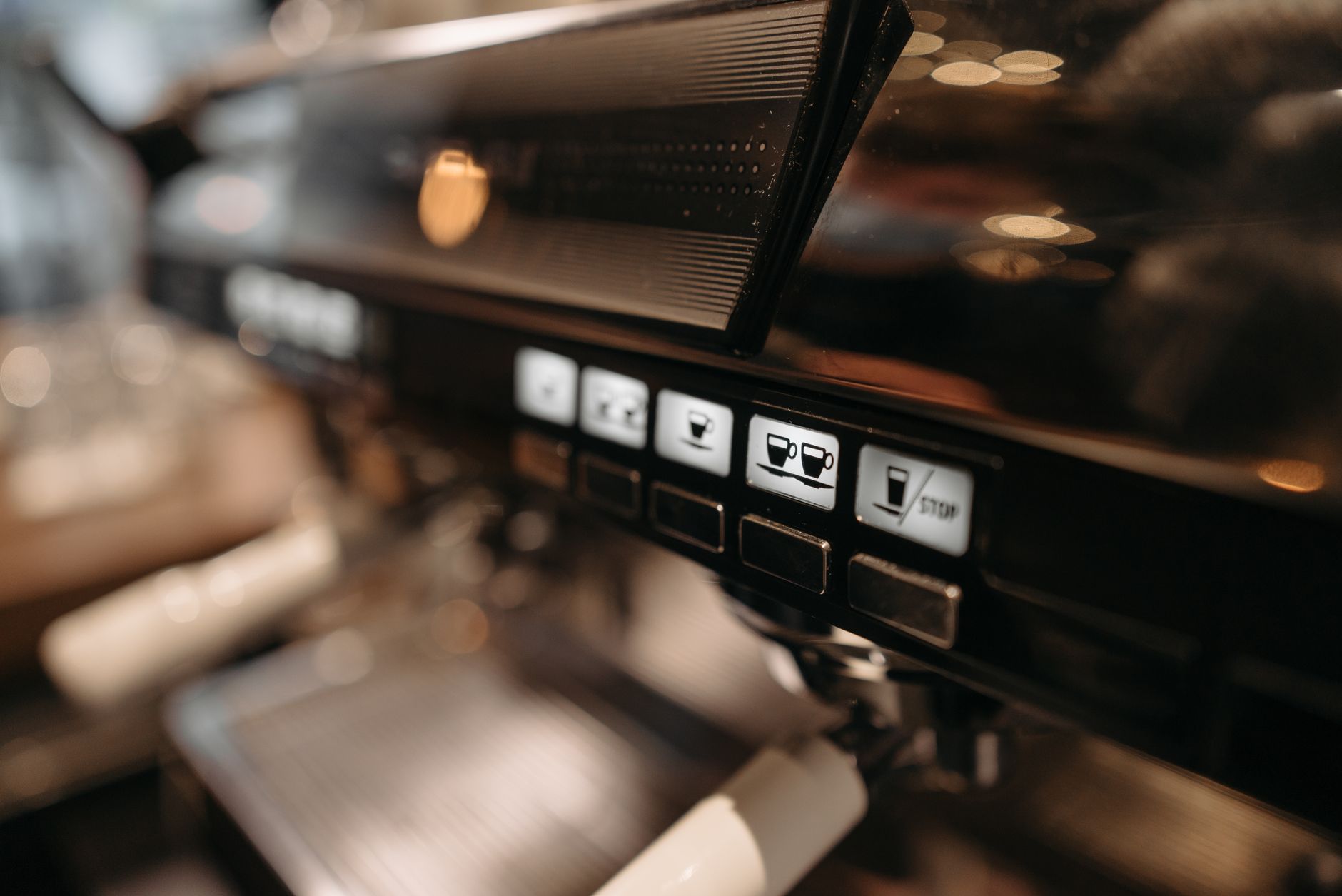
A great cup of coffee can set the tone for an entire day, and for many of us, the convenience of a programmable coffee maker is non-negotiable. Waking up to the aroma of freshly brewed coffee, ready the moment you step into the kitchen, is a simple luxury that significantly enhances the morning routine. But with so many models available, how do you discern which brewer offers not just convenience, but also superior brewing performance, lasting durability, and true value over time?
⚡ In a Rush? Key Takeaways
- Programmable models offer 1-4 cup options, brew strength adjustments, and timers.
- Average cost per cup ranges from $0.15 to $0.35, depending on coffee and electricity rates.
- Durability varies: expect 3-7 years for budget models, 7-10+ for premium units.
- Ninja CE251 and Ratio Six emerge as top contenders for balance and performance.
- ✅ Best Value: Ninja CE251 offers top-tier features at a mid-range price.
How Does a Programmable Coffee Maker Simplify Mornings?
Programmable coffee makers offer timed brewing, adjustable strength, and brew size options for ultimate morning convenience and customization.
What are the essential programming features to look for?
The primary allure of a programmable coffee maker lies in its ability to automate the brewing process. At its core, a programmable timer is the most sought-after feature, allowing you to set a specific time for your coffee to begin brewing, typically up to 24 hours in advance. This means you can wake up to the delightful aroma of fresh coffee without any effort required at that precise moment. Beyond simple timing, many advanced models offer adjustable brew strength settings. This feature allows you to tailor the coffee to your preference, whether you desire a bolder, more intense brew to kickstart your day or a milder cup for a gentler awakening. Some machines even allow you to select the brew size, offering options from a single cup to a full 12-cup carafe, providing flexibility for households with varying coffee consumption needs.
How do brew strength and temperature settings impact flavour?
Brew strength and temperature are not merely bells and whistles; they directly influence the final taste in your cup. Adjustable brew strength typically works by controlling the saturation time of the coffee grounds. A longer saturation time generally results in a bolder, richer flavour profile, while a shorter time yields a milder cup. The temperature at which coffee is brewed is equally critical. The Specialty Coffee Association of America (SCAA) recommends a brewing temperature between 195°F and 205°F (90°C to 96°C). Temperatures below this range can result in under-extracted, sour coffee, while temperatures significantly above can lead to over-extraction and a bitter taste. Higher-end programmable models often achieve optimal temperature control, ensuring a consistently delicious brew.
When evaluating brew strength, consider how this aligns with your personal coffee preferences. If you frequently find yourself needing an extra jolt, a machine with a potent ‘bold’ setting will be invaluable. Conversely, if you prefer a smoother, lighter taste, ensure the machine offers a mild or regular option that doesn’t over-extract. The temperature control is a more technical aspect, but one that separates truly excellent coffee makers from satisfactory ones. Look for indications that the machine maintains the ideal temperature throughout the brewing cycle.
What is the actual cost of running a coffee maker per cup?
The cost per cup for a programmable coffee maker typically ranges from $0.15 to $0.35, factoring in coffee grounds, filters, and electricity expenses.
Estimating the cost per cup for a programmable coffee maker involves several calculations, but it’s essential for understanding the long-term value. The primary expense, of course, is the coffee grounds themselves. The amount used varies by personal preference and machine settings, but a common guideline is 1-2 tablespoons of grounds per 6 ounces of water. High-quality specialty coffee beans can range from $10 to $20 per pound, with a pound yielding roughly 30-40 tablespoons of grounds. This alone can add $0.25 to $0.65 per cup, depending on the coffee’s quality and how much you use.
Next, consider electricity. A standard drip coffee maker uses approximately 1,000–1,500 watts while brewing and maintains an element to keep the carafe warm, consuming about 0.1–0.2 kWh per hour for warming. For a typical 12-cup brew cycle that takes about 10 minutes, the energy cost for brewing alone might be around $0.02–$0.04 at average US electricity rates of $0.16 per kWh. If the warming plate is active for an hour, add another $0.16–$0.32. Filters also add a small amount, typically $0.05–$0.10 per brew cycle for disposable paper filters, or negligible cost for reusable metal filters. Therefore, the total electricity and filter cost per cup is often between $0.07 and $0.20.
The true cost per cup, therefore, is a combination of coffee bean expenses and operational costs. If you use an average amount of quality beans and run the machine for its brewing cycle without prolonged warming, your total per-cup cost could realistically fall in the $0.30 to $0.55 range.
| Cost Factor | Typical Range (US Rates) | Notes |
|---|---|---|
| Coffee Beans (per 6oz cup) | $0.25 – $0.65 | Assumes 1.5 tbsp grounds per cup, $15/lb beans |
| Electricity (Brewing, 10 min) | $0.02 – $0.04 | At $0.16/kWh, 1200W brewer |
| Warming Plate (1 hour) | $0.16 – $0.32 | At $0.16/kWh, 100W element |
| Filter (Disposable Paper) | $0.05 – $0.10 | Cost per brew cycle |
| Total per Cup (Warming Included) | $0.48 – $1.11 | This is a broad estimate; actual costs vary greatly. |
What Brands Excel in Programmable Coffee Maker Durability and Performance?
Ninja CE251 and Ratio Six are leading performers, balancing advanced programmable features with robust construction for long-term use.
How does the Ninja CE251 balance features and affordability?
The Ninja 12-Cup Programmable Coffee Maker CE251 has consistently earned praise for delivering a remarkable balance of advanced features and an accessible price point. Wirecutter highlights it as a top budget drip model that produces a balanced, hot brew. Its programmability includes a 24-hour delay brew function, allowing you to prepare your coffee the night before for a smooth morning. It also offers two distinct brew styles: Classic and Rich, catering to different taste preferences. The adjustable hot plate is another thoughtful addition, ensuring your coffee stays warm without scorching, a common issue with less sophisticated models. Its 60 oz water reservoir means fewer refills for larger households, and the 12-cup capacity is standard for family use.
The build quality of the Ninja CE251 is commendable for its price range. While not constructed from premium materials like brushed stainless steel found on high-end units, its plastic construction is solid and designed for daily use. The permanent filter is a plus, reducing ongoing costs associated with disposable paper filters and offering an eco-friendlier option. Its design is straightforward, making it intuitive to operate even without extensive instruction. For households looking for dependable performance with smart features without breaking the bank, the CE251 stands out as a practical and capable choice. It effectively bridges the gap between basic coffee makers and high-end, often complex, machines, making it a compelling option for many.
What makes the Ratio Six a premium programmable choice?
The Ratio Six coffee maker distinguishes itself through a meticulous engineering approach focused on replicating the precision of manual brewing in an automated package. It’s not just about programming a timer; it’s about optimising every facet of the brewing process. The machine features a proprietary showerhead design that aims to evenly saturate the coffee grounds, ensuring optimal extraction. It precisely controls water temperature, maintaining it within the ideal 195°F to 205°F range throughout the brew cycle. The Ratio Six also includes a ‘bloom’ phase, a brief pause at the start of brewing designed to allow grounds to de-gas, which can enhance flavour complexity.
Durability is a hallmark of Ratio machines. The Ratio Six is constructed with high-quality materials, including stainless steel and borosilicate glass. This robust build not only contributes to its longevity but also imparts a sophisticated aesthetic that complements modern kitchens. The design prioritizes ease of use, with simple controls that activate the brewing sequence and a minimal interface that avoids unnecessary complexity. While its price point places it in the premium segment, the investment is justified by its exceptional brewing performance, premium materials, and expected lifespan, which often significantly outpaces that of more budget-friendly alternatives.
Are there other programmable coffee makers worth considering?
Beyond the Ninja CE251 and Ratio Six, several other programmable coffee makers offer compelling features for specific needs. The Bonavita Connoisseur 8-Cup One-Touch Coffee Maker, while not always featuring a programmable timer, is lauded for its excellent brew temperature and showerhead design, focused on optimal extraction. If programmability is a must, they also offer models with this feature. For those prioritizing capacity, the Cuisinart 14-Cup Programmable Coffee Maker offers a larger brew size, often at a competitive price, and includes features like brew-pause and a stainless steel carafe. Hamilton Beach is another brand that frequently appears in budget-friendly categories, offering programmable models with delay brew functions that are serviceable for everyday use, though they may lack the advanced temperature control or brew strength options of higher-end machines.
When considering these alternatives, it’s important to weigh the trade-offs. Some budget-friendly options might sacrifice build quality or advanced temperature control for lower cost. Conversely, higher-end machines might offer superior brewing but come with a significant price premium. It is always advisable to check recent reviews and warranty information, as manufacturers sometimes update models or their reliability can vary. For example, even reliable brands can have specific models with reported issues that are worth noting before purchase.
What Factors Influence a Programmable Coffee Maker’s Durability?
Durability of programmable coffee makers hinges on materials, component quality, and proper maintenance, typically yielding 3-7 years for budget models and 7-10+ for premium ones.
How do build materials affect a coffee maker’s lifespan?
The materials used in the construction of a programmable coffee maker play a significant role in its overall durability and lifespan. High-end machines, like the Ratio Six, often feature brushed stainless steel exteriors and interiors, borosilicate glass carafes, and robust internal components. Stainless steel is resistant to rust, corrosion, and staining, making it ideal for the demanding environment of a coffee maker. Borosilicate glass carafes are less prone to thermal shock than standard glass, reducing the risk of breakage from sudden temperature changes. These premium materials not only contribute to a longer operational life but also maintain their aesthetic appeal over time.
Lower-cost models typically rely more heavily on plastics. While modern plastics can be durable, they are more susceptible to cracking, warping, or becoming brittle over time, especially when exposed to repeated heat cycles. The quality of the plastic, its thickness, and the design of the enclosure dictate how well it withstands daily use, accidental bumps, or cleaning routines. Internal components, such as heating elements, pumps, and sensors, are also critical. Even with a durable exterior, a coffee maker with a low-quality heating element or a flimsy pump mechanism will likely fail sooner, regardless of the programming features it boasts. a machine constructed with fewer parts, and those parts being of higher quality, generally tends to be more durable.
What is the typical warranty and expected lifespan?
The warranty offered on a programmable coffee maker can be a strong indicator of the manufacturer’s confidence in its durability. Budget-friendly models might come with a limited one-year warranty, suggesting an expected lifespan of around three to five years with regular use. Mid-range machines, such as the Ninja CE251, often offer a three-year warranty, aligning with an anticipated lifespan of five to seven years. Premium brewers, like those from Ratio or some high-end models from brands like Breville (though often focusing on espresso), may extend warranties to five years or even longer, indicating an expected service life of seven to ten years, or potentially more with diligent care.
It is crucial to thoroughly read the warranty terms and conditions. Some warranties may exclude certain components or require specific maintenance procedures to remain valid. Beyond the stated warranty period, the actual lifespan of a coffee maker is influenced by factors such as usage frequency, the hardness of your water, and how diligently you perform recommended maintenance. A machine that’s used multiple times a day in a household with hard water will likely have a shorter lifespan than one used once daily with filtered water and regular descaling, regardless of its initial build quality.
How does regular maintenance impact longevity?
Regular maintenance is indispensable for maximizing the lifespan of any programmable coffee maker. The most critical maintenance task is descaling. Coffee makers, especially those used with hard water, accumulate mineral deposits (scale) over time. This scale can clog internal tubing, reduce water flow, lower brewing temperatures, and eventually damage the heating element. Most manufacturers recommend descaling every 1–3 months, depending on water hardness and usage. Using a descaling solution or a vinegar-water mixture, followed by several rinse cycles with fresh water, effectively removes these deposits.
Cleaning the carafe, brew basket, and any removable filters after each use is also essential. Coffee oils can build up, leading to rancid flavours and potentially contributing to internal clogs. For machines with external components, wiping them down regularly with a damp cloth helps maintain their appearance and prevents build-up of coffee splashes or dust. For models with showerheads or specific water distribution systems, ensuring these are free of coffee grounds or mineral deposits is key to maintaining proper water flow and even saturation during the brewing process. Neglecting these simple cleaning steps can lead to decreased performance and a shortened operational life.
Steps for Effective Descaling:
- Empty the coffee maker and remove any used grounds or filters.
- Prepare a descaling solution: typically a 1:1 mixture of white vinegar and water, or a commercial descaling solution diluted according to instructions.
- Fill the water reservoir with the descaling solution.
- Run a full brew cycle with the descaling solution, discarding the brewed liquid.
- Discard any remaining solution in the reservoir.
- Run 2-3 full brew cycles with fresh, clean water to thoroughly rinse out any residual descaling solution and vinegar smell.
Frequently Asked Questions About Programmable Coffee Makers
-
What is the best coffee maker for someone who wants a strong brew?
For a strong brew, look for machines with adjustable brew strength settings or ‘bold’ options, alongside precise temperature control for optimal extraction.
-
Are thermal carafes better than glass for programmable coffee