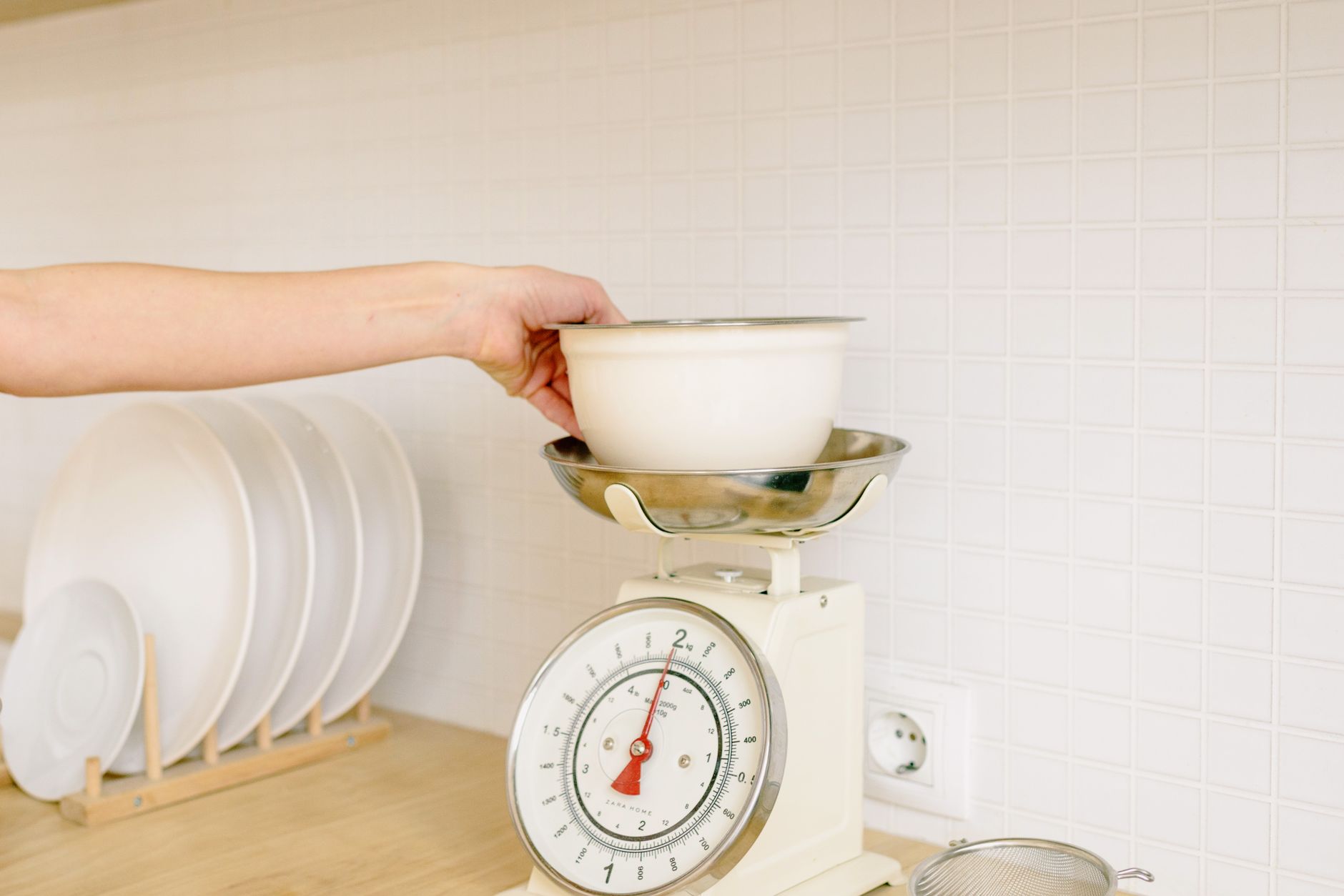
A kitchen scale has become an indispensable tool for home cooks seeking precision, particularly in the precise world of baking. As culinary habits evolve and technology integrates further into our kitchens, the demand for scales offering app connectivity has grown. But what features truly enhance the cooking experience, and which are merely digital embellishments?
⚡ In a Rush? Key Takeaways
- Kitchen scales in 2026 range from $20 for basic models to over $100 for smart versions.
- Dedicated cooking apps offer nutritional tracking, recipe scaling, and conversion tools.
- Accuracy to 1 gram is crucial for baking; higher precision scales often cost more.
- Bluetooth connectivity is vital for smooth app pairing.
- ✅ Best choice: a scale with accurate readings, intuitive app, and robust build.
What Makes a Kitchen Scale with App Connectivity Worthwhile in 2026?
The value of a smart kitchen scale lies in its ability to integrate precise measurements with digital data management for cooking and nutrition tracking.
In 2026, the kitchen scale has evolved beyond a simple weighing instrument. For those who bake with precision, follow specific dietary plans, or simply wish to meticulously track their food intake, scales with app connectivity offer a compelling upgrade. These devices promise to streamline workflows, provide valuable data insights, and potentially elevate your culinary results. However, not all smart scales deliver on this promise equally, and understanding the core functionalities that contribute to true utility is paramount.
Why Integrate an App with Your Kitchen Scale?
App integration transforms a simple scale into a nutritional database and recipe assistant, offering convenience and data accuracy.
The primary appeal of app-connected kitchen scales is the smooth transfer of data. Instead of manually logging ingredients or trying to recall precise weights, the scale’s app can record everything directly. This is particularly advantageous for managing recipes, portion control for specific diets (like keto, paleo, or low-carb), or general nutritional tracking. The app can often access vast databases of common foods, providing detailed macronutrient breakdowns (calories, protein, fats, carbohydrates) for the exact weight of an ingredient you’ve measured.
Consider a baker meticulously working on a new gluten-free pastry. They can weigh each component (flour, butter, sugar, eggs) and have the app instantly calculate the total weight, the percentage of each ingredient, and even potential substitutions if needed. This data-driven approach can lead to more consistent results and a deeper understanding of how ingredient ratios affect texture and flavour. For athletes or individuals with specific health goals, this level of detail is invaluable for hitting macro targets.
What Level of Accuracy is Essential for Home Cooking?
Accuracy to 1 gram is essential for baking; higher precision scales offer finer measurements but come at an increased cost.
For most home cooking, particularly where precise measurements are critical like in baking or specific dietary tracking, a scale with an accuracy of at least 1 gram is non-negotiable. This means that when you place an ingredient on the scale, it should register even minute changes to the nearest gram. Scales that only measure to 5 or 10 grams will not suffice for tasks requiring exactitude. For instance, a recipe calling for 5 grams of yeast or 8 grams of a specific spice will be significantly impacted if measured inaccurately.
The capacity of the scale also plays a role in accuracy. While a scale might be accurate to 1 gram, its maximum capacity might be limited. If you frequently measure large quantities, ensure the scale’s maximum weight (often around 5kg or 11 lbs) is sufficient. Some scales offer dual precision, measuring small quantities to 0.1 grams (useful for microscopic amounts of ingredients or even jewellery) and larger quantities to 1 gram. However, for standard kitchen use, 1-gram accuracy across a reasonable capacity is the benchmark to aim for. Serious Eats highlights models that maintain this crucial precision.
Understanding Connectivity: Bluetooth vs. Wi-Fi
Bluetooth offers reliable pairing for direct app connection on a smartphone, while Wi-Fi scales can support cloud-based data syncing.
When selecting a scale with app connectivity, the method of connection is a key consideration. Most consumer-grade smart kitchen scales use Bluetooth. This technology provides a direct, stable connection between the scale and your smartphone or tablet. It’s generally straightforward to pair, and once connected, data transfers are typically fast and efficient. Bluetooth is ideal because it doesn’t require a Wi-Fi network in the kitchen, making it convenient for a wider range of users without complex setup.
Wi-Fi connectivity is less common in kitchen scales for direct weighing but can be found in more advanced units or those that focus on broader smart home integration. A Wi-Fi enabled scale might sync data directly to the cloud without needing a phone nearby, which can be useful if you want to access your data from multiple devices or a web dashboard. However, Wi-Fi setup often involves more steps and relies on having a stable network signal in your kitchen. For most users, Bluetooth offers the best balance of convenience, reliability, and ease of use for typical kitchen scale applications.
Key Features to Prioritize in a Smart Kitchen Scale
Prioritize accuracy to 1g, Bluetooth connectivity, durable materials, and an intuitive app with a complete food database.
Choosing a kitchen scale that integrates with an app can significantly enhance your cooking precision and dietary tracking. However, the market presents a variety of options, each with its own set of features. To make an informed decision, it’s wise to focus on the attributes that contribute most to functionality and longevity, rather than being swayed by every optional digital enhancement. The following sections explore into the essential aspects that truly matter for a discerning home cook.
Durability and Material Quality
Stainless steel surfaces are preferred for durability and ease of cleaning, while tempered glass offers a sleek aesthetic.
A kitchen scale, especially one frequently used, needs to withstand the rigours of daily culinary activity. Look for scales constructed with high-quality materials. Stainless steel surfaces are an excellent choice for their robustness, resistance to stains, and ease of cleaning. They hold up well against spills, heat, and general wear and tear. Many of the higher-end models, like those considered by Wirecutter, feature stainless steel platforms, which not only look professional but are also hygienic.
Tempered glass is another common material for scale surfaces. While aesthetically pleasing and easy to wipe down, tempered glass can be more prone to chipping or breaking if heavy items are dropped on it, or if the scale is subjected to impact. Plastic components are typically found in entry-level models. While functional, they may not offer the same longevity or feel as premium materials. Consider how you tend to use your kitchen; if you’re prone to dropping utensils or heavier items, a scale with a reinforced surface is a prudent investment.
User Interface and Display Readability
A clear, backlit display that can be read from multiple angles is crucial, especially when using large mixing bowls.
Even with sophisticated app connectivity, the scale’s on-device display remains critical. You need to be able to quickly and easily read measurements, especially when working with large mixing bowls or pans that might obscure the display. Look for scales with a clear, bright, and preferably backlit digital display. Some models feature displays that can be detached or extended outwards, allowing you to keep the weight visible even when large items are on the weighing surface. This feature, highlighted by Serious Eats with the OXO Good Grips model, is surprisingly practical for avoiding guesswork and ensuring accuracy.
The user interface on the scale itself should be intuitive. Basic functions like turning the scale on/off, zeroing out (taring), and switching between measurement units (grams, ounces, pounds, milliliters) should be straightforward and responsive. A scale that requires fumbling with confusing buttons or a complex on-device menu will detract from the cooking experience, regardless of its smart capabilities. The app’s interface is equally important, which we’ll discuss later.
Battery Life and Power Options
Long-lasting battery life, preferably with rechargeable USB options, minimizes interruptions during cooking tasks.
The convenience of a smart scale can be significantly undermined by poor battery life. Most scales typically use standard AA or AAA batteries. While these are easily replaceable, frequent replacement can be both inconvenient and an ongoing cost. Many modern smart scales are moving towards rechargeable battery packs, often charged via a USB-C port. This is a highly desirable feature, as it allows you to easily recharge the scale using the same cables you use for your phone or tablet, and typically offers many hours or weeks of use on a single charge.
Consider the typical usage patterns. If you bake weekly or use the scale daily for portion control, a scale with a long-lasting rechargeable battery or readily available standard batteries is essential. Some scales may also offer AC adapter ports, which can be a good option if you have a dedicated spot where the scale is always used and can remain plugged in, though this is less common and often sacrifices portability. Aim for a scale that promises at least 50-100 hours of use per charge or set of batteries. Power efficiency is a key differentiator between basic and advanced models.
Evaluating the App: Functionality and Data Management
The effectiveness of a smart scale hinges on its app’s ability to accurately track nutrition, manage recipes, and offer useful conversions.
While the physical scale is crucial for accurate measurements, the true intelligence of a smart kitchen scale resides in its accompanying application. The app is where your measurement data transforms into actionable insights, making the ‘smart’ aspect genuinely valuable. A well-designed app can be a powerful ally in the kitchen, while a poorly implemented one can quickly become a frustration, rendering the connectivity feature moot. It’s essential to consider the app’s capabilities as thoroughly as the scale’s hardware.
Nutritional Tracking Features
Apps should offer detailed macronutrient breakdowns (calories, protein, carbs, fat) for a wide variety of foods.
For many users, the primary draw of a connected scale is its ability to track nutritional information. The best apps integrate with extensive food databases, allowing you to weigh an ingredient and instantly see its caloric content, along with breakdowns of protein, carbohydrates, and fats. This is invaluable for individuals managing their weight, athletes monitoring their intake, or anyone aiming for a healthier diet. Look for apps that allow you to manually add custom foods if your specific ingredients aren’t in their database, and that provide accurate data based on USDA standards or reputable sources.
Beyond basic tracking, some apps offer advanced features such as calculating meal totals, setting daily nutritional goals, and even providing progress reports over time. The ease with which you can search for foods, add them to your log, and review your daily intake is a testament to the app’s user-friendliness. A clunky search function or limited food library can quickly negate the benefits of digital tracking, so investigate these aspects before purchasing.
Recipe Management and Scaling Tools
Apps can store recipes, automatically scale ingredients based on desired servings, and offer unit conversions.
Beyond tracking individual ingredients, sophisticated apps can act as a virtual kitchen assistant. The ability to save recipes directly within the app, complete with the precise weights of each component, is a significant convenience. This means you no longer need to hunt for printed recipes or bookmarks when you want to recreate a dish. More advanced scales offer recipe scaling, allowing you to simply input a different number of servings, and the app will automatically adjust the required weight for each ingredient. This is a game-changer for adapting recipes for one person versus a family gathering or a dinner party.
Furthermore, many apps provide robust unit conversion tools. If a recipe calls for grams but you prefer to measure in ounces, or vice-versa, the app can handle the conversion smoothly. This eliminates the need for separate conversion charts or mental calculations, reducing errors and speeding up the cooking process. The best apps will also store your personal notes or adjustments made to recipes over time, creating a personalized digital cookbook.
Data Synchronization and App Compatibility
Ensure the app syncs reliably with your smartphone (iOS/Android) and, ideally, with popular health platforms.
For the connectivity to be truly useful, the app must reliably sync with your primary devices. Verify that the scale’s app is compatible with your smartphone’s operating system – whether that’s iOS or Android. Most manufacturers ensure broad compatibility, but it’s always worth checking the app store listing or product specifications to confirm. Look for apps that offer smooth, automatic synchronization so your data is always up-to-date without manual intervention.
An added bonus is if the app can integrate with other health and fitness platforms you might already use, such as Apple Health, Google Fit, or MyFitnessPal. This allows for a more holistic view of your dietary habits and health metrics, consolidating information from various sources into one place. This interoperability significantly enhances the value proposition of a smart kitchen scale, turning it into a more powerful component of your health and wellness ecosystem.
What Features Are Often Overlooked but Matter?
Consider aspects like ease of cleaning, platform size, and the availability of a tare function for practical, everyday use.
While the allure of app connectivity is strong, especially in 2026, several practical, unglamorous features dictate the day-to-day usability and long-term satisfaction with any kitchen scale. Overlooking these can lead to frustration, even with the most advanced digital capabilities. Thinking critically about how you’ll actually use the scale in your kitchen environment is key to making the right choice.
Ease of Cleaning and Maintenance
A scale with a smooth, smooth surface and minimal crevices is easier to clean and maintain hygienically.
Kitchens are inherently messy environments. Flour dust, splattered sauces, and sticky residues are inevitable. Therefore, the ease with which you can clean your scale is directly related to how often you’ll actually use it. Scales with smooth, non-porous surfaces, ideally made of stainless steel or tempered glass, are far easier to wipe down than those with textured plastics or numerous nooks and crannies where food particles can accumulate. Removable weigh plates can also simplify cleaning.
Consider if the scale has any water resistance. While not essential for most dry weighing tasks, a bit of splash resistance can save you from a disaster if an ingredient is spilled or if you accidentally wash it under the tap (though submersion is rarely recommended). The ability to quickly sanitize the weighing surface ensures your scale remains hygienic for food preparation, a small but critical detail for food safety-conscious cooks.
Tare Functionality for Multi-Ingredient Measuring
An effective tare function is essential for weighing multiple ingredients in a single bowl without recalculating.
The ‘tare’ function is perhaps the most fundamental feature of any modern kitchen scale, and it’s absolutely critical for anyone measuring multiple ingredients in the same bowl. This function allows you to zero out the scale’s weight after placing a container on it, so you only measure the weight of the ingredient being added. For example, you place your mixing bowl on the scale, press ‘tare’ so it reads zero, then add your flour. Once the flour is in, you press ‘tare’ again, and then add your sugar. The scale will now measure only the weight of the sugar.
A responsive and quick tare function is vital. If the scale lags or doesn’t accurately zero out, your subsequent measurements will be off. While all scales have this function, the speed and reliability can vary. For smart scales, ensure the tare function works smoothly with the app’s data logging, so each addition is recorded as a distinct ingredient with its correct weight.
Platform Size and Stability
A stable platform of sufficient size accommodates various bowls and containers without tipping or