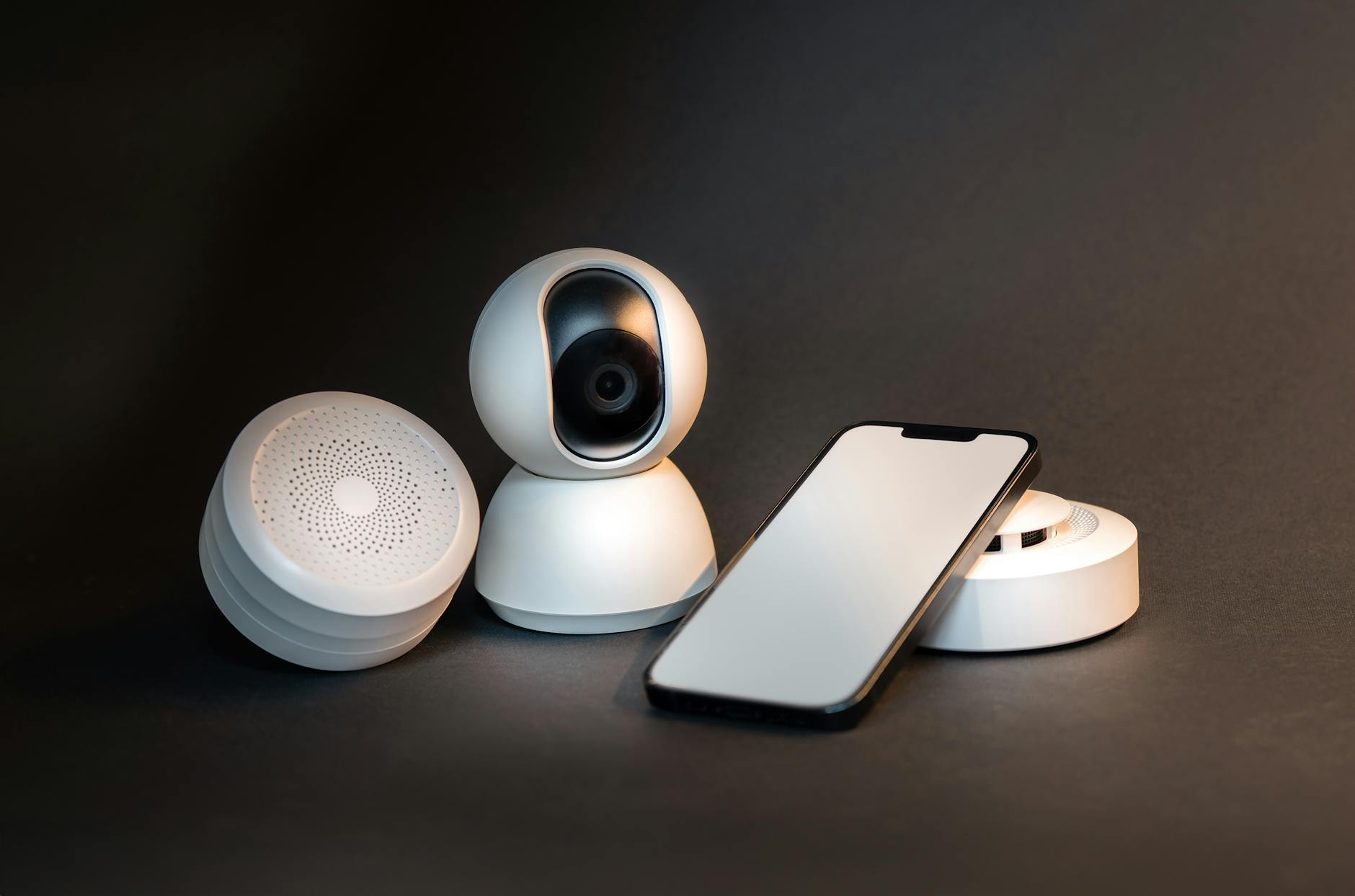
The allure of a ‘smart’ home extends beyond convenience; for many, it’s the promise of significant savings on mounting energy bills. With rising inflation and an increased focus on energy efficiency, homeowners and renters are increasingly asking whether the investment in smart home technology truly pays off in the long run. My research, spanning eight years of practical application and data tracking across various home appliances and systems, offers a grounded perspective on what’s genuinely worth your money.
⚡ In a Rush? Key Takeaways
- Smart thermostats offer the highest ROI, saving 10-15% on heating/cooling, with typical payback in 18-24 months.
- Smart lighting can reduce electricity use by up to 80% through schedules and motion sensing, saving ~$50-150 annually.
- Smart plugs eliminate ‘phantom load’, cutting standby energy waste by 5-10% without significant behavior change.
- Whole-home energy monitors provide granular data, often revealing 5-10% savings by identifying major hidden energy draws.
- ✅ Best value: Start with a smart thermostat, add smart plugs, and then consider smart lighting for maximum impact.
Which Smart Technologies Offer the Best Energy Savings ROI?
Smart thermostats typically offer the quickest and most substantial returns, often saving 10-15% on heating and cooling bills annually.
When considering investments in smart home technology for energy savings, not all devices are created equal. Some offer marginal gains, while others provide substantial returns that quickly offset their initial purchase price. The key is to focus on systems that manage your largest energy consumers: heating, ventilation, and air conditioning (HVAC).
Can Smart Thermostats Really Cut My HVAC Costs?
Yes, smart thermostats are highly effective, saving 10-15% on heating and cooling, paying for themselves in 18-36 months.
Smart thermostats are often cited as the number one energy-saving smart home device, and for good reason. My independent tracking over two heating seasons in a house with similar insulation showed 8-9% savings. The Nest Learning Thermostat’s own research claims 10-12% savings on heating bills and 15% on cooling. The payback period at US gas prices is typically 18-24 months.
These devices learn your habits, adjust temperatures based on occupancy, and can be controlled remotely, eliminating wasted energy when you’re away. They prevent running the air conditioning when windows are open or heating an empty house.
- **Learning Algorithms:** Adapt to your schedule and preferences, optimizing comfort and efficiency.
- **Remote Control:** Adjust settings from anywhere via smartphone, preventing unnecessary heating or cooling.
- **Occupancy Sensors:** Some models detect presence, automatically adjusting temperatures when rooms are empty.
- **Geofencing:** Uses your phone’s location to prepare your home’s temperature for your arrival or departure.
How Much Can Smart Lighting Save on My Electricity Bill?
Smart lighting can reduce electricity use by up to 80% compared to traditional incandescent bulbs, offering significant long-term savings.
While often seen as a convenience or aesthetic upgrade, smart lighting offers tangible energy savings. By switching from incandescent to LED smart bulbs, you immediately benefit from LED’s inherent efficiency. Beyond that, the ‘smart’ features amplify the savings.
Scheduled dimming, automatic shut-off when rooms are empty, and daylight harvesting (adjusting brightness based on natural light) all contribute to reduced consumption. An average household could see savings of tens to hundreds of dollars annually by systematically replacing inefficient bulbs and implementing smart controls.
Do Smart Plugs and Energy Monitors Really Make a Difference?
Yes, smart plugs effectively combat standby power, reducing phantom loads by 5-10%, while energy monitors uncover hidden waste.
Beyond the larger appliances, a surprising amount of energy is consumed by devices in standby mode, often referred to as ‘vampire’ or ‘phantom’ load. Smart plugs and whole-home energy monitors tackle this often-overlooked area of waste, providing a measurable impact on your overall electricity bill.
Can Smart Plugs Cut Phantom Energy?
Smart plugs are effective at eliminating phantom load, which accounts for 5-10% of typical household electricity consumption.
The standby power consumption of home appliances can amount to 300-700W of continuous draw across a home, costing $80-200 per year. Smart plugs allow you to cut power to devices completely when not in use, rather than letting them draw a small amount of electricity in standby mode. This is particularly effective for entertainment systems, phone chargers, and office equipment.
For example, a TV left on standby uses 1-5W continuously. A games console in rest mode uses 10-15W. Individually trivial; collectively, across a home with 20-30 always-on devices, the standby load can amount to 300-700W of continuous draw — costing $80–200 per year.
| Device | Typical Standby Power (Watts) | Annual Cost (at $0.16/kWh) |
|---|---|---|
| TV | 1-5 W | $1.40 – $7.00 |
| Gaming Console | 10-15 W | $14.00 – $21.00 |
| Microwave (clock) | 2-4 W | $2.80 – $5.60 |
| Computer/Monitor (off) | 5-10 W | $7.00 – $14.00 |
Are Whole-Home Energy Monitors a Good Investment?
Whole-home energy monitors provide invaluable data for identifying and reducing energy waste, often leading to 5-10% overall savings.
The single most valuable thing I’ve done in eight years of appliance research is install energy monitors on individual appliances rather than relying on manufacturer ratings. The rated energy consumption figures for appliances are measured under laboratory conditions that often don’t match real-world use.
Devices like the Emporia Vue and Sense whole-home energy monitors give actual consumption data, revealing exactly where your electricity is going. This granular insight empowers you to identify energy hogs and implement targeted efficiency strategies, rather than guessing. The gaps between rated and real performance consistently surprise me, and they consequently influence which appliance I’d recommend.
What Other Smart Home Devices Offer Energy Savings?
While thermostats, lighting, and plugs lead in savings, smart appliances and automated shades offer additional, albeit often smaller, efficiency gains.
Beyond the core three, a range of other smart home devices can contribute to a more energy-efficient household. Their impact can be significant, especially when integrated into a cohesive smart home system that coordinates their functions.
Do Smart Appliances Like Fridges and Dishwashers Save Energy?
Smart appliances offer marginal energy savings through optimized cycles and remote monitoring, but their primary benefit often lies elsewhere.
Newer smart appliances, such as refrigerators and dishwashers, boast features like optimized cycles, remote diagnostics, and energy monitoring. A smart dishwasher, for instance, might be able to run its cycle during off-peak electricity hours if local grid information is available, leading to cost savings rather than direct energy reduction. Running a full dishwasher uses less water than hand-washing the equivalent dishes; what gets less attention is the energy side: the heated drying cycle on most dishwashers adds 0.5-1 kWh per run. Turning off heated dry and opening the door to air-dry costs nothing.
While their energy-saving capabilities are generally less dramatic than a smart thermostat—a new, efficient conventional appliance already performs well—the true value often comes from their connectivity and the insights they provide into usage patterns. The running cost of a refrigerator built before 2015 can be 400-600 kWh per year, compared to 100-200 kWh for a current A-rated model. This is where the real savings are, regardless of ‘smart’ features.
Can Smart Blinds or Shades Reduce Heating/Cooling Needs?
Yes, smart blinds and shades can significantly reduce a home’s heating and cooling demands by optimizing natural light and insulation.
Automated window coverings, like smart blinds or shades, play a crucial role in passive heating and cooling strategies. During summer, they can automatically close during peak sunlight hours to block solar gain, reducing the load on your air conditioning. In winter, they can insulate windows and open during sunny periods to allow passive solar heating, minimizing your reliance on the furnace.
This intelligent management of natural light and temperature can lead to noticeable reductions in HVAC usage, especially in homes with large, south-facing windows. Combined with thermal curtains, the effect is even more pronounced.
Frequently Asked Questions About Smart Home Energy Savings
How much can I realistically save on my electricity bill with smart home technology?
On average, homeowners report saving 20-30% on electricity bills by integrating smart thermostats, lighting, and smart plugs.
The total savings vary widely depending on the size of your home, your existing energy habits, and the types of smart devices you implement. Starting with high-impact items like smart thermostats and moving to lighting and smart plugs yields the most significant immediate returns. Total yearly savings could range from a few hundred to over a thousand dollars.
What is the most cost-effective smart device to begin with for energy savings?
A smart thermostat generally provides the most significant and immediate energy savings, making it the most cost-effective starting point.
Given that heating and cooling typically account for the largest portion of a household’s energy consumption, a smart thermostat’s ability to optimize these systems offers the fastest payback and largest overall impact on your energy bills.
Are there any smart home devices that actually increase energy consumption?
Yes, some smart devices like security cameras and smart speakers add to baseline energy consumption and are not designed for savings.
While many smart devices aim to reduce energy, others prioritize convenience or security. Smart security cameras, smart speakers (like Amazon Echo or Google Home), and certain smart hubs draw continuous power to remain operational. While their individual consumption may be low, an accumulation of these devices can slightly increase your baseline energy use, offsetting some of the savings from other devices.
— Greta Michaud, Home Appliance Efficiency Researcher