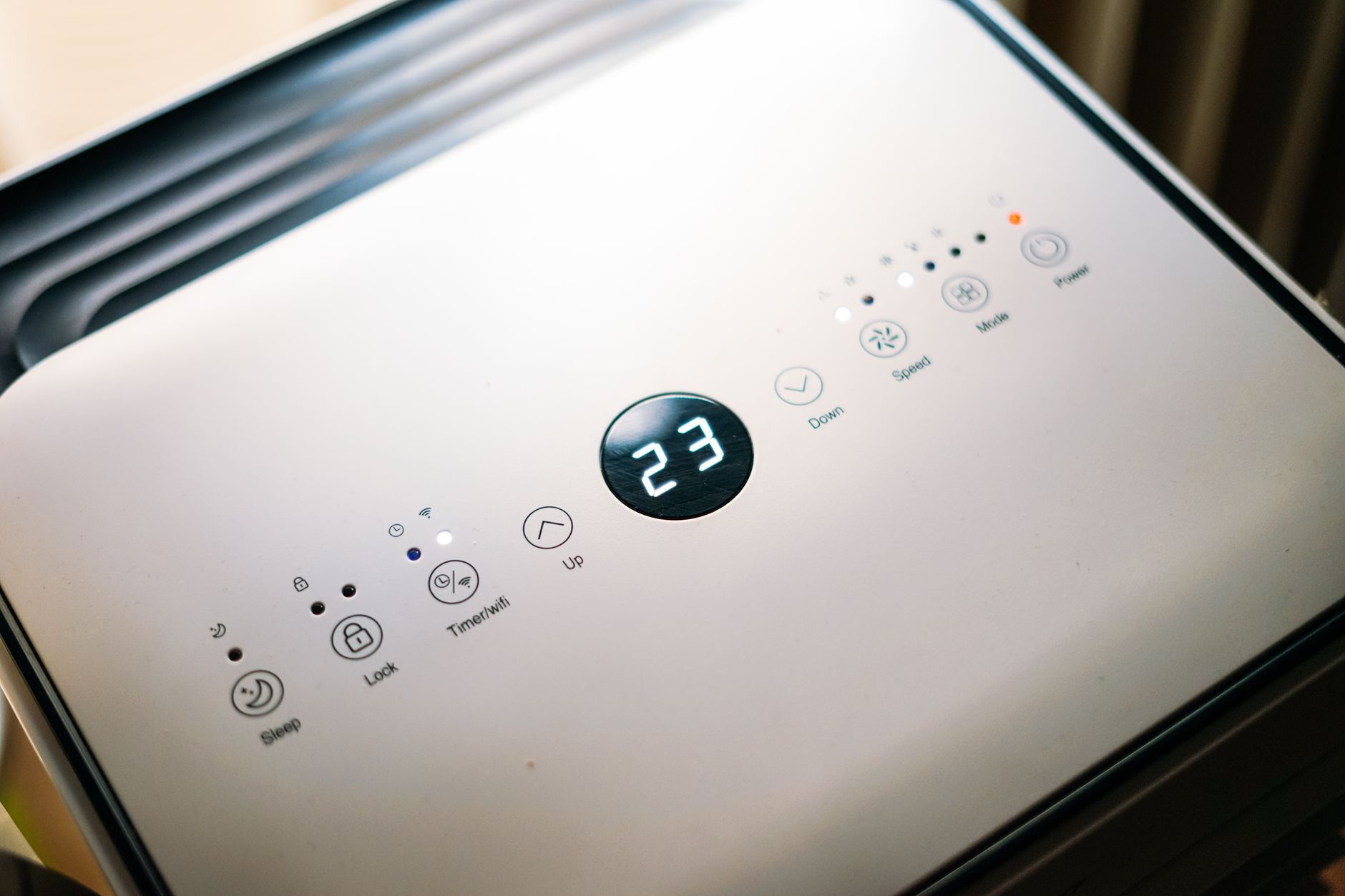
Dehumidifiers are energy-efficient tools that typically cost between $0.05 and $0.15 per hour to run, depending on the unit’s capacity and your local electricity rate. While they do add to your monthly utility bill, they often prevent far more expensive home maintenance issues like mould remediation and wood rot.
⚡ In a Rush? Key Takeaways
- Most standard 20-pint dehumidifiers consume roughly 300 watts per hour of operation.
- Maintaining 50% relative humidity can reduce heating costs by 10% in winter months.
- Avoiding mould cleanup can save a homeowner an average of $2,500 in professional costs.
- ✅ Best value: Choose an Energy Star model and use a humidistat for automatic control.
How Much Does a Dehumidifier Cost to Run Monthly?
A standard dehumidifier costs $15–$45 per month to operate when running continuously, depending on local energy rates and ambient humidity levels.
How do electricity rates impact your daily usage?
Electricity rates directly dictate costs; a unit using 300W at $0.16/kWh costs approximately $1.15 per day if it runs for 24 hours.
Many homeowners worry that running a machine all day will break the bank, but modern units rarely run at full power 24/7. Once the desired humidity level is reached, the compressor cycles off, consuming almost no power.
- Low-demand days: $0.30–$0.50 daily cost.
- High-humidity summer: $1.20–$1.50 daily cost.
- Seasonal average: $20–$30 per month.
Does the size of the dehumidifier change the running cost?
Larger 50-pint units use more power per hour than 20-pint models, but they clear humidity faster and finish cycles more efficiently.
It is tempting to buy the smallest, cheapest unit to save on electricity, but this is often a false economy. A small unit struggling to dry a large damp basement will run indefinitely, never reaching its target.
| Capacity | Average Wattage | Efficiency Rating |
|---|---|---|
| 20-pint | 280W | Moderate |
| 50-pint | 500W | High (when loaded) |
When Does a Dehumidifier Save You Money?
A dehumidifier saves money by preventing structural damage, reducing heating load, and preserving stored items from moisture-related decay.
Can a dehumidifier actually lower your heating bills?
Drier air is easier to heat than humid air, allowing your furnace to run for shorter intervals during the cold winter months.
High humidity makes a room feel colder in winter and hotter in summer. By removing excess moisture, you can keep your home comfortable without pushing your thermostat to extremes, similar to how effective bathroom ventilation manages home moisture levels.
- Reduced condensation on windows reduces frame rot.
- Dry air prevents the “clammy” feeling that leads to higher thermostat settings.
- Consistent humidity protects sensitive hardwood flooring from expanding and contracting.
How much does mould prevention save over five years?
Professional mould remediation starts at $1,500 for small areas, making a $200 dehumidifier an excellent long-term insurance policy.
Mould is more than an aesthetic nuisance; it is a financial drain on property value. If you live in a basement apartment or a home with poor drainage, consistent humidity control is standard home maintenance that pays for itself quickly.
What Are the Best Tips for Efficiency?
Use a built-in humidistat, keep filters clean, and seal basement cracks to ensure your unit works as little as possible for maximum results.
Why should you prioritize an Energy Star unit?
Energy Star certified dehumidifiers use 15–20% less energy than standard models, providing significant savings over a unit’s lifespan.
When shopping, look for the blue certification label. These units feature better coils and more efficient compressors that handle moisture transfer without the high energy penalty of older designs.
How often should you perform basic maintenance?
Cleaning the air filter every two weeks ensures the fan can move air freely, reducing motor strain and overall energy consumption.
If you have been neglecting this, you are effectively paying for air that isn’t being dried. Proper appliance performance starts with clear airflow, which also extends the life of the machine.
Frequently Asked Questions
Is it cheaper to run a fan or a dehumidifier?
A fan only moves air, while a dehumidifier actively removes moisture; they serve different purposes and cannot be compared on cost alone.
Should I run my dehumidifier 24/7?
Most modern units have a humidistat that turns them off automatically, so you can leave them on indefinitely without wasting energy.
Does humidity affect the running cost of my AC?
Yes, high humidity forces your air conditioner to work much harder to reach the target temperature, increasing cooling costs by 10%.
What is the ideal humidity level for my home?
Aim for 40–50% relative humidity to ensure comfort while preventing both mould growth and the drying out of delicate home fixtures.
Ultimately, the cost of running a dehumidifier is a small price to pay for protecting your largest investment. By choosing a correctly sized, energy-efficient model and keeping it maintained, you gain control over your home’s microclimate for just a few dollars a month.
— Greta Michaud, Home Appliance Efficiency Researcher