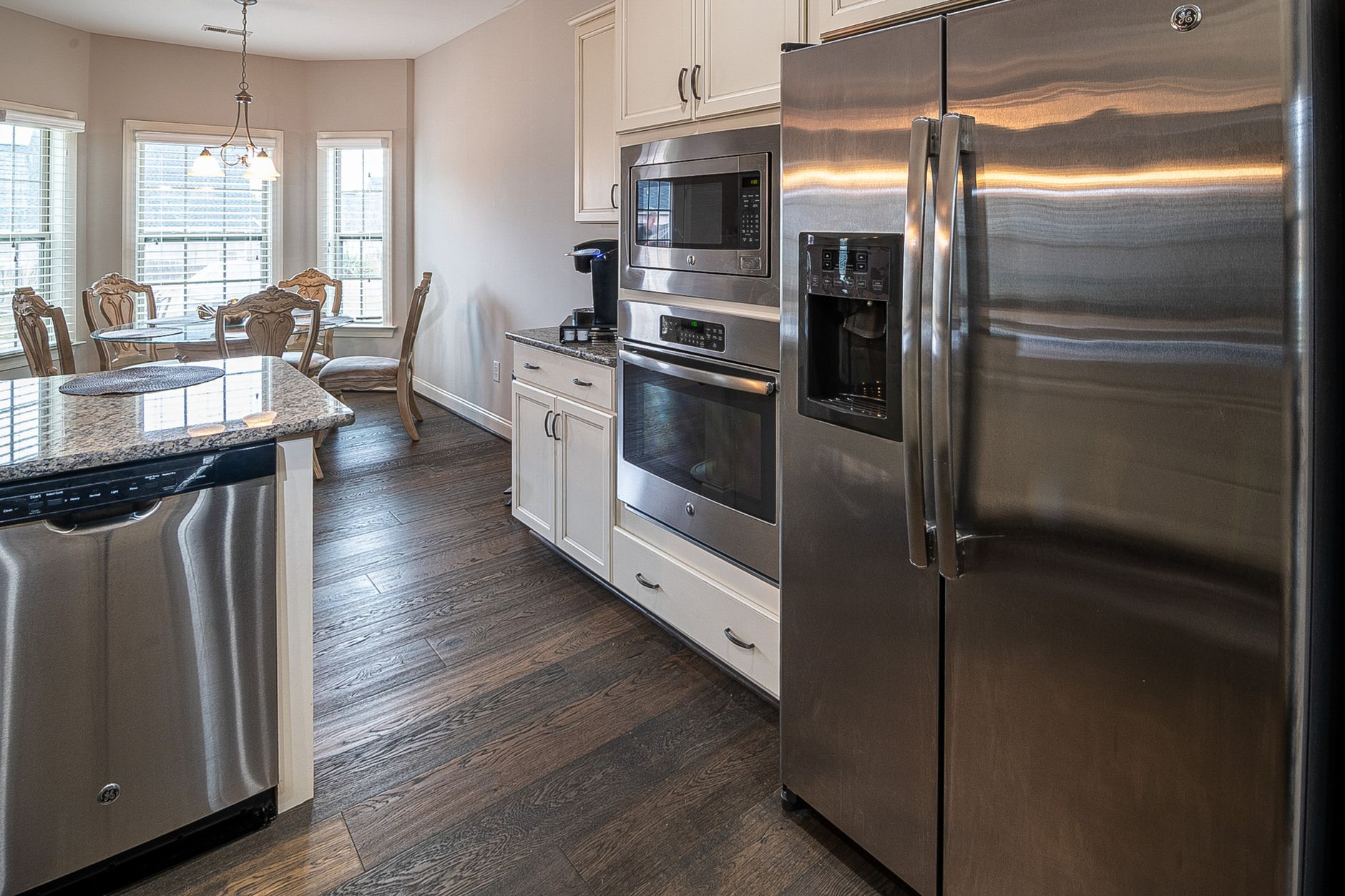
Choosing efficient home appliances involves balancing the initial purchase price against the long-term energy and water consumption costs over the machine’s fifteen-year expected lifespan. Most households focus on the upfront cost, yet energy and maintenance expenses often exceed the original investment within the first few years of operation.
⚡ In a Rush? Key Takeaways
- Modern A-rated appliances consume 30-50% less energy than models sold before 2015.
- Choosing high-spin speed washing machines reduces dryer electricity usage by 15% per cycle.
- Selecting a cold-water-optimized cycle saves up to 90% of the energy used during a wash.
- Heat pump dryers typically pay for their price premium in energy savings within three years.
- ✅ Prioritize machines with high reliability ratings and proven real-world energy efficiency.
How Do You Calculate the Real Cost of a Home Appliance?
The true cost of an appliance is the purchase price plus the cumulative electricity, water, and maintenance expenses over a ten-year lifespan.
Why Does the Energy Label Matter?
Energy labels provide a standardized framework for comparing appliance power draw, ensuring you understand the true consumption before buying.
Energy labels have been rescaled in recent years to reflect current technology. An appliance that was top-rated a decade ago would likely struggle to meet modern efficiency standards today.
When comparing models, look beyond the simple letter grade. Examine the annual kWh consumption listed on the label to get a clearer picture of your expected monthly utility impact.
How Much Does Standby Power Consumption Add to Bills?
Standby power usage in modern smart appliances can add 5% to 10% to your total annual electricity bill if devices are left in idle mode.
Many devices remain in a ‘rest’ state that draws power 24/7. This is often necessary for smart features, but it adds up across an entire home ecosystem.
- Entertainment consoles often use 10-15W while in rest mode.
- Microwaves with digital displays consume 2-4W continuously.
- Smart coffee machines draw power to maintain network connectivity.
- A central power strip can eliminate these phantom loads easily.
Which Appliances Should You Prioritize for Efficiency Upgrades?
Refrigerators, water heaters, and laundry systems offer the highest return on investment due to their continuous or high-demand operation.
Are Refrigerators Really the Biggest Energy Consumers?
Refrigerators account for a significant portion of home energy use because they run continuously, unlike washers or dishwashers used sporadically.
An inefficient refrigerator from fifteen years ago can cost $50-$80 more per year to run than a modern A-rated model. Over a decade, that gap covers a significant portion of a new appliance’s purchase price.
Modern compressors and improved insulation mean that even larger, modern units use far less electricity. Always check the annual kWh rating on the appliance intelligence hub before finalizing your purchase.
Does Switching to a Heat Pump Dryer Save Money?
Heat pump dryers use 50-70% less energy than traditional vented models because they recycle heat rather than venting it outside continuously.
While the initial cost is higher, the laundry efficiency improvements are immediate. These machines are particularly gentle on fabrics and do not require external venting.
- Vented dryers: 4-5 kWh per full cycle.
- Heat pump dryers: 1.5-2.5 kWh per full cycle.
- Annual savings for a family of four: roughly $100-$150.
- Reduced shrinkage and wear extend the life of your clothing.
How Do Water Heater Options Affect Efficiency?
Water heating accounts for about 18% of a typical home’s energy use; choosing the right technology can cut that load dramatically.
Traditional storage tank heaters keep a large volume of water hot continuously, leading to standby losses. Modern alternatives reduce or eliminate those losses.
- Heat pump water heaters move heat from the surrounding air, using 2-3 times less electricity than conventional electric tanks.
- Tankless (on‑demand) gas or electric units heat water only when needed, eliminating standby loss but requiring adequate flow rates.
- Solar water heaters with backup can provide up to 70% of hot water needs in sunny climates.
When selecting a unit, look for the Energy Factor (EF) or Uniform Energy Factor (UEF) rating; higher numbers mean better efficiency. Also consider the first‑hour rating (FHR) to ensure it meets your household’s peak demand.
How Can You Maintain Appliances to Improve Their Efficiency?
Regular maintenance such as cleaning filters, checking seals, and using appropriate detergents prevents long-term efficiency degradation.
Why Do Dishwashers Require Regular Maintenance?
Dishwashers develop scale on heating elements in hard water areas, which forces the unit to work harder and use more energy per cycle.
Using rinse aid and salt prevents mineral buildup on sensitive internal components. This keeps the kitchen workflow smooth and prevents expensive repairs.
- Clean the door seals every six months for better insulation.
- Check the spray arms for debris that reduces water flow.
- Use the dishwasher’s eco-mode to minimize water heating costs.
- Open the door to air-dry dishes instead of using the heated cycle.
How Does Proper Cleaning Impact Appliance Lifespan?
Clean filters, vents, and coils allow appliances to dissipate heat effectively, preventing motor strain and reducing overall electricity demand.
Frequently Asked Questions
Should I fix an old appliance or buy a new one?
Repairing is usually better if the repair cost is under 50% of a new model price and the unit is less than ten years old.
Are smart appliances actually more efficient?
Smart appliances help only if you use their scheduling features to run cycles during off-peak hours or reduce unnecessary idle time.
Does water temperature settings impact electricity use?
Yes, heating water is the most energy-intensive part of any appliance cycle; using lower temperatures saves up to 90% of cycle energy.
How can I find the most reliable appliance brands?
Consult long-term consumer reliability reports that track repair rates for specific models over a seven-year period rather than just reviews.
Making the right choice today ensures a more functional home for years to come. By focusing on total ownership costs rather than just the initial price, you secure both financial savings and a more efficient household environment. — Greta Michaud, Home Appliance Efficiency Researcher