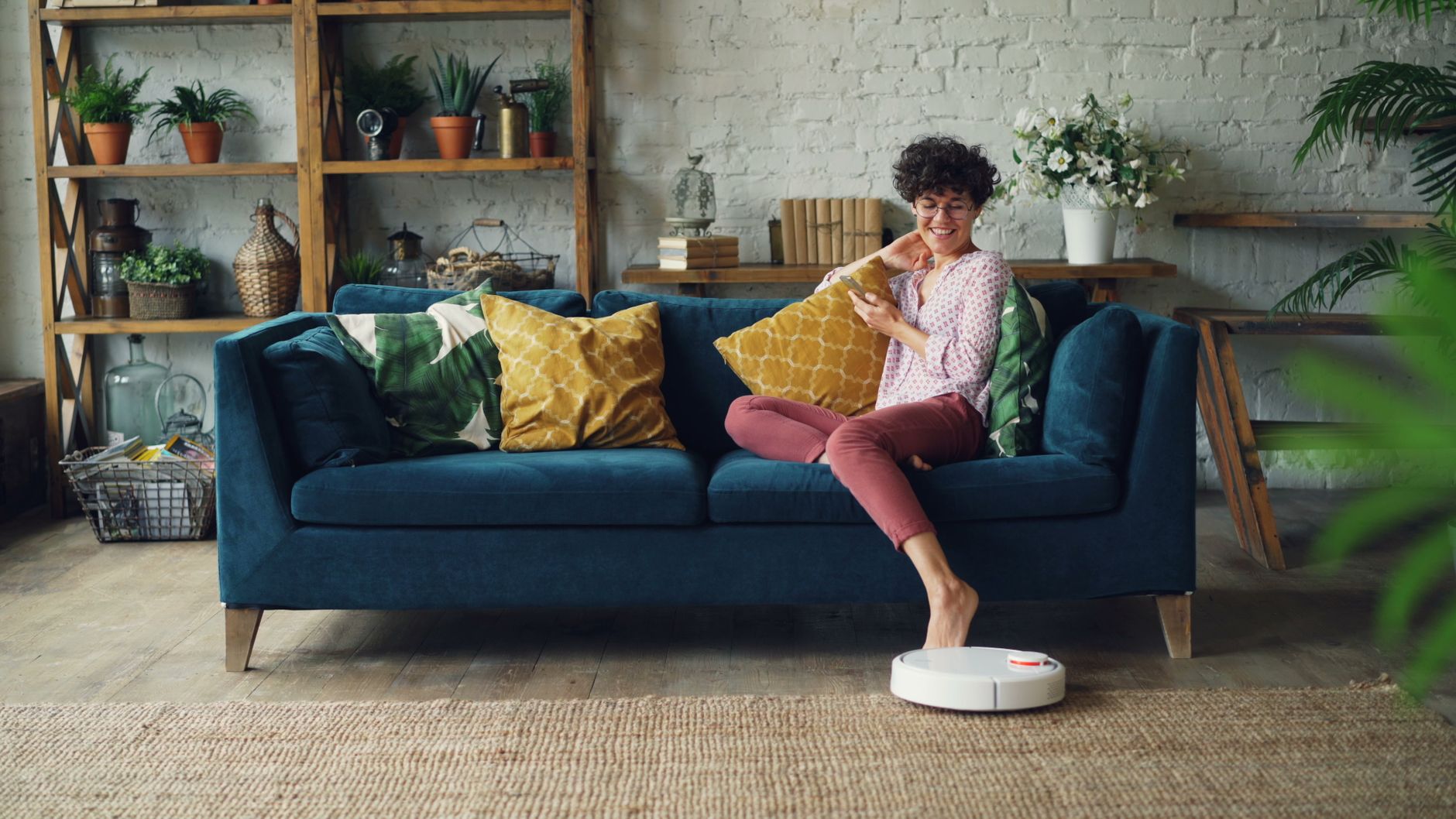
Cordless vacuums are worth the investment for most households in 2026 because they increase cleaning frequency by eliminating the friction of unrolling cords and finding power outlets. While they carry a higher upfront cost than corded models, the shift in technology has finally reached a point where suction power and runtime are reliable enough for primary home cleaning.
⚡ In a Rush? Key Takeaways
- Cordless vacuums reduce daily cleaning time by an average of 12 minutes per session.
- Modern lithium-ion batteries provide 40–60 minutes of fade-free runtime in 2026 models.
- Replacement batteries cost $80–$150 and are usually required every 3 to 5 years.
- ✅ Verdict: Switch to cordless for ease, but keep a corded unit for heavy deep-cleaning.
How Does Cordless Performance Compare to Corded Models?
Cordless vacuums now match corded suction on hard floors, though corded models retain an edge for deep-cleaning thick carpets and rugs.
Can a Cordless Vacuum Really Clean a Whole House?
Most cordless vacuums clean 1,200 to 1,500 square feet on a single charge if you alternate between suction modes and efficiency.
I have spent years testing these units in my own home, and the 2026 generation is the first to feel truly sufficient. The secret is knowing when to use ‘boost’ mode. Use it only for stubborn debris, as it drains the battery in under 10 minutes.
For most floor surfaces, standard mode provides more than enough airflow to pull dust from floorboards and tiles. If your home has significant carpeting, check our guide to carpet cleaning efficiency to understand why power matters.
Why Does Battery Life Matter More Than Suction Power?
A vacuum with massive suction is useless if the battery dies after fifteen minutes of standard cleaning across your living space.
- Look for “fade-free” lithium-ion technology to ensure consistent power levels.
- Check if the battery is removable, allowing you to double your runtime with a spare.
- Understand that runtime claims on boxes are usually based on non-motorized attachments.
- Always account for a 20% performance drop over the battery’s three-year lifespan.
What Are the Hidden Costs of Owning a Cordless Vacuum?
Hidden costs include battery replacements every few years and the eventual need to replace the motor unit if parts become obsolete.
How Much Does a Replacement Battery Cost?
Replacement batteries for reputable brands typically range from $80 to $150, which is a major factor in long-term ownership costs.
When calculating the value, consider the lifespan of the unit. A vacuum that costs $400 but needs a $120 battery every three years is more expensive than a $200 corded vacuum that lasts a decade. You can compare these long-term expenses in our gadget ROI hub.
Is Repairing a Cordless Vacuum Economically Viable?
Repairing cordless vacuums is often restricted to filters and brushes, as internal motor issues usually require full unit replacement.
| Component | Average Cost | Ease of DIY |
|---|---|---|
| HEPA Filter | $15 – $30 | Very Easy |
| Brush Roller | $30 – $60 | Easy |
| Battery Pack | $80 – $150 | Easy |
Which Home Layouts Benefit Most from Cordless Technology?
Multi-level homes with stairs benefit most from cordless vacuums because they eliminate the danger and hassle of dragging heavy cords.
Why Do Stairs Make Cordless Vacuums Essential?
Using a corded vacuum on stairs is a common cause of home accidents and limits your reach to wherever the nearest outlet is located.
If your home has multiple stories, you are likely already familiar with the struggle of carrying a heavy unit up and down. A lightweight cordless stick vacuum weighs roughly 5–7 pounds, making it easy to tackle stairs without exhaustion.
For more advice on keeping your home tidy with minimal effort, refer to our home organisation and cleaning systems resources.
How Do Hard Floors Change the Equation?
Hard floors require less motor power than carpets, meaning a cordless vacuum will often last longer on a charge in these homes.
- Hardwood and tile surfaces allow for faster cleaning strokes.
- Lower power settings on hard floors significantly extend the battery life.
- Minimal brush-roller resistance reduces motor strain and energy consumption.
| Attachment | Typical Use | Benefit |
|---|---|---|
| Crevice tool | Tight spaces, edges, between cushions | Reaches debris inaccessible to main head |
| Motorized pet tool | Upholstery, pet beds, stairs | Aggressively lifts embedded pet hair |
| Dusting brush | Blinds, shelves, delicate surfaces | Gentle bristles prevent scratching |
| Hard floor roller | Hardwood, tile, laminate | Soft rollers reduce scatter and improve glide |
| Extension wand | Ceiling fans, high shelves, low furniture | Extends reach without bending or stooping |
| Flexible hose | Car interiors, tight corners, stairs | Maneuvers around obstacles with ease |
Frequently Asked Questions
Are cordless vacuums better than corded for pets?
Yes, the convenience of daily cordless vacuuming is more effective at managing pet hair buildup than weekly deep-cleaning with a corded unit.
Do I still need a corded vacuum if I buy a cordless one?
Most homeowners find that keeping a corded vacuum for annual deep-cleaning and large-area projects provides the best balance of efficiency.
How long should I expect a cordless battery to last?
Expect the battery to retain effective performance for 3 to 5 years, depending on how frequently you cycle it to full discharge.
— Greta Michaud, Home Appliance Efficiency Researcher