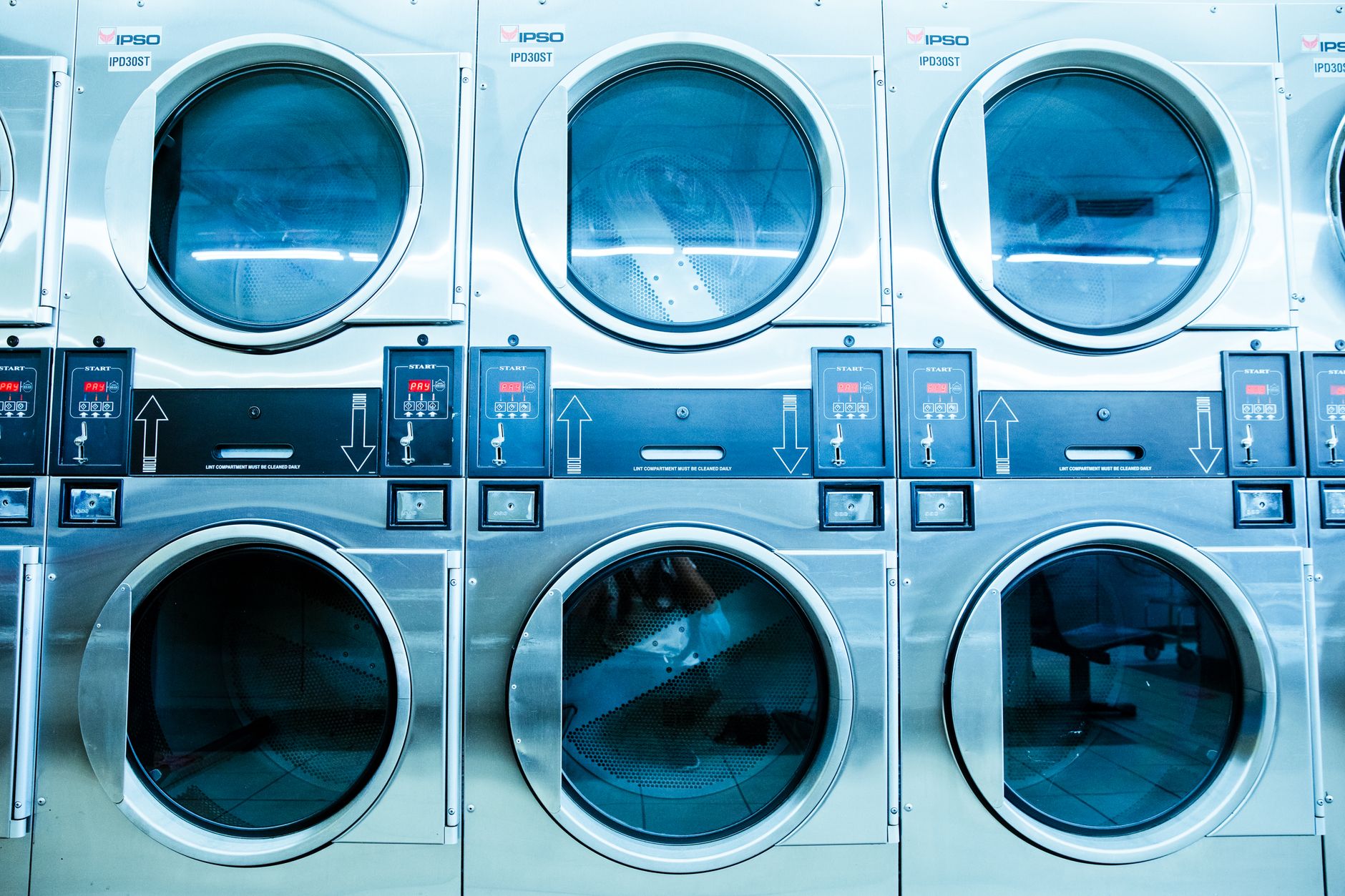
A modern washing machine should be selected based on its lifetime energy efficiency, annual water consumption, and cycle flexibility rather than just its initial purchase price. Choosing the right machine can reduce your household electricity usage by up to 40% compared to a model that is a decade old.
⚡ In a Rush? Key Takeaways
- Newer A-rated machines use 60% less energy than those manufactured before 2015.
- Higher spin speeds reduce dryer electricity consumption by roughly 12% per load.
- Cold-water cycles can account for up to 90% in energy savings per wash.
- Optimal efficiency requires matching drum capacity to your specific household size.
- ✅ Best value: Prioritize A-rated machines with 1400+ RPM spin speeds for long-term ROI.
How Much Does a Washing Machine Cost to Run Annually?
Running an average washing machine costs $40–$85 annually depending on energy efficiency, cycle frequency, and regional electricity rates.
Why does the energy label matter so much?
The updated energy label system provides an honest look at annual kWh usage, helping you avoid models that hide high costs behind low prices.
Energy labels have been rescaled to prevent the confusion caused by multiple plus-signs. A machine now rated ‘A’ is genuinely efficient, whereas older models labeled ‘A+++’ might only correspond to a ‘D’ or ‘E’ under the current 2026 standards.
You should compare the kWh per 100 cycles figure provided on the sticker. This data is the most reliable metric for calculating your actual energy spend throughout the year.
- Compare energy labels using the kWh/100 cycles metric.
- Look for eco-modes that reduce water heating requirements.
- Avoid machines that do not display updated energy ratings.
How do spin speeds impact your overall utility bills?
Higher spin speeds extract more moisture from your clothes, which significantly reduces the energy required by your tumble dryer later.
A washing machine spinning at 1600 RPM will leave clothes drier than one spinning at 1200 RPM. This extra moisture removal means your dryer works less, leading to lower monthly utility bills.
If you use a tumble dryer regularly, a high-spin-speed washing machine is a critical energy efficiency investment. It turns the washer into a pre-drying tool that saves power across the entire laundry process.
Which Washing Machine Features Actually Save Money?
Specific features like load-sensing technology and optimized wash cycles directly impact your water and electricity consumption rates.
Is load-sensing technology worth the price premium?
Load-sensing machines adjust water and energy use based on the weight of the clothes, preventing waste during smaller or partial loads.
Most base models use a set amount of water regardless of how many items are in the drum. Load-sensing technology ensures your machine only consumes the resources it needs for the specific volume of laundry detected.
This feature is essential for households that cannot always wait for a full drum to start a load. It effectively turns a large-capacity machine into a more flexible tool for efficient home management.
How does drum capacity affect your long-term efficiency?
Correctly sizing your drum to your household prevents the inefficiency of running half-empty machines or making too many frequent cycles.
| Household Size | Recommended Capacity |
|---|---|
| 1–2 People | 6kg–7kg |
| 3–4 People | 8kg–9kg |
| 5+ People | 10kg+ |
A machine that is too large often results in running many half-empty cycles. Conversely, a machine that is too small leads to excessive laundry sessions, which increases overall energy and water usage.
Front-load vs top-load: efficiency and usage differences
Front-loading washers generally use less water and energy than top-loaders, but top-loaders can be more convenient for certain households.
Front-load machines tumble clothes through a small amount of water, leading to better cleaning with lower water heating costs. They also achieve higher spin speeds, extracting more moisture and reducing dryer energy use. However, they require bending to load/unload and may develop door‑seal mold if not maintained.
Top‑load washers, especially newer high‑efficiency models with impellers, use more water per cycle but allow easy loading from a standing position and often have shorter wash times. They tend to have lower spin speeds, so clothes retain more moisture, increasing dryer workload. Choosing between the two depends on your priority: water/energy savings versus ergonomics and cycle time.
Frequently Asked Questions About Washing Machines
Get quick answers to the most common questions regarding appliance maintenance, efficiency standards, and long-term operating costs.
How can I reduce my washing machine energy costs today?
Switching to 20°C cycles and ensuring the drum is full but not packed tight are the easiest ways to lower energy costs immediately.
Heating water is the most energy-intensive part of any wash. By selecting cooler cycles, you can slash your per-wash energy consumption significantly without sacrificing cleaning performance.
Why is regular maintenance vital for efficiency?
Cleaning the filter and checking the hoses prevents debris build-up that forces the motor and heater to work harder than they should.
Neglecting maintenance leads to performance degradation and higher energy draw. Simple DIY repairs, such as clearing the drain pump filter, ensure your machine operates at its peak rated efficiency throughout its life.
How long should a modern washing machine last?
A quality washing machine should last between 10 and 14 years when used correctly and maintained with recommended cleaning cycles.
Choosing a reliable brand is an investment in longevity. Higher-quality components withstand the rigors of frequent use, resulting in lower costs per year over the machine’s full service life.
Conclusion
Selecting a washing machine is a decision that impacts your household finances for over a decade. By prioritizing high energy ratings, appropriate capacity, and features that support efficient usage, you ensure that your laundry system serves your home for years to come. — Greta Michaud, Home Appliance Efficiency Researcher